Midge / EmergersStuck Shuck Midge
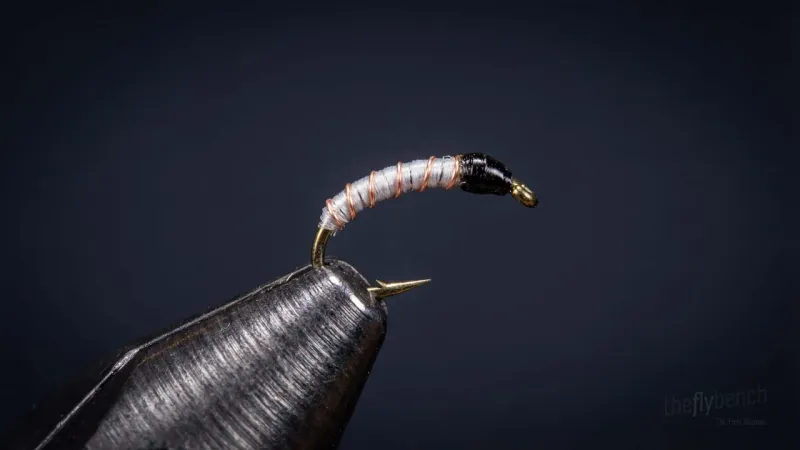
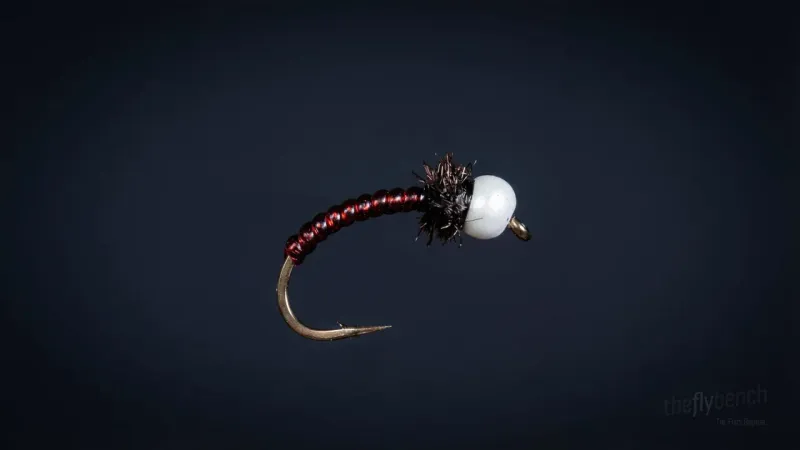
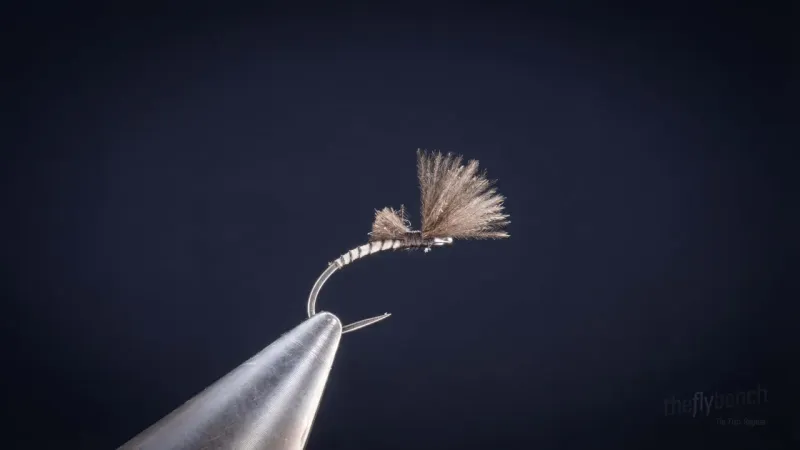
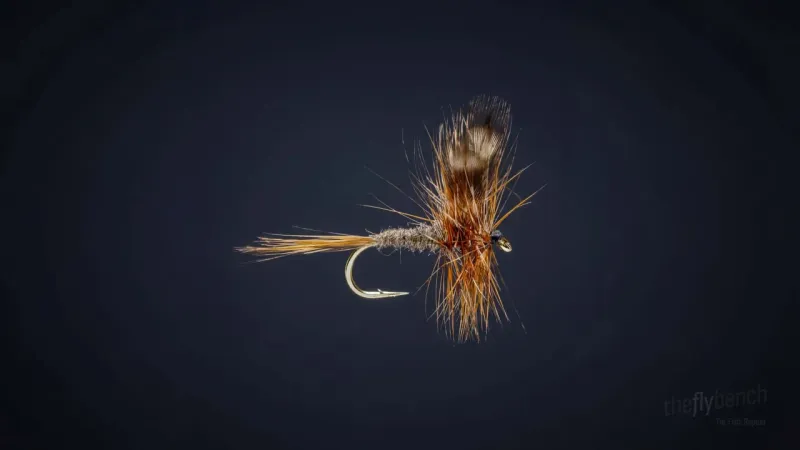
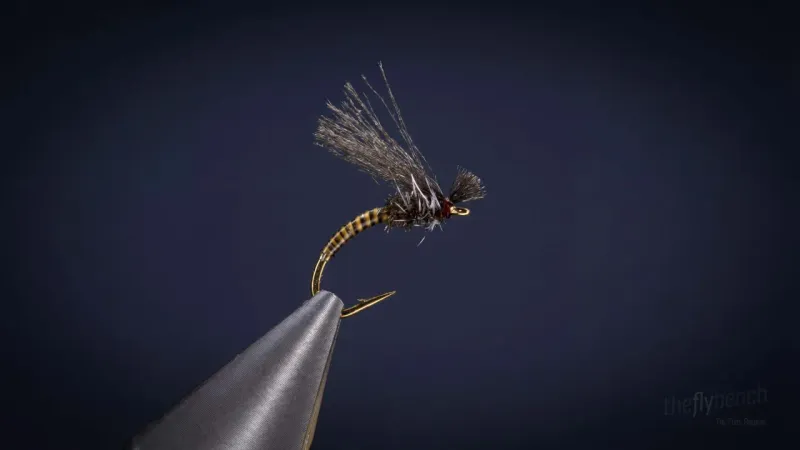
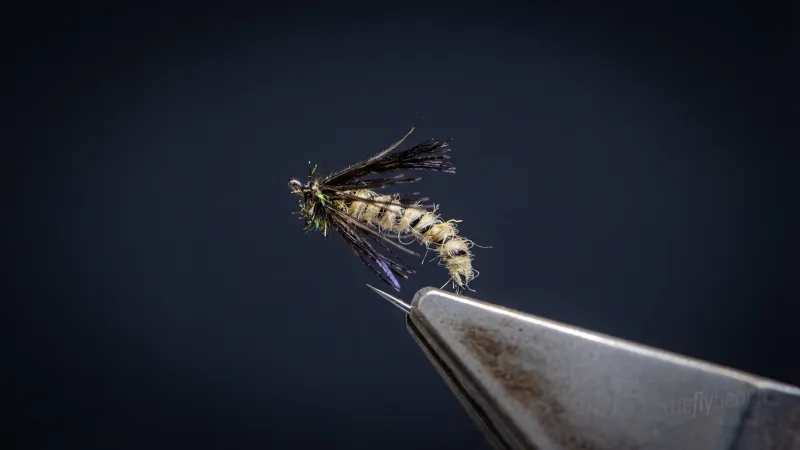
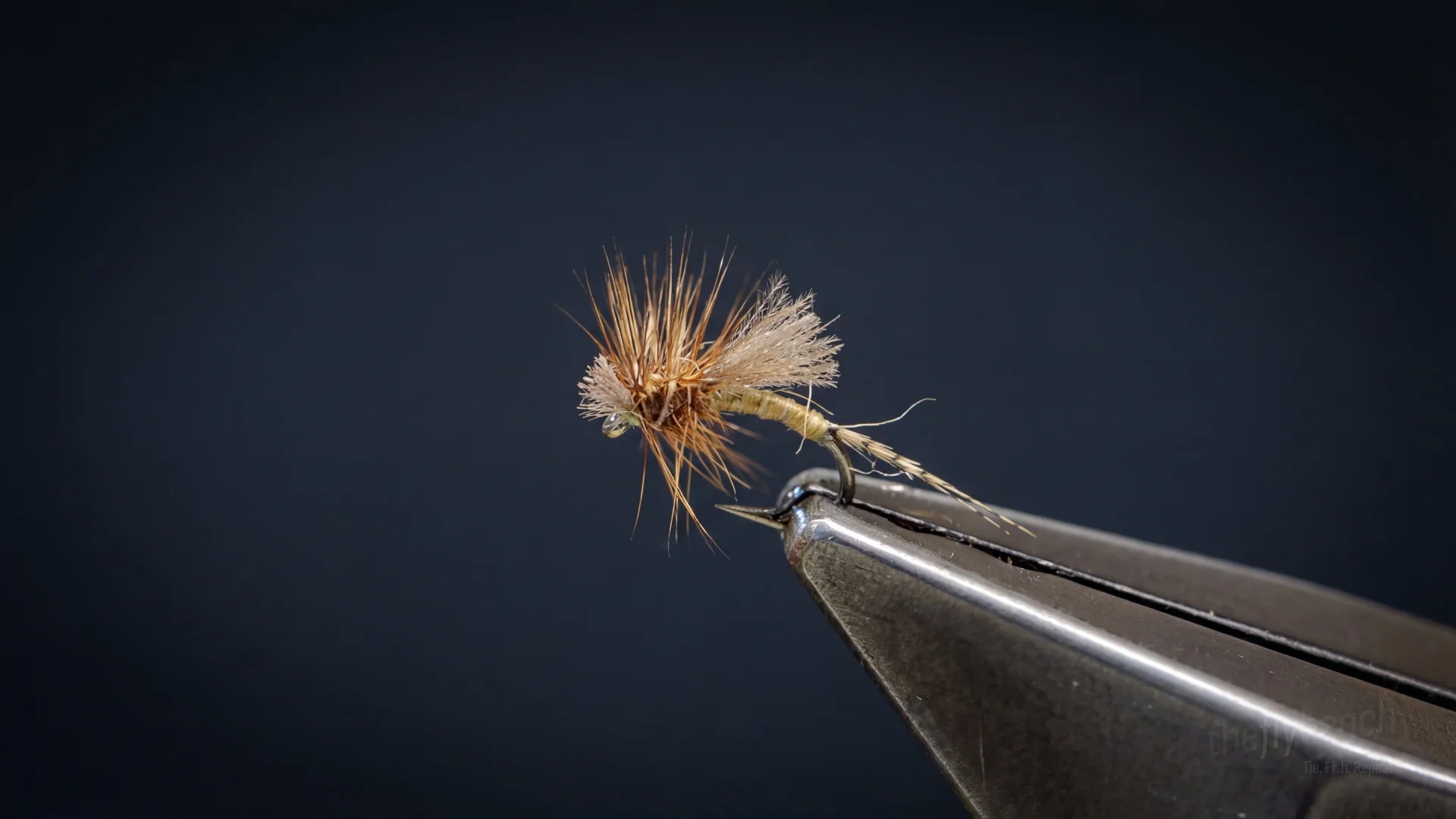
Wayne Luallen's Stuck Shuck Midge trails lemon woodduck barbs and a sparse strand of silver Z-lon off the bend to suggest a pupal shuck still clinging to the fly, then builds a mixed chestnut mole and pale yellow rabbit thorax under a cree hackle and a puff of CDC at the head. Sized down to #18-26, it targets midges stalled halfway out of their shucks in the film.
Spring, Summer, Fall
Intermediate
Trout
Feb 2026
Overview
A tan thread rib winds over a yellow thread body between a sparse trailing shuck of lemon woodduck and silver Z-lon at the tail and a mixed dubbing blend of chestnut mole and pale yellow rabbit at the thorax. Cock cree hackle wraps sparsely for legs, and a puff of CDC forms both wing and head, holding the front of the fly in the surface film while the shuck hangs below. Wayne Luallen built it to imitate midges trapped mid-emergence, unable to fully shed the pupal skin. Fished dead-drift on tippet fine enough for the small hook sizes, it sits in the film the way a stalled natural does, motionless and exposed.
Where to Buy This Fly
We only link to fly shops we trust. Some links are referral links, which may earn us a commission at no extra cost to you.
Materials
- Hook:
- Medium wire scud hook #18-26
- Thread:
- Benecchi 12/0, yellow
- Rib:
- Benecchi 12/0, tan
- Shuck:
- Lemon woodduck barbs; Z-Lon, silver - very sparse
- Wing/Head:
- CDC oiler puff
- Hackle:
- Cock, cree
- Thorax:
- Mole, chestnut; rabbit, pale yellow - mixed
Behavior & Presentation
Natural Behavior: Crippled emergers hang motionless in the film for extended periods, becoming easy targets. Anglers fish stuck-shuck patterns during midge hatches because stationary prey draws selective sips from picky feeders.
Where Trout Eat It: Fish sip trapped emergers from the surface film and just below across freestone streams, tailwaters, and calm lake margins.
How to Fish It: Dead drift adjusting depth based on feeding zone. The stuck-shuck profile works in film and just subsurface during vulnerable emergence struggle.
Best Water: Target tail-outs, flats, slicks, foam lines, eddies, and slow pools where midges emerge and fish feed selectively on crippled emergers.
Strike Type: Look for subtle sips in the film where indicators barely move. Takes are often soft and require focused attention to detect.
Fishing Strategy
Rigging Suggestions: Fish on 9-12 foot leader with 4X-5X tippet. Add weight as needed to achieve proper depth. Can be fished under an indicator or with a tight-line technique.
Seasonal Timing: Effective during peak feeding periods when water temperatures and conditions support active feeding behavior.
Pro Tips: Sinks at a moderate rate depending on hook weight. The natural materials blend well with the aquatic environment.
Entomology
Midge emergers become trapped partially inside their pupal shuck, hanging vertically in or just below the surface film as they struggle to complete metamorphosis. Fish focus selectively on these crippled emergers because the insects remain stationary and fully vulnerable for extended periods.
- Order
- Diptera
- Family
- Chironomidae
- Common Name
- Midge
- Organism Type
- insect
- Life Stage
- general