Midge / EmergersSparkle Quill Caddis Pupa
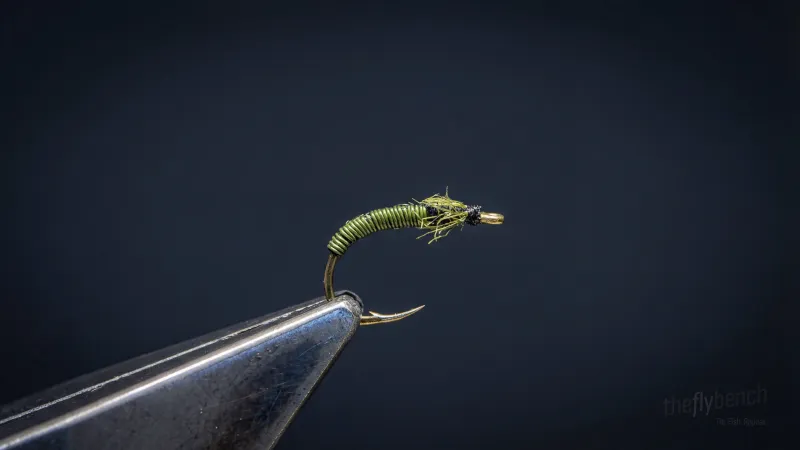
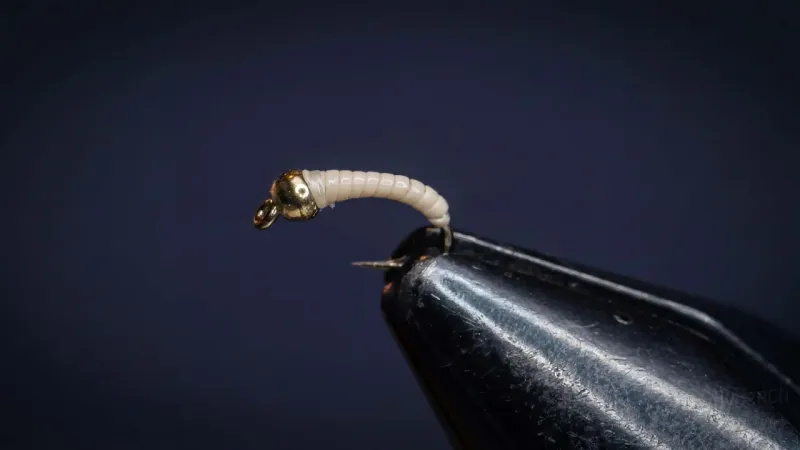
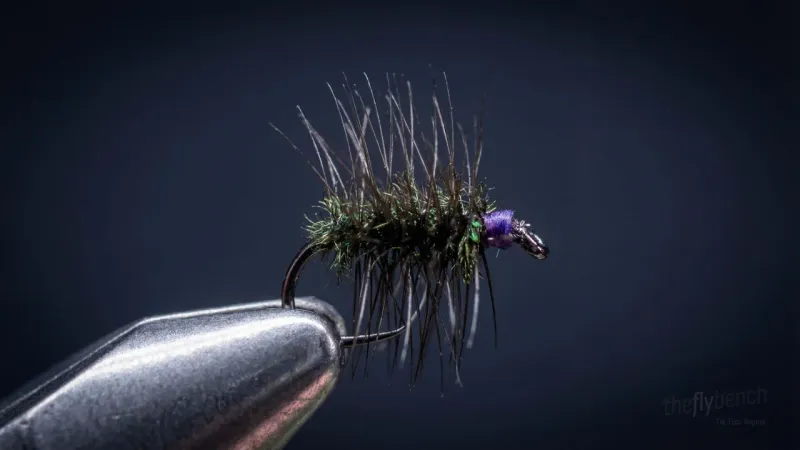
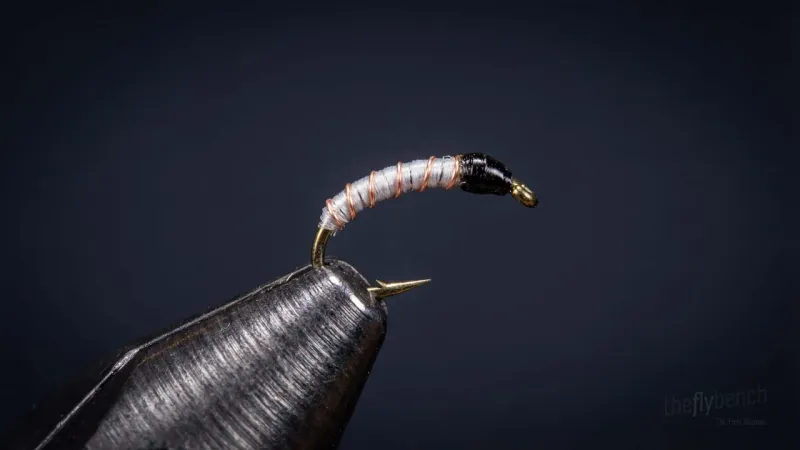
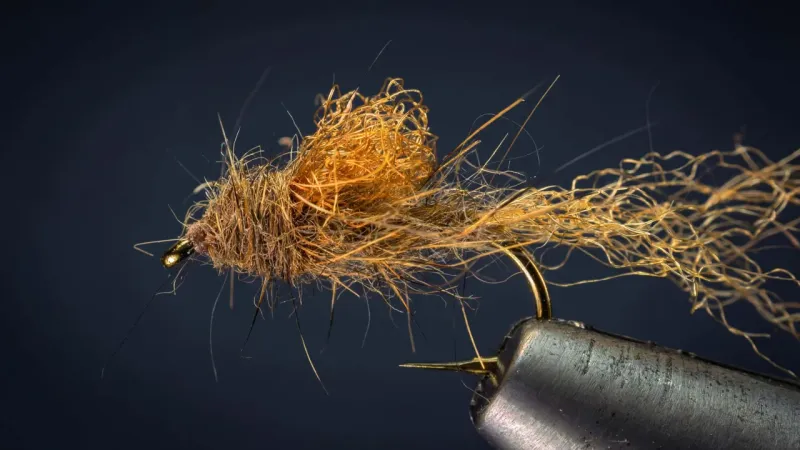
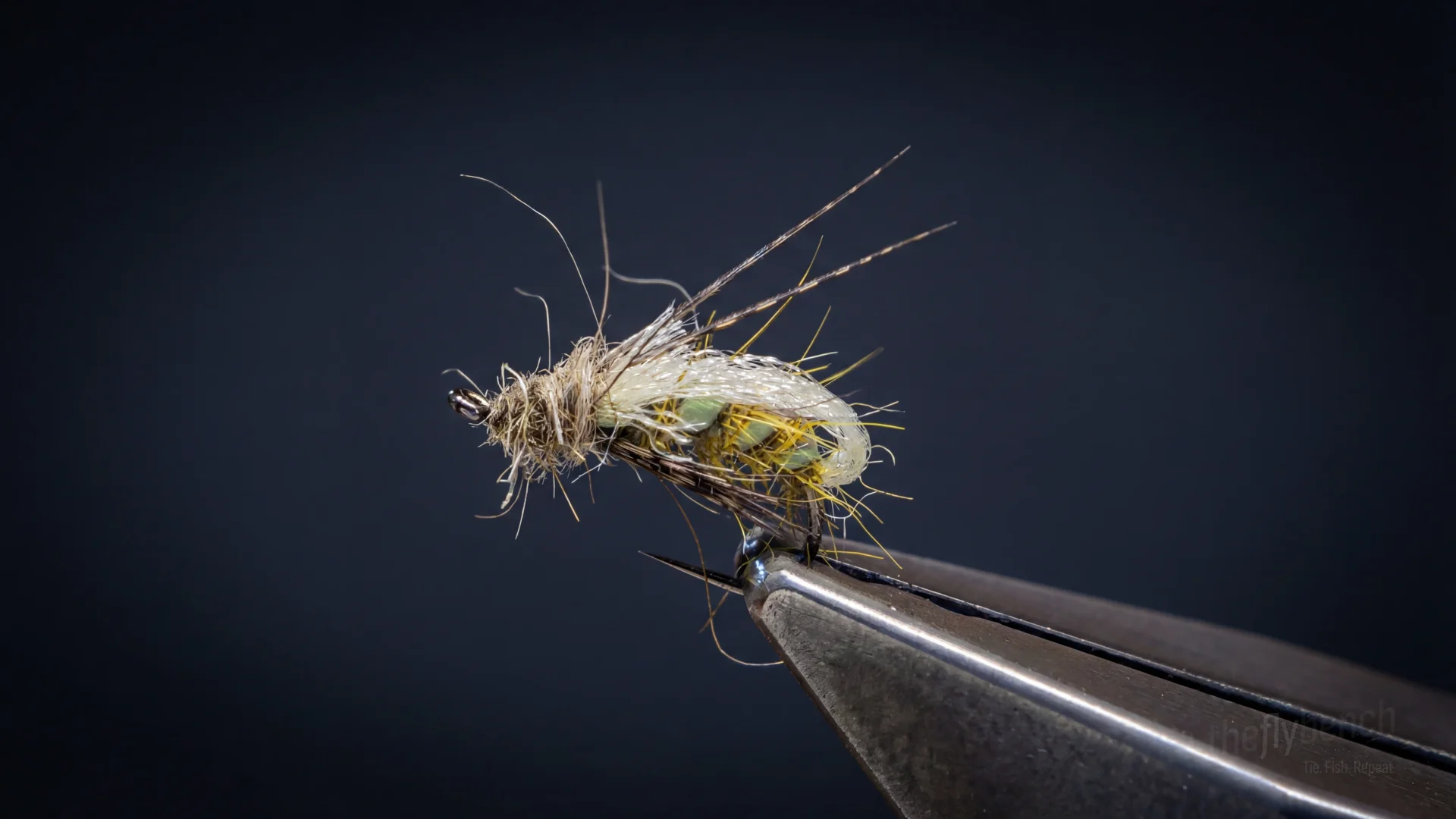
Mike Mercer's Sparkle Quill Caddis Pupa wraps a dyed olive goose biot over an olive Argentinean hare underbody for a ribbed, translucent abdomen, then adds brown partridge legs, bronze mallard antennae, and a hare's ear head under a veil of silvery grey Z-lon. The layered abdomen and Z-lon veiling suggest the gas bubble and legs of a pupa swimming toward emergence.
Spring, Summer, Fall
Intermediate
Trout
Feb 2026
Overview
Olive Argentinean hare dubbed thin under the shank gives the abdomen color and bulk, and a dyed olive goose biot wound over it in tight turns adds a hard, segmented shell that catches light like the sheath of a natural pupa. Brown partridge barbs form soft, swept-back legs, bronze mallard barbs stand in for antennae, and hare's ear dubbing builds a rough head. A veil of silvery grey Z-lon over the top traps light the way an emerging pupa's gas bubble does as it rises. Mike Mercer designed it to fish through the water column during a caddis emergence, swum or lifted to imitate the pupa's ascent.
Where to Buy This Fly
We only link to fly shops we trust. Some links are referral links, which may earn us a commission at no extra cost to you.
Materials
- Hook:
- Grip 14723BL #14
- Thread:
- Benecchi 12/0, tobacco
- Veiling/wing:
- Z-lon, silvery grey
- Abdomen, over:
- Goose biot, dyed olive
- Abdomen, under:
- Argentinean hare, dyed olive
- Legs:
- Brown partridge barbs
- Antennae:
- Bronze mallard barbs
- Thorax/head:
- Hare's ear
Behavior & Presentation
Natural Behavior: Fish intercept insects swimming up from the bottom, drawn to the flash of bubble trails and active movement. Anglers lift pupae patterns through the water column because this rising action triggers mid-depth strikes.
Where Trout Eat It: Fish intercept ascending pupae throughout the water column from bottom to surface film in moderate to fast riffles, pocket water, and tail-out zones.
How to Fish It: Fish with slow swing or dead drift near bottom, then lift rod tip to simulate pupa rising during emergence. The sparkle mimics natural gas bubbles.
Best Water: Focus on moderate to fast riffles, pocket water, tail-out zones, drop-offs, weed edges, and shoals where caddis pupae gather before emerging.
Strike Type: Look for subtle sips in film or mid-column flashes. Watch for subsurface takes as fish intercept ascending pupae.
Fishing Strategy
Rigging Suggestions: Use a 9-12 foot leader with 5X or 6X tippet. Fish under an indicator or as a dropper below a dry fly, adding split shot if needed to reach depth.
Seasonal Timing: Peak effectiveness from April through October when caddis emergences are strongest, with evening hatches particularly productive June through August.
Pro Tips: The sparkle material mimics emerging gas bubbles around natural pupae. Watch for subsurface flashes as trout intercept ascending pupae.
Entomology
Caddis pupae leave their protective larval cases and swim actively toward the surface in a distinctive undulating motion, trailing gas bubbles from their wing pads. Trout intercept these ascending pupae in the water column, drawn to the glinting bubble trail and the insect's animated movement.
- Order
- Trichoptera
- Common Name
- Caddisfly
- Organism Type
- insect
- Life Stage
- general