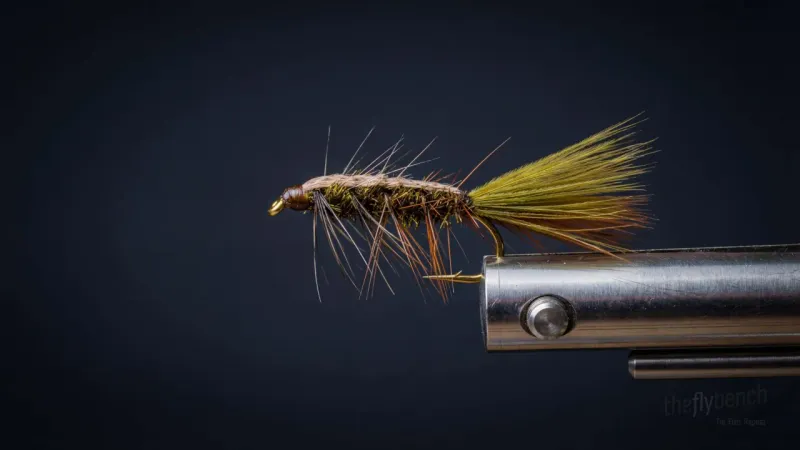
Dry FliesRusty Spinner
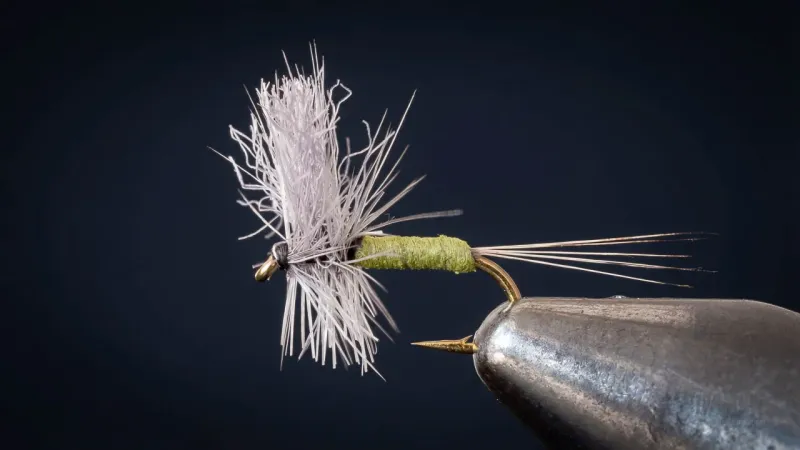
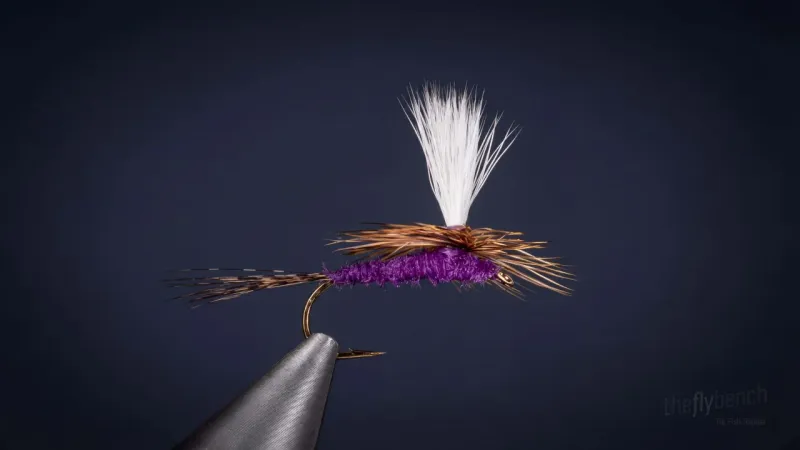
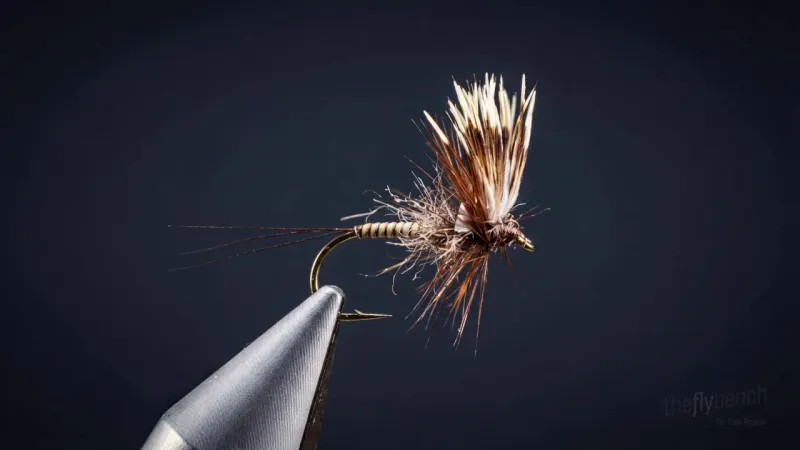
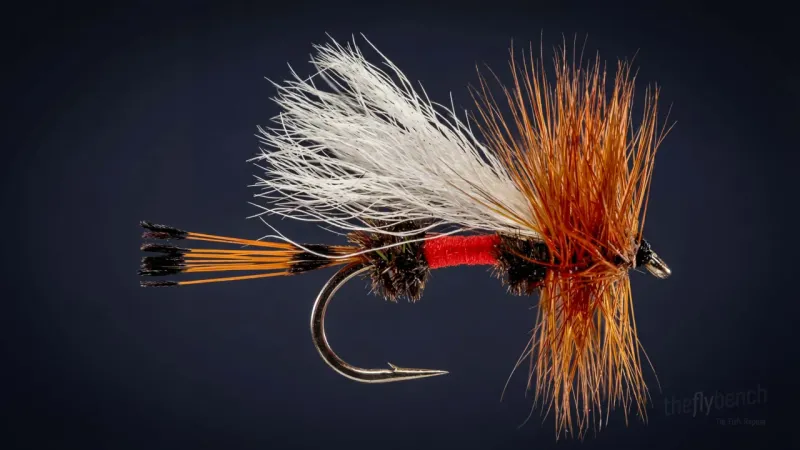
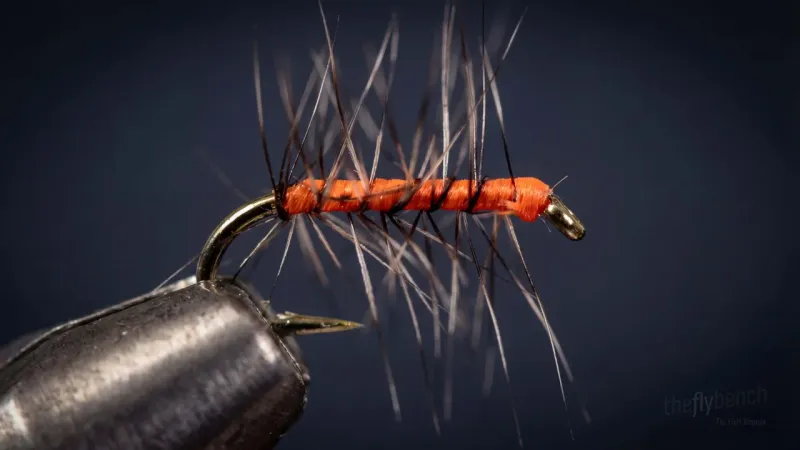
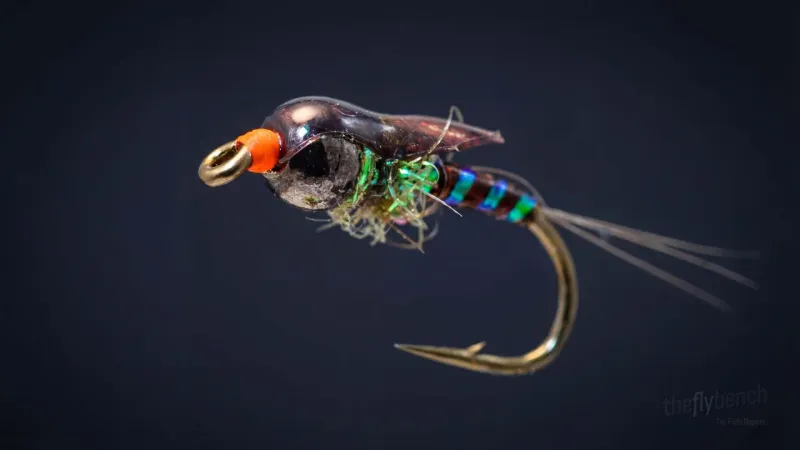
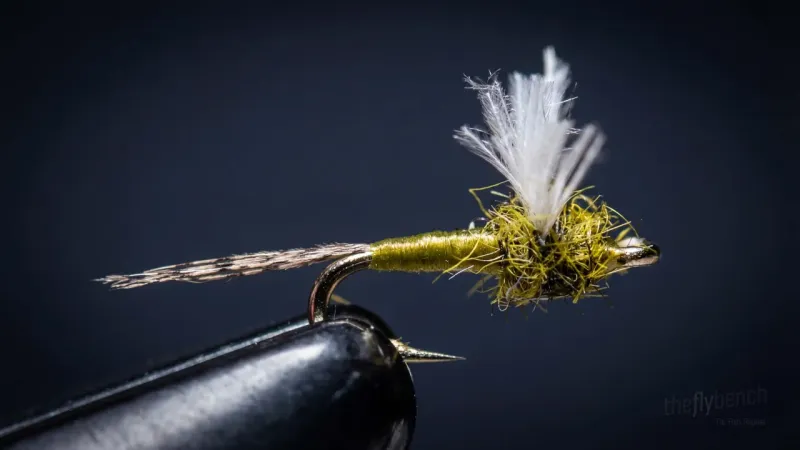
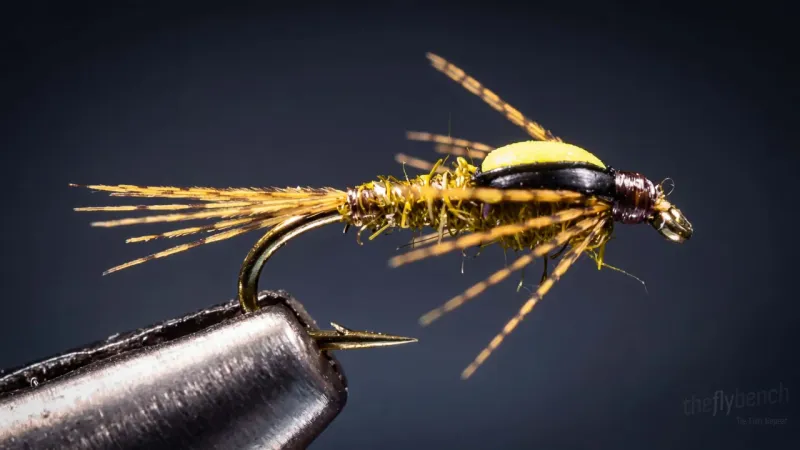
The Rusty Spinner is a classic dry fly pattern that effectively imitates the spent adult stage of mayflies. Its rust-colored body and spread-out wings mimic a dying mayfly, making it irresistible to trout.
Spring, Summer
Beginner
Trout
Apr 2025
Overview
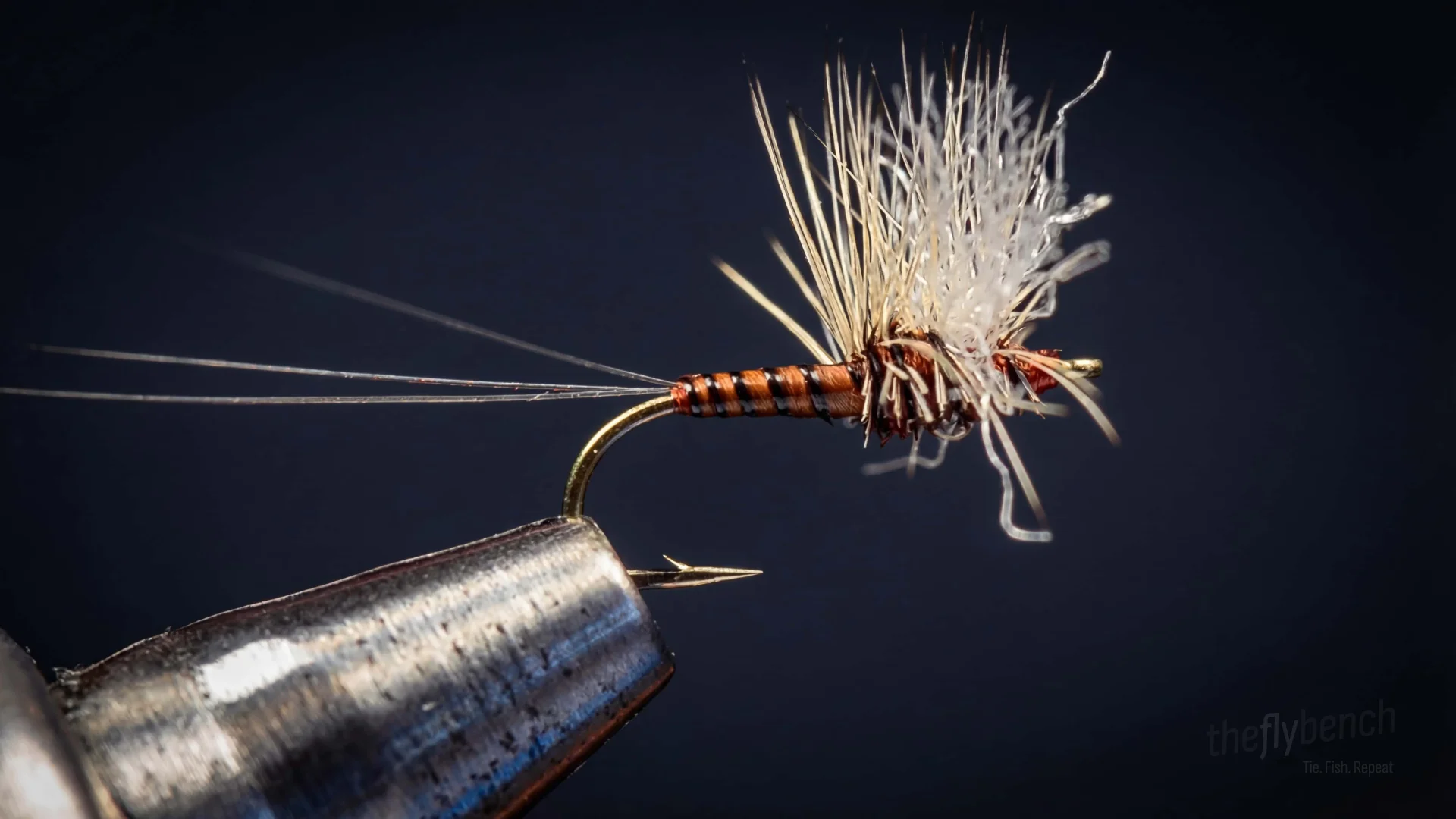
A spent-wing mayfly imitation in a rich reddish-brown color, featuring a slim dubbed body, split tails, and flat-profile wings made of hackle tips or synthetic fibers. It sits flush to the surface, imitating a spinner at rest after mating.
Where to Buy This Fly
We only link to fly shops we trust. Some links are referral links, which may earn us a commission at no extra cost to you.
Materials
- Hook:
- #12–24 TMC 100SP-BL, 100, or 101
- Thread:
- Rusty Brown 14/0 Veevus or 8/0 UNI
- Tails:
- White or Rusty Brown Tailing Fibers
- Abdomen:
- Rusty Brown Goose Biots
- Wings:
- White McFlylon
- Hackle:
- Badger Hackle
- Thorax:
- Rusty Brown Super Fine Dubbing
Behavior & Presentation
Natural Behavior: After mating, spent mayfly spinners collapse onto the surface with wings spread flat in a cruciform position. These dying insects drift helplessly in dense rafts during spinner falls, unable to escape or fly.
Where Trout Eat It: Fish sip PMD and rust-bodied mayfly spinners during evening spinner falls in spring creeks and tailwater glides. Trout feed on spent adults drifting half-submerged in surface film after mating flights, establishing methodical feeding rhythms in calm water sections.
How to Fish It: Fish on long, fine leader (5X-6X) with absolute dead-drift and no movement. Use light tippets, slack-line casts, and careful mends for drag-free float. Apply gel floatant sparingly to wings only, allowing body to rest in film. White poly wings provide visibility in evening low-light.
Best Water: Target spring creek flats, tailwater glides, and slow pool tail-outs where evening spinner falls occur. Focus on weed-edge seams and foam lines in calm water where surface insects accumulate.
Strike Type: Fish rise with slow, deliberate sips that barely disturb the surface film as they inhale the flat-winged spinner; set with minimal pressure to compensate for fine leader diameters and delicate presentations.
Fishing Strategy
Rigging Suggestions: Use 10-12 foot leaders tapered to 6X or 7X tippet for delicate presentation. Microfiber tippet reduces surface disturbance on calm water.
Seasonal Timing: Prime effectiveness from late May through September during spinner periods. Late July and August provide the most consistent evening spinner activity on many streams.
Pro Tips: The white poly wings provide excellent visibility in low light conditions common during spinner falls. Apply gel floatant sparingly to wings only, allowing the body to rest in the surface film for more realistic posture.
Entomology
Spent mayfly spinners drift lifelessly on the water surface after completing their mating flights and egg-laying duties, their translucent wings spread flat and bodies half-submerged in the film. Trout feed methodically on these dead and dying spinners because they provide concentrated, effortless meals during predictable spinner falls that occur in evening or morning hours following emergence events.
- Order
- Ephemeroptera
- Common Name
- Mayfly
- Organism Type
- insect
- Life Stage
- adult