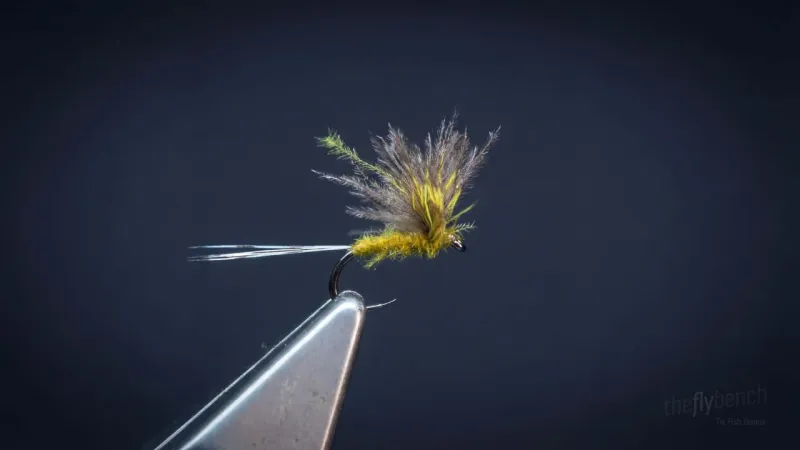
Dry FliesOrange Asher
The Orange Asher is a classic dry fly pattern known for its simplicity and effectiveness. It is primarily used for trout fishing and is especially effective during the mayfly hatches.
Spring, Summer
Intermediate
Trout
Apr 2025
Overview
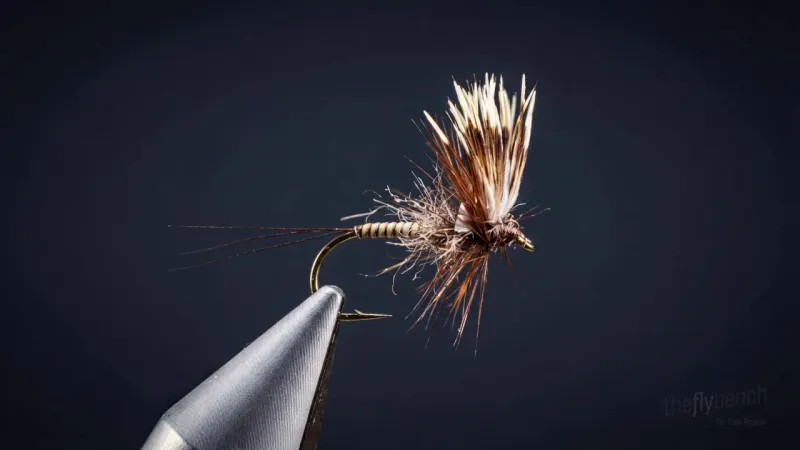
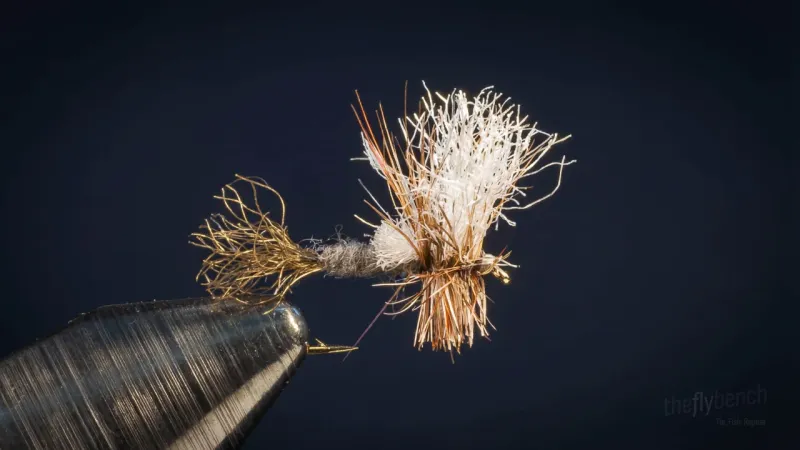
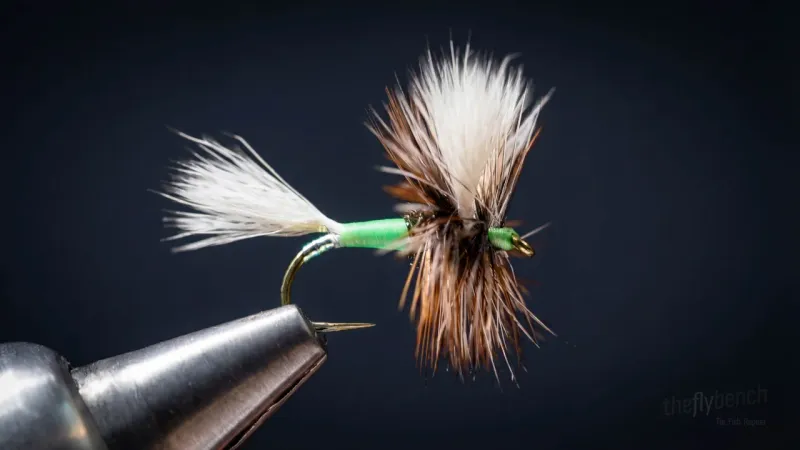
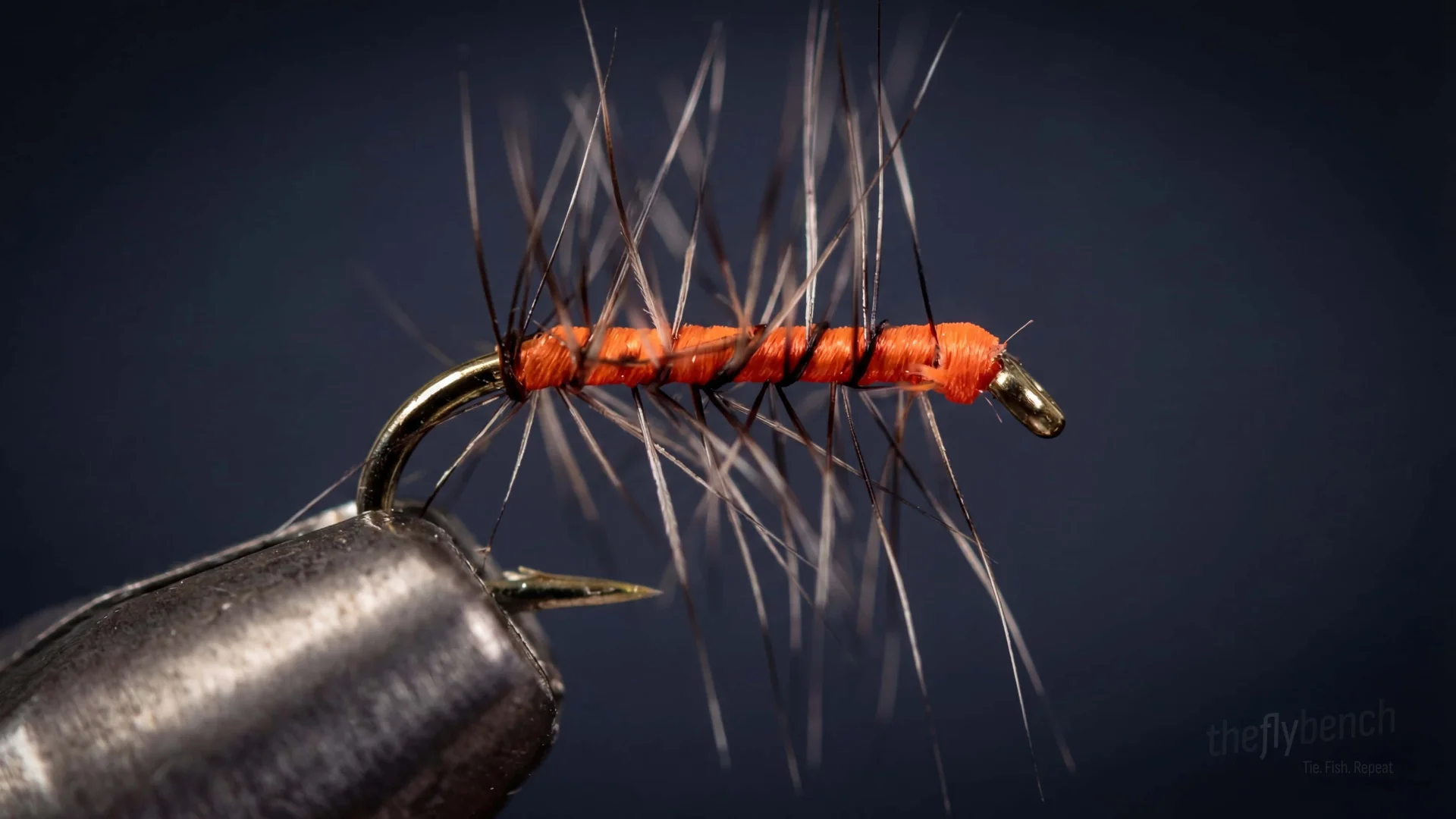
A small attractor dry fly featuring an orange dubbed body, grizzly hackle, and often a white parachute post for visibility. Simple to tie and very effective on picky trout, especially in small sizes (#16-#20). The bright orange body stands out on the water without being overly aggressive, making it useful during sparse mayfly hatches or as a searching pattern. The clean silhouette and color contrast help both angler and fish locate the fly in varied water types.
Where to Buy This Fly
We only link to fly shops we trust. Some links are referral links, which may earn us a commission at no extra cost to you.
Materials
- Hook:
- Tiemco 100, size #12–#16
- Thread:
- Orange UTC 70 denier
- Body:
- Orange tying thread
- Hackle:
- Brown rooster hackle
Behavior & Presentation
Natural Behavior: Freshly hatched adults pump their wings dry while riding the film downstream, unable to escape until sufficient drying time passes. Fish capitalize on this extended vulnerability window when newly emerged insects cannot yet fly away from danger.
Where Trout Eat It: Fish patrol emergence zones in rivers and streams, feeding actively on drifting adults in surface lanes.
How to Fish It: A drag-free drift is crucial. Cast upstream and let the fly float naturally downstream in the surface film.
Best Water: Target seams, tail-outs, foam lines, riffle edges, and current breaks where surface insects accumulate.
Strike Type: Fish typically take this with purposeful rises—either a clean head-and-tail roll in calm water or a splashy grab in riffles. Watch the bright orange body vanish into the surface disturbance and set immediately.
Fishing Strategy
Rigging Suggestions: Use a 9-foot leader with a 5X tippet for a natural presentation.
Seasonal Timing: The Orange Asher is most effective during the and months, especially during the mayfly hatches.
Pro Tips: The orange color is highly visible in different conditions and the rooster hackle helps the fly to stay afloat.
Entomology
Mayfly adults emerge at the water's surface and must quickly escape before predation or drowning, their freshly unfurled wings requiring several seconds of drying time before flight becomes possible. Fish patrol emergence zones aggressively during mayfly hatches, taking advantage of the brief window when these insects are trapped on the surface and unable to escape.
- Order
- Ephemeroptera
- Common Name
- Mayfly
- Organism Type
- insect
- Life Stage
- adult