Dry FliesRoyal Lightning Bug
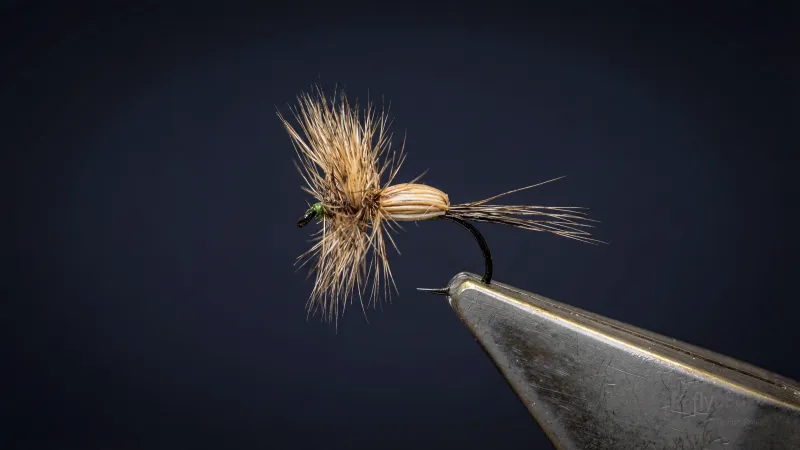
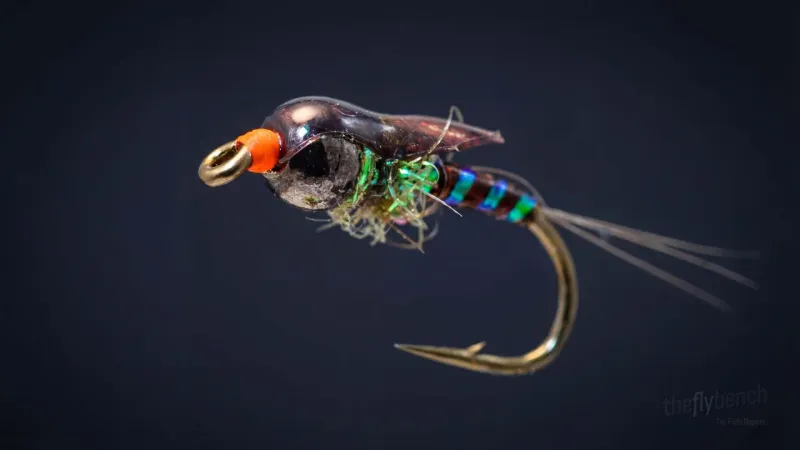
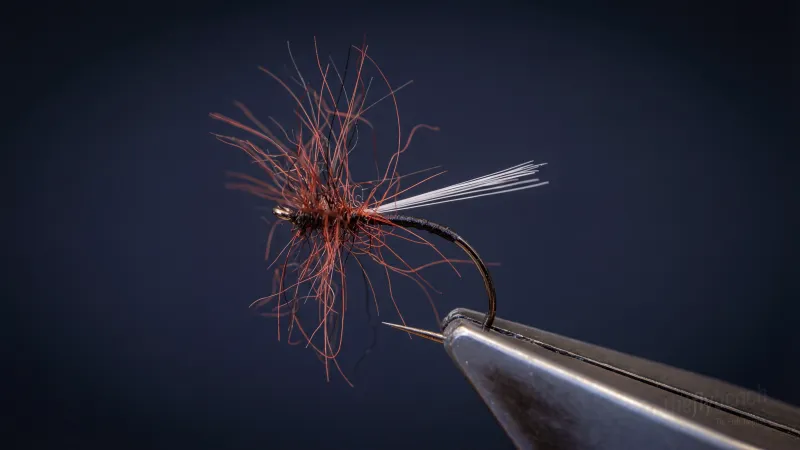
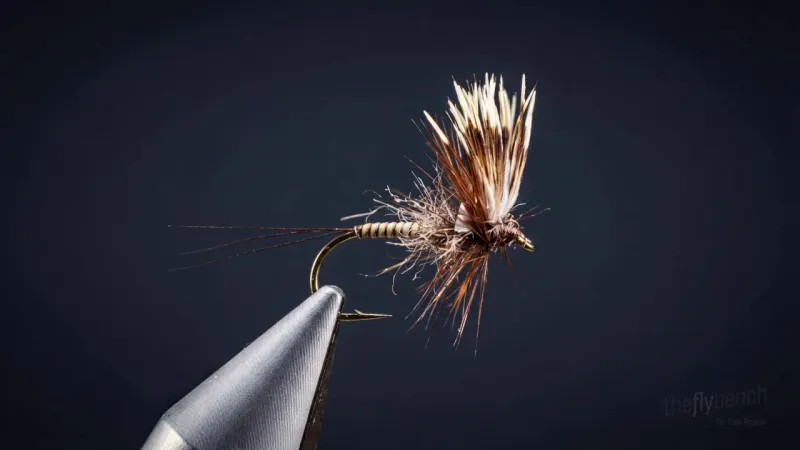
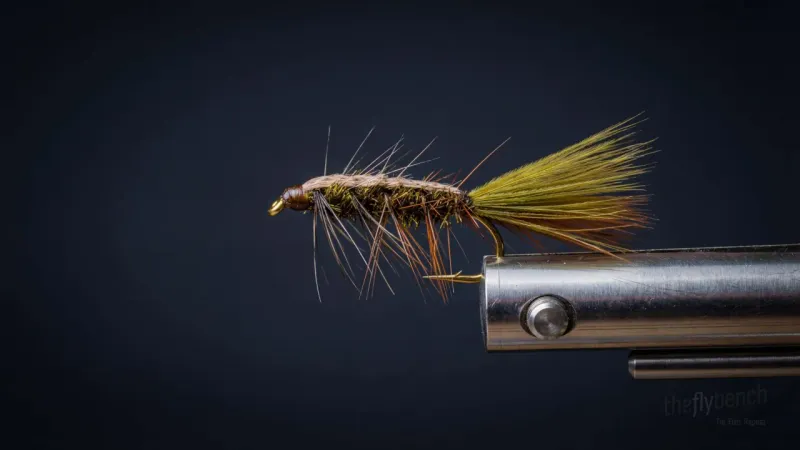
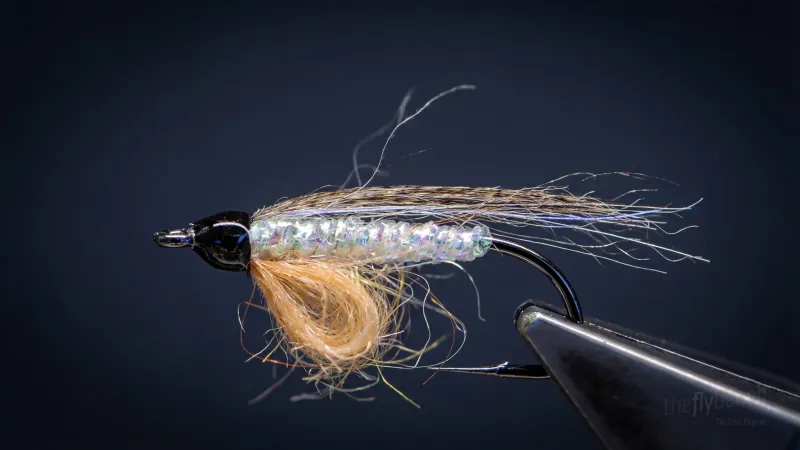
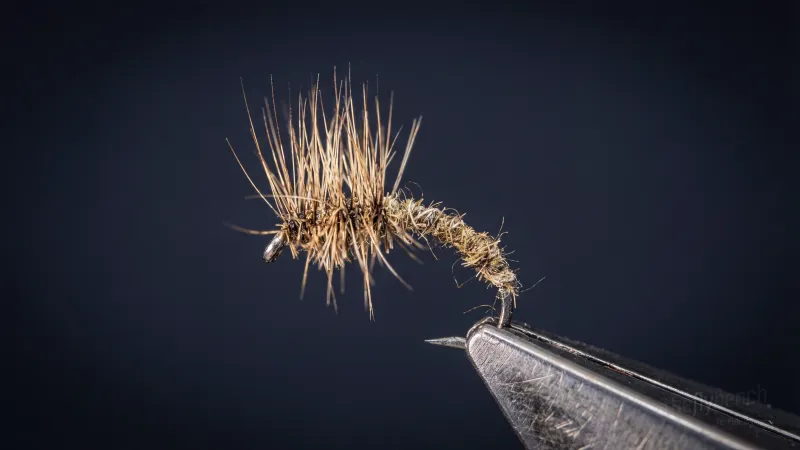
The Royal Lightning Bug is a dry fly pattern designed by Marvin Nolte. This effective pattern combines traditional materials with proven techniques for consistent results in a variety of water conditions.
Spring, Summer, Fall
Intermediate
Trout
Feb 2026
Overview
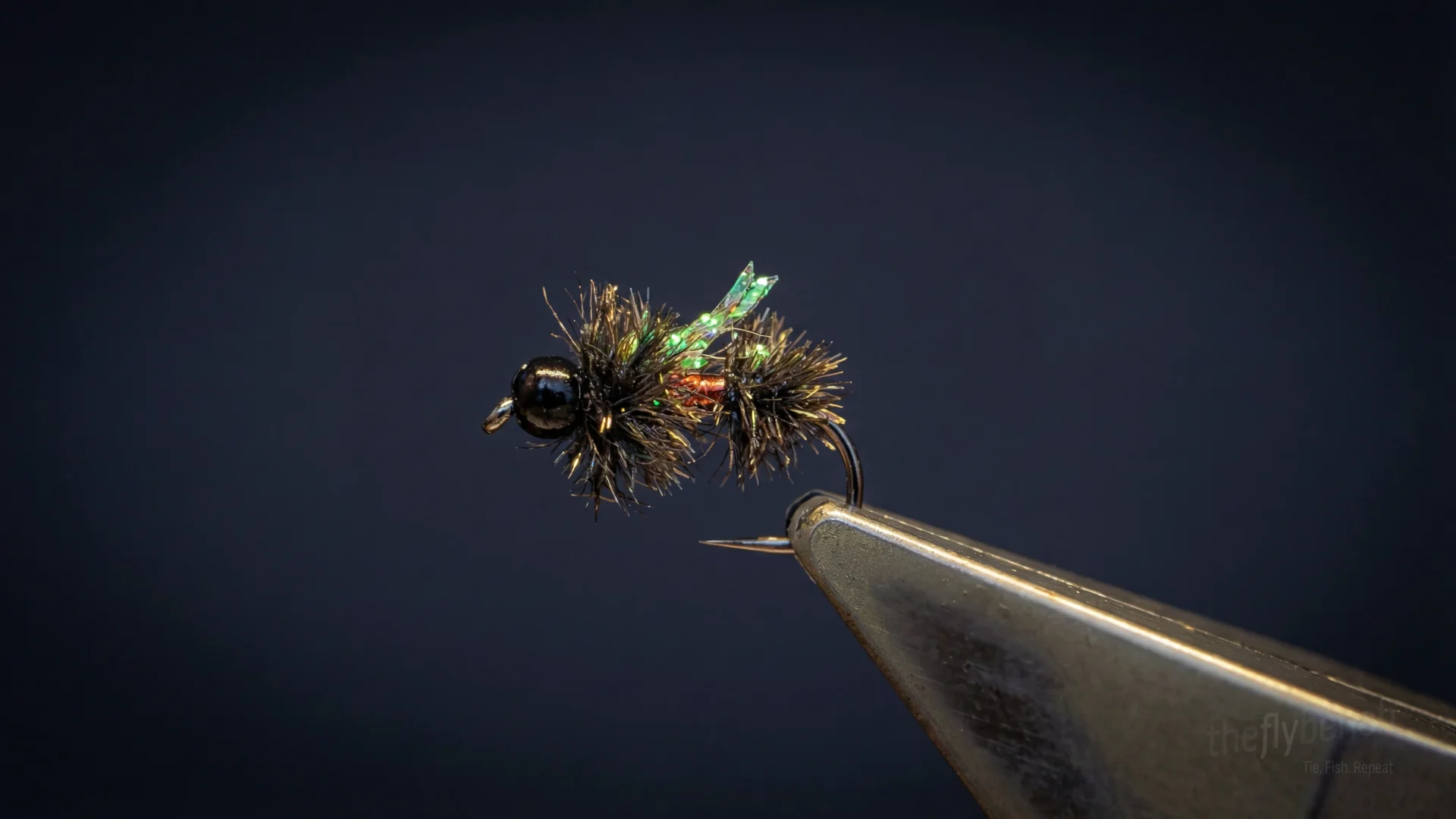
Marvin Nolte combined attractor elements with a practical dry fly design that floats well and attracts attention. The peacock herl body provides iridescence that catches light underwater and above, while red floss adds a hot spot trigger. White wing posts ensure visibility for the angler in broken water. This pattern works best when fish are actively feeding but not selective to a specific hatch, making it useful for pocket water exploration and afternoon prospecting.
Where to Buy This Fly
We only link to fly shops we trust. Some links are referral links, which may earn us a commission at no extra cost to you.
Materials
- Hook:
- TMC 3761 or 5262
- Thread:
- Black
- Weight:
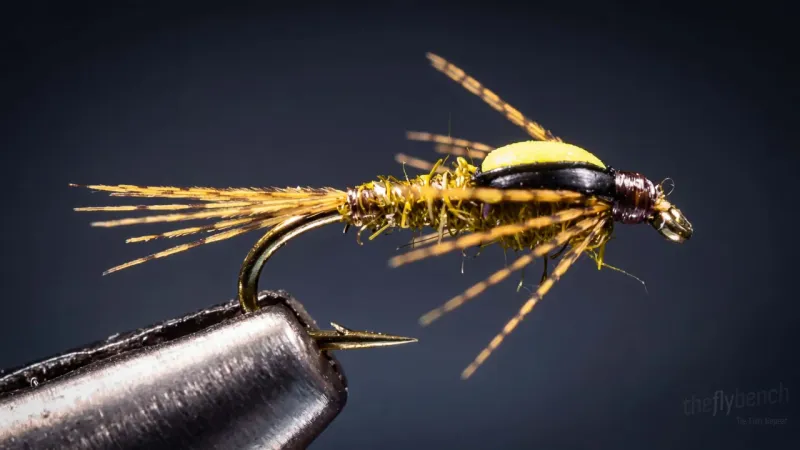
- 4-10 wraps .20" Lead Free Wire
- Tail/legs/antennae:
- BLK ORANGE Centipede Legs
- Body:
- Black Fine Chenille
Behavior & Presentation
Natural Behavior: Low-angle light during dawn and dusk periods reflects off insect wings and bodies, creating visual cues that help fish locate prey. Anglers use flashy patterns during these times because the enhanced visibility triggers takes when other senses are diminished.
Where Trout Eat It: Fish take surface-drifting adults throughout freestone streams, tailwaters, spring creeks, and along weed edges and drop-offs in lakes during low-light periods.
How to Fish It: Dead drift with drag-free float, adding occasional subtle twitches to suggest insect movement. The flashy body triggers takes even when no specific hatch occurs.
Best Water: Focus on riffles, runs, pocket water, current seams, and weed edges where fish feed opportunistically during hatches and throughout the day.
Strike Type: Watch for visible rises ranging from subtle sips to aggressive splashy eats depending on water speed and fish selectivity.
Fishing Strategy
Rigging Suggestions: Fish on a 9-12 foot leader with 4X-5X tippet (5-6 pound test). Apply floatant to maintain surface presentation. The bright materials make this fly easy to track in varied light conditions.
Seasonal Timing: Effective from April through October with peak performance during mayfly emergences in May through July and caddis activity from June through September. Fish during morning and evening hatch periods for best results.
Pro Tips: The royal coloration acts as an attractor in faster water where trout have limited time to inspect the fly. Sizes 12-16 are most effective. Excellent choice for pocket water fishing where visibility and buoyancy are critical.
Entomology
Twilight caddis hatches produce insects that glow faintly from light reflection off their wings and bodies in low-light conditions. Fish feeding in dim light rely on these subtle visual cues to locate and track prey when other sensory inputs are reduced.
- Order
- Trichoptera
- Common Name
- Caddisfly
- Organism Type
- insect
- Life Stage
- adult