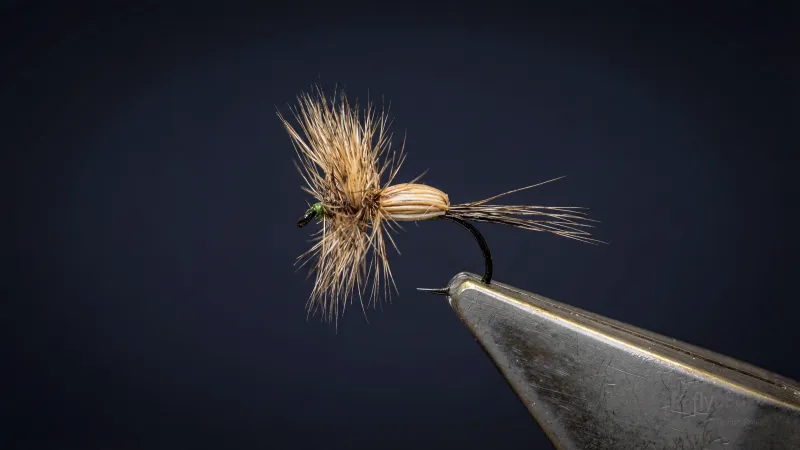
Dry FliesRazor Caddis
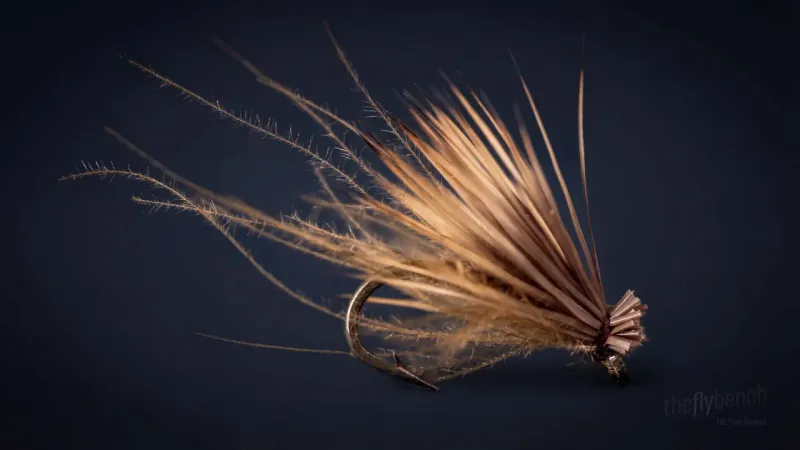
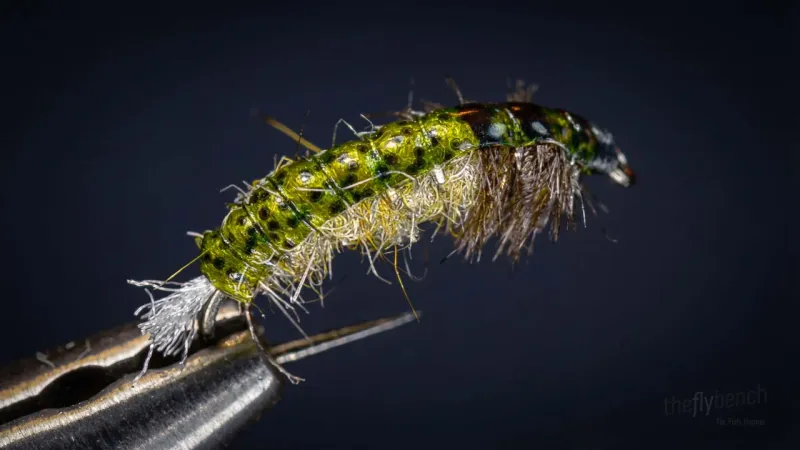
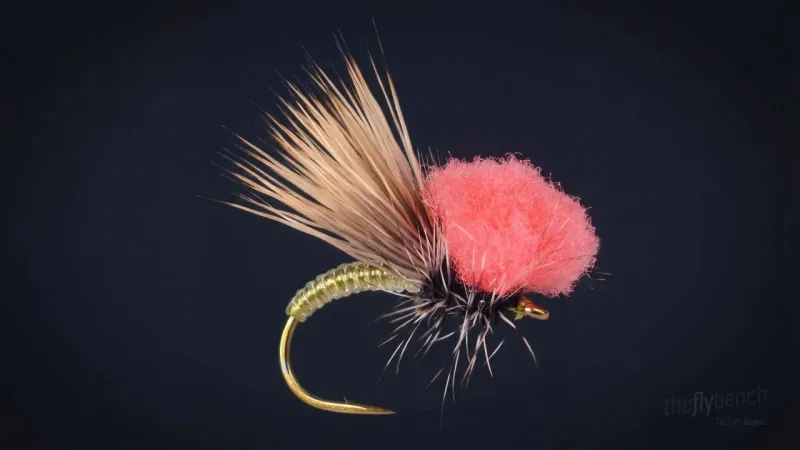
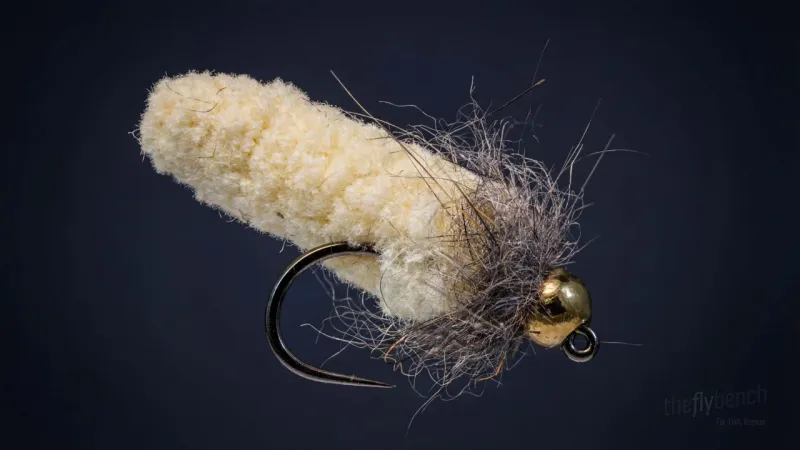
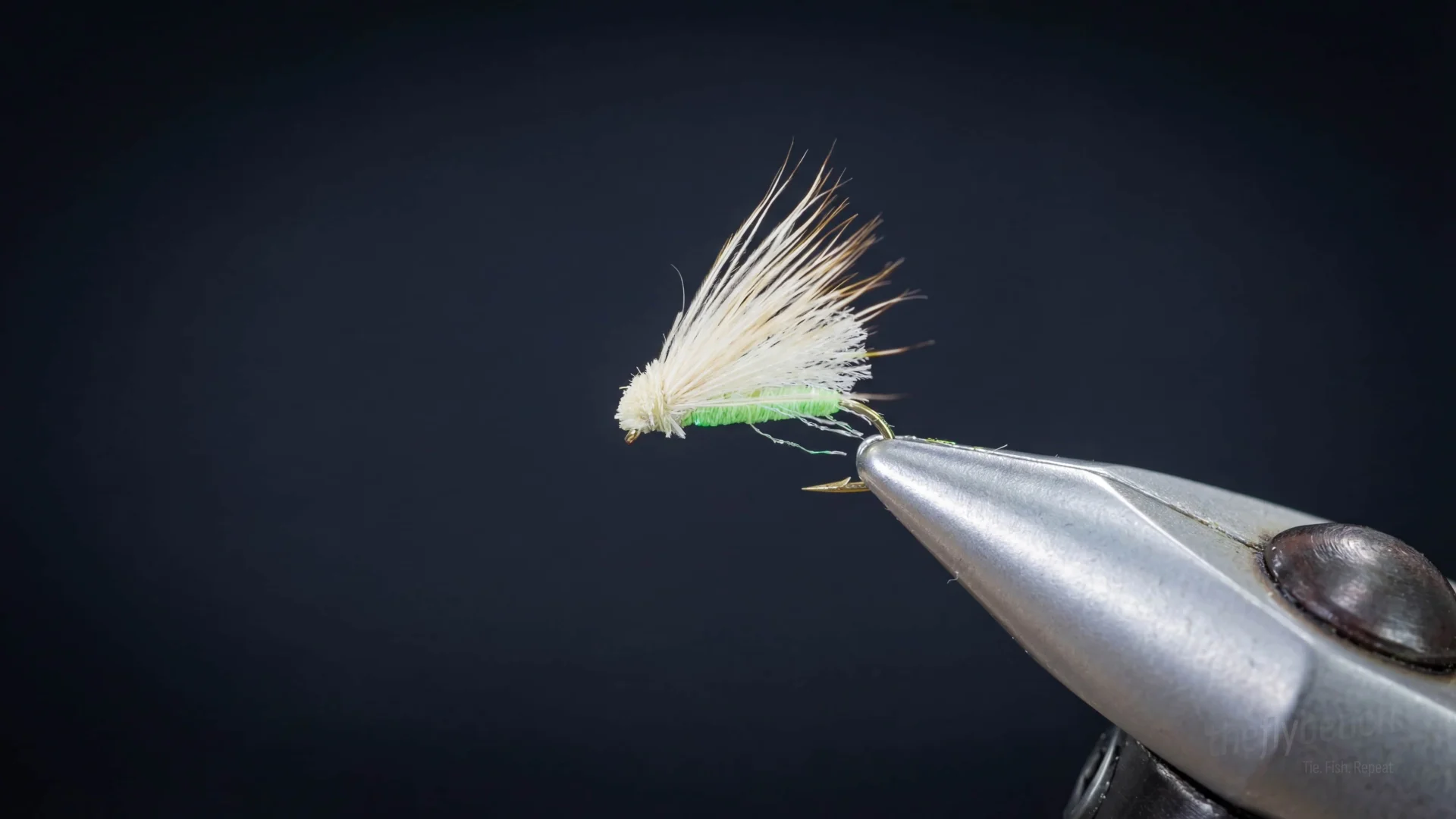
The Razor Caddis is an innovative foam-bodied caddis pattern that uses thin Razor Foam for a slim, realistic profile with excellent floatation. The combination of Micro Zelon underwing and deer hair overwing provides movement and visibility. Available in White Miller and Tan variations to match different caddis species.
Summer, Fall
Intermediate
Trout
Dec 2025
Overview
The Razor Caddis was developed at Blue Ribbon Flies using thin Razor Foam to create a more realistic caddis profile than traditional foam patterns. The White Miller variation matches the pale caddis common during evening hatches, while the Tan variation covers most tan-bodied species. The layered wing system adds movement and helps with visibility.
Where to Buy This Fly
We only link to fly shops we trust. Some links are referral links, which may earn us a commission at no extra cost to you.
Materials
- Hook:
- Tiemco 100 or Umpqua U001, #14-16
- Thread:
- Uni-Thread, 8/0, chartreuse (white miller) or rusty dun (tan)
- Body:
- Razor Foam, opaque chartreuse (white miller) or opaque tan (tan)
- Underwing:
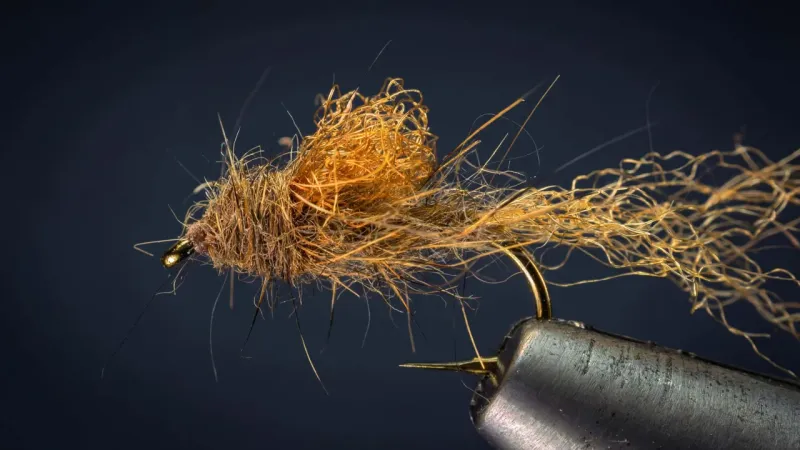
- Improved Micro Zelon, white (white miller) or amber (tan), plus pearl Krystal Flash
- Overwing:
- X Caddis Deer Hair, bleached (white miller) or natural (tan)
Behavior & Presentation
Natural Behavior: Adult caddis rest briefly on the surface between erratic flights or skitter across film while laying eggs, their tent-shaped wings creating distinctive profiles. These abundant insects emerge throughout warm months providing consistent surface feeding opportunities.
Where Trout Eat It: Trout feed confidently on adult caddis riding the surface throughout riffles, runs, and pocket water where foam patterns outperform traditional materials.
How to Fish It: Dead drift or skitter across the surface to imitate active egg-laying behavior. The Razor Foam body allows aggressive presentations without sinking even in choppy water.
Best Water: Focus on fast riffles, broken runs, and pocket water where traditional caddis patterns struggle to stay afloat.
Strike Type: Watch for aggressive splashy rises as trout commit to the skating or drifting caddis profile.
Fishing Strategy
Rigging Suggestions: Fish on 9-12 foot leader with 4X-5X tippet. The foam provides enough floatation to support a dropper nymph. No floatant needed on the foam body.
Seasonal Timing: Most effective from June through September during caddis emergences. The White Miller version excels at dusk when light-colored caddis are most active.
Pro Tips: Excellent visibility from the deer hair overwing and foam body. Unsinkable floatation from Razor Foam construction.
Entomology
Adult caddisflies rest on the surface between flights or while laying eggs, their tent-shaped wings creating a distinctive silhouette. Trout feed confidently on adult caddis because these abundant insects emerge throughout the season and their substantial size makes them worthwhile targets.
- Order
- Trichoptera
- Common Name
- Caddisfly
- Organism Type
- insect
- Life Stage
- adult