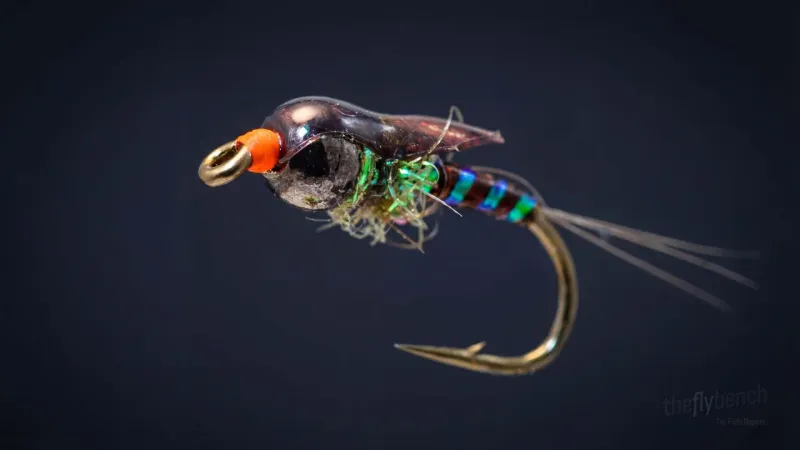
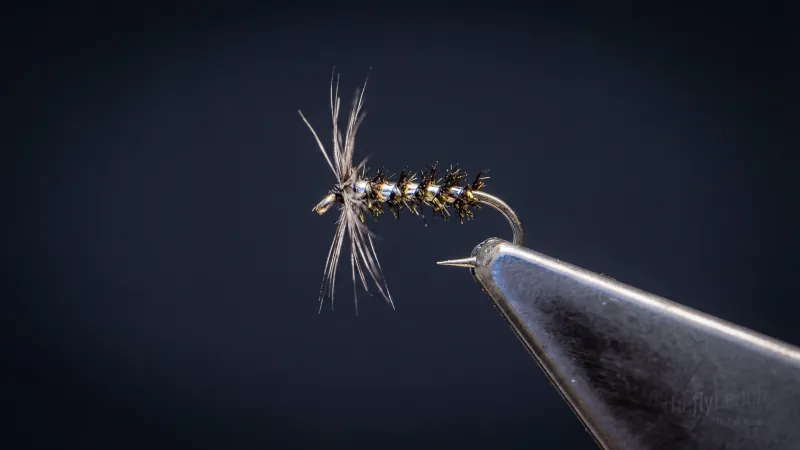
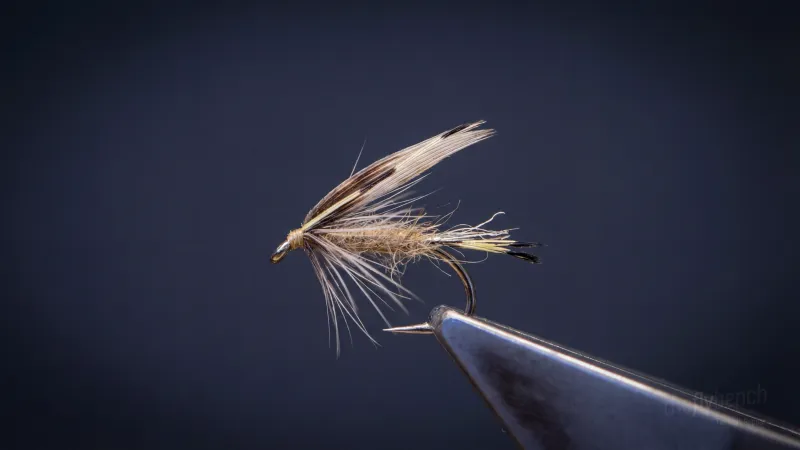
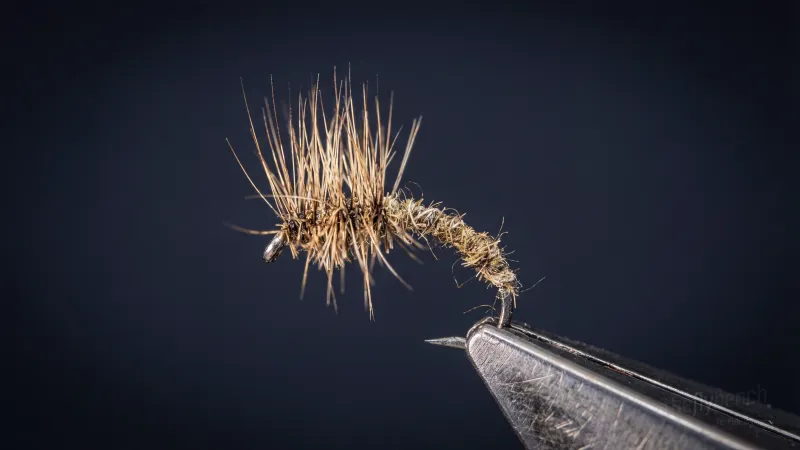
Dry FliesPurple Bi-Visible
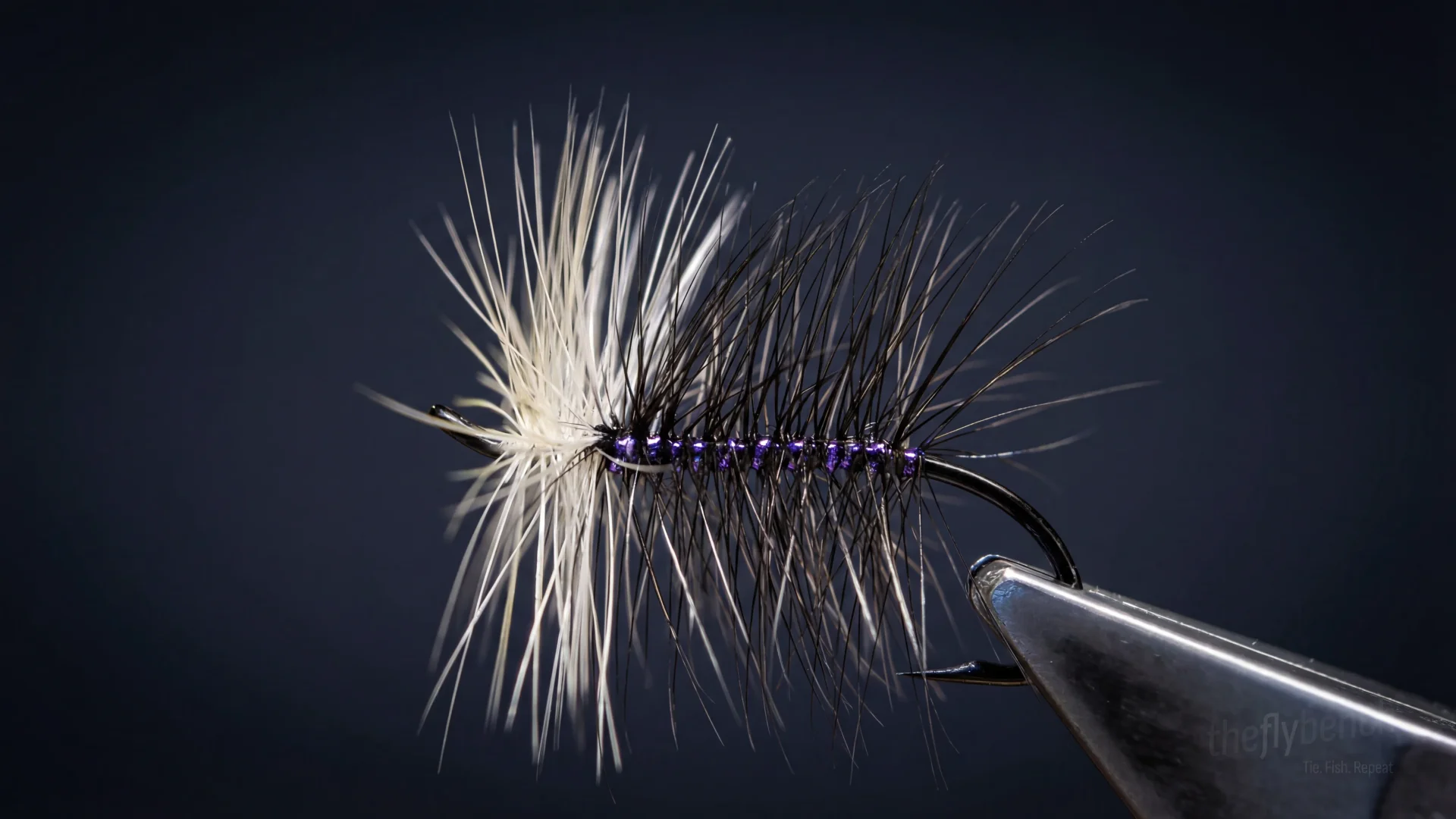
The Purple Bi-Visible is a dry fly pattern designed by Harald Weidler. This effective pattern works well in a variety of water conditions and is tied with traditional materials for a proven presentation.
Spring, Summer, Fall
Intermediate
Trout
Feb 2026
Overview
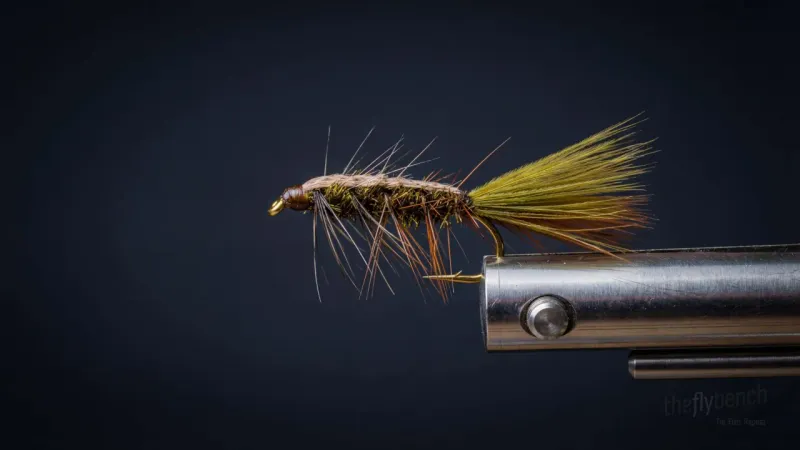
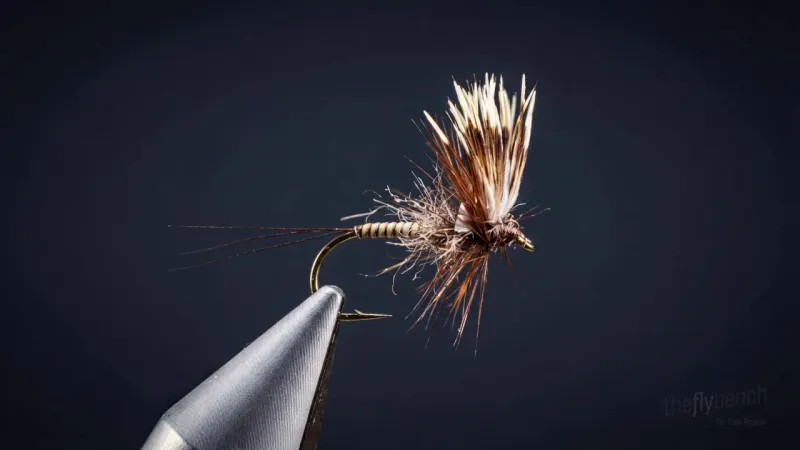
Harald Weidler's bi-visible pattern features contrasting hackle colors that create exceptional visibility for the angler while maintaining an attractive silhouette for fish. The two-tone hackle design originated from attractor patterns used in fast water and low light conditions. Purple core with white front hackle allows anglers to track the fly through choppy runs and riffles. The high floating design works well as a dry dropper rig anchor or searching pattern in pocket water.
Where to Buy This Fly
We only link to fly shops we trust. Some links are referral links, which may earn us a commission at no extra cost to you.
Materials
- Hook:
- Partridge Low Water Salmon #8
- Thread:
- Gudebrod 8/0, white
- Hackle:
- Cock saddle, white
- Rib:
- Gutermann Sulky Metallic #8050 (purple)
- Body:
- Produce bag ribbon, purple
Behavior & Presentation
Natural Behavior: Adult caddisflies rest on the water between ovipositing dives, riding high on their legs with wings folded tent-like over their backs. Their prominent silhouette and periodic movements draw visual strikes from fish scanning the surface for substantial floating prey.
Where Trout Eat It: Trout strike this high-contrast attractor in choppy runs, pocket water, and fast riffles where the two-tone hackle remains visible through turbulent surface. Fish key on the prominent silhouette in low light conditions and broken water where visibility matters most.
How to Fish It: Dead drift through pocket water and riffles, using the white front hackle for visual tracking. The high floating design allows for confident presentations in choppy water, and works well with occasional skittering at the end of drifts to trigger aggressive strikes.
Best Water: Excels in pocket water, choppy runs, and riffle edges where visibility is challenging in European waters. The pattern works as a dry dropper anchor in fast water and as a searching pattern through broken current seams where two-tone design aids tracking.
Strike Type: The white front hackle vanishes in splashy takes through choppy water. Strikes register visually before you feel tension, allowing confident hook sets in turbulent surface.
Fishing Strategy
Rigging Suggestions: Use a 9-12 foot leader tapering to 5X tippet for delicate presentations. Apply floatant to the body and hackle.
Seasonal Timing: Most effective during peak feeding periods at dawn and dusk. Water temperatures between 45-65°F typically produce best results.
Pro Tips: Floats well with proper floatant application. The natural materials provide good visibility without spooking wary fish.
Entomology
Adult caddisflies rest on the water between ovipositing dives, riding high on their legs with wings folded tent-like over their backs. Their prominent silhouette and periodic movements draw visual strikes from fish scanning the surface for substantial floating prey.
- Order
- Trichoptera
- Common Name
- Caddisfly
- Organism Type
- insect
- Life Stage
- adult