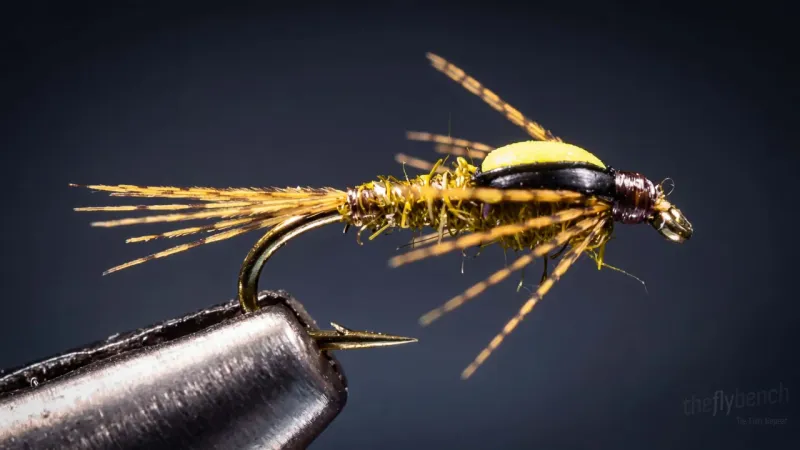
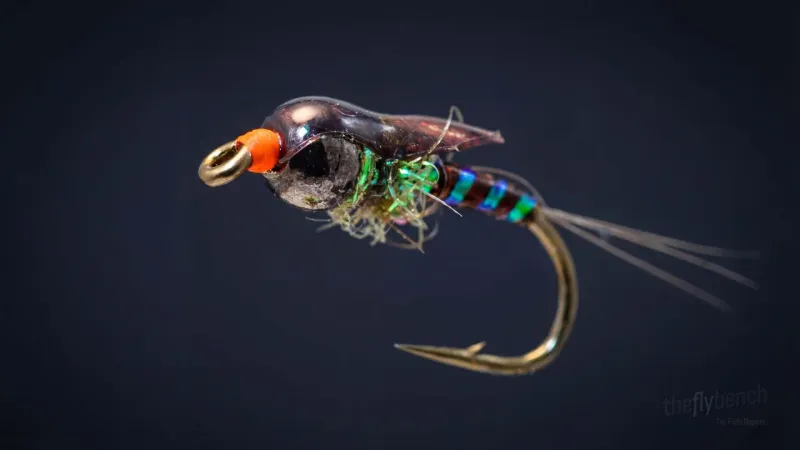
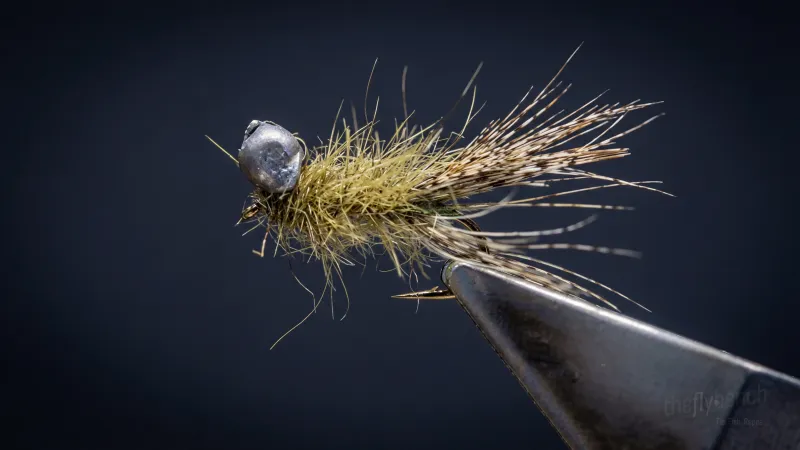
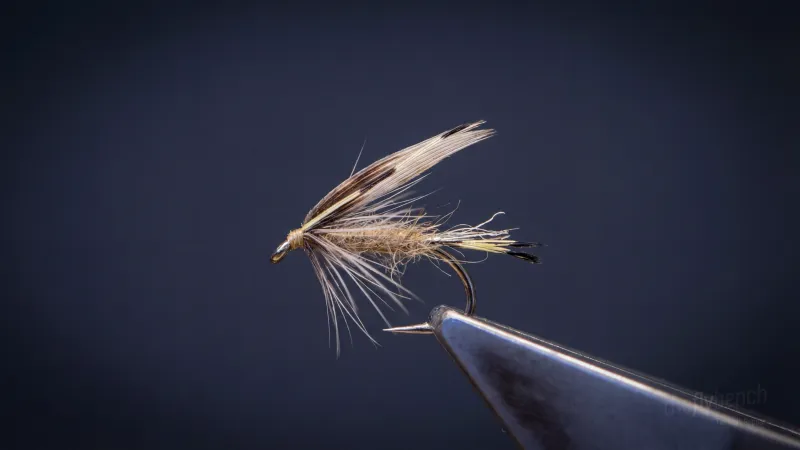
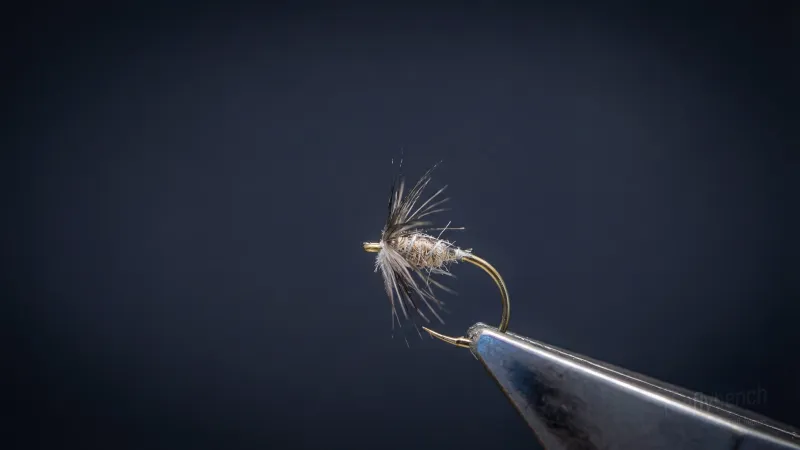
Dry FliesED (Ephemera Danica)
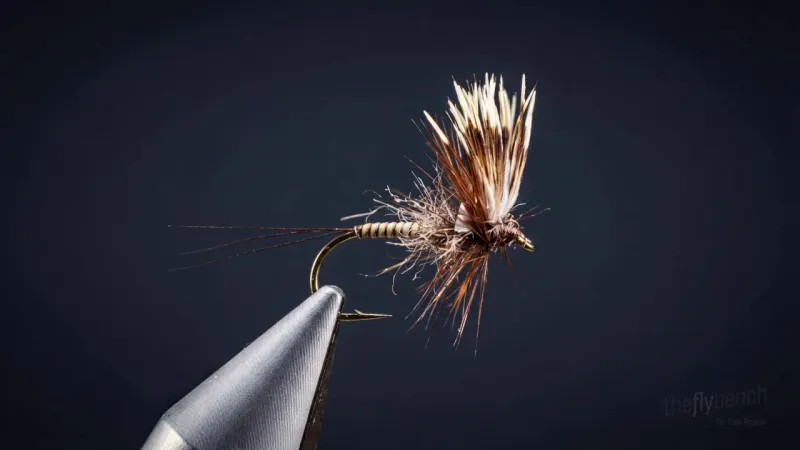
The ED (Ephemera Danica) is a dry fly pattern designed by Rodney Hobbs. This effective pattern combines traditional materials with proven techniques for consistent results in a variety of water conditions.
Spring, Summer, Fall
Intermediate
Trout
Feb 2026
Overview
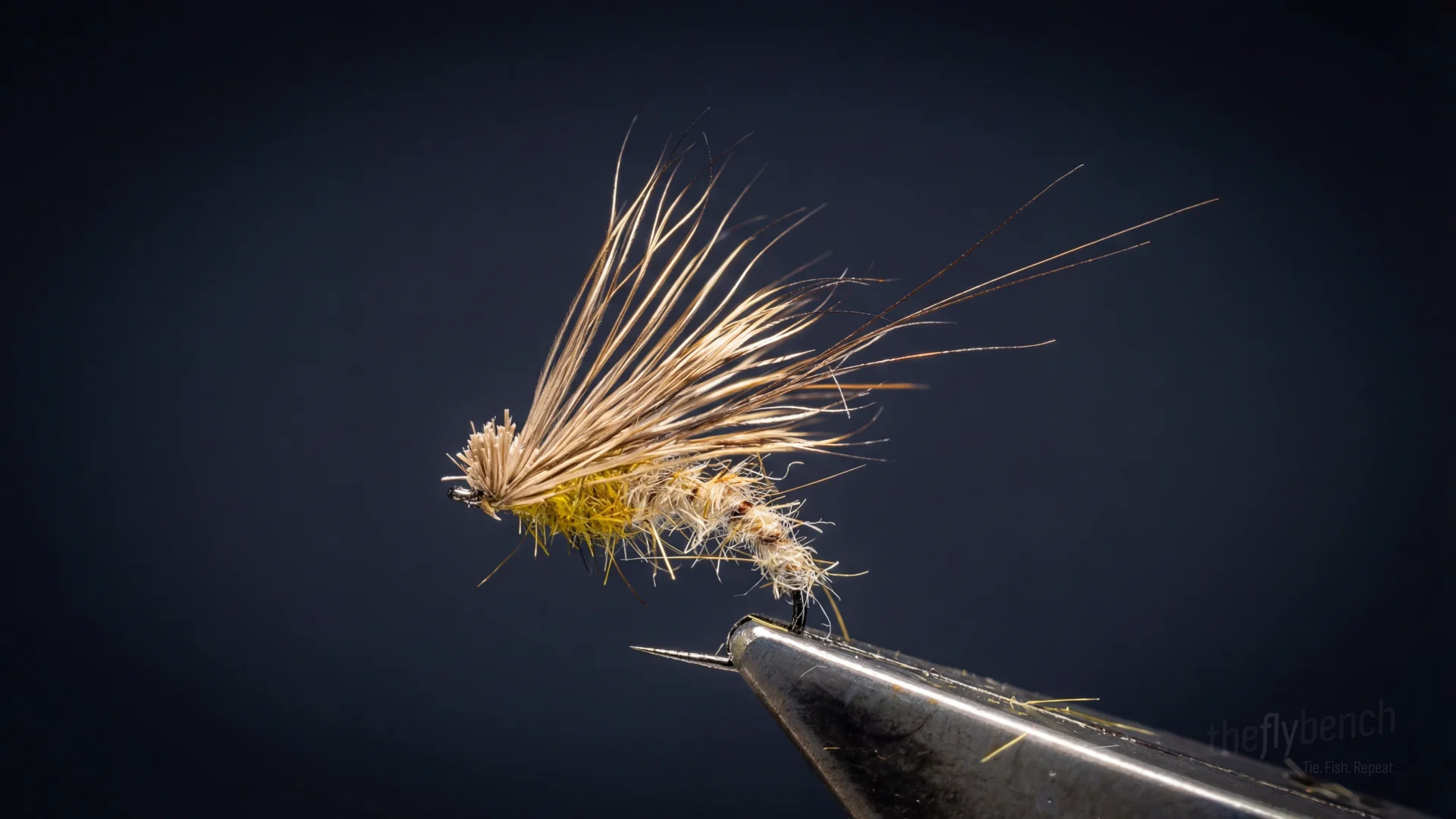
Rodney Hobbs created this pattern specifically to match Ephemera danica, the large European mayfly. The design incorporates extended body construction and oversized wings that replicate the substantial profile of these impressive insects. The detailed abdomen segmentation and carefully proportioned tails enhance realism during the brief but intense hatches. The robust construction accommodates the aggressive takes common when large trout target these substantial mayflies during their emergence windows.
Where to Buy This Fly
We only link to fly shops we trust. Some links are referral links, which may earn us a commission at no extra cost to you.
Materials
- Hook:
- Grip 14723BL #12
- Thread:
- Benecchi 12/0, tan
- Rib:
- Uni-thread 6/0, brown - doubled and twisted
- Abdomen:
- CDC dubbing, light tan
- Tail:
- Muskrat, guardhair and underfur - sparse
- Thorax:
- Argentinean hair, dark grey and dark olive - mixed
- Wing/head:
- Deer hair, dyed olive/grey
Behavior & Presentation
Natural Behavior: Large Ephemera danica mayflies drift with wings held vertically upright after emergence, their substantial cream-colored bodies and long tails creating an unmistakable profile on European chalk streams. The extended body construction and oversized deer hair wings replicate the impressive size and sail-like drift of these premium mayflies.
Where Trout Eat It: Trout rise confidently to large mayfly duns floating in chalk stream glides and smooth pool surfaces, focusing on slow-drifting sections where danicas accumulate.
How to Fish It: Cast well upstream of rising fish to allow fly to settle naturally into feeding lane, using long delicate casts with abundant slack.
Best Water: Chalk stream glides with smooth current and meadow stream pool flats. Target back eddies near weed beds where large duns collect.
Strike Type: Big trout rise confidently to large mayflies with head-and-tail porpoising rises or aggressive surface boils; wait to see the fly disappear before setting.
Fishing Strategy
Rigging Suggestions: Use a 9-12 foot leader tapering to 5X tippet for delicate presentations. Apply floatant to the body and hackle.
Seasonal Timing: Most effective during peak feeding periods at dawn and dusk. Water temperatures between 45-65°F typically produce best results.
Pro Tips: Time fishing to coincide with peak emergence periods. The pattern's large profile and high visibility make it an attractor even outside specific hatches.
Entomology
Large mayflies ride the surface with wings upright after emergence, drifting considerable distances while their exoskeletons harden and wings fully expand before attempting first flight. Trout recognize these substantial insects as high-value meals, rising confidently to large adults that sail predictably in slower current lanes.
- Order
- Trichoptera
- Common Name
- Caddisfly
- Organism Type
- insect
- Life Stage
- adult