Dry FliesJacobpattern
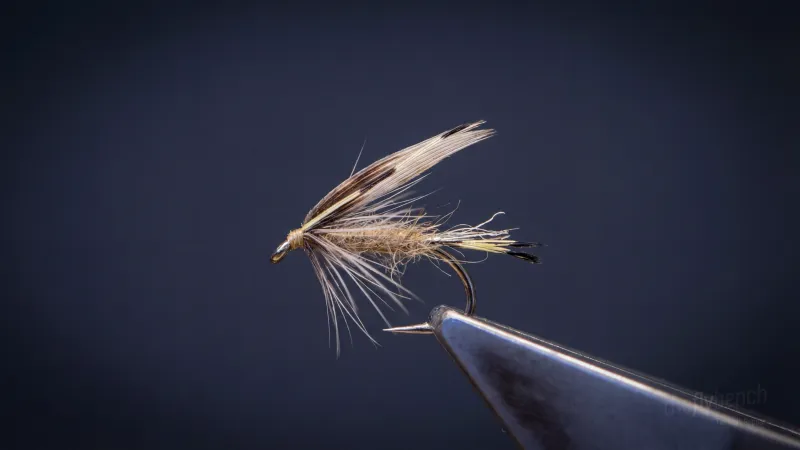
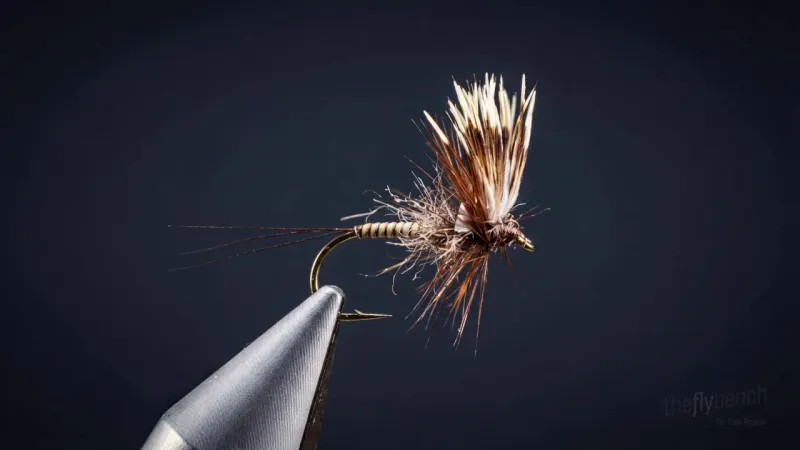
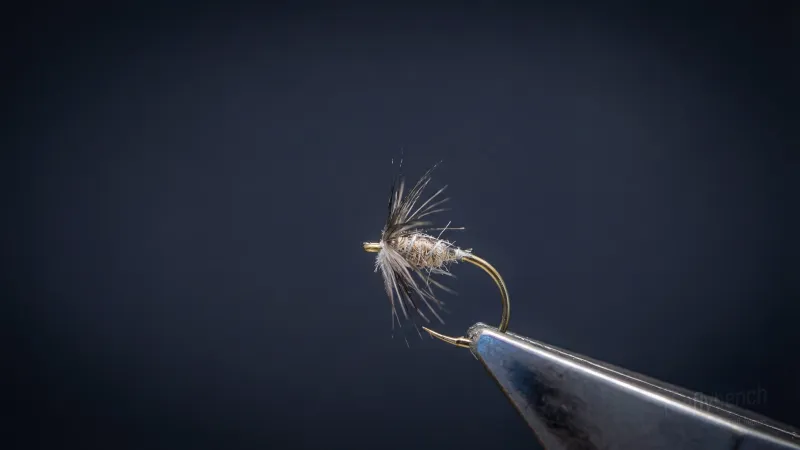
Pierre Mouchel's versatile dry fly features unique wing configuration and precise proportioning. Emphasizes visibility and durability while maintaining clean profile on water. Balances traditional European dry fly techniques with practical innovations for extended use across multiple insect profiles.
Spring, Summer, Fall
Intermediate
Trout
Feb 2026
Overview
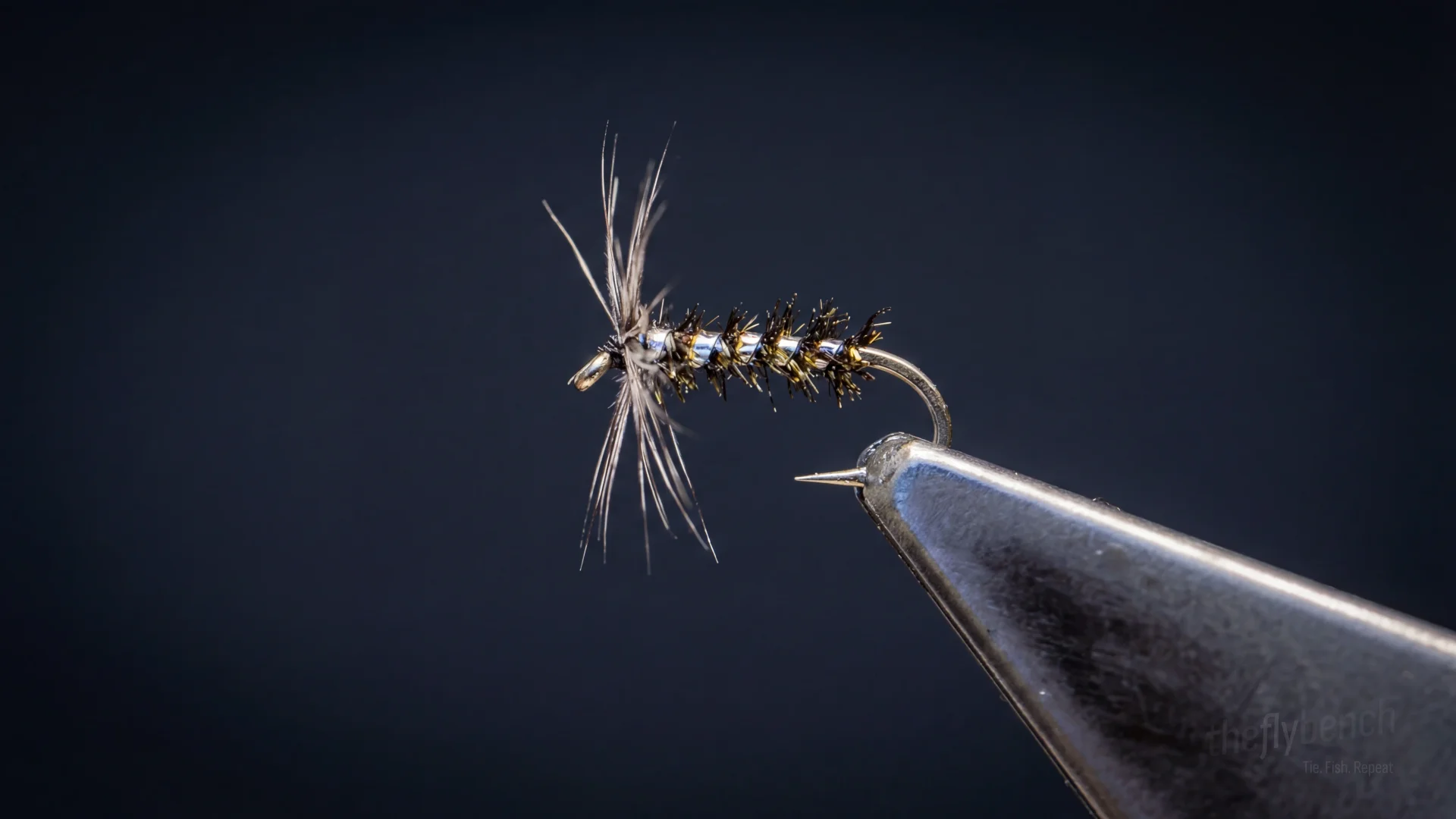
Pierre Mouchel's versatile dry fly design features a unique wing configuration and precise proportioning. The pattern emphasizes visibility and durability while maintaining a clean profile on the water. Its construction balances traditional European dry fly techniques with practical innovations for extended use. Effective across multiple insect profiles due to its adaptable silhouette and reliable floating characteristics in varied current speeds.
Where to Buy This Fly
We only link to fly shops we trust. Some links are referral links, which may earn us a commission at no extra cost to you.
Materials
- Hook:
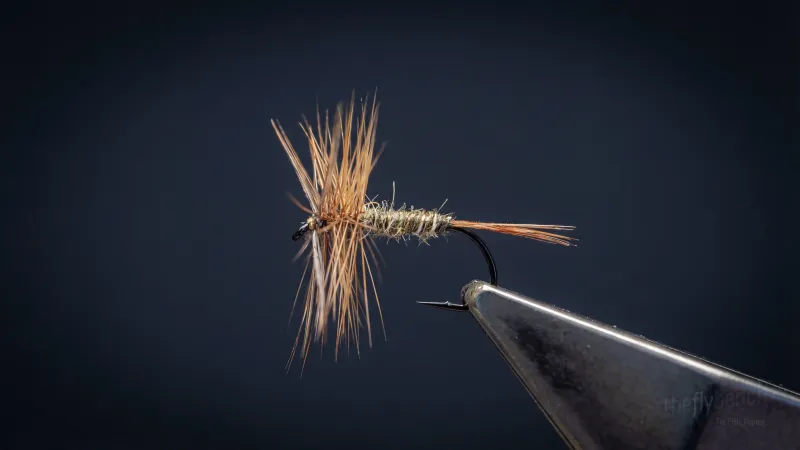
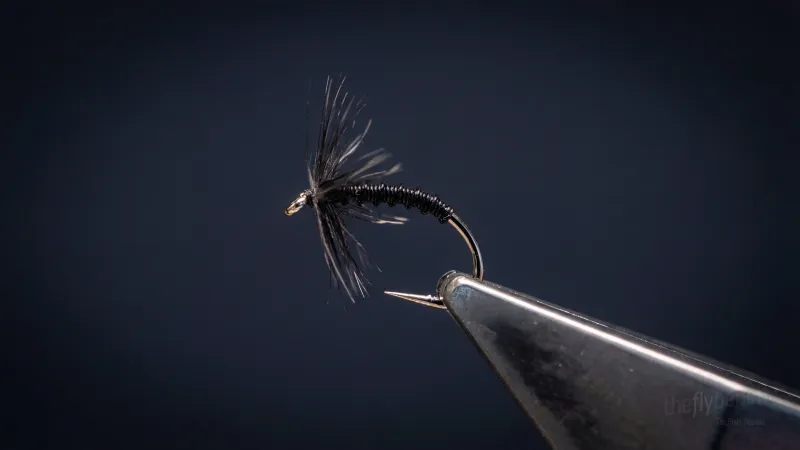
- Dry fly hook #20-28
- Thread:
- Benecchi 12/0, black
- Hackle:
- Whiting cock, grizzly
- Body:
- Peacock herl, fine
- Rib:
- Holographic silver tinsel
Behavior & Presentation
Natural Behavior: Adult caddis rest on the surface film between ovipositing runs, wings folded tent-like while drifting in slower currents near eddies and banks. Trout sip these resting insects leisurely because they represent low-energy feeding opportunities in concentrated drift lines that funnel multiple insects past holding stations.
Where Trout Eat It: Trout sip resting caddis adults in European stream eddies near banks, targeting tent-winged insects after ovipositing.
How to Fish It: Maintain long European-style leader drift, relying on unique wing configuration for visibility in slow bank eddies.
Best Water: Target bank-side eddies with gentle back-current, slow drift lines adjacent to main flow, and foam accumulation zones.
Strike Type: The unique wing configuration creates a distinctive silhouette that produces confident sipping rises in slow bank eddies. Strikes appear as gentle surface dimples during prolonged drifts through European-style dead-drift presentations.
Fishing Strategy
Rigging Suggestions: Fish on 10-14 foot leader with 4X-5X tippet. European dry fly approach emphasizes long leaders and delicate presentation for natural drift.
Seasonal Timing: Most effective during hatches April through June and activity July through August when water temperatures range 50-65°F. European dry fly techniques work best during morning and evening feeding periods.
Pro Tips: Unique wing configuration provides visibility while maintaining clean profile. The durable construction withstands extended use through multiple fish, making it practical choice for full-day fishing sessions.
Entomology
Adult caddis rest on the surface film between ovipositing runs, wings folded tent-like over their backs while drifting in slower currents near eddies and banks. Trout sip these resting insects leisurely because they represent low-energy feeding opportunities that require minimal effort, and the concentrated drift lines funnel multiple insects past holding stations.
- Order
- Trichoptera
- Common Name
- Caddisfly
- Organism Type
- insect
- Life Stage
- adult