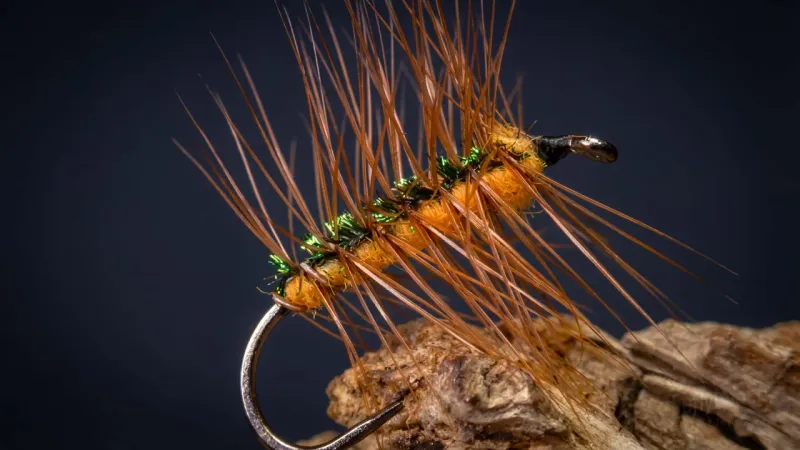
NymphGartside's Sparrow
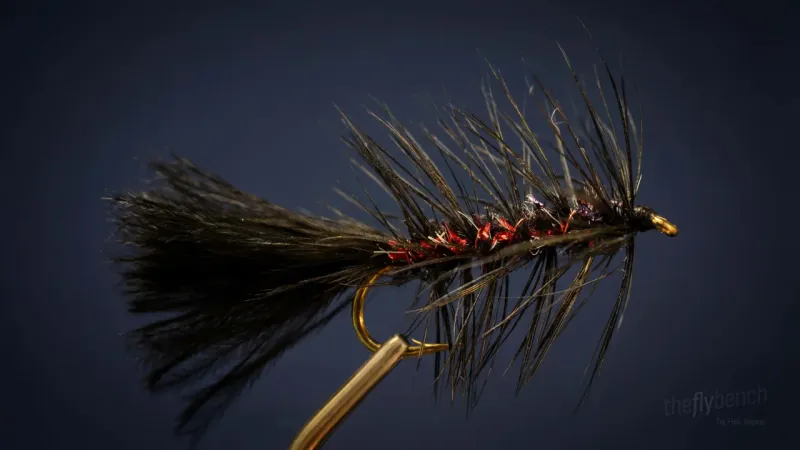
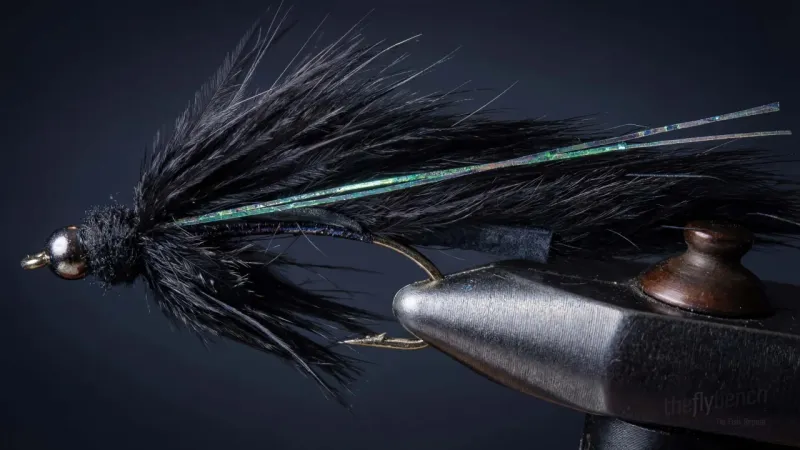
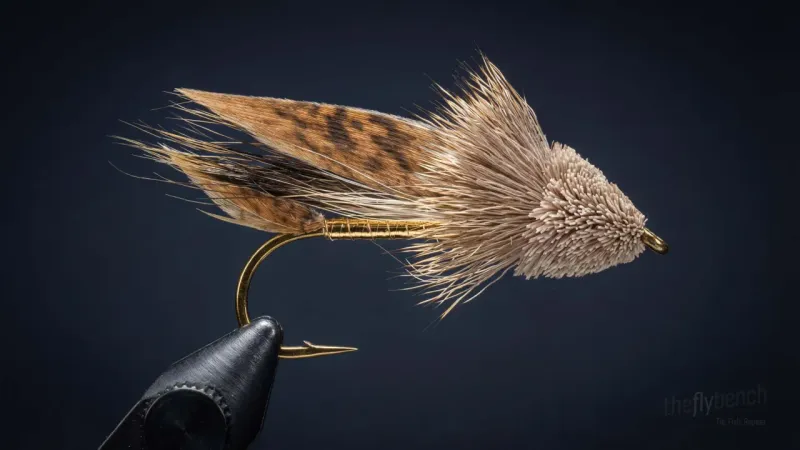
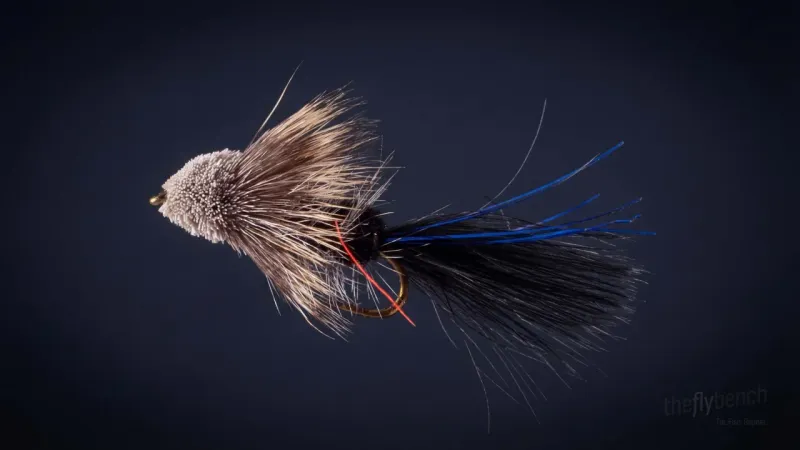
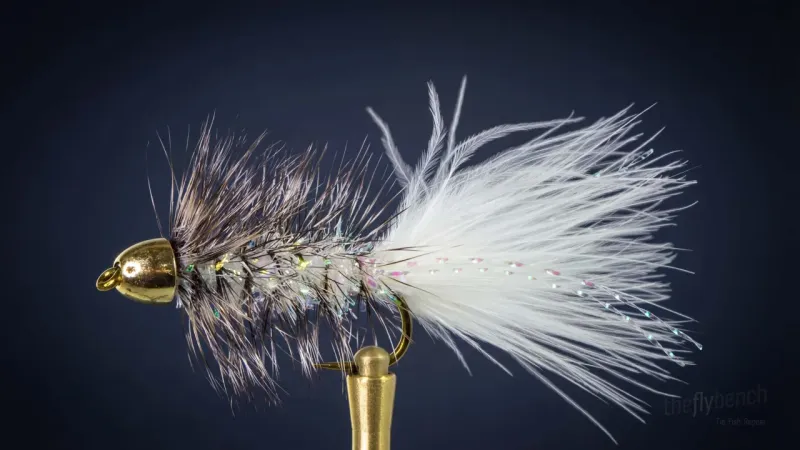
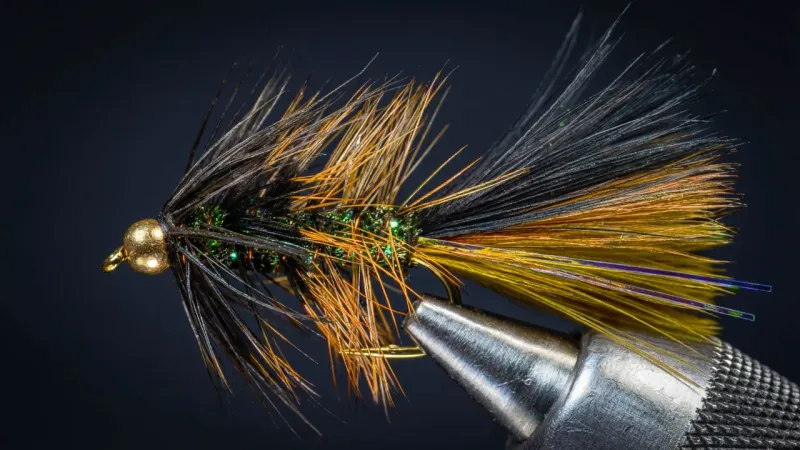
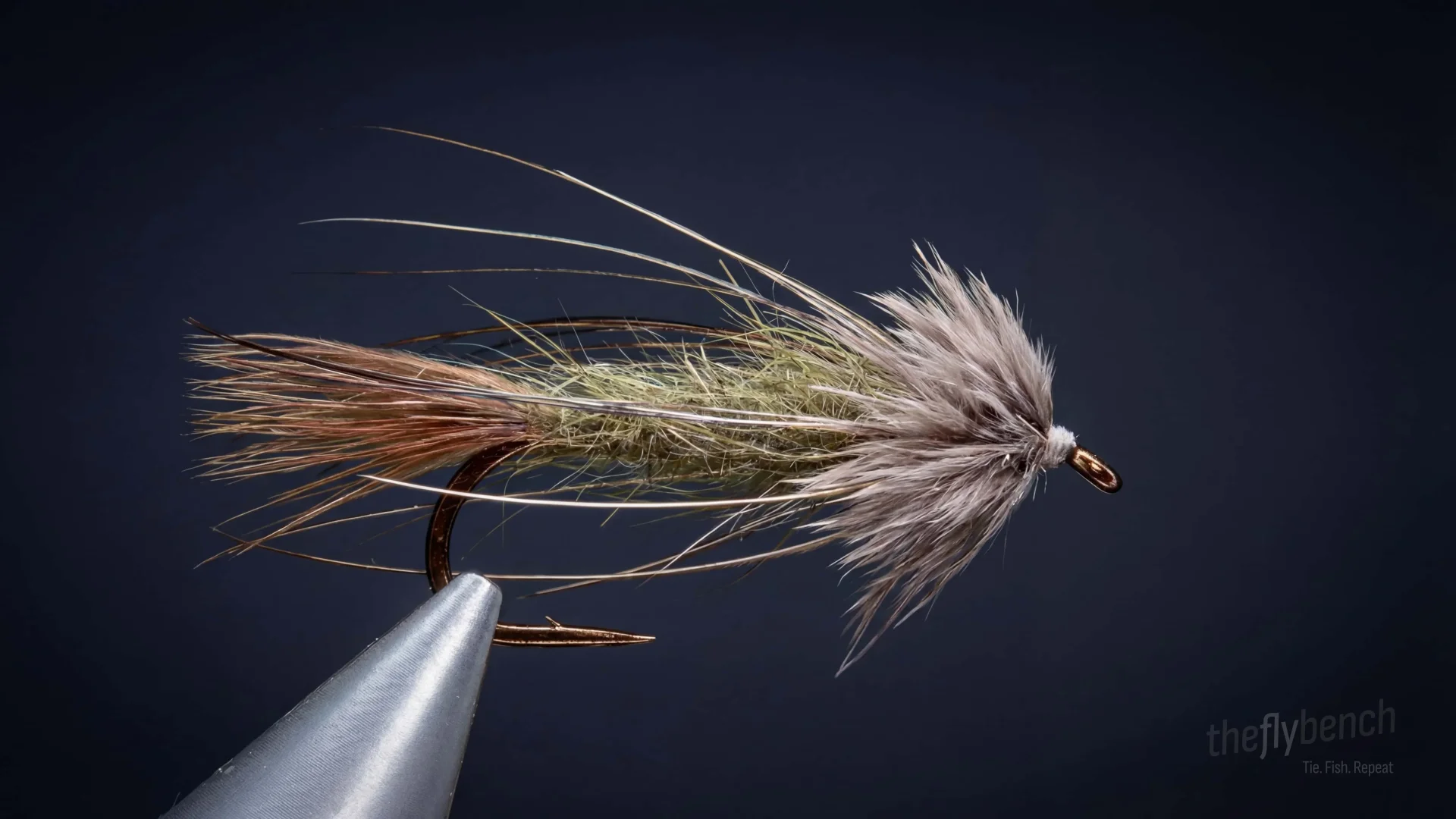
Gartside's Sparrow is Jack Gartside's best-known pattern from the early 1970s, originally designed as a soft hackle muddler minnow. Over the years, this versatile fly has proven itself as an excellent all-round subsurface pattern that can imitate various food sources. The combination of rabbit and squirrel dubbing with pheasant marabou tail and spey hackle creates a buggy, lifelike profile that attracts fish in diverse conditions.
Year Round
Intermediate
Trout, Bass
Nov 2025
Overview
Designed by legendary fly tyer Jack Gartside, this pattern exemplifies his philosophy of creating simple, effective flies with natural movement. The blended dubbing of rabbit, squirrel, and Antron creates a buggy body with excellent water absorption and natural color variation. The pheasant components provide lifelike movement and subtle barring that imitates segmentation. While originally conceived as a streamer pattern, the Sparrow functions equally well as a large nymph or searching pattern.
Materials
Hook: Mustad R73 Streamer, #4–#14
Thread: Sheer 14/0, grey
Tail: Pheasant marabou feather
Body: Rabbit and squirrel blended with Antron
Hackle: Pheasant spey hackle
Collar: Pheasant after-shaft feather
Behavior & Presentation
Natural Behavior: Bottom-dwelling baitfish and crayfish disturb sediment as they forage, creating visible movement and scent trails that attract predatory attention while their irregular motion patterns suggest vulnerability. Fish target these organisms because their substrate-oriented behavior makes them predictable and accessible, especially when current or hunting pressure forces them into open water.
Where Trout Eat It: Bottom to mid-column in deeper runs, pools, undercut banks in rivers, weed edges, drop-offs, and rocky structure in lakes. Particularly productive in water 2-8 feet deep.
How to Fish It: Fish with a slow, twitching retrieve to imitate swimming baitfish or crawling nymphs because this matches their irregular motion patterns. Can be dead drifted along the bottom like a large nymph or stripped actively like a streamer. Vary retrieve speed based on water temperature and fish activity. In lake, use a hand-twist or figure-eight retrieve with occasional pauses because this mimics foraging behavior.
Best Water: Deeper runs, pools, undercut banks in rivers and streams, weed edges, drop-offs, rocky structure in lakes and ponds. Most effective in water 2-8 feet deep.
Strike Type: Steady pull-down or line draw as trout intercept the drifting or stripped pattern. Feel for weight or line acceleration. Strip-set on takes.
Fishing Strategy
Rigging Suggestions: Use 7.5-9ft 2X-4X tippet depending on hook size. Can be fished alone or as the lead fly in a two-fly nymph rig. Add split shot 12-18 inches above the fly to reach depth quickly in faster current. In lake, fish on floating or intermediate line with long leader. Works well swung on a downstream presentation.
Seasonal Timing: Year-round pattern with particular effectiveness during spring and fall when larger food sources are active because fish seek high-calorie meals during these periods. Productive in both warm and cold water temperatures. Most effective in low-light conditions (dawn, dusk, overcast days) or slightly off-color water. Particularly productive after high water events when baitfish and crayfish are displaced.
Pro Tips: Sinks at moderate rate due to water-absorbent dubbing materials. The natural earth tones blend well in most water conditions while the marabou tail provides fish-attracting movement. The spey hackle creates a breathing, pulsing action that triggers strikes. Excellent searching pattern when you're unsure what fish are feeding on.
Entomology
Bottom-dwelling baitfish and crayfish disturb sediment as they forage, creating visible movement and scent trails that attract predatory attention while their irregular motion patterns suggest vulnerability. Fish target these organisms because their substrate-oriented behavior makes them predictable and accessible, especially when current or hunting pressure forces them into open water.
- Organism Type
- baitfish
- Life Stage
- general