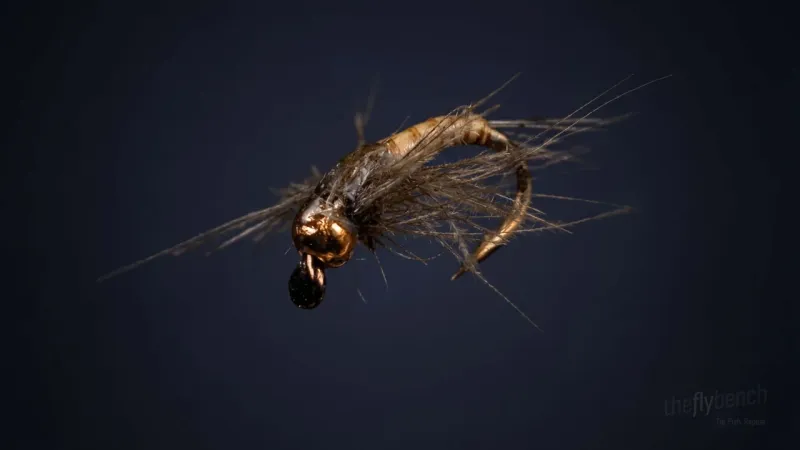
NymphMop n Glo
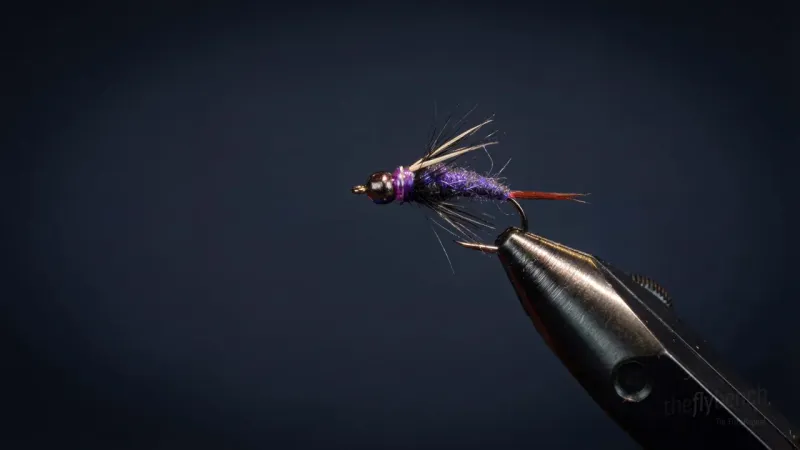
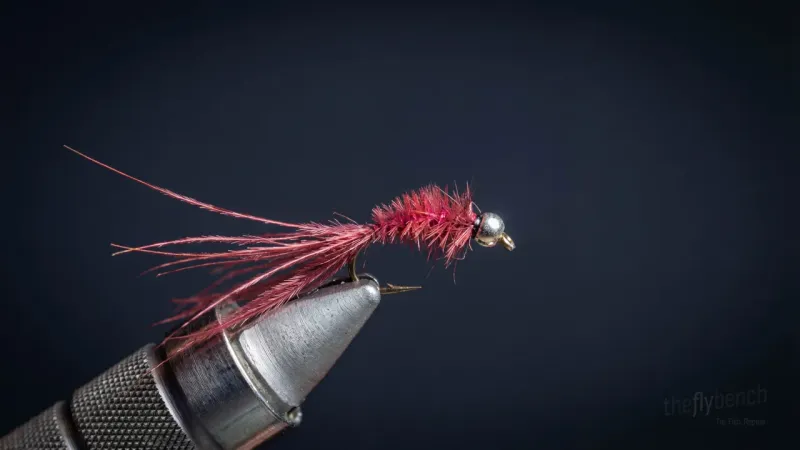
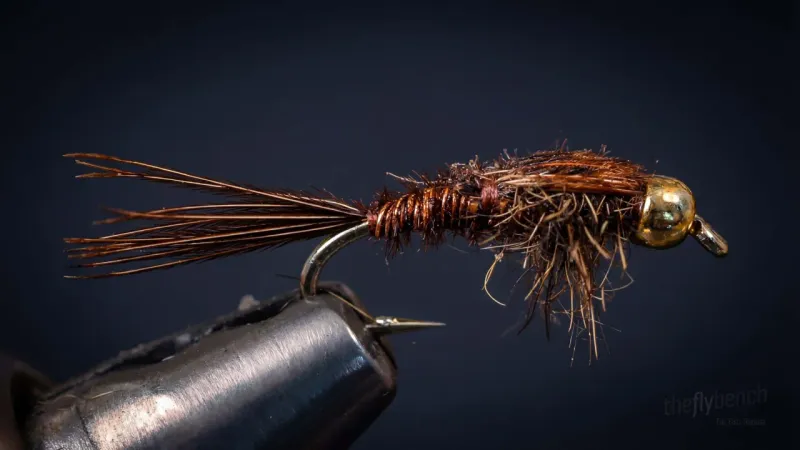
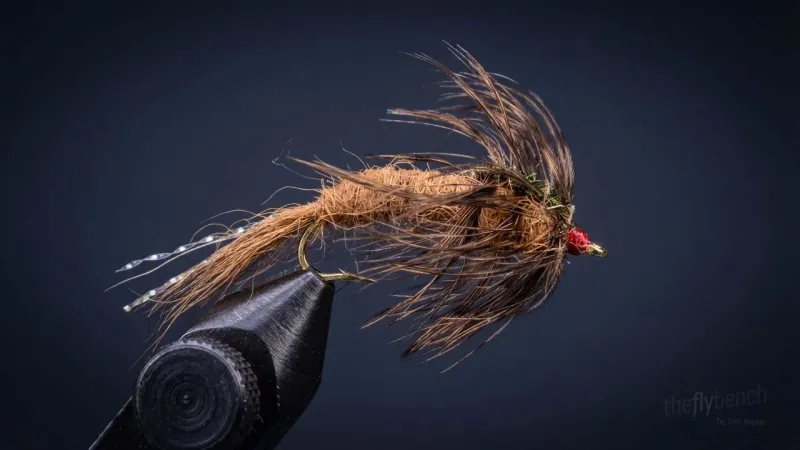
The Mop n Glo is a vividly colored nymph that's highly effective at attracting attention underwater. Its unique design mimics the appearance of various larvae and nymphs, making it a versatile choice for many fishing conditions.
Spring, Summer, Fall
Beginner
Trout
Apr 2025
Overview
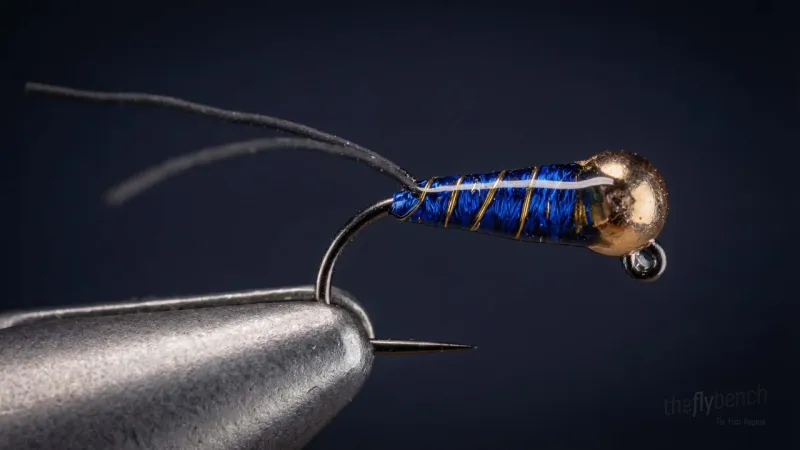
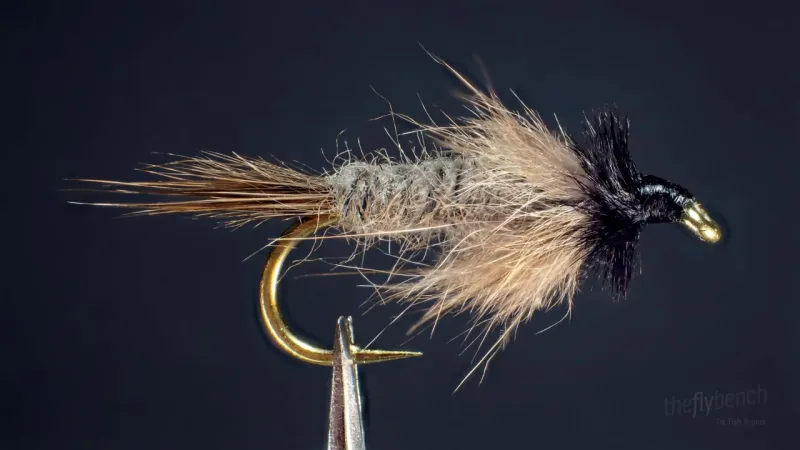
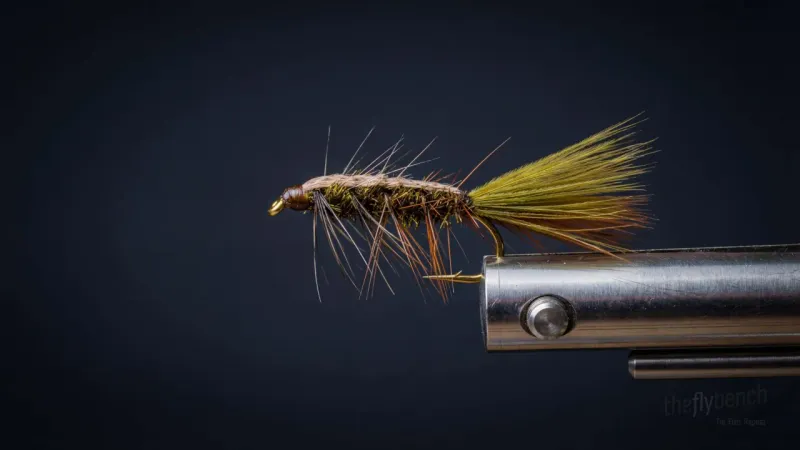
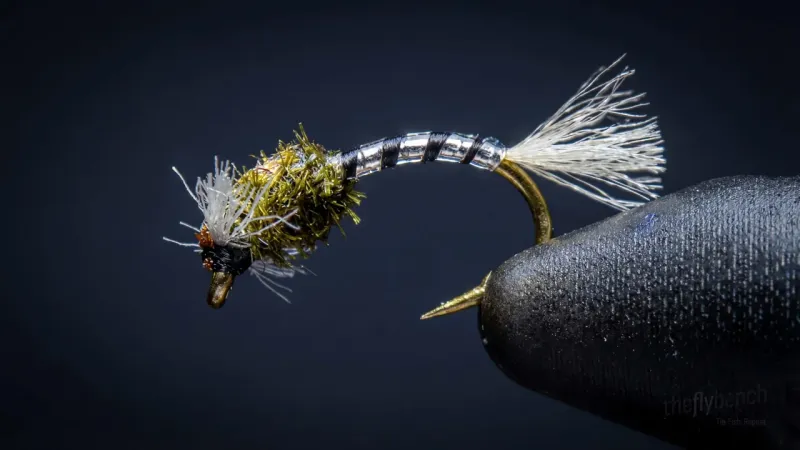
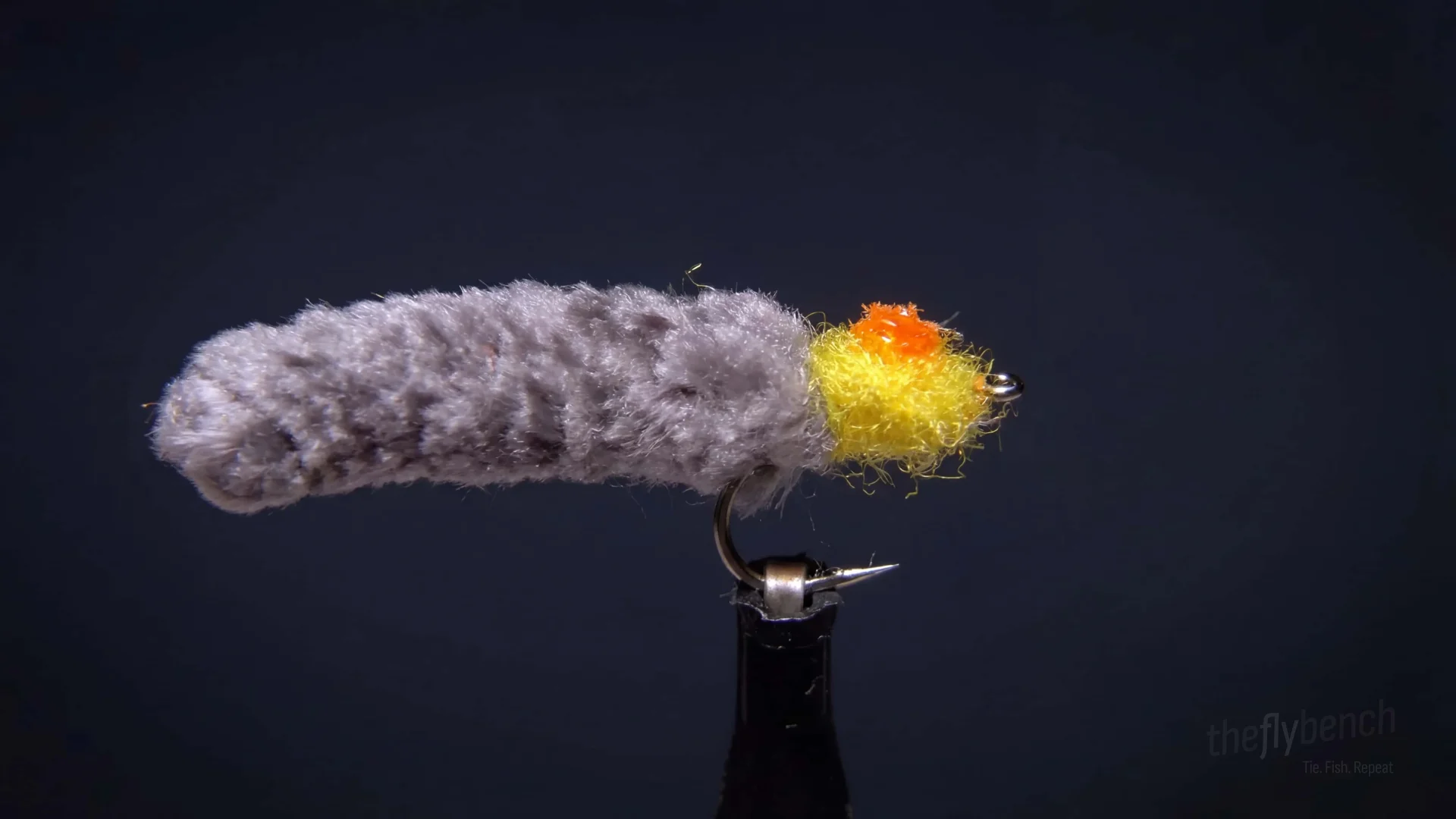
A Euro-style mop fly with a chartreuse or pink microfiber body, tungsten bead, and flashy collar (like ice dub or hotspot dubbing). It sinks fast and works well as an anchor fly in tight-line rigs, especially in high or dirty water.
Where to Buy This Fly
We only link to fly shops we trust. Some links are referral links, which may earn us a commission at no extra cost to you.
Materials
- Hook:
- Emerger hook (here a Dai-Riki 125), size 14
- Thread:
- 8/0 or 70 Denier, fluorescent orange
- Body:
- Mop segment
- Blood dot:
- Antron Bright Steelhead Dubbing, fluorescent fire orange
- Egg:
- Antron Bright Steelhead Dubbing, yellow
Behavior & Presentation
Natural Behavior: Aquatic larvae tumble erratically when displaced by fluctuating flows, their segmented bodies creating an unnatural appearance that triggers aggression. The bright coloration may suggest stressed or exposed prey.
Where Trout Eat It: Fish encounter these patterns throughout the water column in tailwaters and freestone rivers, particularly during high-flow periods.
How to Fish It: Dead-drift with tight-line techniques, maintaining contact to detect subtle takes as the fly bounces along the bottom.
Best Water: Focus on runs with moderate depth, pockets behind boulders, and seams where current delivers drifting food.
Strike Type: Detect strikes through indicator hesitations, line ticks, or pauses in the drift.
Fishing Strategy
Rigging Suggestions: Use 4X-5X tippet on a 9-foot leader. Fish solo or position 18 inches above a smaller size 18-20 nymph. Add split shot 12 inches above the fly in faster currents.
Seasonal Timing: April through October during peak nymphing periods, with exceptional results during May-June runoff and September-October when trout feed aggressively before .
Pro Tips: Chartreuse and pink variations excel in off-color water. Don't overlook this pattern in gin-clear conditions where flash can trigger reaction strikes from selective trout.
Entomology
Aquatic insect nymphs tumble erratically through the drift column when dislodged from substrate by increased current velocities during runoff or dam releases. Fish have learned to key on these unnaturally bright color phases, possibly interpreting them as prey items exposed to stress or injury that make them easier targets than healthy, camouflaged insects.
- Organism Type
- insect
- Life Stage
- nymph