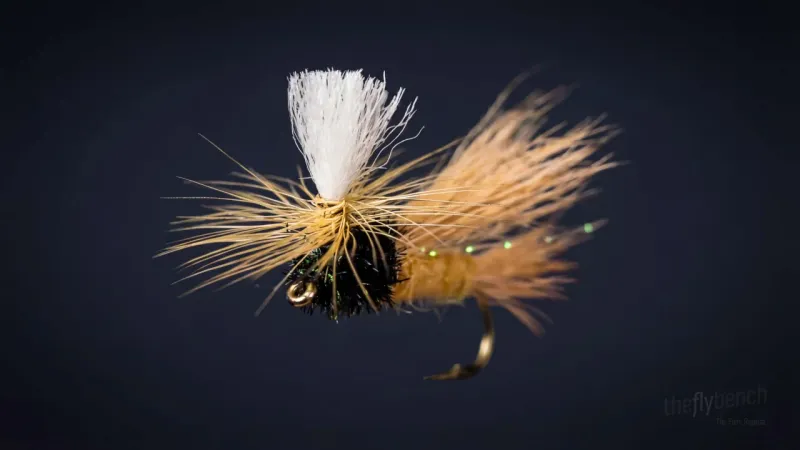
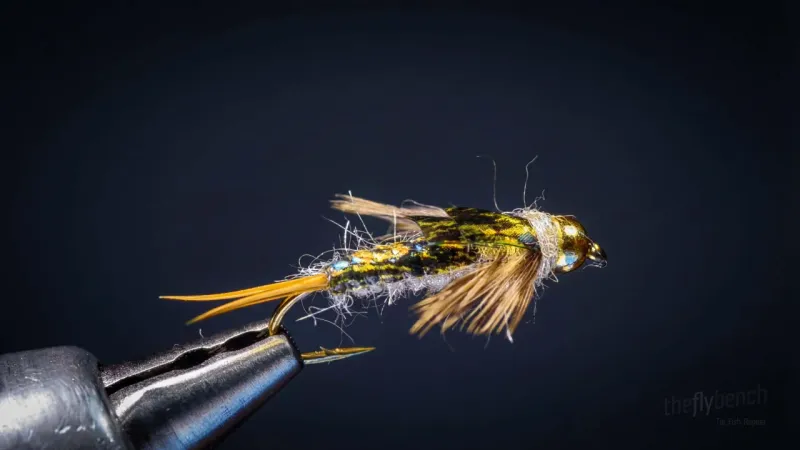
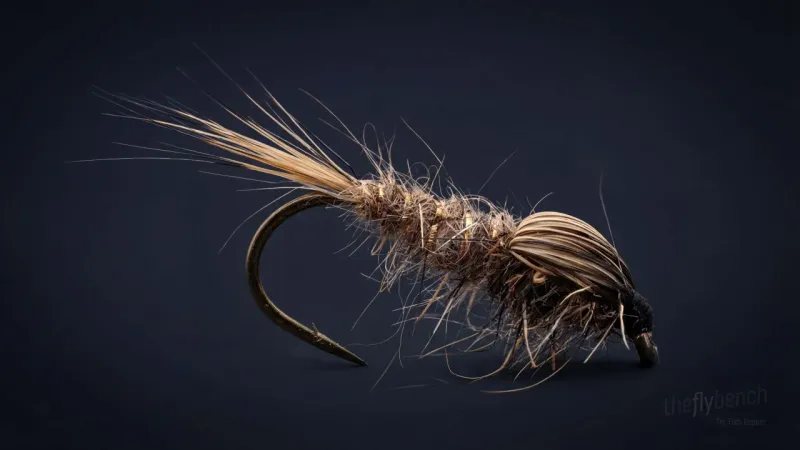
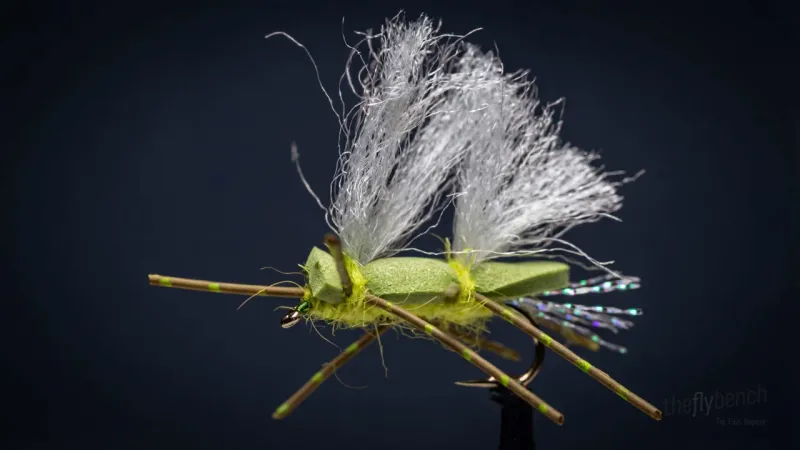
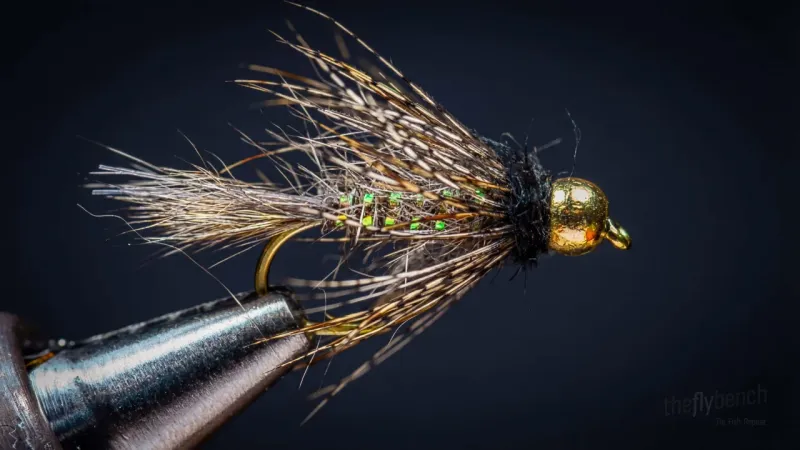
NymphNavy Diver
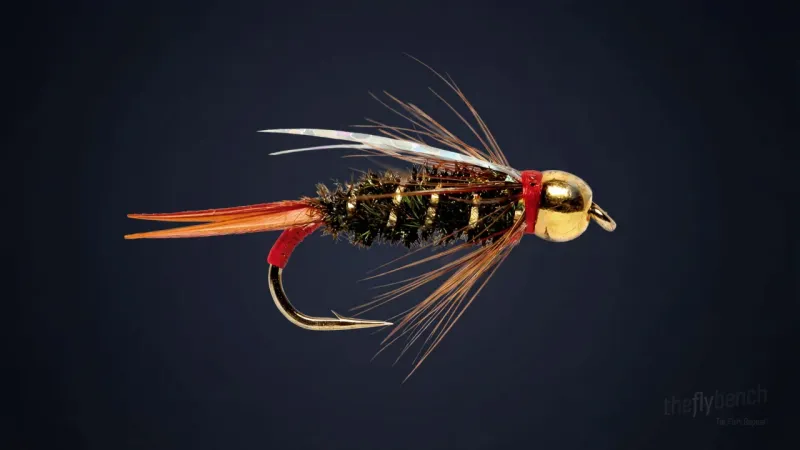
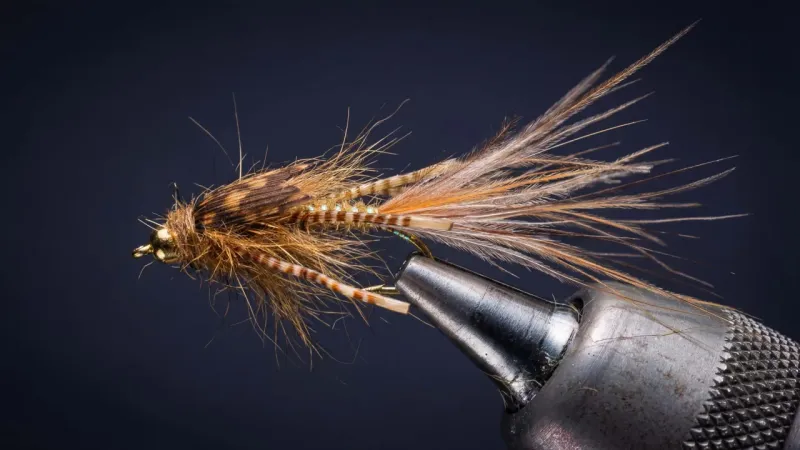
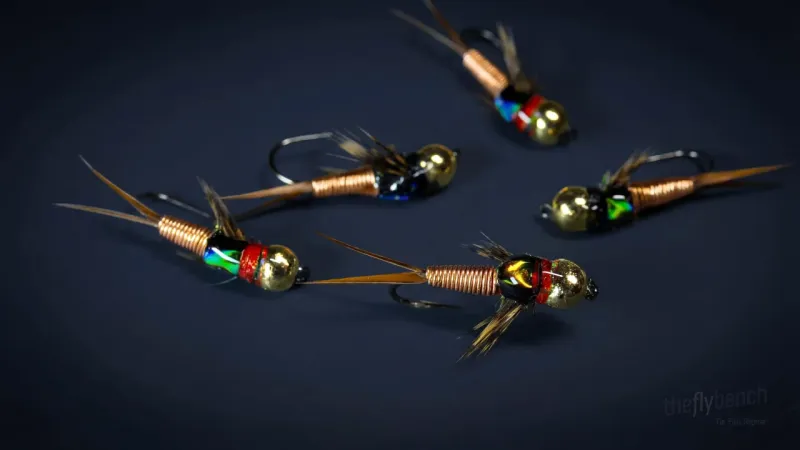
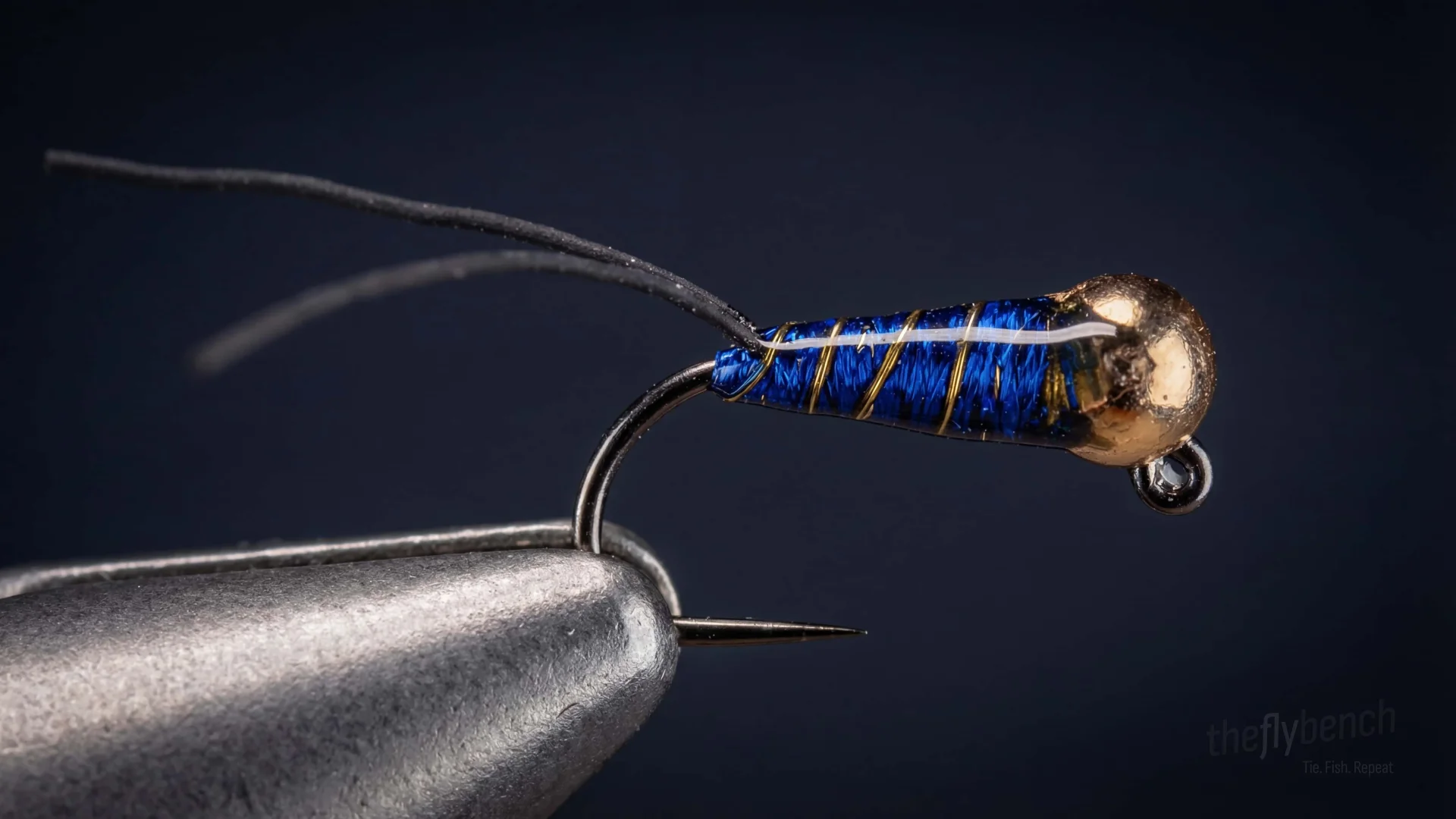
An ultra-durable, quick-sinking attractor nymph built with Sulky Holoshimmer thread, UV resin, and rubber legs. The Navy Diver earns its name with how fast it dives and how tough it fishes. While not a direct imitation, it gives off the right signals for various stonefly species and stands out in off-color or high-water conditions
Year Round
Beginner
Trout
Apr 2025
Overview
A classic attractor streamer featuring a navy-blue chenille body, white marabou tail, and a collar of grizzly hackle or peacock. Underwing flash and peacock herl add sheen. Typically fished on a weighted line to swing or strip through deeper runs.
Where to Buy This Fly
We only link to fly shops we trust. Some links are referral links, which may earn us a commission at no extra cost to you.
Materials
- Hook:
- Orvis Tactical Jig Hook, sizes #12-#18
- Bead 1:
- Slotted tungsten bead, 7/64, gold
- Body:
- Sulky Holoshimmer Metallic thread, blue
- Rib:
- Ultra Wire, small, gold
- Tails:
- Mini Centipede Legs, black
Behavior & Presentation
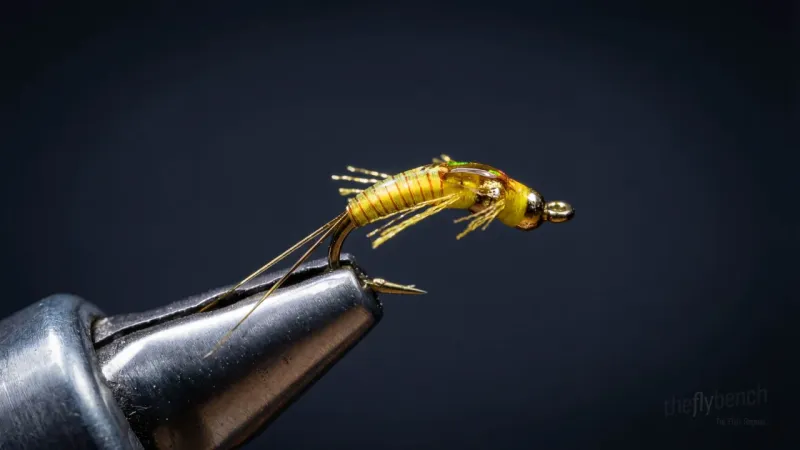
Natural Behavior: This damselfly nymph imitation suggests the swimming behavior of nymphs migrating toward vegetation and shoreline structure during emergence periods. The elongated body and active movement create realistic profiles that fish track and intercept.
Where Trout Eat It: Mid-column to surface zones in lake where damsel nymphs swim toward emergent vegetation.
How to Fish It: Use steady retrieves with pauses to mimic swimming nymphs moving horizontally toward shore.
Best Water: Weed edges, shoals, drop-offs, grass beds, and near structure where damselflies emerge in lakes.
Strike Type: Firm takes during retrieves as fish chase and intercept the swimming nymph.
Fishing Strategy
Rigging Suggestions: Ideal as point fly in multi-nymph rigs with lighter dropper patterns behind. Use 4X or 5X tippet. Tungsten bead provides adequate weight. Leaders 9-10 feet.
Seasonal Timing: Effective year-round with consistent productivity across all seasons. Especially valuable during runoff periods (April-June) when visibility is reduced and during (December-February) in tailwaters.
Pro Tips: The tungsten bead and slim resin-coated body ensure fast sink rates to reach feeding zones quickly. Flash from Holoshimmer thread and black rubber legs create contrast and visibility. This high-contrast pattern triggers strikes even when trout aren't actively feeding.
Entomology
Stonefly nymphs inhabit high-oxygen environments, clinging to rocks in fast current but frequently losing their grip during turbulent conditions. The Navy Diver's weighted design allows it to probe deep pockets and seams where these nymphs concentrate. Trout in freestone streams feed opportunistically on drifting stoneflies throughout the season, making this pattern effective beyond emergence periods.
- Order
- Plecoptera
- Common Name
- Stonefly
- Organism Type
- insect
- Life Stage
- nymph