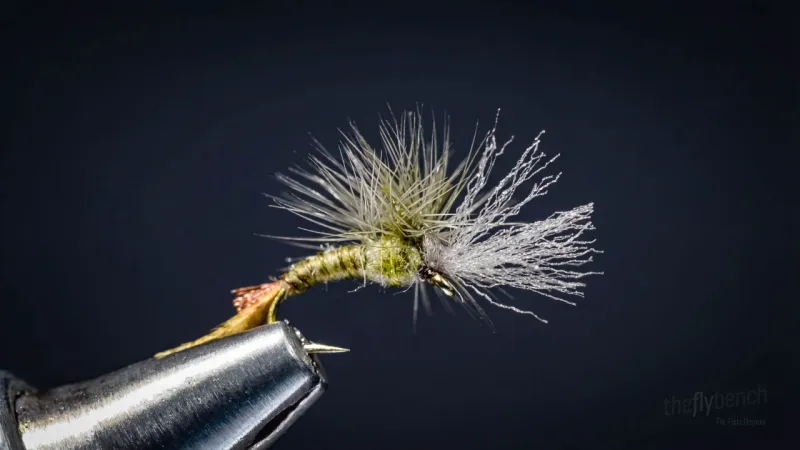
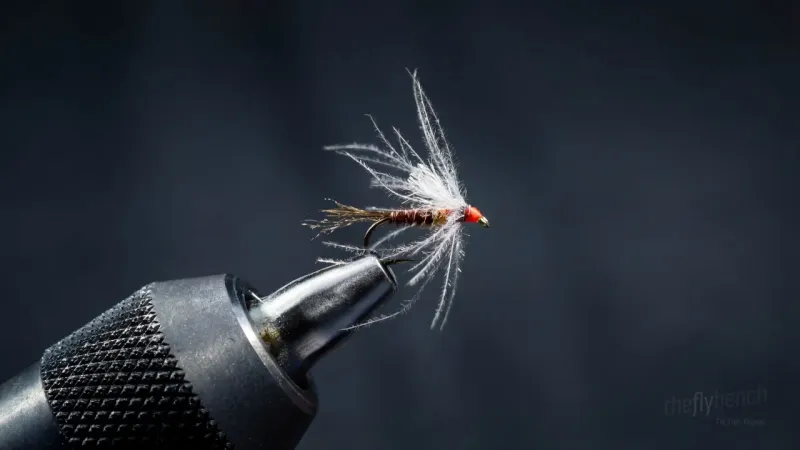
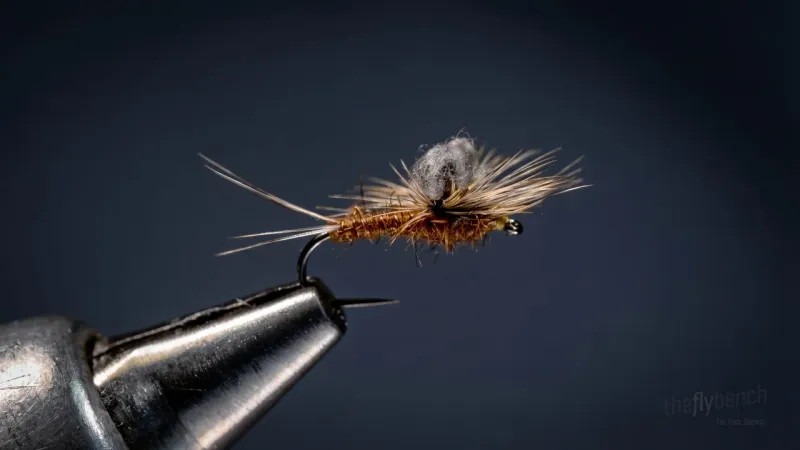
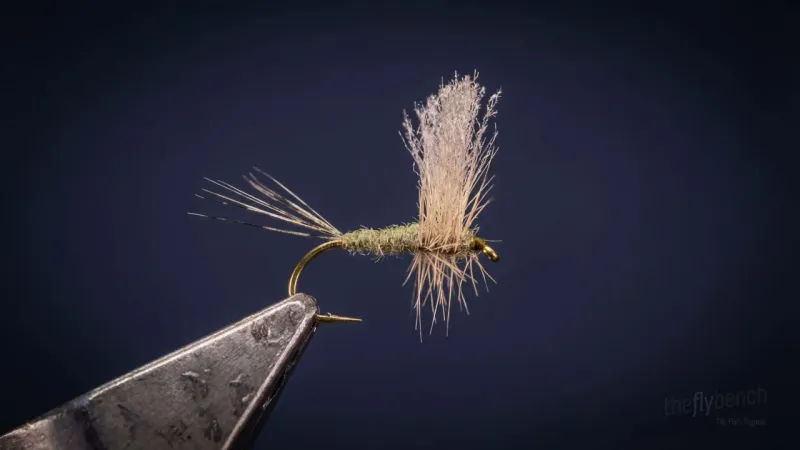
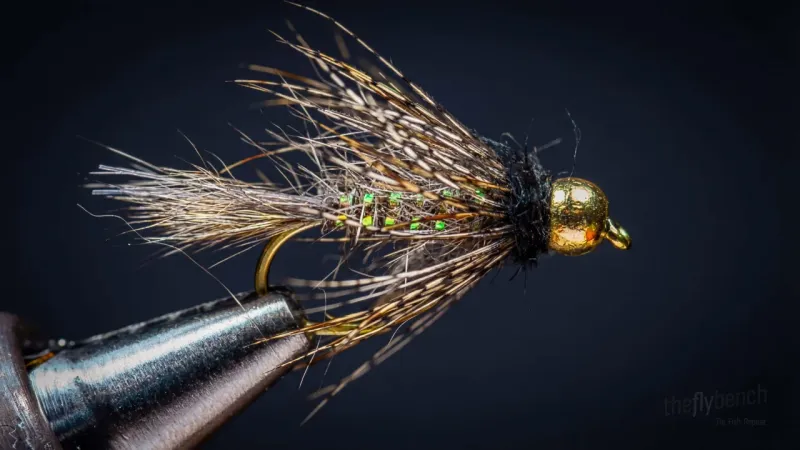
Midge / EmergersCDC Parachute Emerger
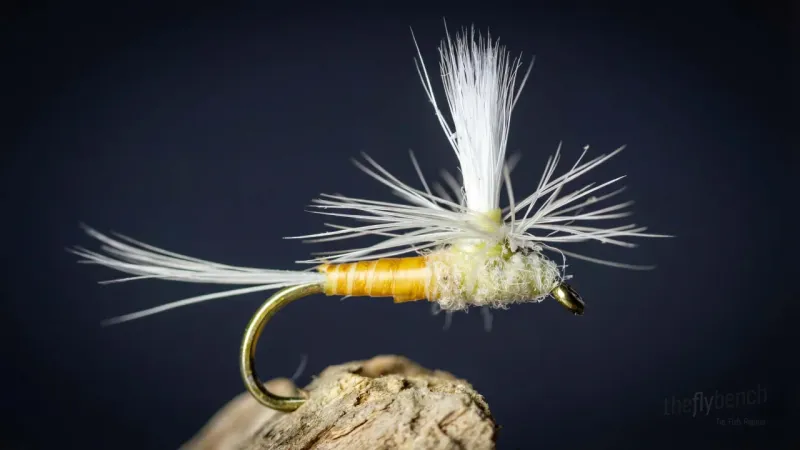
This is an extremely effective pattern that mimics emerging mayflies. The CDC feather gives it a realistic silhouette and helps it float, making it a must-have during a hatch.
Spring, Summer
Intermediate
Trout
Apr 2025
Overview
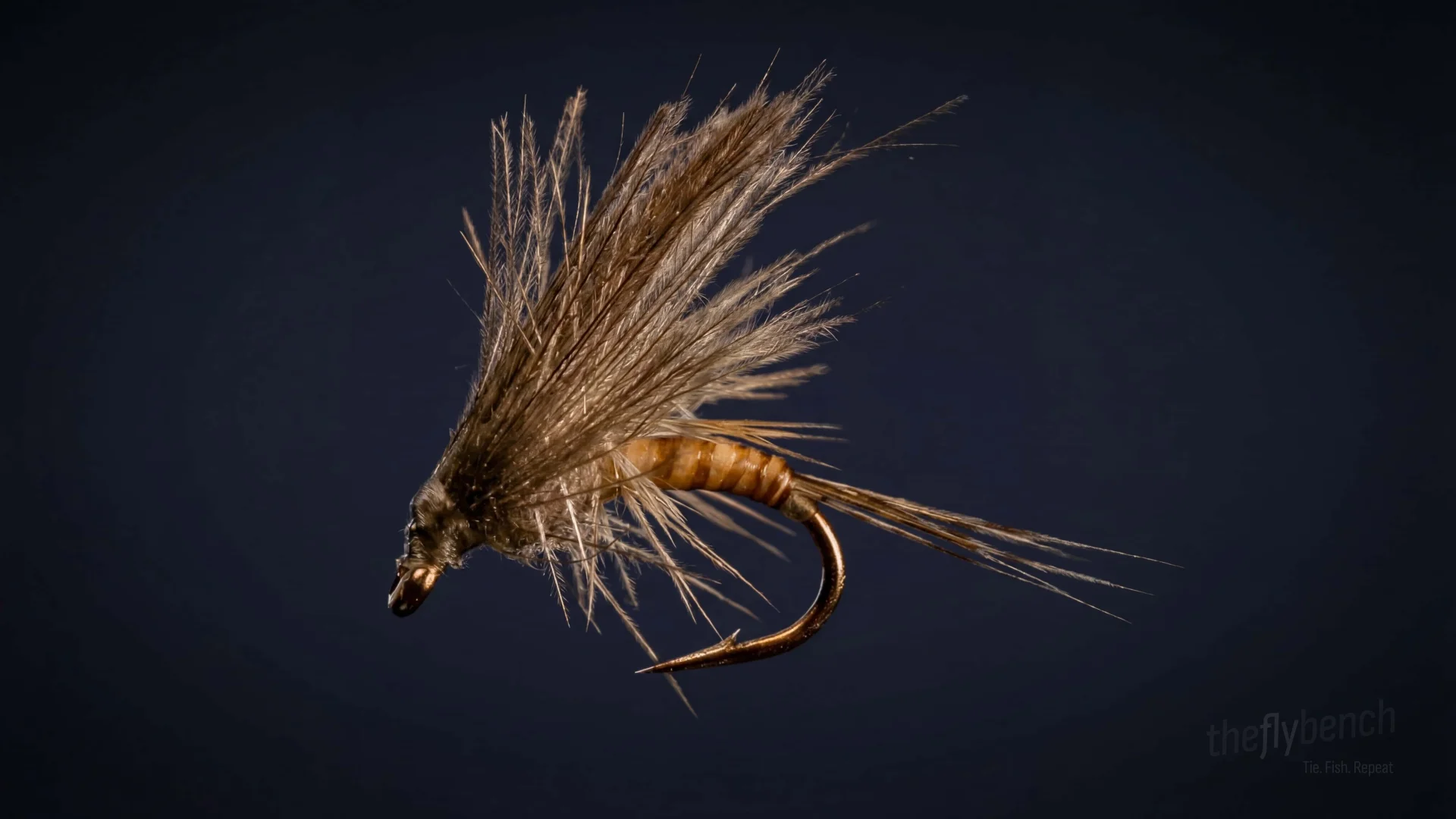
This pattern combines a sparse dubbed body with a CDC wing and parachute hackle for superb visibility and delicate floatation. It's designed to sit flush in the surface film, imitating an emerging mayfly—ideal for picky fish during hatch conditions.
Where to Buy This Fly
We only link to fly shops we trust. Some links are referral links, which may earn us a commission at no extra cost to you.
Materials
- Hook:
- Tiemco 2487, size #16–#20, 2X short curved shank for midges
- Thread:
- Olive UNI-Thread 8/0
- Body:
- Olive superfine dubbing
- Wing:
- Natural CDC feathers
- Hackle:
- Grizzly rooster hackle
- Shell:
- Solarez Bone Dry UV resin
Behavior & Presentation
Natural Behavior: Emergers hang suspended in the surface film during their vulnerable transformation, trapped for seconds to minutes as they shed nymphal shucks with no ability to dive or escape.
Where Trout Eat It: Fish feed voraciously on these defenseless emergers suspended in or just beneath the film during concentrated emergence windows.
How to Fish It: Dead drift in the surface film, allowing the pattern to hang motionless as trapped emergers do during their protracted transition.
Best Water: Most effective in slicks, foam lines, current seams, and pools where emergers concentrate during peak hatch activity.
Strike Type: Confident sips or subtle surface takes as fish capitalize on completely vulnerable emergers unable to escape.
Fishing Strategy
Rigging Suggestions: Use 6X tippet on a 10-12 foot leader for drag-free drifts. The parachute post provides built-in visibility without adding bulk.
Seasonal Timing: Most effective during (April-June) and (July-August) mayfly hatches, particularly Baetis and PMD emergences. Water temperatures of 52-65°F trigger the best activity.
Pro Tips: The CDC feathers create natural buoyancy while sitting the fly in the film. The grizzly hackle parachute adds visibility in broken water. Watch for subsurface swirls rather than splashy rises when trout target emergers.
Entomology
Mayfly emergers hang suspended in or just beneath the surface film as they shed their nymphal shuck and prepare for adult emergence, a process that can take from seconds to several minutes. This transitional stage leaves them completely defenseless, unable to swim down or fly away, often with the nymphal exoskeleton still partially attached. Fish feed voraciously during emergence windows because trapped emergers represent the most vulnerable stage of the mayfly lifecycle, combining high availability with zero escape capability.
- Order
- Ephemeroptera
- Common Name
- Mayfly
- Organism Type
- insect
- Life Stage
- general