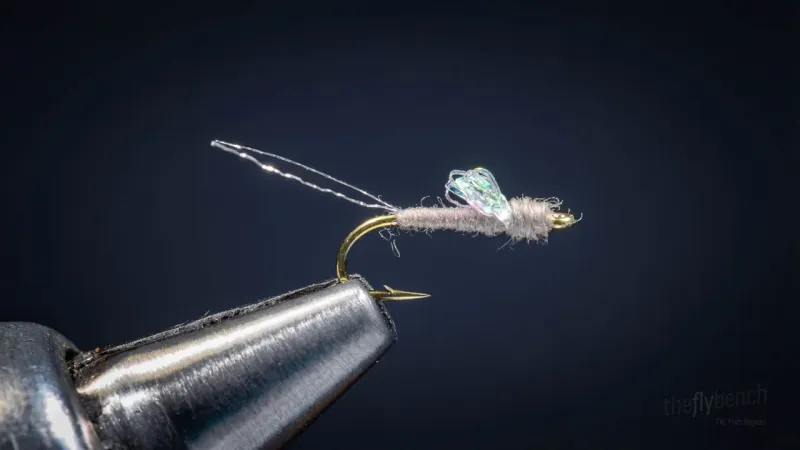
Midge / EmergersFoam Wing RS2
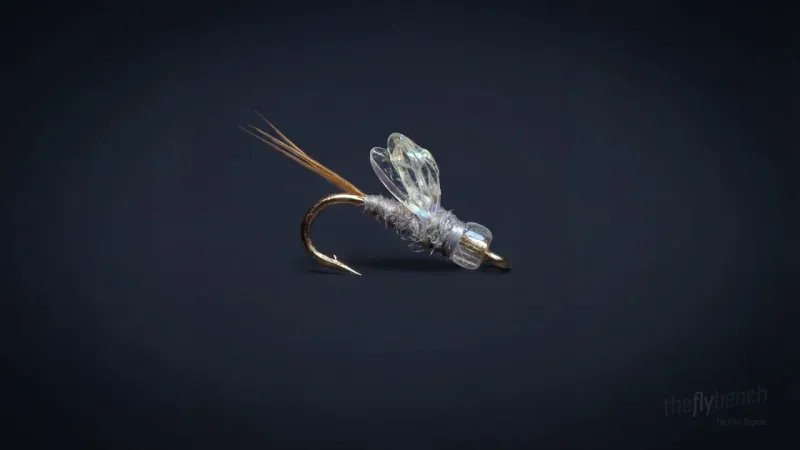
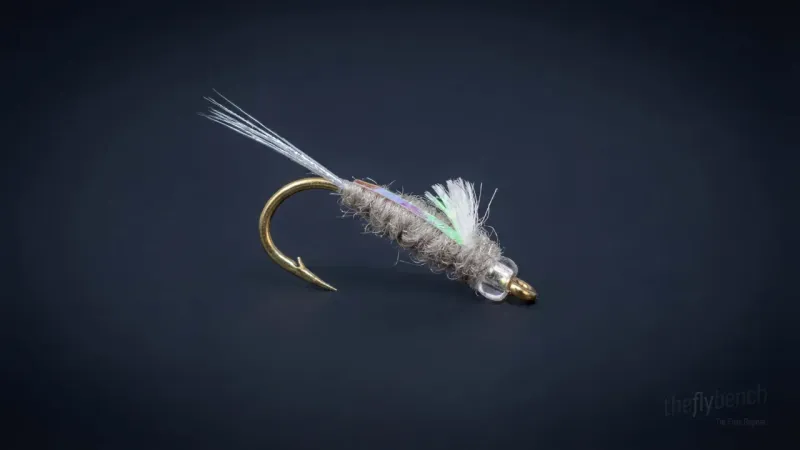
The Foam Wing RS2 is a versatile and effective pattern that imitates a variety of emerging insects. It's especially effective when fished in the surface film or just below it, where trout often feed on emerging insects.
Spring, Summer, Fall
Intermediate
Trout
Apr 2025
Overview
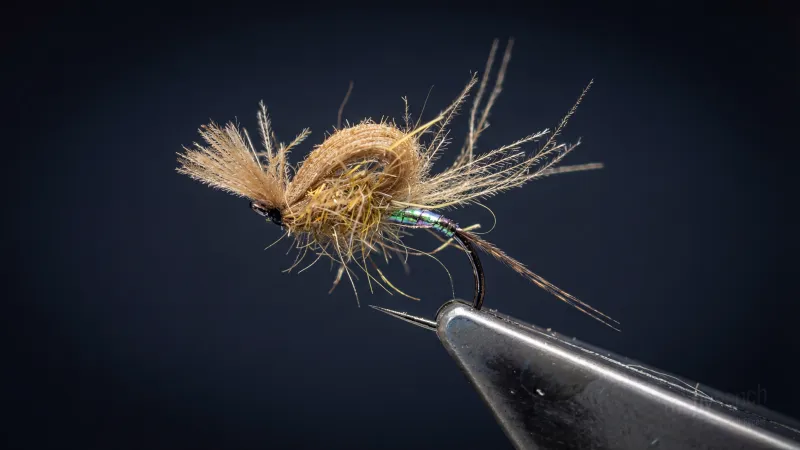
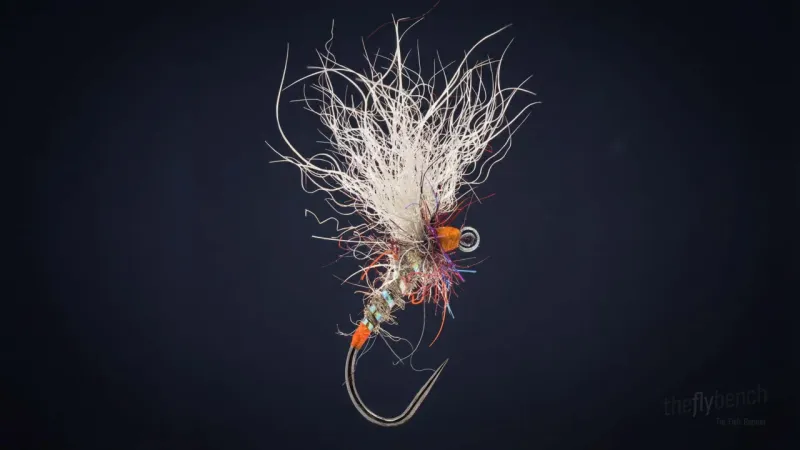
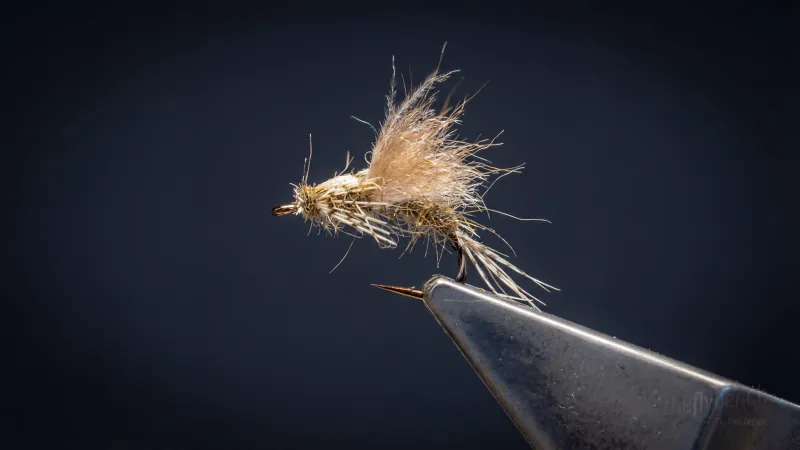
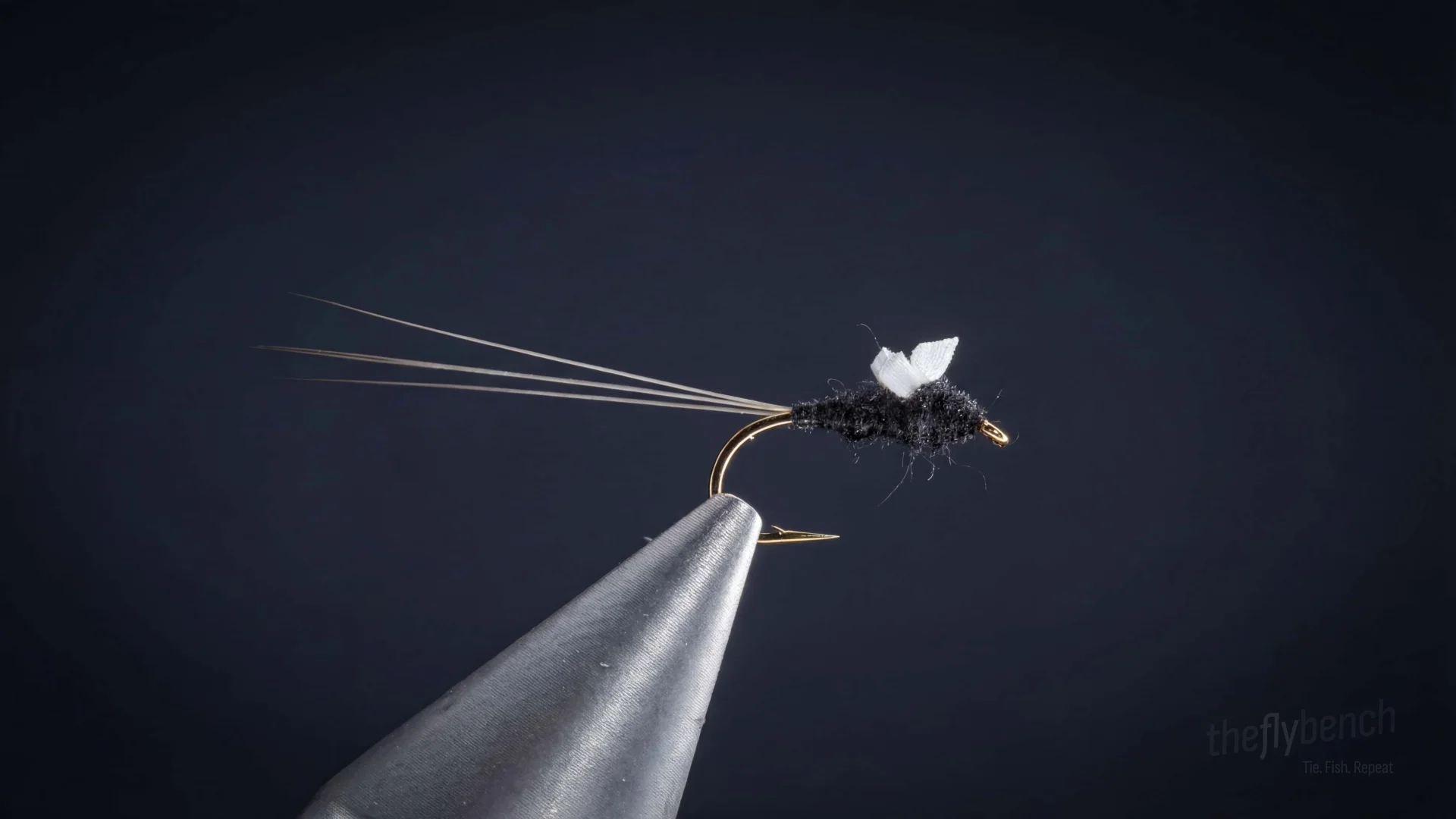
A modern twist on the RS2, using a strip of foam for the wing to improve visibility and floatation. Tied with sparse dubbing, a microfibbets tail, and a small wing post, it imitates an emerger and can be fished in or just below the surface film.
Where to Buy This Fly
We only link to fly shops we trust. Some links are referral links, which may earn us a commission at no extra cost to you.
Materials
- Hook:
- Mustad R50, #16-#24
- Thread:
- Veevus 14/0, Black, Olive, Gray
- Tail:
- Micro fibbets
- Abdomen:
- SuperFine dubbing, Black, Olive, Gray
- Wing:
- White foam cut to shape
- Thorax:
- SuperFine dubbing, Black, Olive, Gray
Behavior & Presentation
Natural Behavior: Midge pupae ascend slowly through the water column before hanging suspended in the surface film while splitting their pupal cases, creating extended vulnerability as they struggle to emerge. The tiny insects drift helplessly during this transition, trapped between pupal and adult stages.
Where Trout Eat It: Trout feed on suspended emergers in the upper water column and surface film along seams and tail-outs where midge hatches concentrate during cold weather.
How to Fish It: Fish with dead-drift presentations, allowing the fly to hang suspended in the film or swing slowly at drift's end to imitate struggling emergers.
Best Water: Target seams and tail-outs in slow to moderate flows where midge hatches occur, focusing on slicks and foam lines where suspended emergers accumulate.
Strike Type: Expect subtle sips or gentle rises as trout feed selectively on tiny emergers in the film.
Fishing Strategy
Rigging Suggestions: This pattern can be fished alone or as part of a multi-fly rig. It can also be effective when fished behind a dry fly as a dropper.
Seasonal Timing: Effective during active feeding periods throughout the season. Fish morning and evening for best results.
Pro Tips: This pattern is designed to sit in the surface film or just below it. The foam wing helps keep it near the surface and also makes it more visible.
Entomology
Emerging aquatic insects transition from subsurface to surface environments in a vulnerable suspended state, their bodies half-transformed as they work to shed nymphal shucks or pupal cases. Fish exploit this extended helplessness, knowing that emergers cannot escape quickly and represent calorie-dense meals during critical transformation phases.
- Organism Type
- insect
- Life Stage
- general