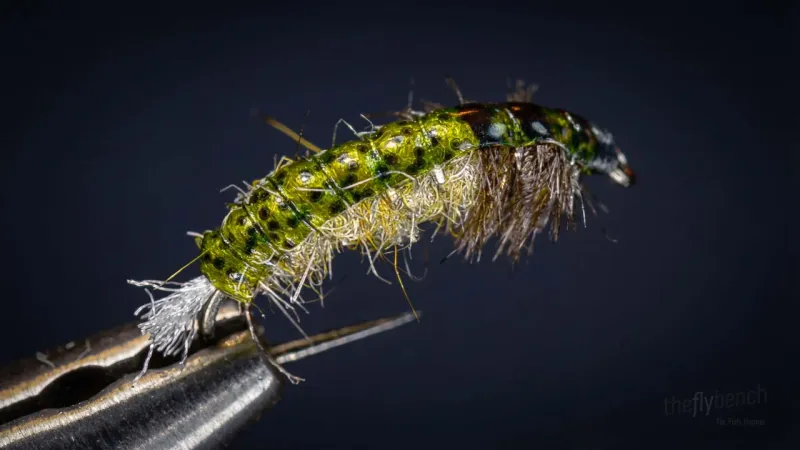
Dry FliesLowrider Biot Caddis
The Lowrider Biot Caddis is a dry fly pattern designed by Sean Hansen. This effective pattern combines traditional materials with proven techniques for consistent results in a variety of water conditions.
Spring, Summer, Fall
Intermediate
Trout
Feb 2026
Overview
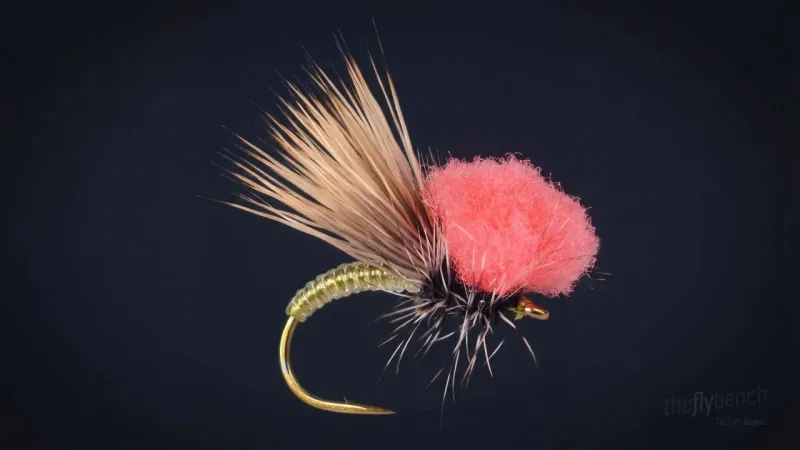
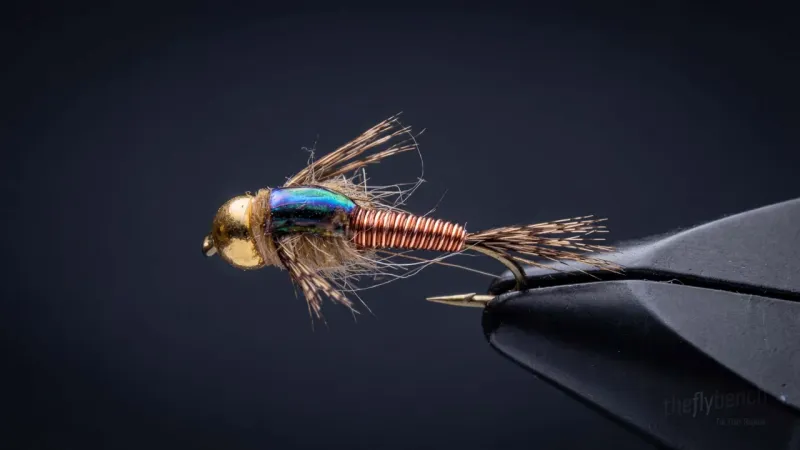
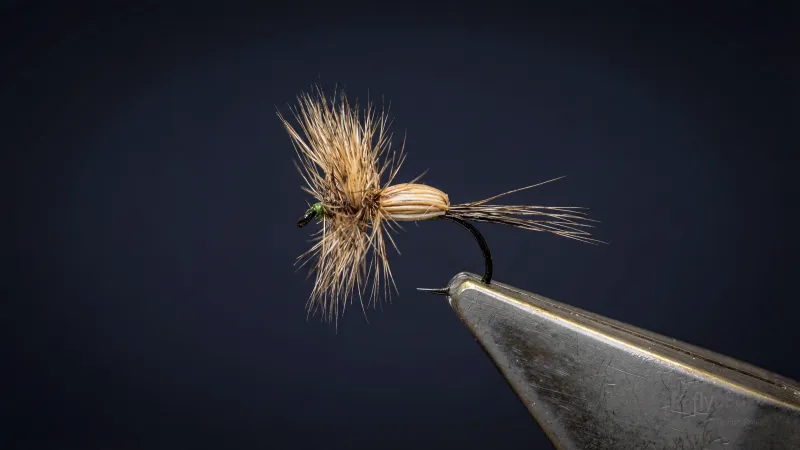
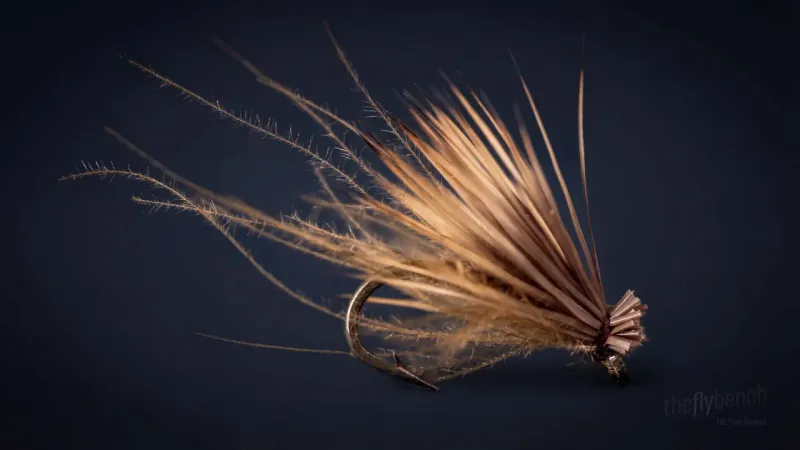
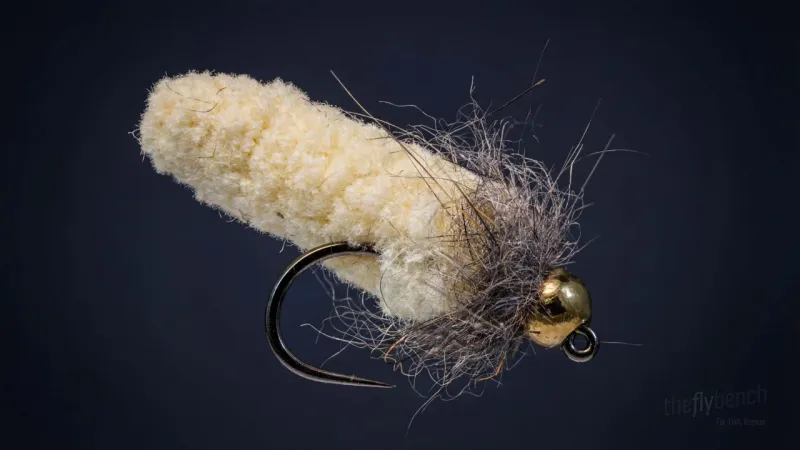
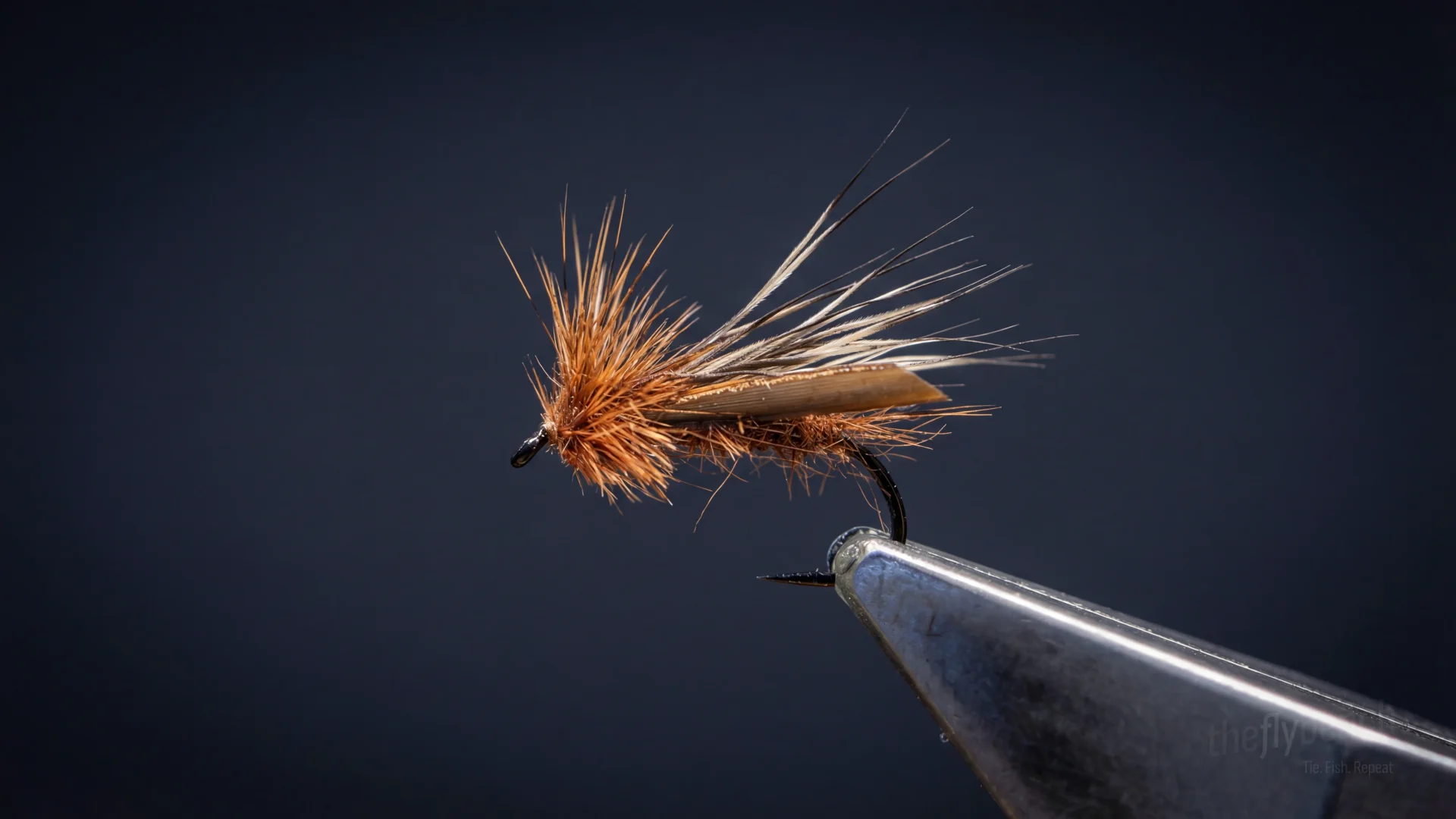
Sean Hansen's Lowrider Biot Caddis features a segmented biot body that creates a realistic silhouette in the surface film. The low-riding profile mimics emerging or egg-laying caddis perfectly, while CDC wings provide natural buoyancy without excessive bulk. The biot segmentation catches light naturally and creates subtle movement in currents, making it particularly effective during heavy caddis hatches when trout become selective.
Where to Buy This Fly
We only link to fly shops we trust. Some links are referral links, which may earn us a commission at no extra cost to you.
Materials
- Hook:
- Std. Dry Fly 14-18
- Thread:
- Olive
- Tail:
- Hackle to Match Insect
- Body:
- Dry Fly Dubbing
- Wing post:
- Dubbing ball
- Hackle:
- Parachute Around Dubbing Ball
Behavior & Presentation
Natural Behavior: Adult caddis rest low in the surface film with bodies partially submerged and wings elevated in tent shape. They drift calmly through runs with legs dangling below the waterline.
Where Trout Eat It: Surface film in moderate currents where adults maintain this distinctive low profile.
How to Fish It: Dead drift with no added movement, allowing the fly to sit naturally in the feeding window where trout inspect surface prey.
Best Water: Target slicks and glides with calm surface currents, riffle edges where caddis emerge and rest, and seams where surface tension creates ideal drifting conditions.
Strike Type: Confident sips as fish rise to the distinctive low-riding profile that's easy to identify.
Fishing Strategy
Rigging Suggestions: Use a 9-12 foot leader tapering to 5X tippet for delicate presentations. Apply floatant to the body and hackle.
Seasonal Timing: Most effective during peak feeding periods at dawn and dusk. Water temperatures between 45-65°F typically produce best results.
Pro Tips: The low-riding design allows this pattern to penetrate the surface film, making it highly effective during heavy caddis activity when trout focus on emergers rather than fully emerged adults.
Entomology
Adult caddis sit low in the surface film with their bodies partially submerged, legs dangling below while their wings remain dry and elevated in characteristic tent shape as they drift through calm runs. Trout feed confidently on these low-riding adults because their distinctive profile sits right in the feeding window, and the partially submerged body provides a satisfying mouthful that's easy to detect visually.
- Order
- Trichoptera
- Common Name
- Caddisfly
- Organism Type
- insect
- Life Stage
- adult