Dry FliesLes's Lemon Cahill
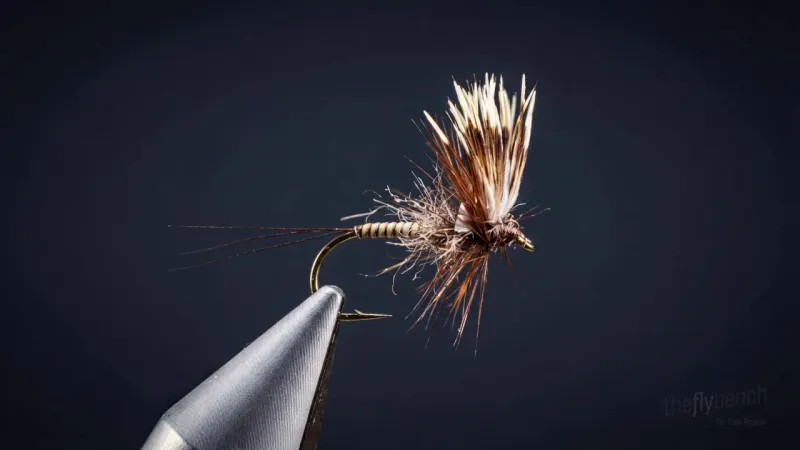
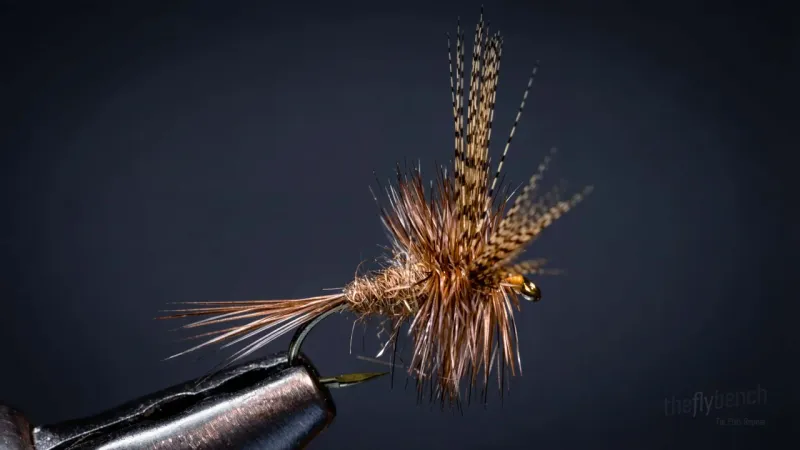
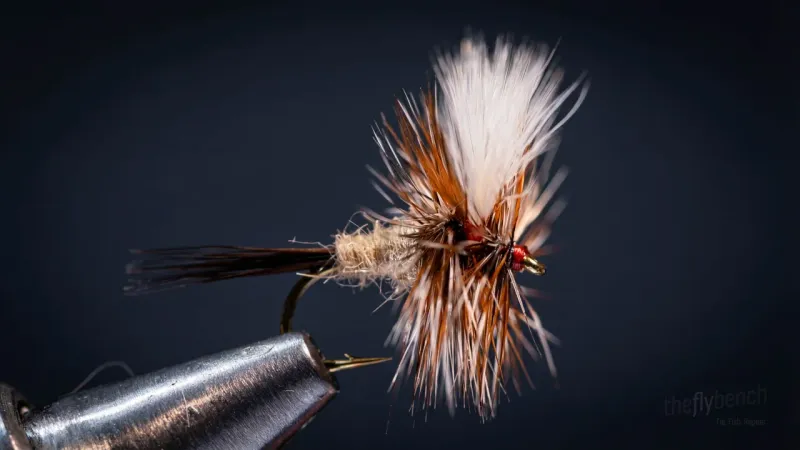
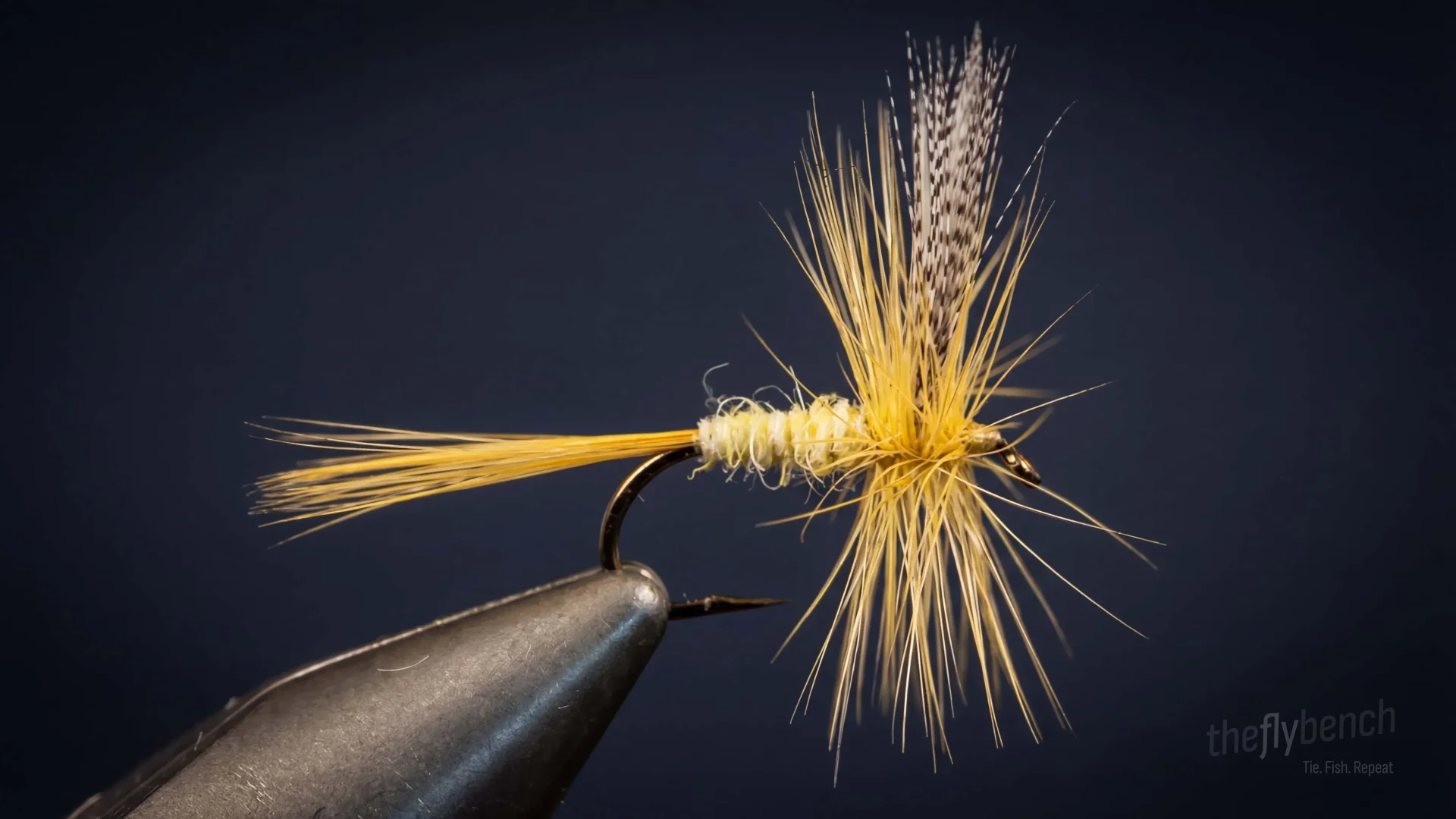
Les's Lemon Cahill is a classic Catskill dry fly developed by Les Shannon, known for his meticulous attention to detail and custom dubbing blends. This elegant pattern imitates the Light Cahill and similar pale mayflies with its distinctive lemon-yellow body and golden straw hackle. Despite being created several decades ago, it remains exceptionally effective on selective trout during summer mayfly hatches.
Spring, Summer
Intermediate
Trout
Dec 2025
Overview
Les Shannon was famous for his custom dubbing blends, and this pattern showcases his philosophy that "less is more" when it comes to dubbing application. He specifically chose mallard flank over traditional wood duck for the wing due to its lighter coloring, which better matches the naturals. The golden straw hackle from a Whiting neck provides both the tail and the collar, ensuring color consistency throughout the fly. The hackle is wrapped both behind and in front of the wing in traditional Catskill fashion.
Materials
Hook: Standard dry-fly hook (Mustad 94840 or similar), #12–#18
Thread: Tan, 6/0 or 70 denier
Wing: Mallard flank feather fibers
Tail: Golden straw dry-fly hackle fibers
Body: 80/20 mix of yellow and white rabbit fur dubbing
Hackle: Golden straw dry-fly hackle
Behavior & Presentation
Natural Behavior: Adult mayflies drift on the surface after hatching or during egg-laying flights, floating with wings upright while resting between mating activities. Fish consume these freshly emerged or spent adults for their high protein content and predictable seasonal abundance during peak emergence windows.
Where Trout Eat It: Trout sip cream-colored mayflies in classic Catskill tailwaters during late spring Pale Evening Dun and Light Cahill hatches.
How to Fish It: Dead drift with 9-12 foot leaders tapered to 4X-5X. Apply light floatant to hackle for traditional high-riding Catskill presentation.
Best Water: Most productive on riffle edges transitioning to glides and along seams where moderate current concentrates emerging mayflies.
Strike Type: The classic Catskill high-riding hackle triggers confident rises with visible ring patterns in moderate current; set at the sight of the rise with smooth acceleration rather than jerky motions.
Fishing Strategy
Rigging Suggestions: Fish on a 9-12 foot leader tapered to 4X or 5X tippet. The bushy hackle provides good flotation, but a light application of floatant to the hackle helps in choppy water.
Seasonal Timing: Most effective during late spring and summer when Light Cahills, Pale Evening Duns, and similar cream-colored mayflies are hatching. Peak activity typically occurs from late May through July.
Pro Tips: This is a high-riding dry fly that floats on its hackle tips. The light mallard wing creates a natural silhouette against the sky when viewed from below.
Entomology
Adult mayflies drift on the surface after hatching or during egg-laying flights, floating with wings upright while resting between mating activities. Fish consume these freshly emerged or spent adults for their high protein content and predictable seasonal abundance during peak emergence windows.
- Order
- Ephemeroptera
- Common Name
- Mayfly
- Organism Type
- insect
- Life Stage
- adult