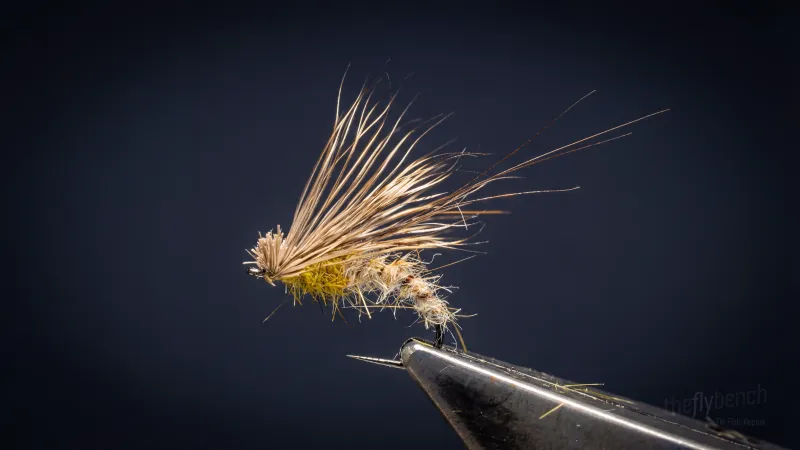
Dry FliesLeadhead
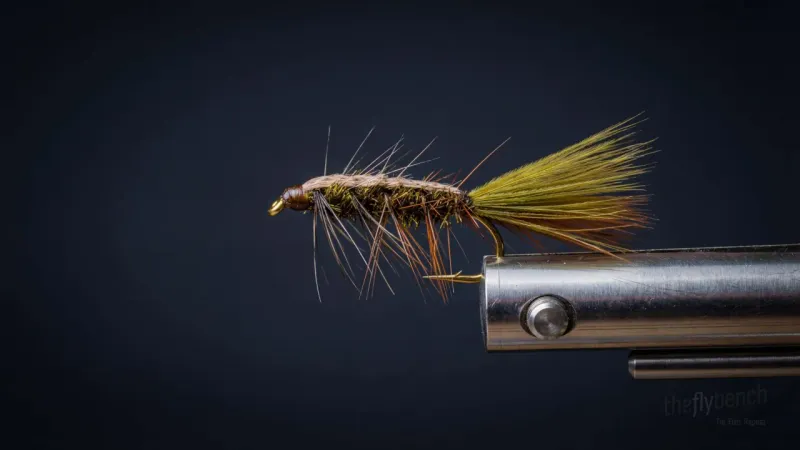
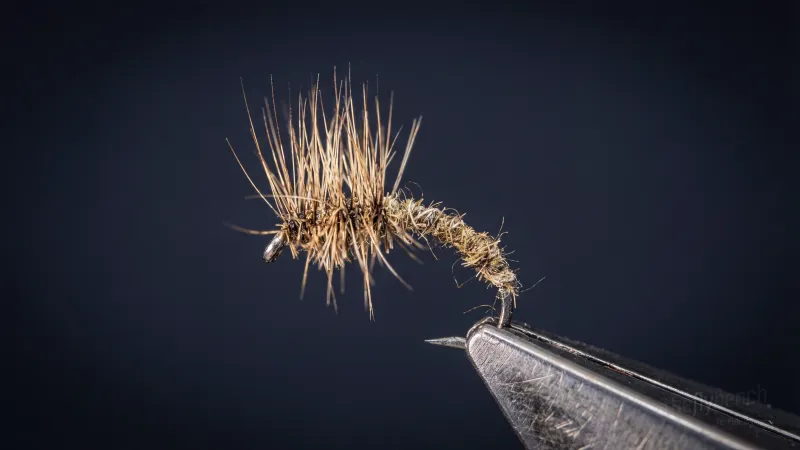
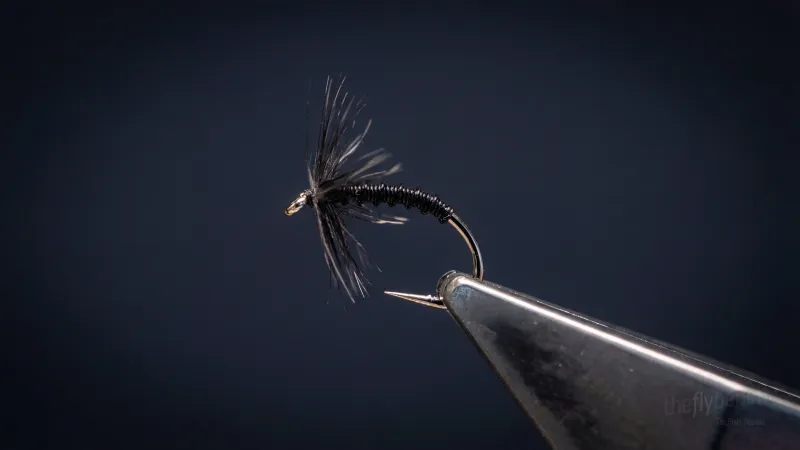
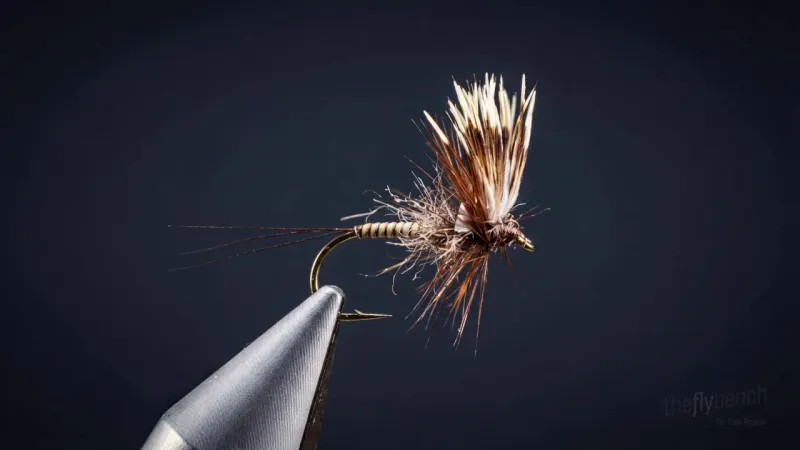
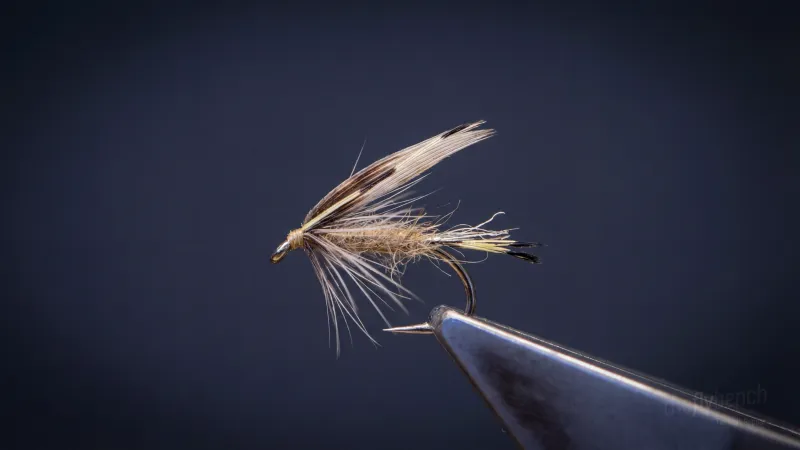
The Leadhead is a dry fly pattern designed by Rinus van Belzen. This effective pattern combines traditional materials with proven techniques for consistent results in a variety of water conditions.
Spring, Summer, Fall
Intermediate
Trout
Feb 2026
Overview
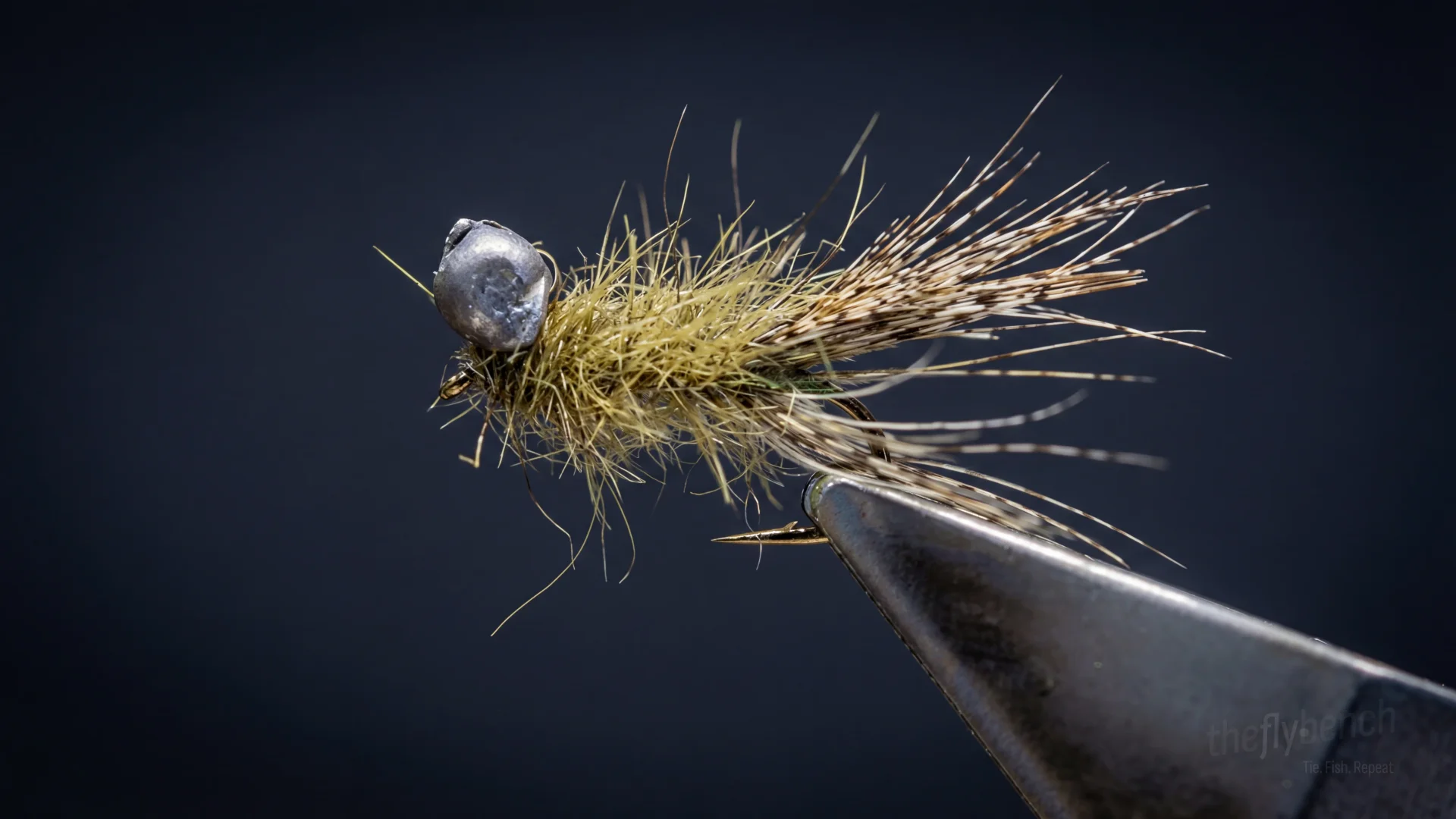
Despite its name, Rinus van Belzen's pattern is actually a dry fly, likely referencing its prominent head construction. Features a bold front profile that creates surface disturbance and visibility in broken water. The design balances traditional materials with attention to proportion and buoyancy. The distinctive head design may help suggest emerging insects or provide additional attraction through its silhouette and light-catching properties.
Where to Buy This Fly
We only link to fly shops we trust. Some links are referral links, which may earn us a commission at no extra cost to you.
Materials
- Hook:
- Partridge H1A size 8-10-12
- Thread:
- Uni-thread, brown or tan
- Head:
- None toxic lead shot or substitute (see tying notes)
- Tag:
- Small strip of green fluorescent Flexibody (4 turns)
- Tail/legs:
- Speckled tail or long back feather from a partridge wound as collar
- Body:
- Rabbit fur dubbed and well picked out
Behavior & Presentation
Natural Behavior: Surface adults drift with characteristic wing positions, occasionally twitching or skating to initiate flight. Bright heads may suggest egg sacs or anatomical features.
Where Trout Eat It: Fish target adults in the upper 6 inches, focusing on feeding lanes and foam lines.
How to Fish It: Dead drift through productive zones with occasional twitches to add lifelike movement.
Best Water: Seams, tail-outs, foam lines, and riffle edges where surface prey accumulates.
Strike Type: Confident strikes as fish respond to the distinct head contrast and natural drift.
Fishing Strategy
Rigging Suggestions: Use a 9-12 foot leader tapering to 5X tippet for delicate presentations. Apply floatant to the body and hackle.
Seasonal Timing: Most effective during peak feeding periods at dawn and dusk. Water temperatures between 45-65°F typically produce best results.
Pro Tips: The dubbed head provides both weight for better casting turnover and a realistic silhouette. This pattern fishes well in faster currents where standard dry flies struggle to maintain position.
Entomology
Adult caddis dive beneath the surface to attach egg masses directly to submerged rocks and vegetation, then swim back up through the water column with characteristic undulating motions. Trout feed on these ovipositing caddis during their underwater excursions because the insects are completely vulnerable while submerged, and their swimming motions mimic wounded prey that triggers aggressive strikes.
- Order
- Trichoptera
- Common Name
- Caddisfly
- Organism Type
- insect
- Life Stage
- adult