Dry FliesLava
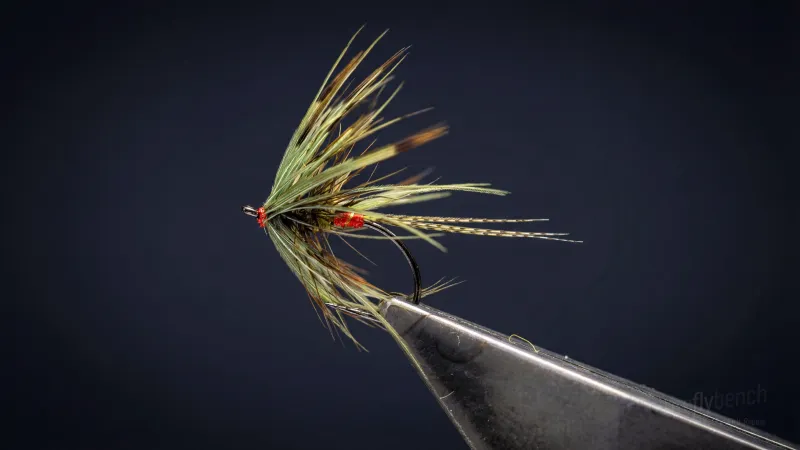
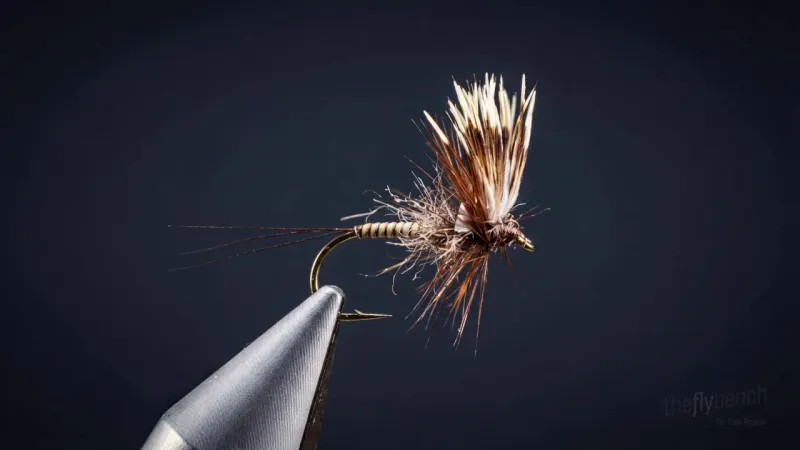
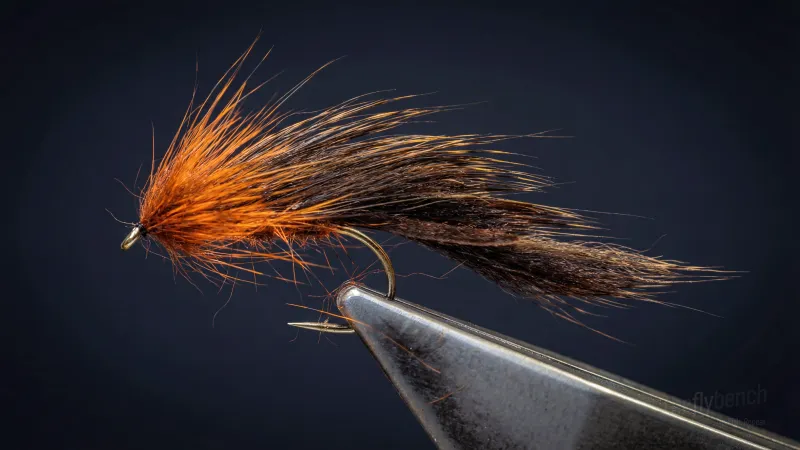
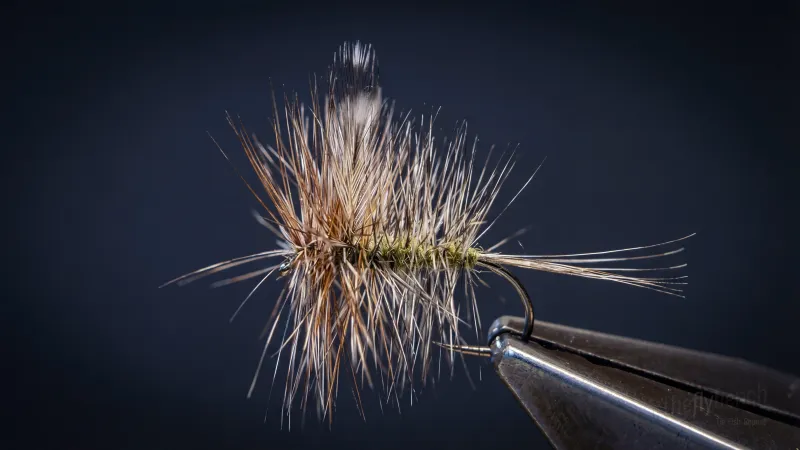
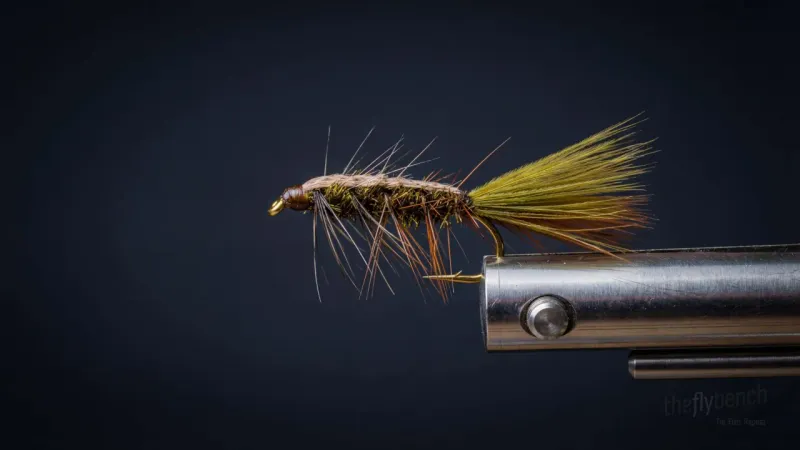
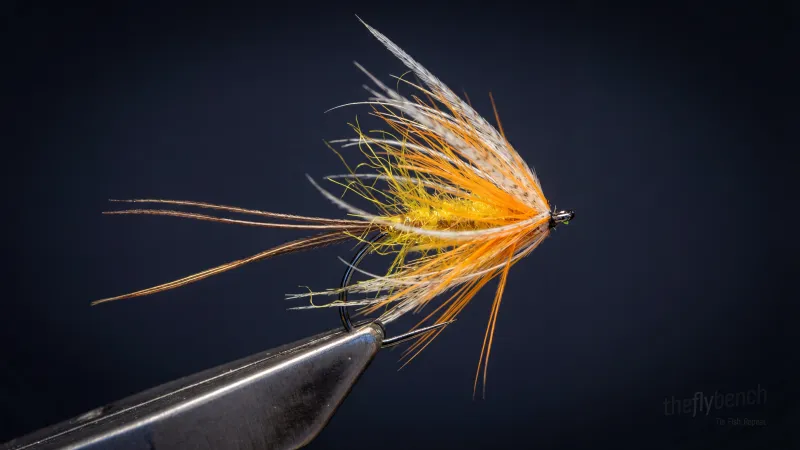
Bob Petti's innovative dry fly features distinctive material choices creating both attraction and imitation qualities. Body construction provides exceptional durability while maintaining clean profile on surface. Hackle selection ensures reliable flotation through multiple fish or extended drift periods. Color scheme succeeds in various light conditions.
Spring, Summer, Fall
Intermediate
Trout
Feb 2026
Overview
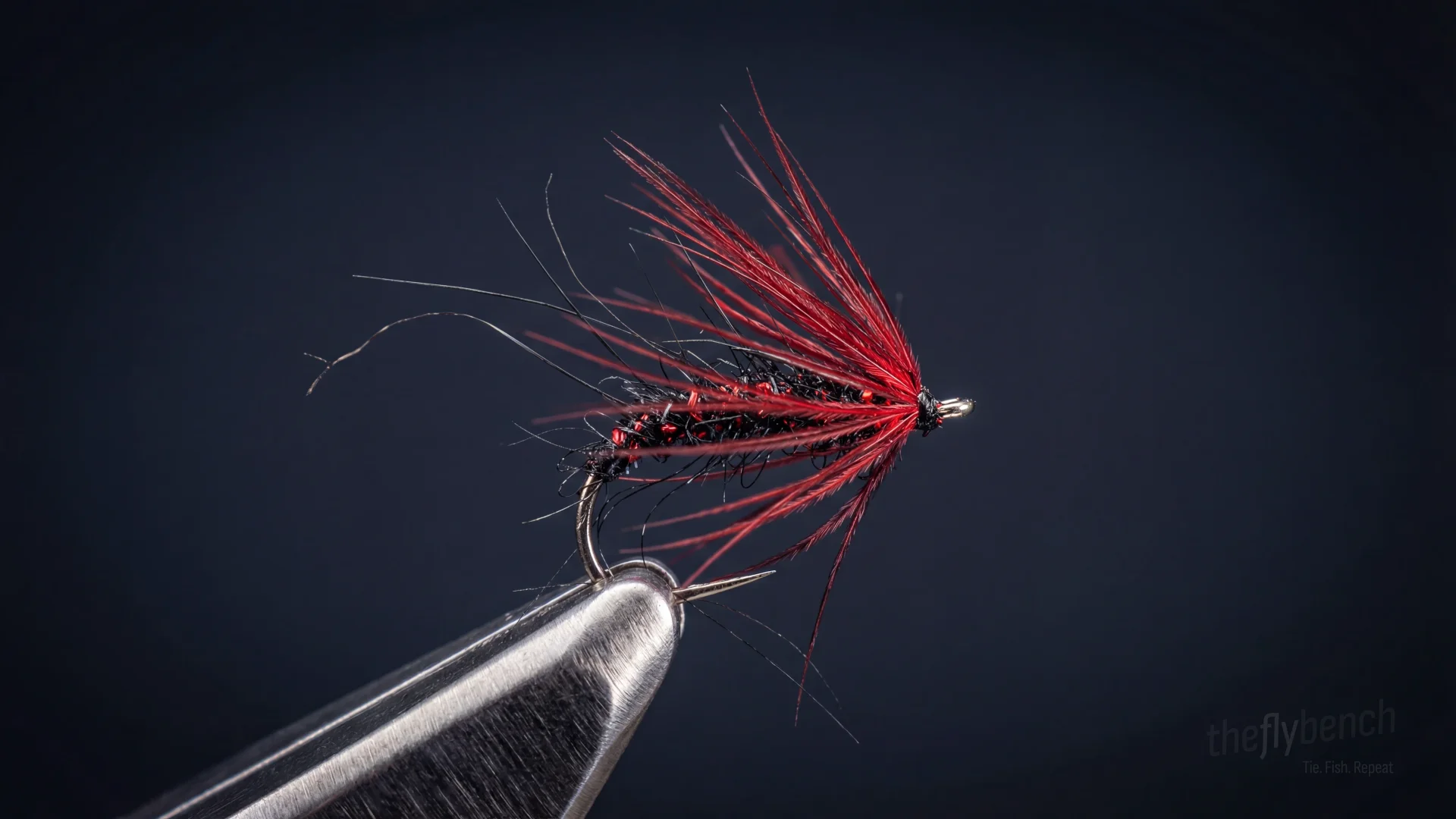
Bob Petti's innovative dry fly features distinctive material choices that create both attraction and imitation qualities. The pattern's body construction provides exceptional durability while maintaining a clean profile on the surface. Hackle selection ensures reliable flotation through multiple fish or extended drift periods. The color scheme works effectively in various light conditions, making it a dependable choice for prospecting unfamiliar water.
Where to Buy This Fly
We only link to fly shops we trust. Some links are referral links, which may earn us a commission at no extra cost to you.
Materials
- Hook:
- Grip 14723BL #14
- Thread:
- Benecchi 12/0, black
- Hackle:
- Whiting Popper Pack barbs, red center
- Rib:
- Flash, fine, red
Behavior & Presentation
Natural Behavior: Attractor patterns suggest large terrestrials or adult aquatic insects without specific imitation. Bold profiles trigger opportunistic feeding responses in fast water where trout feed aggressively on varied surface foods.
Where Trout Eat It: Trout target this pattern in the surface film of Northeast freestone rivers, focusing on seams and foam lines where drifting adults collect. The red flash body triggers strikes from fish keyed on both mayflies and caddis during overlapping hatches.
How to Fish It: Dead drift through feeding lanes with 4X-5X tippet, focusing on drag-free presentation in complex currents. The durable hackle maintains flotation through multiple fish, making it effective as a standalone dry or indicator fly in dry-dropper rigs.
Best Water: Fish riffle edges and pocket water on the Beaverkill and Esopus Creek where current breaks concentrate surface drift. Target drop-offs where slower water meets fast currents and creates visible feeding stations.
Strike Type: Searching pattern strikes vary from tentative sips to aggressive smashes; stay alert and set when you see or feel the take.
Fishing Strategy
Rigging Suggestions: Fish on 9-12 foot leader with 4X-5X tippet. Durable construction supports use as indicator fly in dry-dropper rig through full-day fishing sessions.
Seasonal Timing: Most effective during hatches April through June and prospecting July through August when water temperatures range 50-65°F. All-day effectiveness makes it reliable choice during varied feeding periods.
Pro Tips: Hackle selection provides reliable flotation through multiple fish without constant maintenance. The color scheme maintains visibility across varied light conditions from bright sun to overcast skies.
Entomology
Caddisflies emerge from fast-water habitats, breaking through turbulent surfaces with powerful swimming motions before their wings unfold and they struggle to gain altitude. Fish in pocket water and rapids target these emerging adults because the chaotic water conditions disorient the insects, making them easier to capture during their brief vulnerable period between emergence and flight.
- Order
- Trichoptera
- Common Name
- Caddisfly
- Organism Type
- insect
- Life Stage
- adult