Dry FliesDelaware Adams
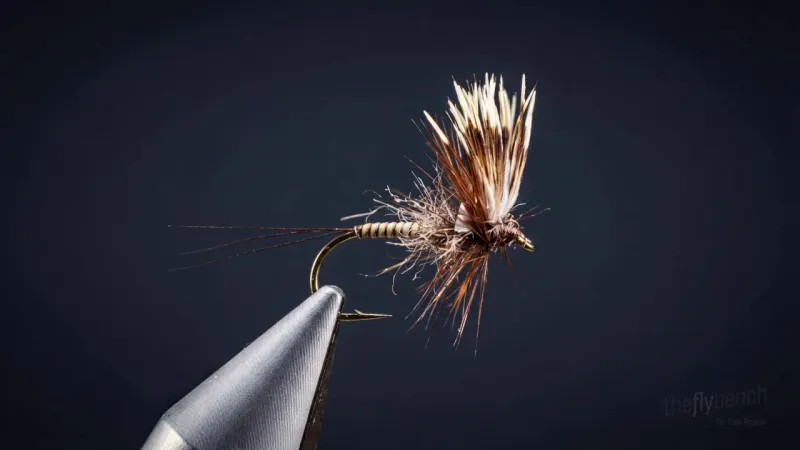
The Delaware Adams is a dry fly pattern designed by Normand Frechette. This effective pattern combines traditional materials with proven techniques for consistent results in a variety of water conditions.
Spring, Summer, Fall
Intermediate
Trout
Feb 2026
Overview
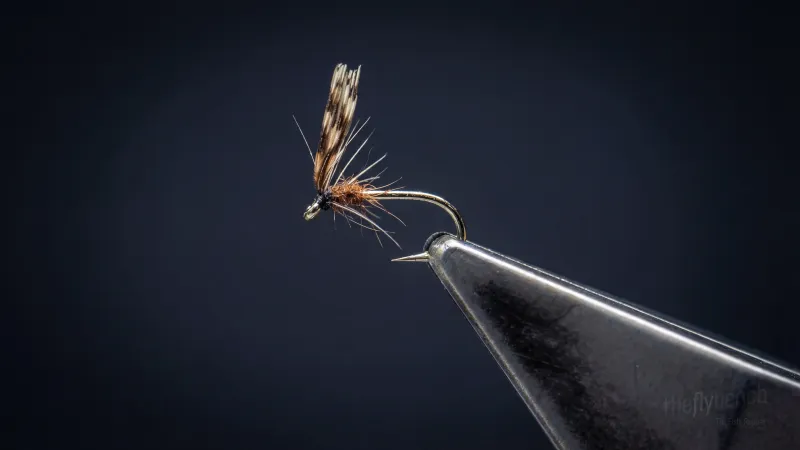
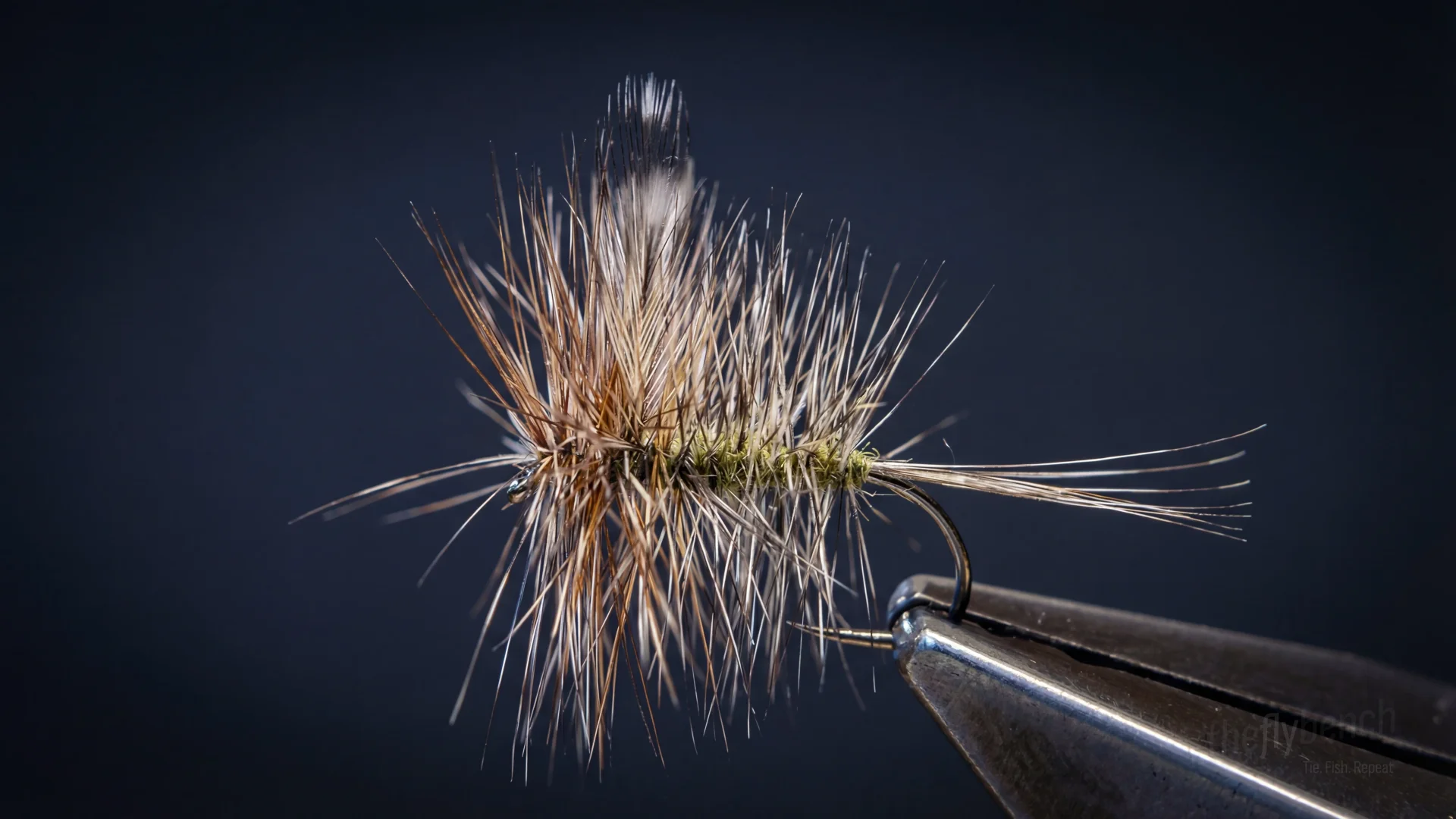
Normand Frechette's Delaware Adams puts a regional spin on the classic Adams pattern, incorporating materials and proportions refined for northeastern waters. The grizzly and brown hackle mixture creates the traditional mottled appearance while the wing profile has been adjusted for improved visibility. This variation maintains the Adams' proven versatility while addressing specific hatches common to the Delaware watershed and similar freestone systems.
Where to Buy This Fly
We only link to fly shops we trust. Some links are referral links, which may earn us a commission at no extra cost to you.
Materials
- Hook:
- Mustad 94840 #10-#14
- Thread:
- Black
- Wing:
- Grizzly Hen
- Tail:
- Grizzly/brown hackle fibers
- Body:
- Apple green dubbing
- Body hackle:
- Grizzly Hackle-Undersized
- Hackle:
- Grizzly/Brown mixed
Behavior & Presentation
Natural Behavior: During mixed hatches of mayflies and caddisflies, adult insects cluster in drift lines where current seams concentrate surface food, creating feeding stations where multiple species overlap. Fish position at these convergence zones to maximize intake, intercepting the diverse insect mix that accumulates predictably.
Where Trout Eat It: Trout feed on this during mixed mayfly and caddis hatches where multiple species overlap in drift lines.
How to Fish It: Dead drift through seams and tail-outs using upstream presentations with mending for drag-free float.
Best Water: Freestone tail-outs and riffle edges where diverse surface insects concentrate in feeding lanes.
Strike Type: Watch for steady rise forms—either splashy refusals or confident sips depending on hatch intensity. The grizzly wing silhouette disappears in expanding surface rings.
Fishing Strategy
Rigging Suggestions: Use a 9-12 foot leader tapering to 5X tippet for delicate presentations. Apply floatant to the body and hackle.
Seasonal Timing: Most effective during peak feeding periods at dawn and dusk. Water temperatures between 45-65°F typically produce best results.
Pro Tips: The Delaware Adams' proven profile makes it a confidence pattern for difficult conditions. Use it to locate actively feeding fish before switching to more specific imitations if refusals occur.
Entomology
During mixed hatches of mayflies and caddisflies, adult insects cluster in drift lines where current seams concentrate surface food, creating feeding stations where multiple species overlap. Fish position at these convergence zones to maximize intake, intercepting the diverse insect mix that accumulates predictably.
- Order
- Trichoptera
- Common Name
- Caddisfly
- Organism Type
- insect
- Life Stage
- adult