Dry FliesRegular
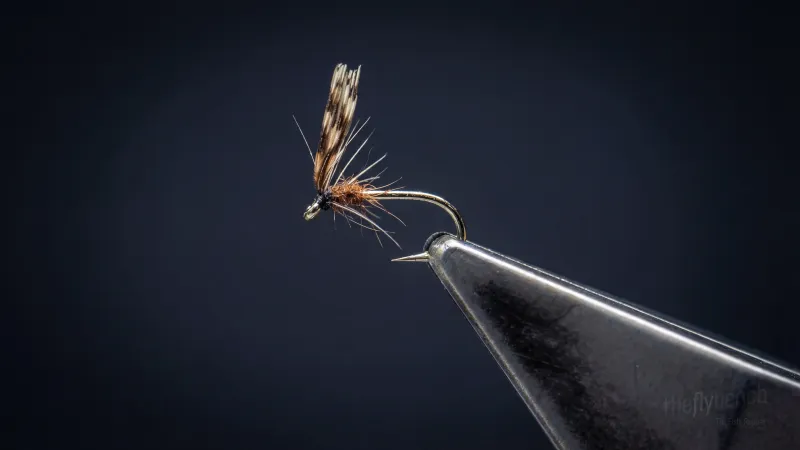
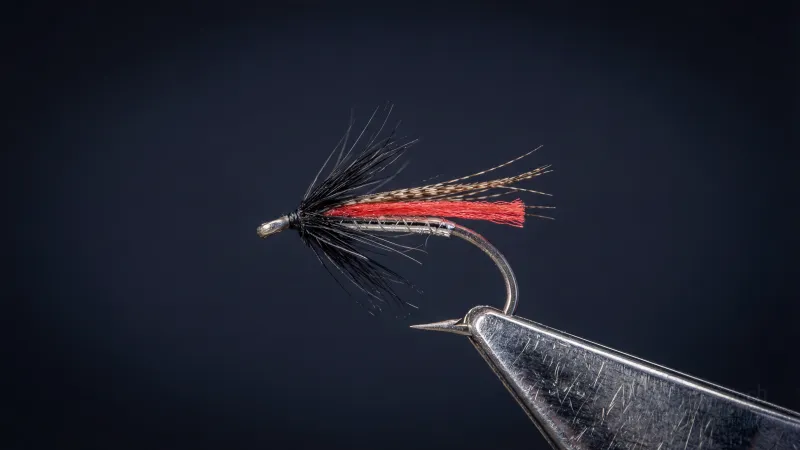
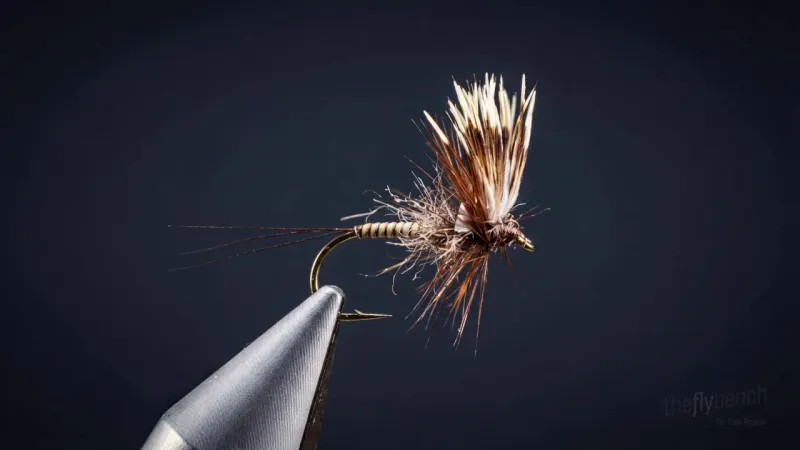
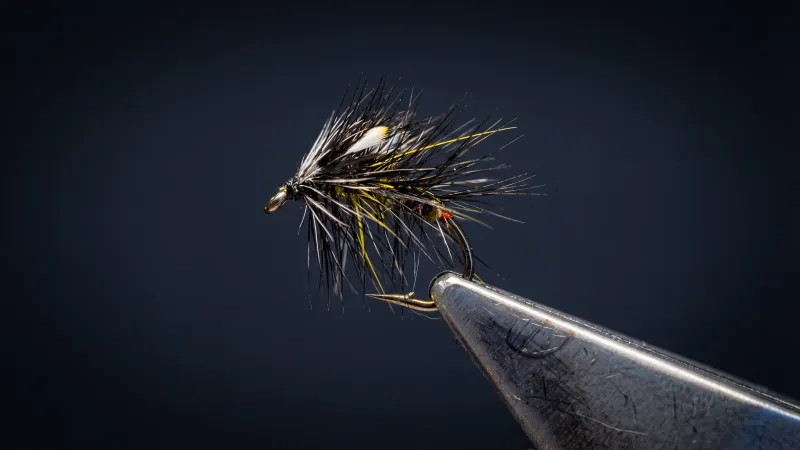
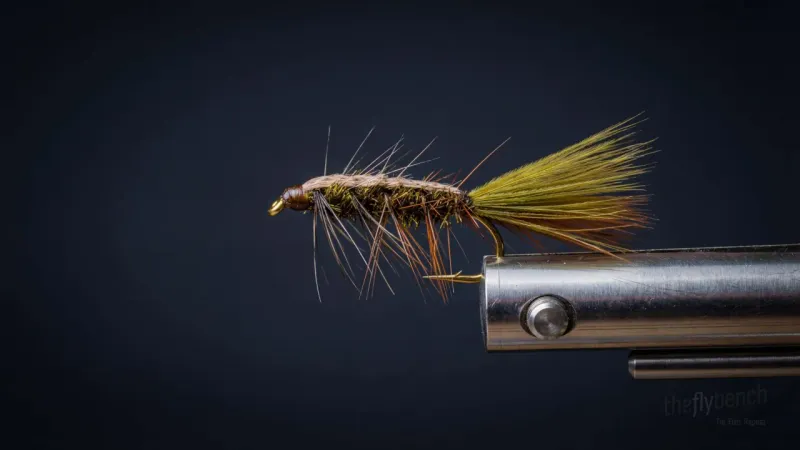
The Regular is a dry fly pattern designed by Mark Libertone. This effective pattern combines traditional materials with proven techniques for consistent results in a variety of water conditions.
Spring, Summer, Fall
Intermediate
Trout
Feb 2026
Overview
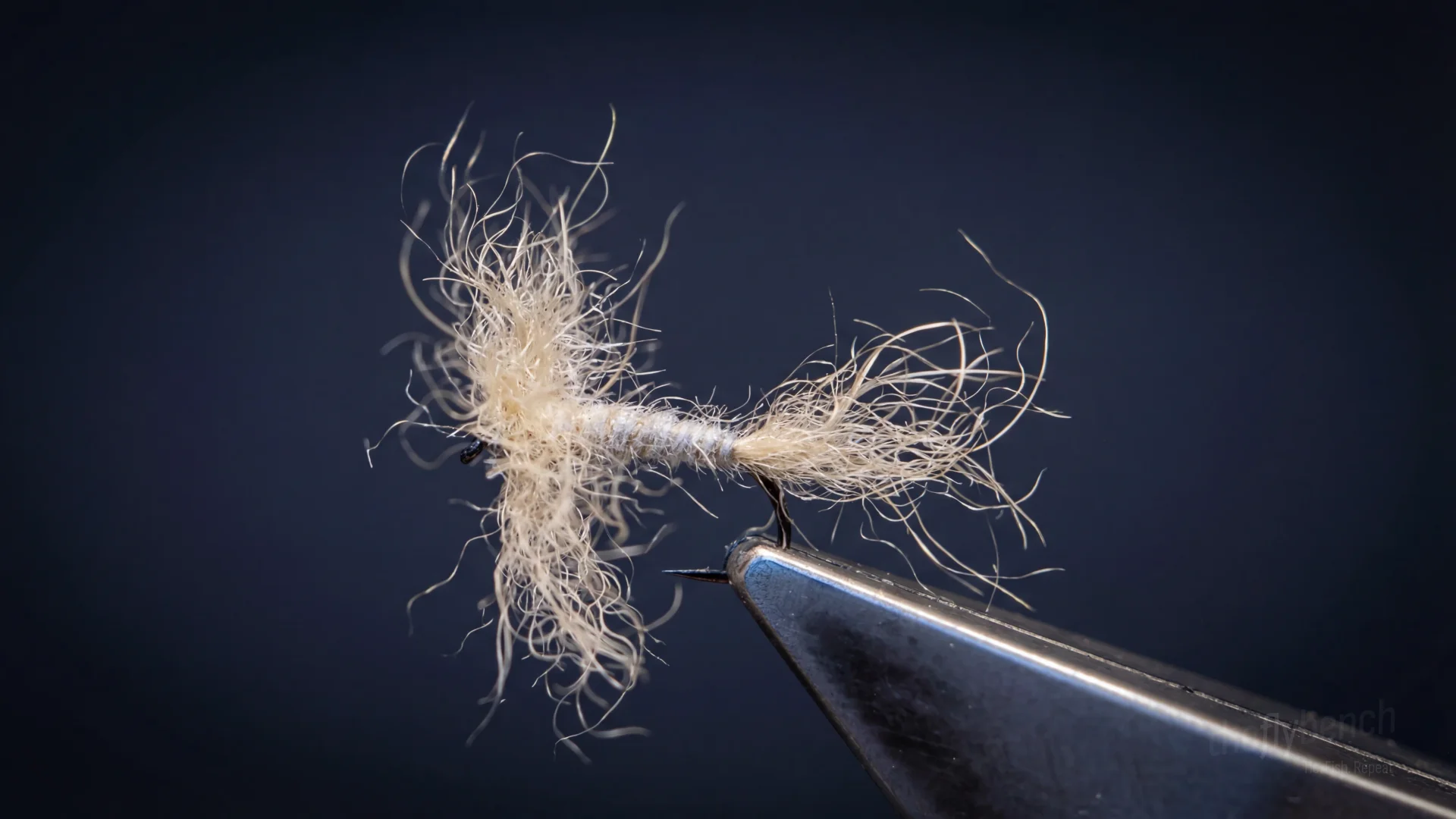
Mark Libertone's minimalist approach focuses on essential proportions and clean tying techniques. The pattern employs basic materials arranged to suggest multiple insect types without imitating any specifically. Balanced hackle and body proportions create natural flotation and a neutral profile that doesn't alarm selective trout. This searching pattern works when fish are feeding opportunistically but not locked into a specific hatch, making it ideal for prospecting unfamiliar water.
Where to Buy This Fly
We only link to fly shops we trust. Some links are referral links, which may earn us a commission at no extra cost to you.
Materials
- Hook:
- Tiemco 102Y #15
- Thread:
- Benecchi 12/0, grey
- Hair collar:
- Snowshoe, cream
- Tail:
- Snowshoe, cream
- Body:
- Mink underfur, tan
- Head:
- Mink underfur, tan
Behavior & Presentation
Natural Behavior: Adult insects drift on the surface during hatches with wings held upright or folded, riding downstream as they dry before taking flight. Anglers target these floating stages because fish feed confidently on abundant surface prey that can't quickly escape.
Where Trout Eat It: Fish take drifting adults in the surface film throughout freestone streams, tailwaters, spring creeks, and along weed edges and drop-offs in ponds.
How to Fish It: Dead drift with drag-free float through feeding lanes. Add occasional subtle twitches when targeting caddis-feeding fish to suggest natural movement on surface.
Best Water: Focus on moderate current seams, tail-outs, foam lines, and pocket water during hatches. Also productive along weed edges and drop-offs in lakes.
Strike Type: Watch for visible rises, subtle sips, or splashy eats depending on current speed and fish mood.
Fishing Strategy
Rigging Suggestions: Use a 9-12 foot leader tapered to 4X-5X tippet (5-6 pound test). Apply quality floatant to the hackle and body for extended floatation.
Seasonal Timing: Most productive from April through October, with peak effectiveness during mayfly emergences in May through July and caddis activity from June through September. Fish this pattern during morning and evening feeding periods.
Pro Tips: The upright wing and hackle profile make this an excellent searching pattern in pocket water. Size 12-16 covers most situations. Change fly size based on the naturals you observe on the water.
Entomology
Caddisflies paddle awkwardly on still water using their legs as oars, moving slowly toward emergent vegetation for shelter. Their labored surface progress makes them conspicuous targets for fish patrolling shallow margins where aquatic and terrestrial zones overlap.
- Order
- Trichoptera
- Common Name
- Caddisfly
- Organism Type
- insect
- Life Stage
- adult