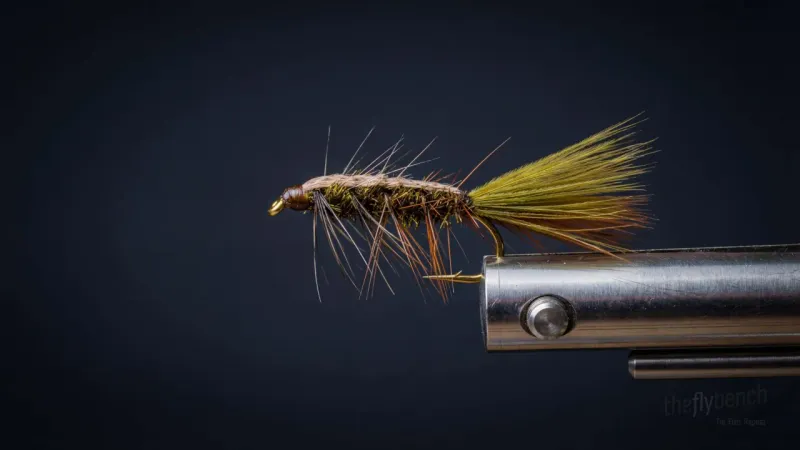
Dry FliesTummelweed
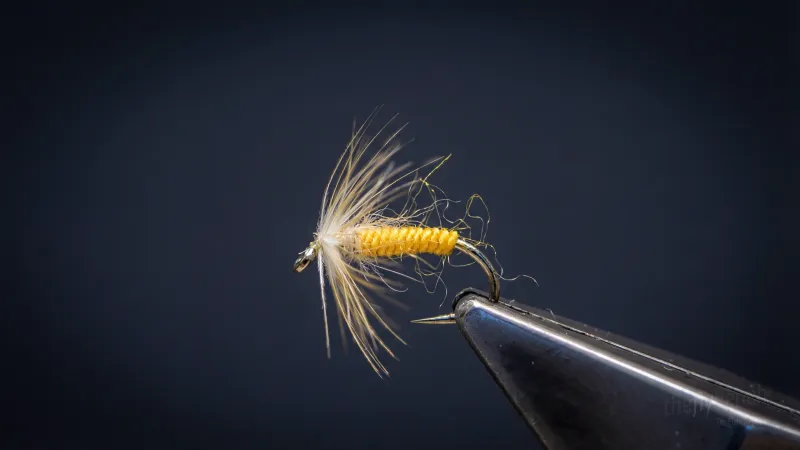
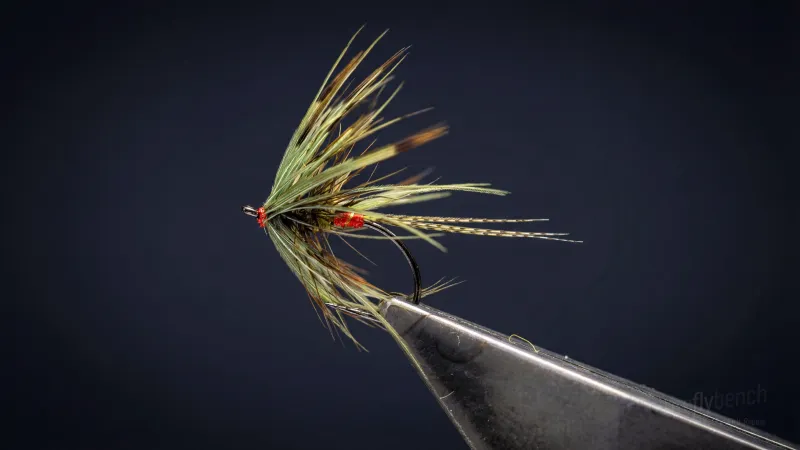
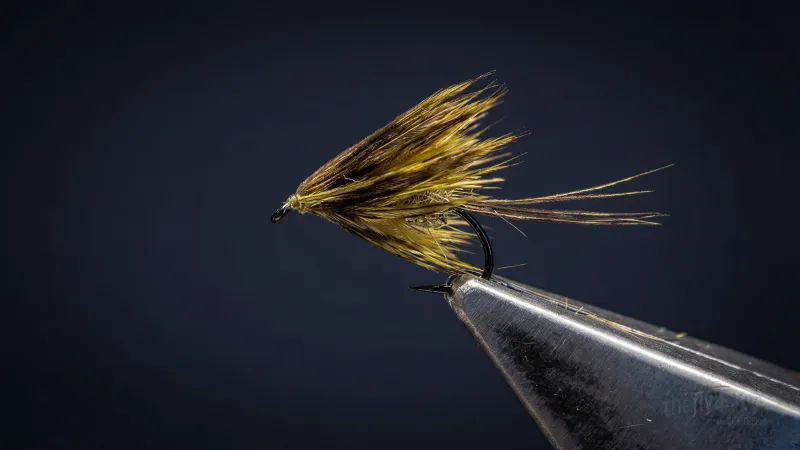
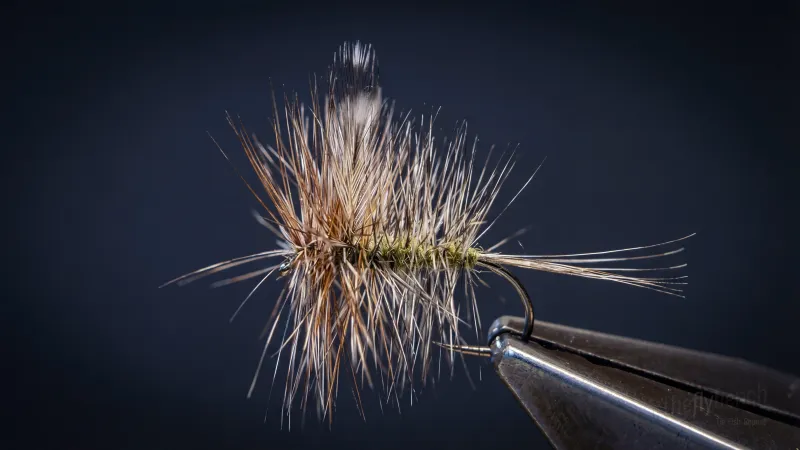
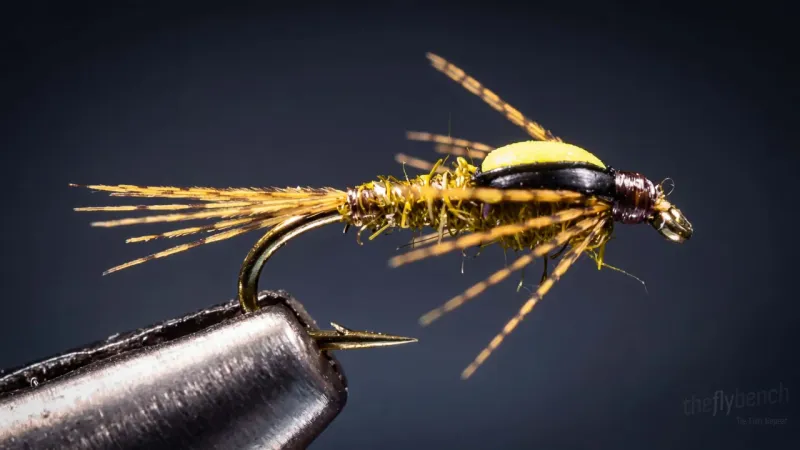
Bob Lindquist developed this pattern with unique tumbling action in current mimicking dislodged insects struggling on surface. Materials arranged to create instability causing natural drift behavior, particularly effective in pocket water and riffles. Sparse construction and strategic weight distribution allow natural riding while maintaining visibility.
Spring, Summer, Fall
Intermediate
Trout
Feb 2026
Overview
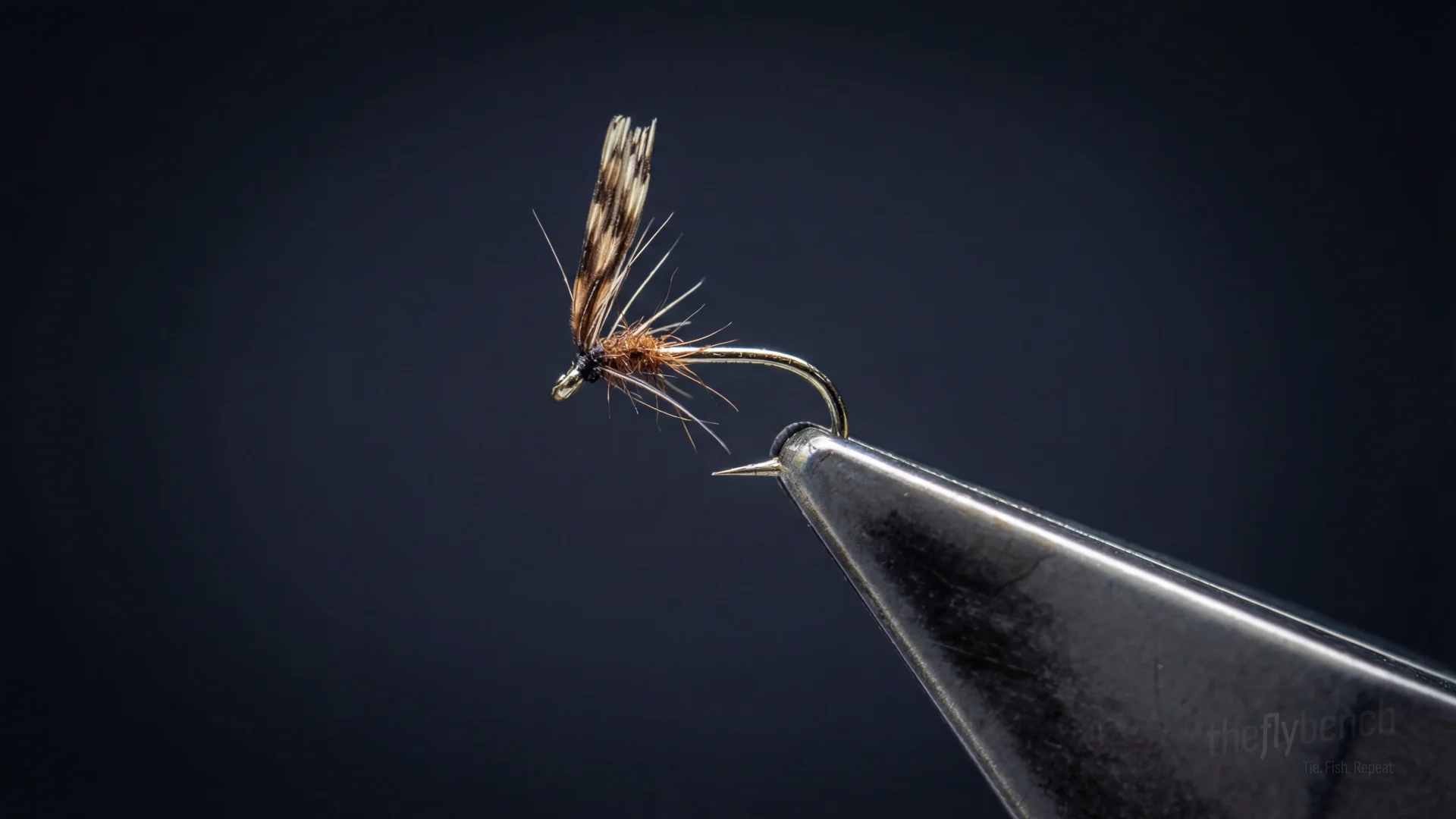
Bob Lindquist developed this pattern with a unique tumbling action in the current that mimics dislodged insects struggling on the surface. The materials are arranged to create instability that causes natural drift behavior, particularly effective in pocket water and riffles. The sparse construction and strategic weight distribution allow the pattern to ride naturally while maintaining visibility in complex current seams.
Where to Buy This Fly
We only link to fly shops we trust. Some links are referral links, which may earn us a commission at no extra cost to you.
Materials
- Hook:
- Kamasan B175 #16
- Thread:
- Benecchi 12/0, black
- Wing:
- Partridge tail barbs
- Hackle:
- Whiting Coq de Leon hen, medium pardo
Behavior & Presentation
Natural Behavior: Dislodged insects tumble erratically through pocket water and broken surface currents, their unstable drift creating distinctive struggling behavior that trout recognize as vulnerable prey. This chaotic motion signals easy targets unable to escape or take flight.
Where Trout Eat It: Fish position in pockets behind structure and along complex current seams where tumbling insects naturally collect. Broken water concentrates these struggling drifters in predictable feeding lanes.
How to Fish It: Allow intentional drag to activate the tumbling action through pocket water and seams, letting current irregularities create authentic struggling behavior. The design exploits natural drift chaos rather than perfect presentation.
Best Water: Excels in pocket water behind structure, riffle edges with complex currents, and current breaks where tumbling insects concentrate naturally in broken surface flows.
Strike Type: Expect aggressive strikes as trout react to the struggling behavior with confident takes, often rising quickly to intercept before the tumbling insect drifts past.
Fishing Strategy
Rigging Suggestions: Fish on 9-12 foot leader with 4X-5X tippet. Allow natural drag to activate the tumbling action rather than achieving perfect drag-free drift in complex currents.
Seasonal Timing: Most effective during runoff April through June and activity July through August when water temperatures range 50-65°F. Peak effectiveness occurs during higher flows when dislodged insects tumble naturally in current.
Pro Tips: Strategic weight distribution creates natural tumbling action in current. Rather than fighting drag in complex currents, allow natural drift irregularities to activate the struggling insect behavior that triggers strikes.
Entomology
Wind-driven caddis accumulate in foam lines and current seams where they drift helplessly in concentrated rafts. Trout position themselves strategically below these collection zones, sipping insects methodically from the surface as the current delivers a constant food supply.
- Order
- Trichoptera
- Common Name
- Caddisfly
- Organism Type
- insect
- Life Stage
- adult