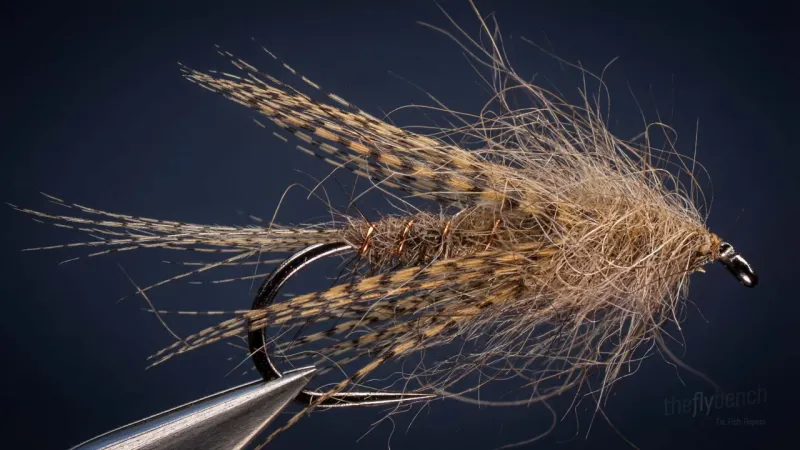
NymphFormerly Known As Prince
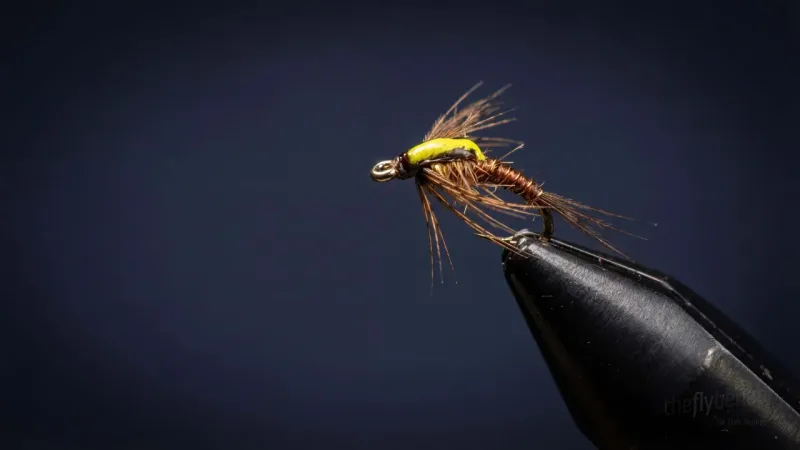
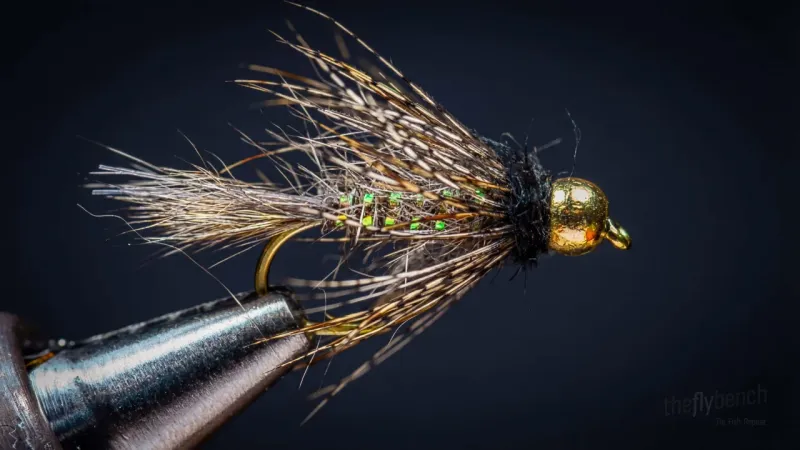
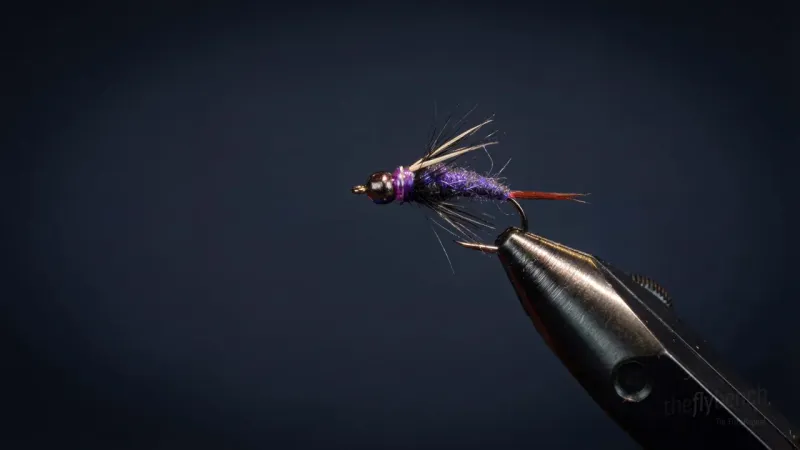
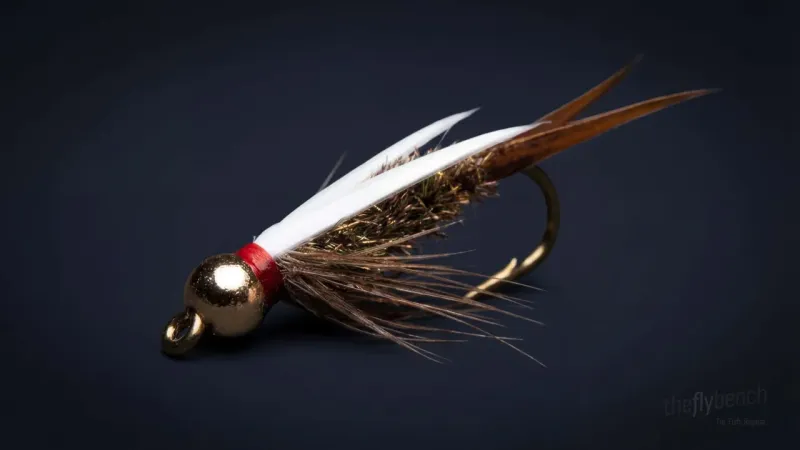
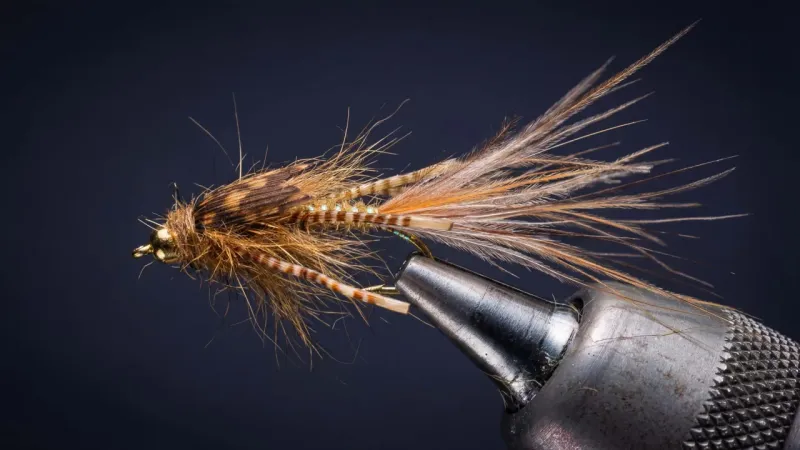
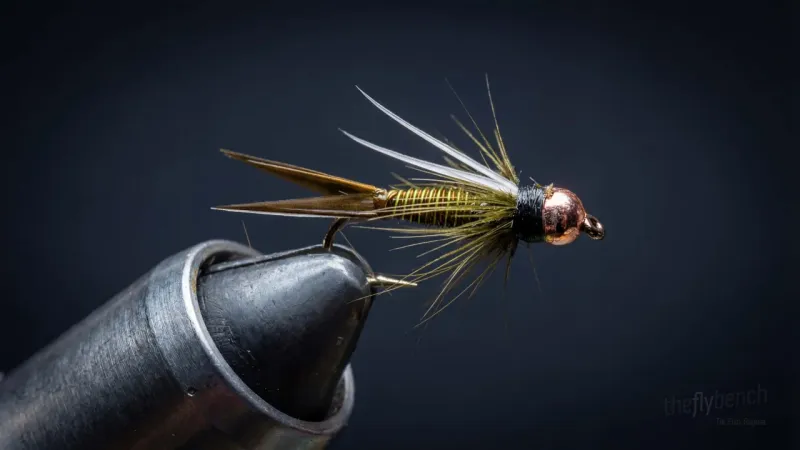
The Formerly Known As Prince, or FKAP, updates the classic Prince nymph with modern materials and techniques. With a flashy body and biot wings, this pattern is a great attractor nymph that can be fished in a variety of conditions.
Year Round
Intermediate
Trout
Apr 2025
Overview
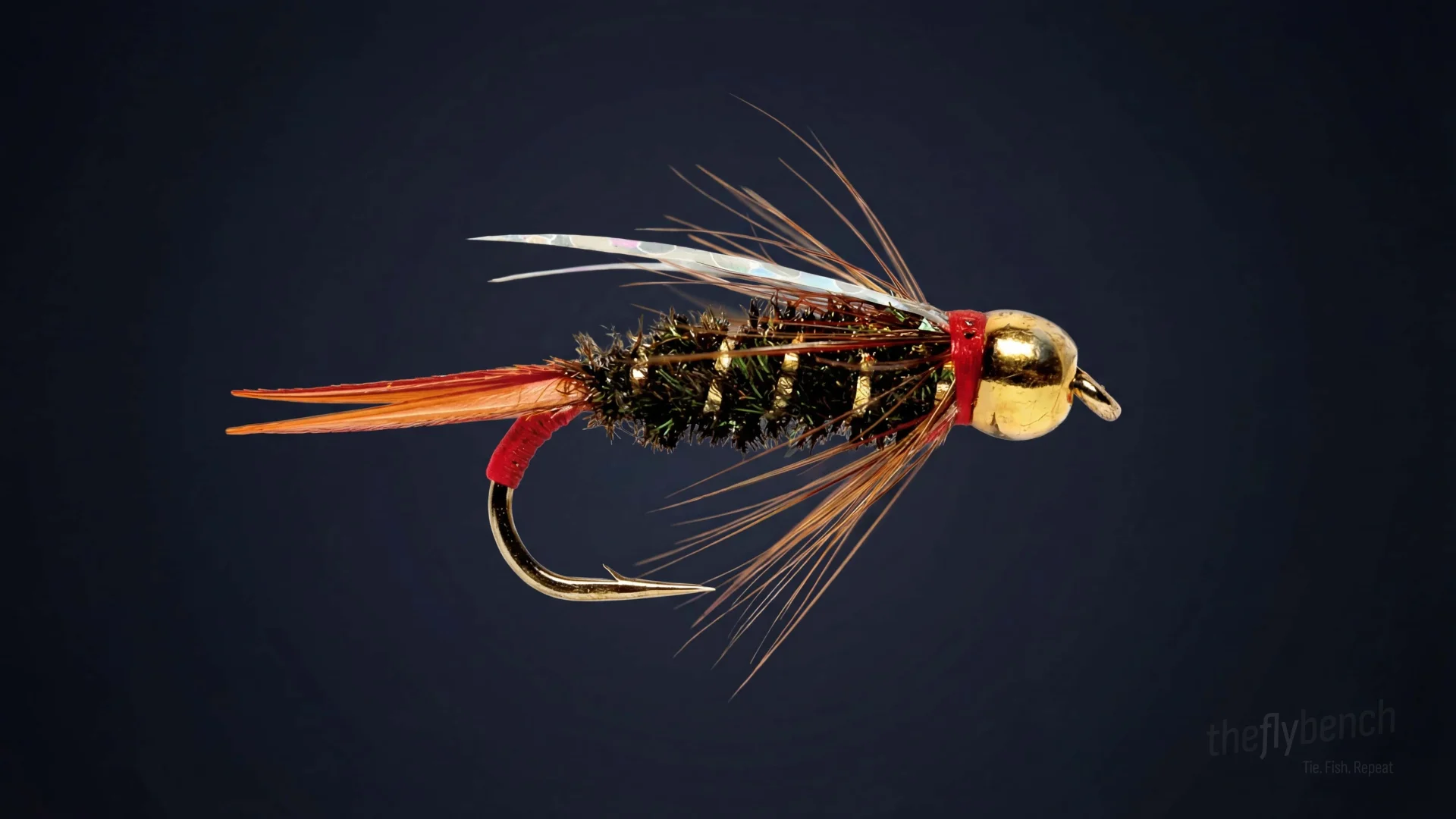
This flashy twist on the classic Prince Nymph swaps the traditional body for purple ice dubbing, giving it a vibrant, attractor-style profile. It retains the hallmark biot tails and wingcase but adds a hot spot and bright bead head for visibility and depth. It's tied like a standard Prince, with the main variation being the use of flashier synthetic dubbing and a sometimes colored bead for extra appeal.
Where to Buy This Fly
We only link to fly shops we trust. Some links are referral links, which may earn us a commission at no extra cost to you.
Materials
- Hook:
- #10-18 Tiemco 3769
- Bead:
- 5/64”-7/64” Gold Bead
- Thread:
- Red UTC 70
- Tail:
- Brown Goose or Turkey Biots
- Rib:
- Silver Tinsel
- Body:
- Peacock Herl
- Collar:
- Natural Partridge or India Hen Back
- Wings:
- Large Silver Holographic Tinsel
Behavior & Presentation
Natural Behavior: These large nymphs cling to rocky substrates in fast riffles and runs, foraging among cobble for detritus until dislodged by current or deliberate drift. Their substantial profile and meaty appearance make them high-value targets that trout pursue aggressively even in turbulent flows.
Where Trout Eat It: Trout feed on this pattern in deep runs, pocket water, and along drop-offs in rivers, and near weed beds at 5-15 feet in lakes.
How to Fish It: Dead-drift under an indicator in moderate currents or swing through faster water at drift's end.
Best Water: Most effective in deep runs, pockets, and along drop-offs where current delivers nymphs to feeding zones.
Strike Type: Indicator pauses or tightens as fish intercept the tumbling nymph—strikes may be subtle or aggressive depending on water flow.
Fishing Strategy
Rigging Suggestions: Use 4X to 5X tippet depending on water clarity. Fish solo or as the lead fly in a two-nymph rig with a smaller mayfly or midge pattern 18-20 inches below.
Seasonal Timing: Year-round producer, particularly effective during stonefly migrations from February through May and feeding periods in September and October. Works in all water temperatures. Excellent searching pattern when no specific hatch is occurring.
Pro Tips: The tungsten bead gets this pattern down quickly in heavy water. The peacock herl body creates subtle flash that attracts fish in various light conditions.
Entomology
Stonefly nymphs inhabit the rocky substrate of fast-flowing streams, crawling along the bottom in search of detritus and smaller invertebrates. Fish target them opportunistically when they're dislodged by current or during their multi-year nymphal stage, as their substantial size and meaty profile make them an energy-efficient meal worth pursuing even in heavy water.
- Order
- Plecoptera
- Common Name
- Stonefly
- Organism Type
- insect
- Life Stage
- general