Dry FliesHi-Vis Callibaetis Spinner
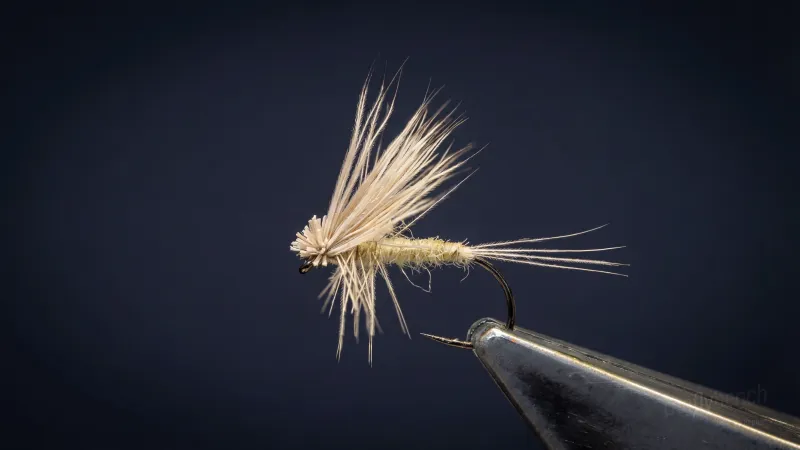
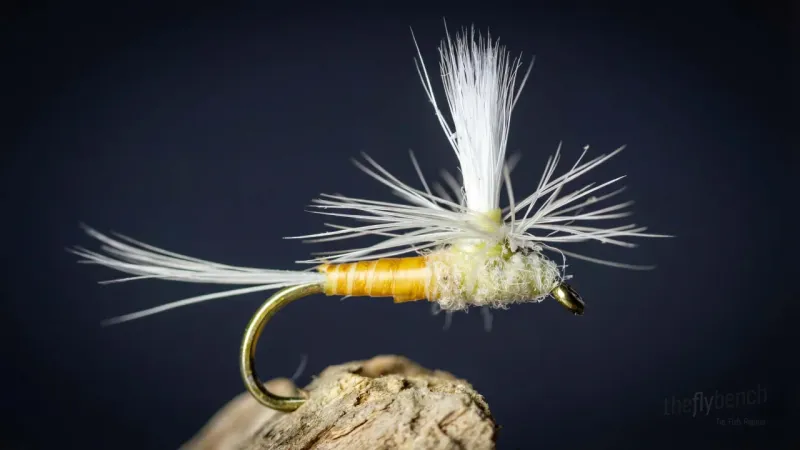
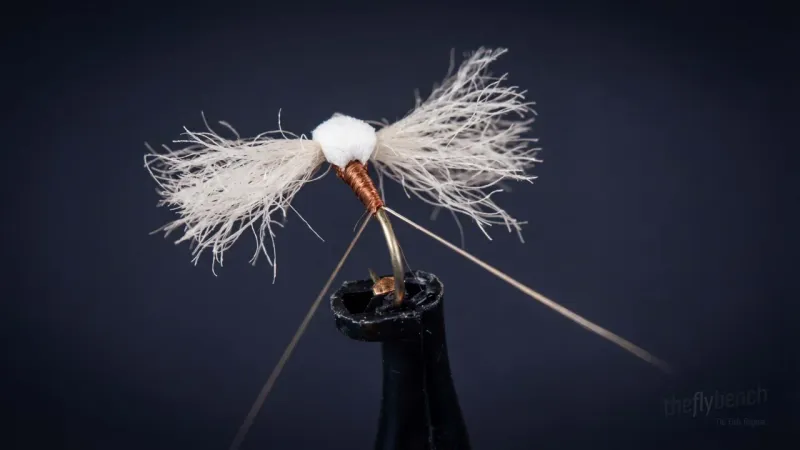
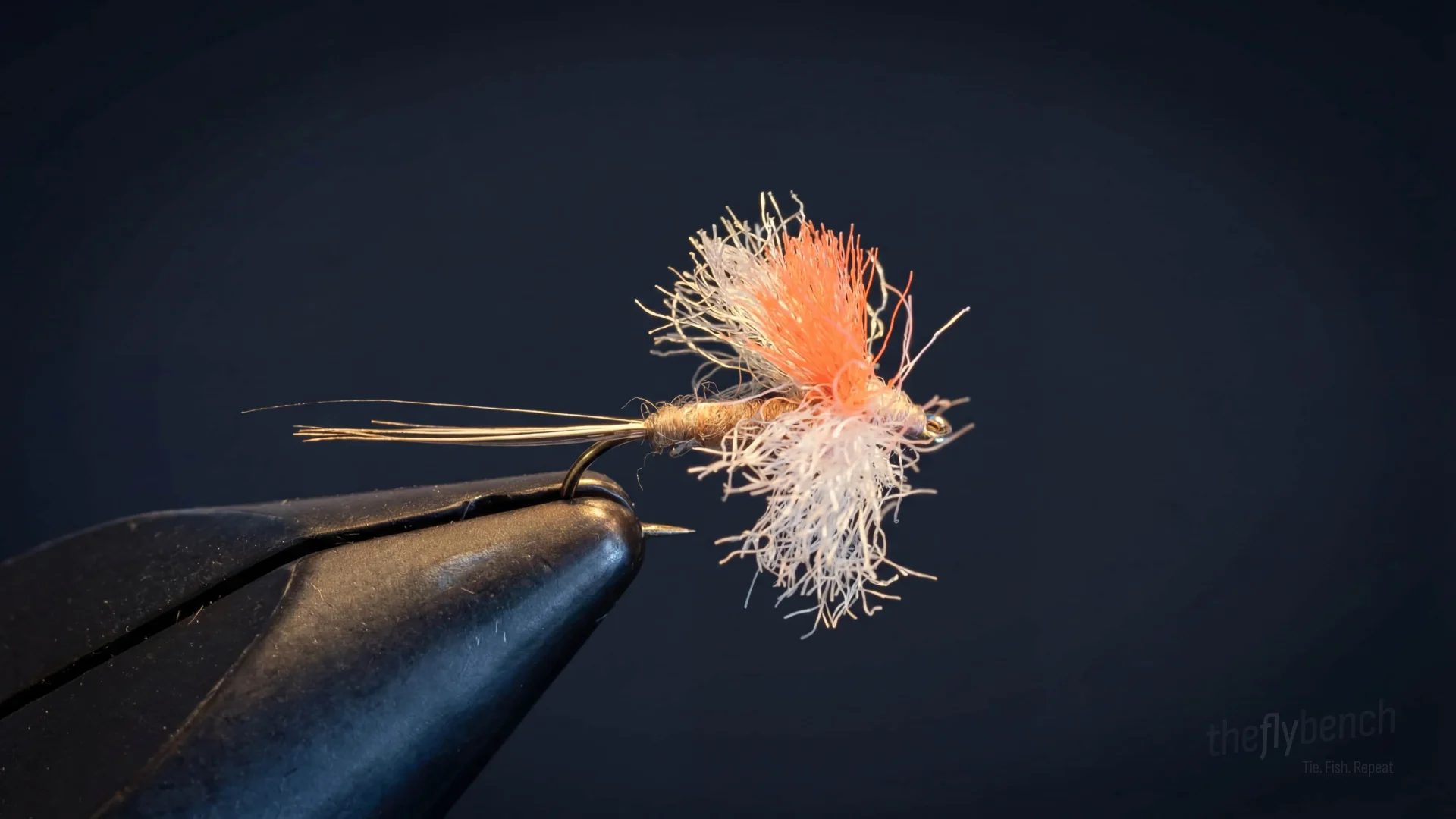
The Hi-Vis Callibaetis Spinner is a stillwater spinner pattern featuring a UV orange post for exceptional visibility during evening spinner falls. The white EP fiber wings lie flat to imitate the splayed wings of a spent mayfly, while the white mayfly tails and tan dubbing body complete the Callibaetis spinner profile. This pattern solves the visibility problem inherent in traditional spinner patterns.
Summer
Intermediate
Trout
Dec 2025
Overview
The Hi-Vis Callibaetis Spinner was developed at Blue Ribbon Flies to solve the visibility challenges of spinner fishing. The UV orange post is visible to the angler but positioned so fish see only the natural spinner silhouette from below. This innovation makes tracking the fly possible during low-light conditions when spinner falls typically occur.
Where to Buy This Fly
We only link to fly shops we trust. Some links are referral links, which may earn us a commission at no extra cost to you.
Materials
- Hook:
- Tiemco 100 or Umpqua U001, #16-18
- Thread:
- Uni-Thread, 8/0, rusty dun
- Tail:
- Mayfly Tails, white
- Body:
- Superfine Dubbing, tan
- Wing:
- EP Fibers, white
- Post:
- EP Trigger Point Fibers, UV orange
Behavior & Presentation
Natural Behavior: Callibaetis spinners descend from mating swarms to oviposit by hovering just above stillwater surfaces, releasing eggs before collapsing exhausted. Post-reproductive adults lie spent on the surface with translucent wings in cruciform posture, accumulating in wind-driven drift lines during calm evening periods when trout cruise lake flats intercepting concentrated spinner falls.
Where Trout Eat It: Trout cruise stillwater flats during evening spinner falls, intercepting spent insects in wind-driven drift lines.
How to Fish It: Use 12-15 foot leaders with 5X-6X tippet. The UV post tracks the fly while fish see natural silhouette from below.
Best Water: Lake flats and calm bays where spinners accumulate along predictable wind-driven currents.
Strike Type: Watch for cruising rises along wind lanes—fish intercept spinners with deliberate sipping takes as they patrol predictable drift lines, requiring the angler to lead cruisers and set gently when the rise form appears.
Fishing Strategy
Rigging Suggestions: Fish on 12-15 foot leader with 5X-6X tippet. Long leaders are essential for lakes presentations.
Seasonal Timing: Most effective from June through August during Callibaetis spinner falls. Peak activity occurs in the evening hours when spinners return to the water to lay eggs and die.
Pro Tips: The post position minimizes fish detection.
Entomology
Callibaetis mayfly spinners complete mating swarms over stillwaters before females descend to oviposit by releasing eggs while hovering just above the surface film. Exhausted post-reproductive adults collapse onto the water with translucent wings spread in a cruciform posture, drifting helplessly in wind-driven currents. Their accumulation during calm evening periods creates concentrated feeding opportunities, with cruising trout intercepting spinners along predictable drift lines in lakes and ponds.
- Order
- Ephemeroptera
- Common Name
- Mayfly
- Organism Type
- insect
- Life Stage
- adult