Dry FliesHackle Stacker Hendrickson
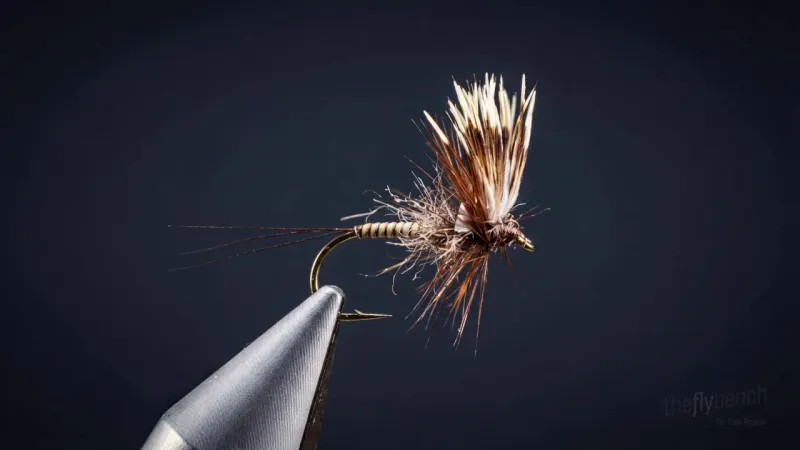
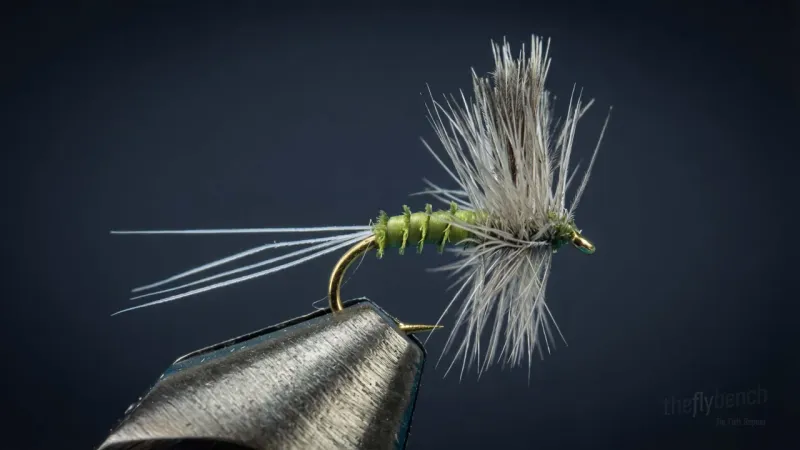
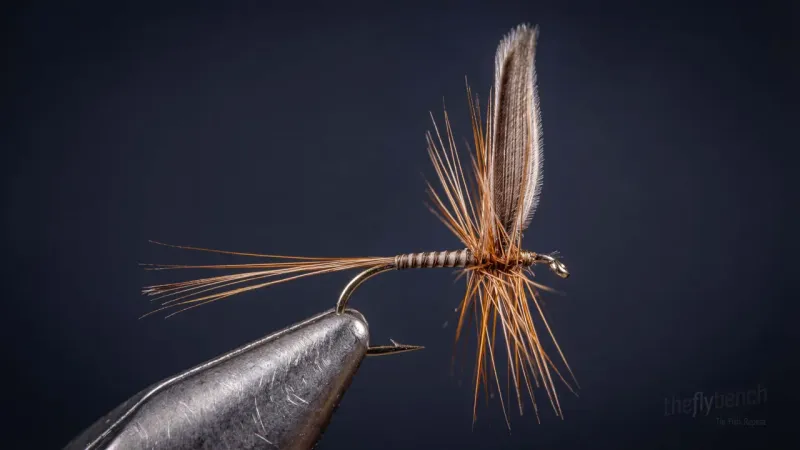
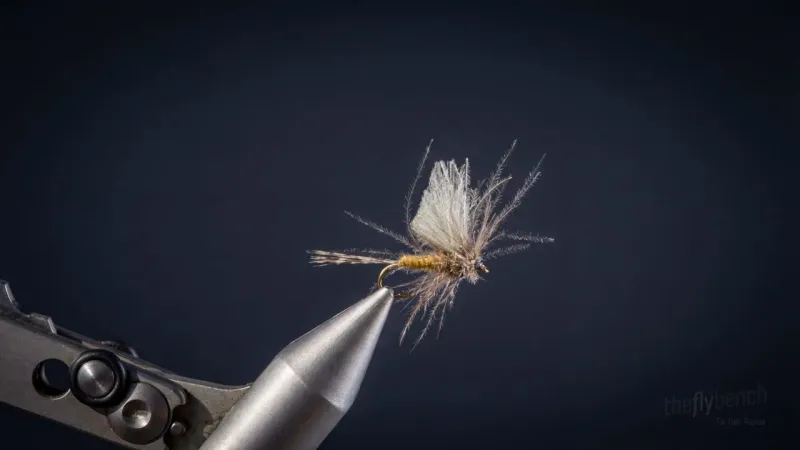
The Hackle Stacker Hendrickson is a dry fly pattern that's known for its high visibility and buoyancy. It effectively imitates the adult stage of a Hendrickson mayfly, making it a popular choice during a Hendrickson hatch.
Spring
Advanced
Trout
Apr 2025
Overview
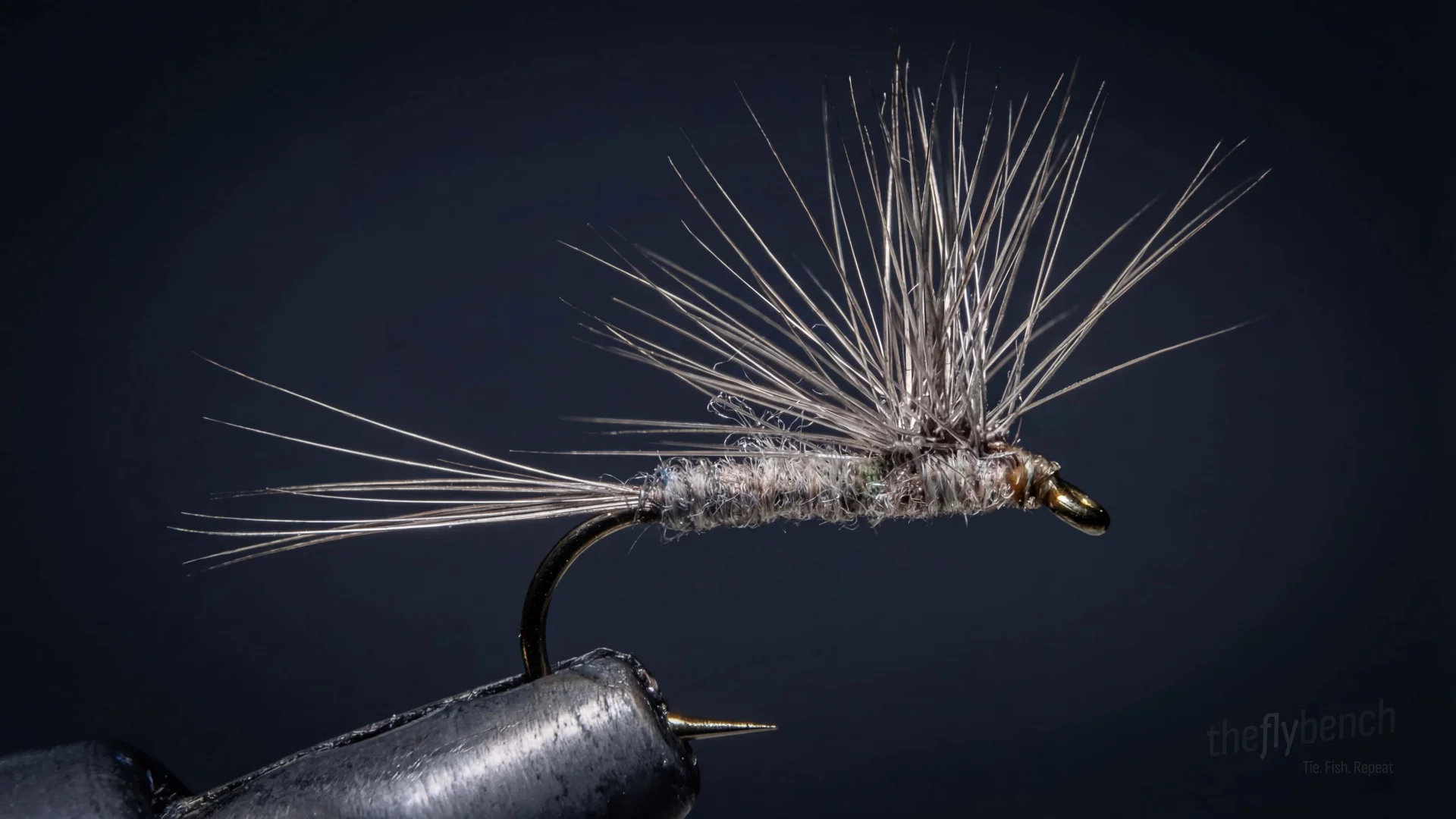
This elegant dry fly variation uses a stacked hackle technique over a dubbed thorax and upright wing, allowing the hackle to splay out horizontally for a lifelike footprint. Tied in pinkish or reddish hues to match the Hendrickson hatch, it floats well in moderate current.
Where to Buy This Fly
We only link to fly shops we trust. Some links are referral links, which may earn us a commission at no extra cost to you.
Materials
- Hook:
- Standard dry-fly hook (here, a Mustad 94840), sizes 12-20.
- Thread:
- 6/0 or 140 Denier, olive.
- Tail:
- Hackle fibers, medium dun.
- Body:
- Spirit River UV2 Fine and Dry dubbing, Hendrickson pink.
- Wing:
- Undersize medium dun hackle.
- Thorax:
- Spirit River UV2 Fine and Dry dubbing, Hendrickson pink.
Behavior & Presentation
Natural Behavior: Newly-emerged duns rest motionless in the surface film while wings dry before flight, drifting helplessly in pools and tail-outs during classic eastern hatches. This extended vulnerability concentrates trout in predictable feeding lanes during rhythmic rises.
Where Trout Eat It: Trout feed on floating duns in the surface film of glides, tail-outs, and smooth riffles where mayflies concentrate.
How to Fish It: Use upstream reach casts for drag-free drift over rising fish during emergence periods.
Best Water: Most effective in tail-outs, glides, and smooth riffles where duns collect during late-morning through mid-afternoon hatches.
Strike Type: Look for visible rises, methodical sips, or expanding surface rings during rhythmic feeding.
Fishing Strategy
Rigging Suggestions: Use a 9 to 12-foot leader tapered to 5X or 6X tippet for selective trout. The fly can be fished alone or with an emerging nymph pattern 18-24 inches below in a dry-dropper setup.
Seasonal Timing: Most effective during the Hendrickson hatch from late April through mid-May, depending on latitude and elevation. Water temperatures from 48-54°F trigger emergence.
Pro Tips: The Hackle Stacker design adds extra buoyancy and visibility in rough water while maintaining a low profile in calm conditions. Watch for the distinctive reddish-brown naturals on the water before selecting your fly size.
Entomology
Hendrickson duns rest motionless on the water surface after emerging from their nymphal shucks, allowing their wings to dry before taking flight in the cool spring air. Fish rise rhythmically during this classic eastern hatch because the newly-emerged mayflies drift helplessly for extended periods in the slower water of pools and tailouts, concentrating trout feeding activity in predictable lanes.
- Order
- Ephemeroptera
- Family
- Ephemerellidae
- Common Name
- Hendrickson
- Organism Type
- insect
- Life Stage
- adult