

Overview
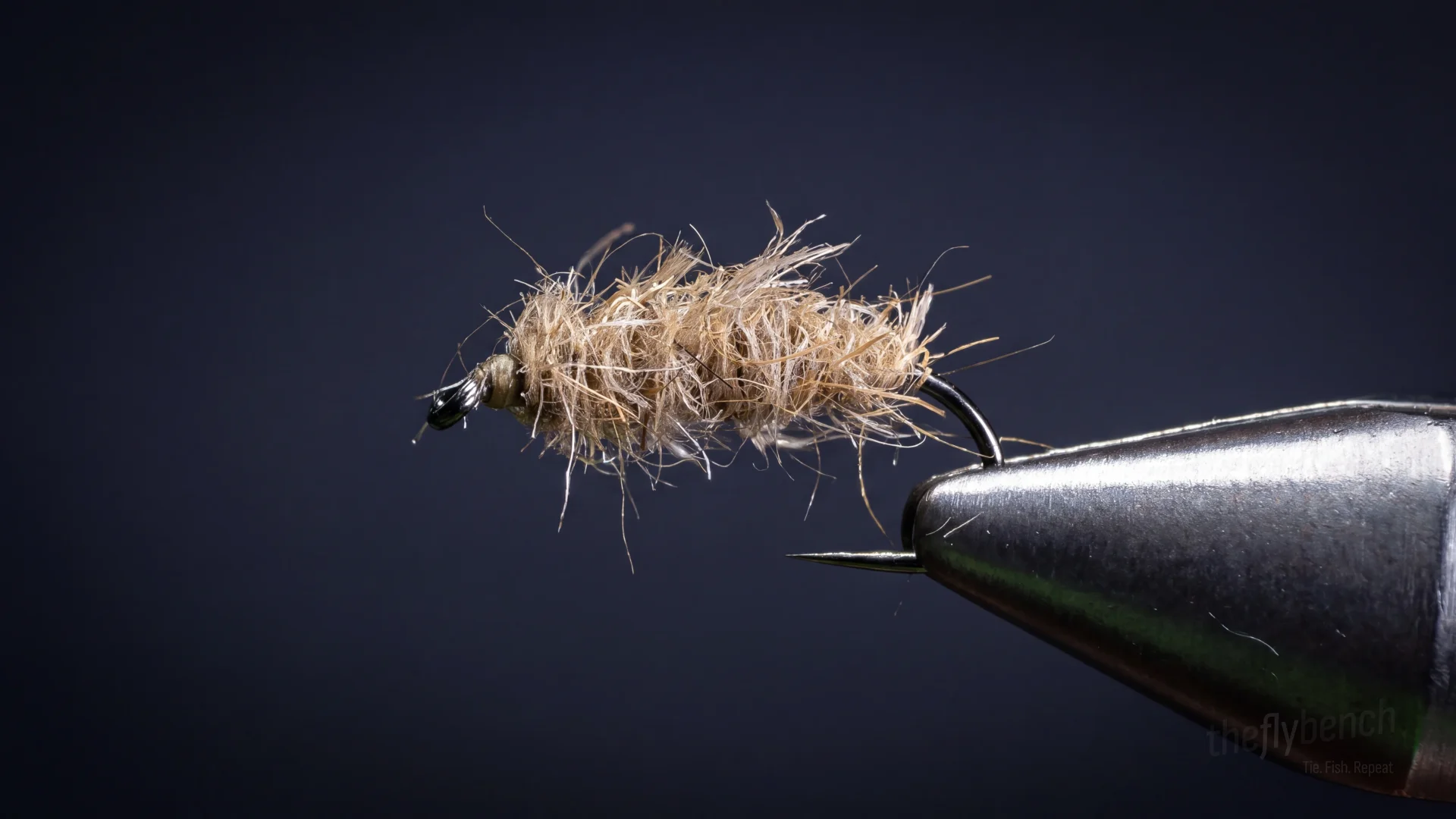
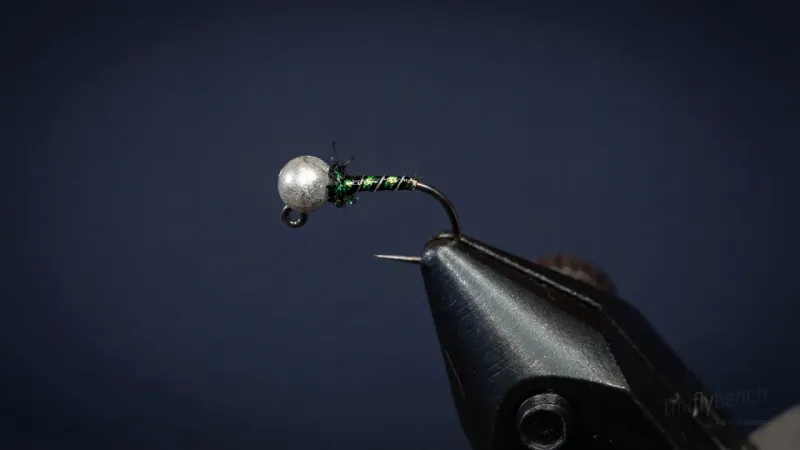
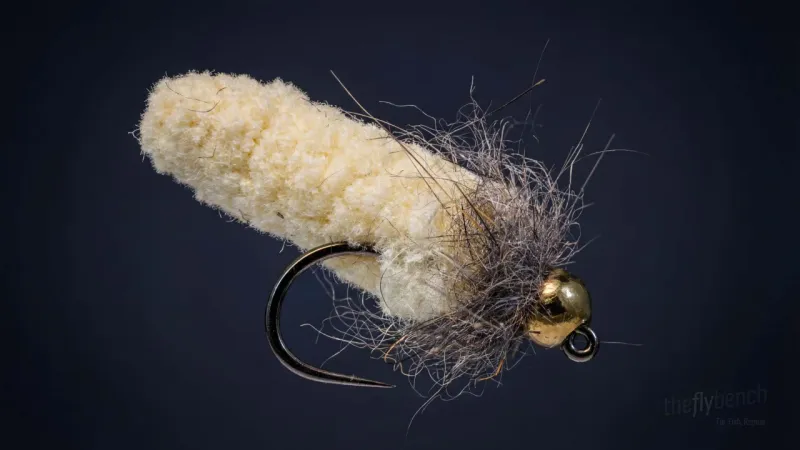
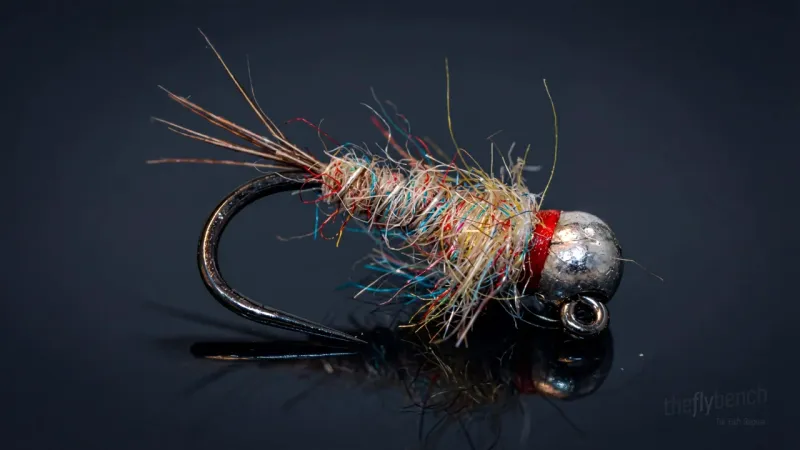
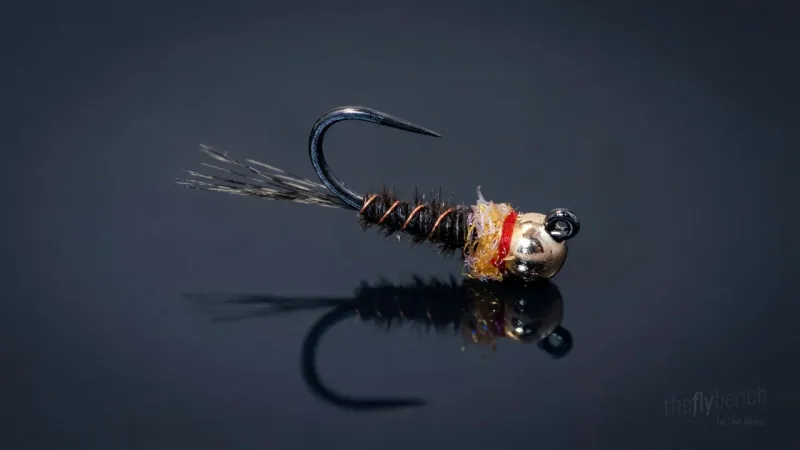
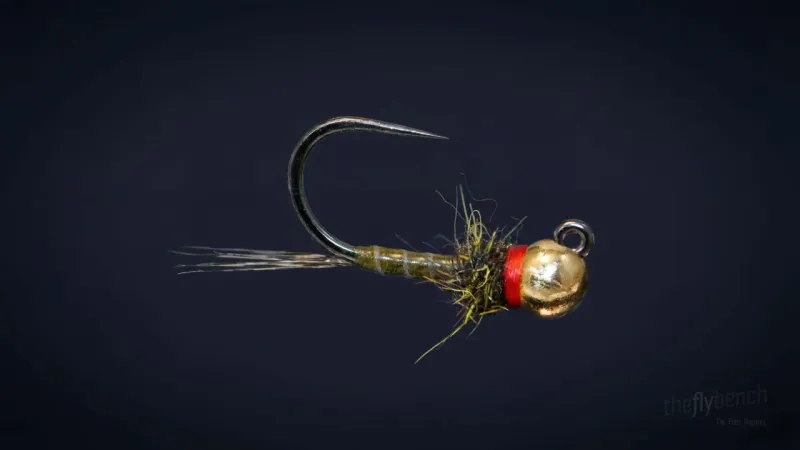
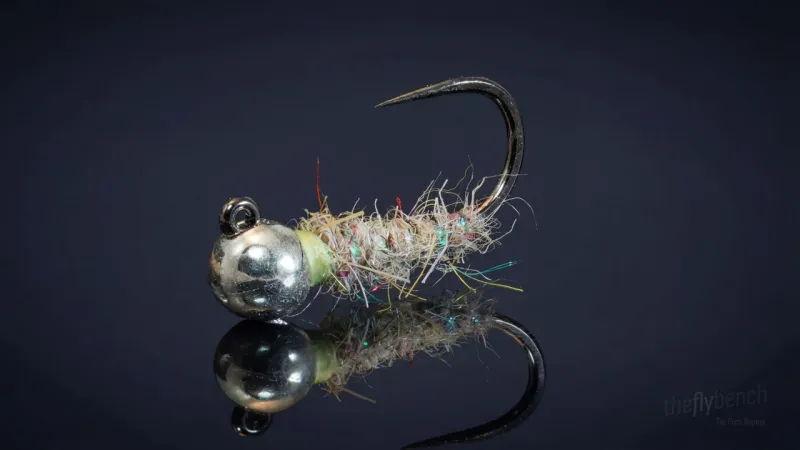
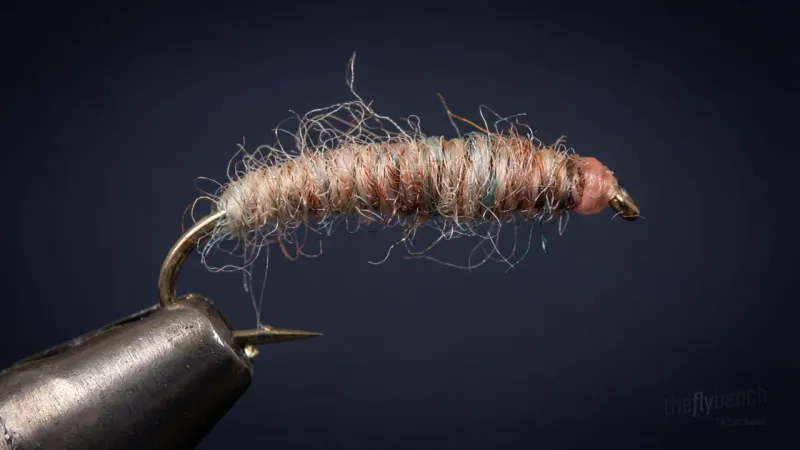
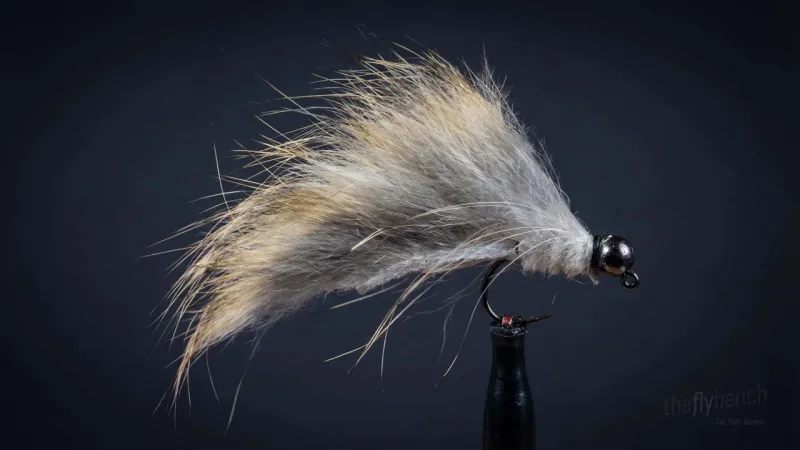
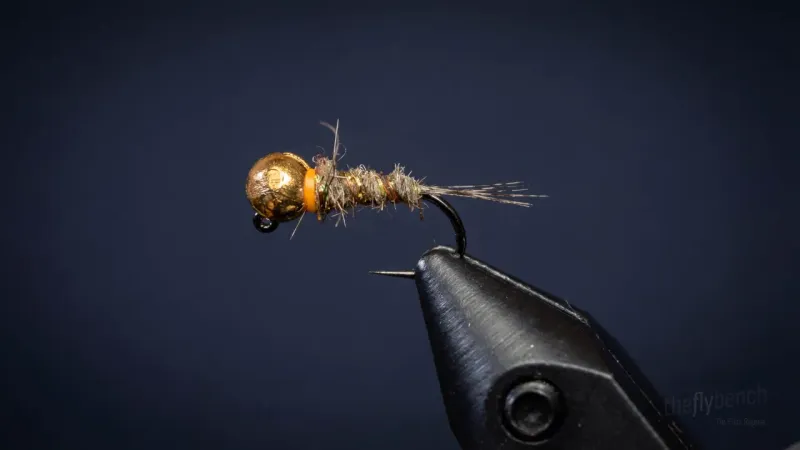
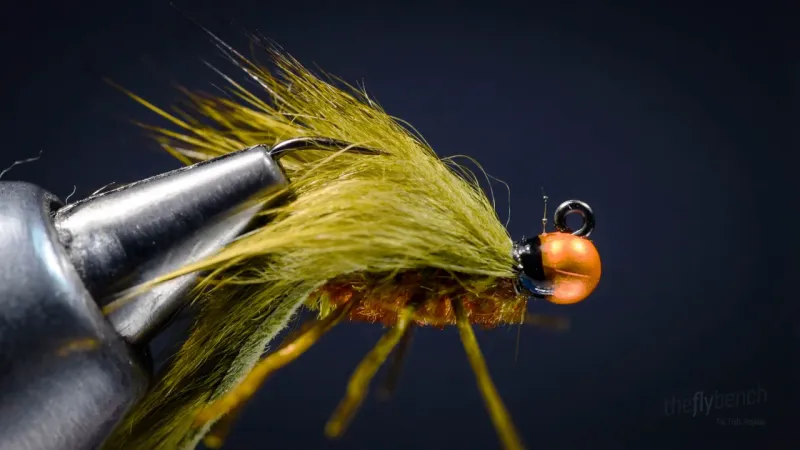
Walt Young built the fly in 1984 to get his nymphs deep in Spring Creek's heavy spring flows, and it later became a staple in central Pennsylvania fly shops. The whole fly is lead wire and dubbing: taper the body like a cigar and pick it out hard so guard hairs stand up. Loren Williams' Sexy Walt's Worm is the best-known variant.
Related patterns
Behavior & presentation
- Natural Behavior
- Crane fly larvae live buried in gravel and leaf litter, and rising water scours them loose, sending fat, grub-like bodies rolling downstream with no way to swim back to cover.
- Where Trout Eat It
- Trout slide into soft water just off heavy current after rain or snowmelt and pick off larvae washing along the bottom of limestone creeks and rocky runs.
- How to Fish It
- Tight-line it as the point fly, leading the drift slightly slower than the surface current so the weighted body stays in the bottom foot of water. Under an indicator, set depth at roughly one and a half times the water depth.
- Best Water
- Deep slots below riffles, the soft seam beside a fast chute, undercut banks, and gravel tail-outs where dislodged larvae slow down and settle.
- Strike Type
- The sighter stalls or twitches upstream. A heavy fly near bottom often makes a take feel like a brief snag on a rock, so set on every hesitation.
Fishing strategy
- Rigging Suggestions
- Fish it as the anchor fly on a two-fly euro rig with 4X-5X fluorocarbon tippet and a lighter nymph 18-20 inches above. Go to #10-#12 in high water and #14-#16 in normal flows. On an indicator rig the lead underbody usually removes the need for split shot in moderate depths.
- Seasonal Timing
- Strongest during spring high water (March-May) and after summer storms when rising flows dislodge larvae. Fly Fishers Paradise also reports it producing during March Brown and Perla stonefly hatches, and it remains a dependable winter searching fly in spring creeks.
- Pro Tips
- Stack the lead wraps toward the front third of the shank so the dubbed body tapers naturally. The rough, picked-out dubbing is what makes the fly work, so don't trim it neat. It is cheap and fast to tie, so fish it tight to the bottom without worrying about losses.
Entomology
Crane fly larvae burrow in gravel, silt, and decaying leaves on stream bottoms, feeding on organic matter. High or rising water washes them out of the substrate, and their large, soft bodies make an easy, high-calorie meal for trout.
- Order
- Diptera
- Family
- Tipulidae
- Common name
- Crane Fly
- Organism
- insect
- Life stage
- larva
Pattern details
- Moving Water
- Northeast
- tight-line-nymph
- dead-drift
- indicator-nymph
- competition
- classic
- beginner-friendly
- searching-pattern
- high-water
- spring-creek