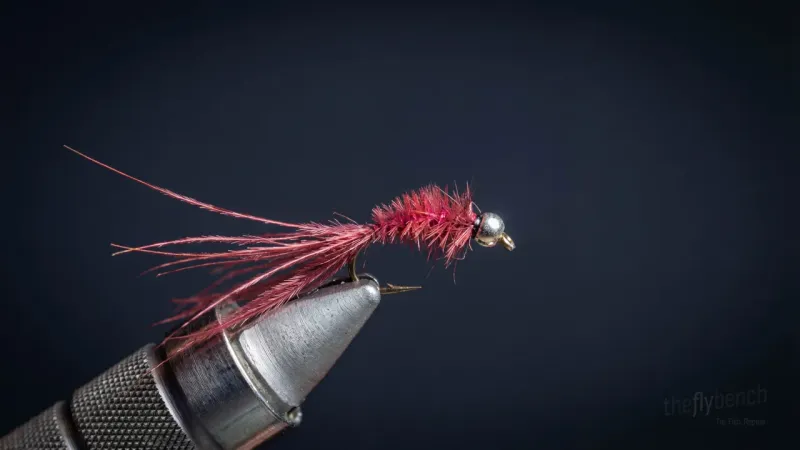
NymphFlying Squirrel
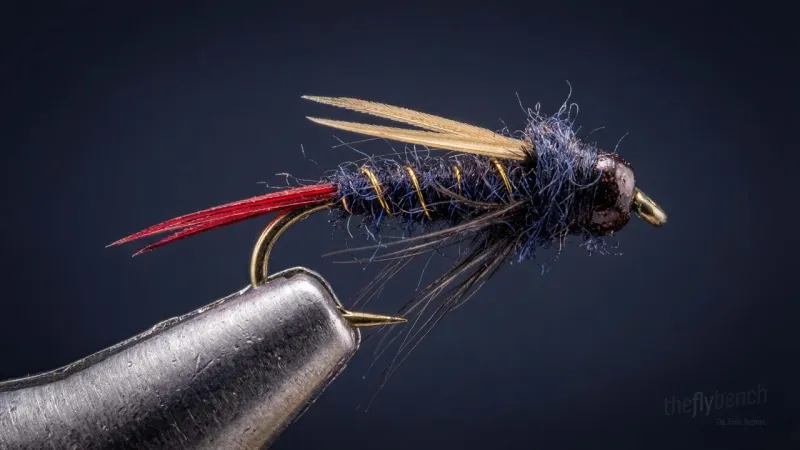
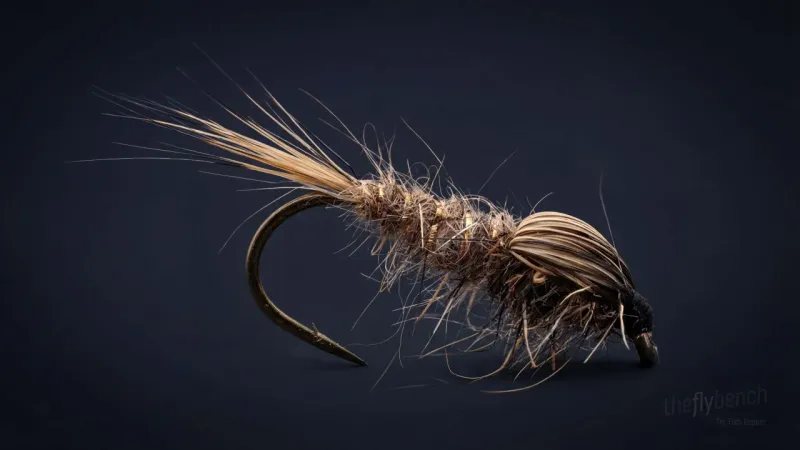
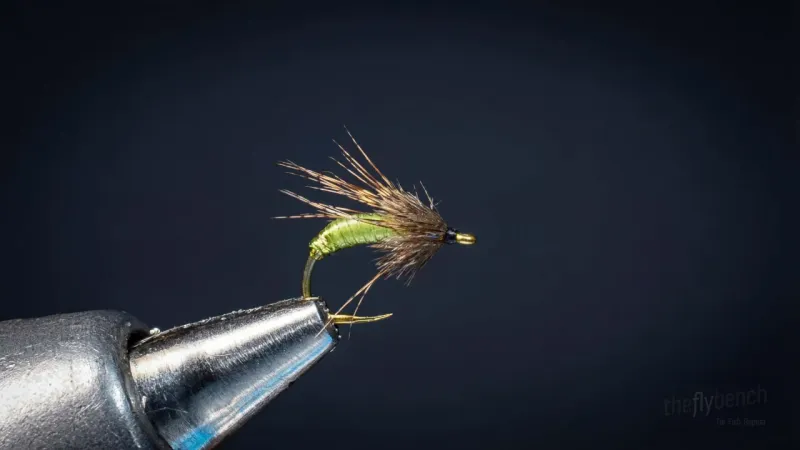
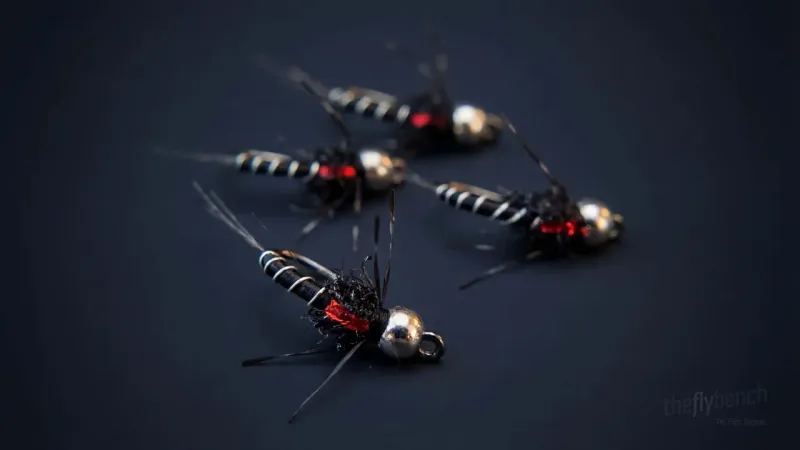
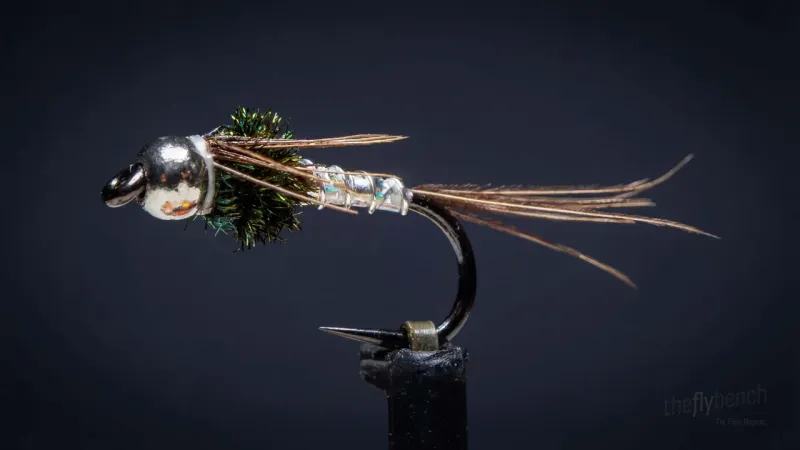
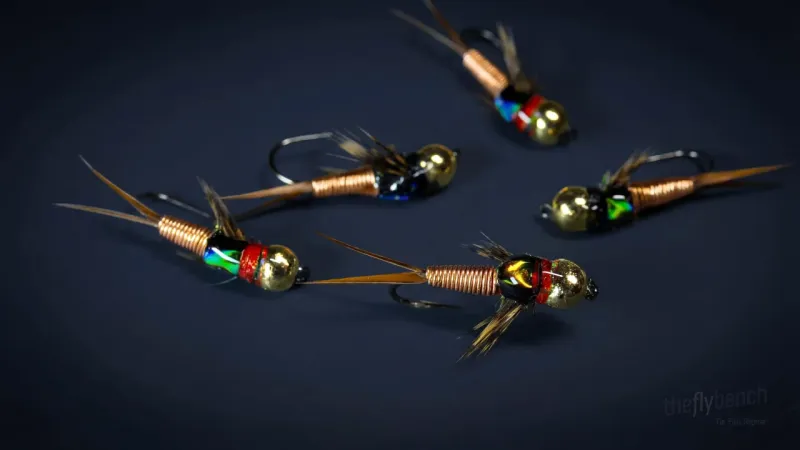
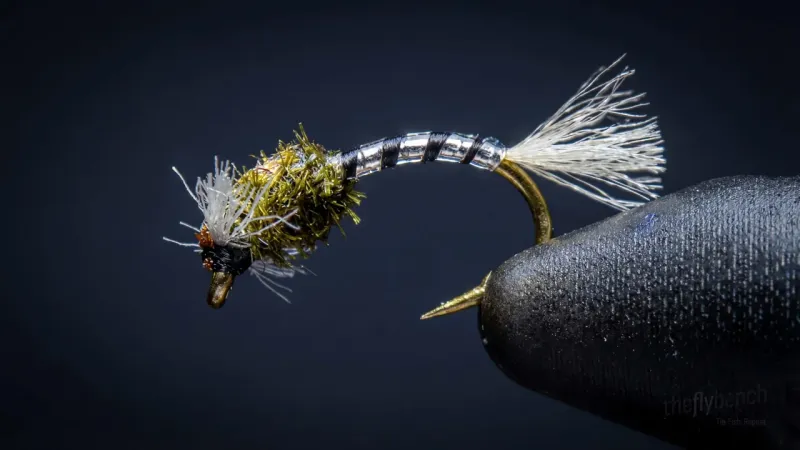
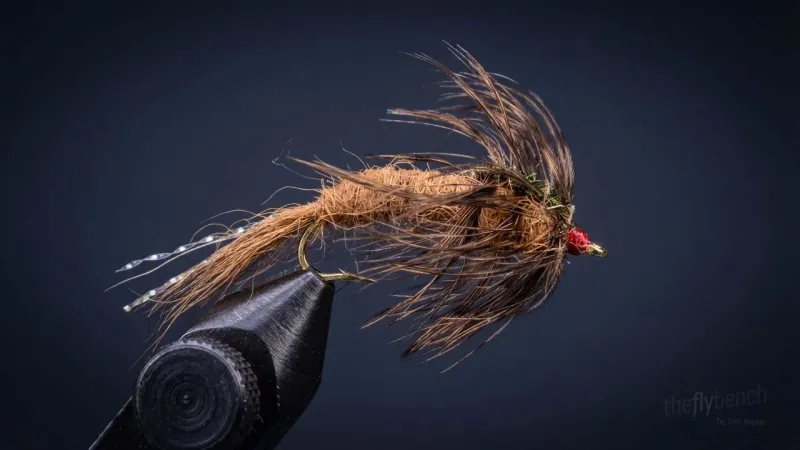
A buggy, flashy attractor nymph that combines natural squirrel dubbing with UV flash and a hot spot collar. The Flying Squirrel is designed to get deep quickly and trigger strikes from fish feeding near the bottom, especially in fast or stained water.
Year Round
Advanced
Trout
Dec 2025
Overview
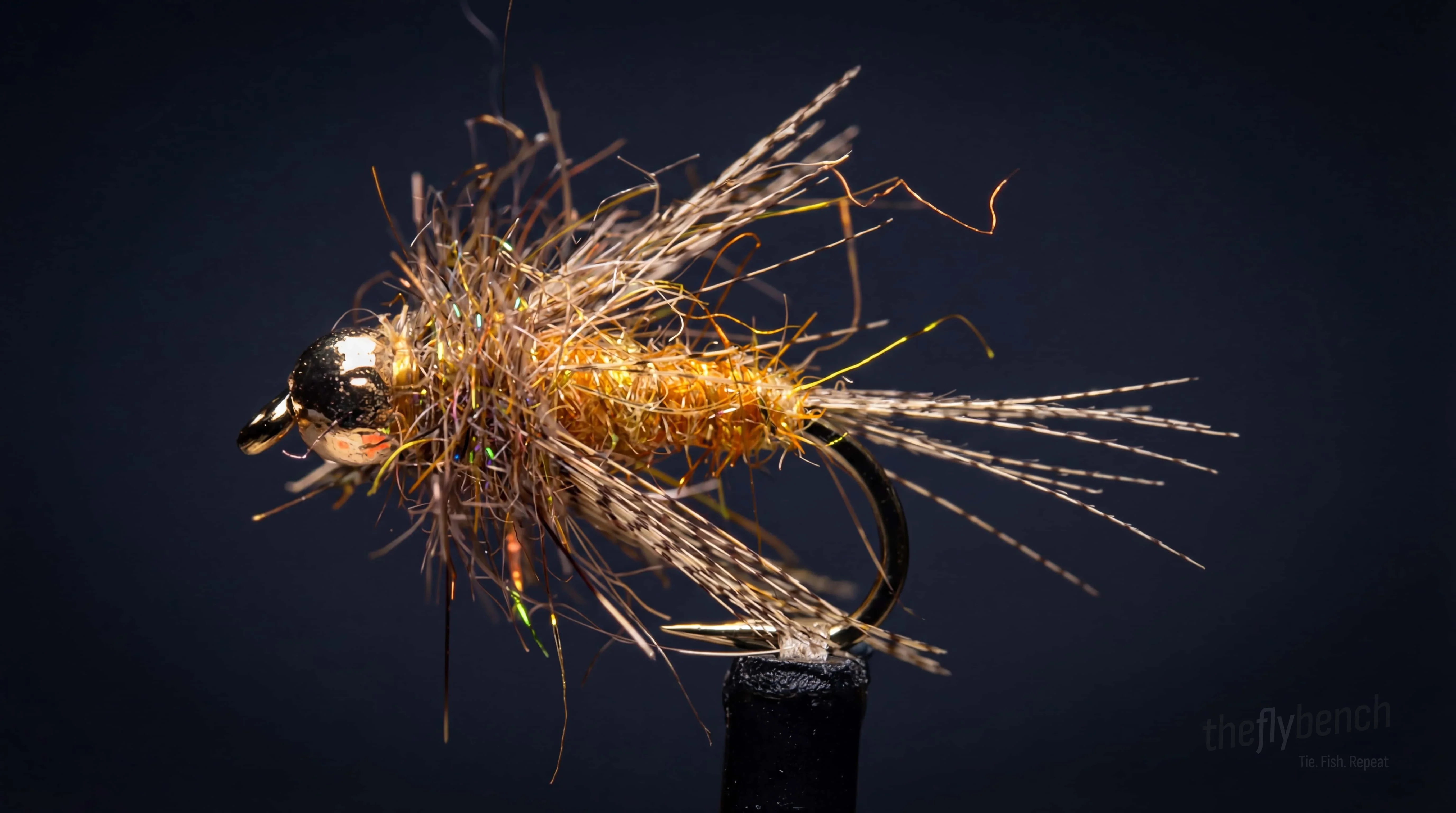
This nymph pattern gets its name from the use of natural squirrel dubbing, which gives the fly a spiky, buggy appearance. It's typically tied with a slender dubbed body, copper wire ribbing, a thorax of UV-enhanced or natural squirrel dubbing, and often a small hotspot or bead. The spiky fibers breathe and move well underwater, making it ideal for Euro-style or traditional nymph rigs.
Where to Buy This Fly
We only link to fly shops we trust. Some links are referral links, which may earn us a commission at no extra cost to you.
Materials
- Hook:
- Daiichi Hook 1710, Size #12-16
- Weight:
- .15 lead free wire
- Bead:
- Tungsten, Gold
- Thread:
- UTC 70 denier, Wood Duck
- Body:
- Squirrel Dubbing, Red Fox
- Ribbing:
- Ultra wire rib, size small, in Gold
- Tail:
- Mallard Flank Feathers, Gold Wood Duck Gold
- Leg Material:
- Mallard Flank Feathers
- Thorax Dubbing:
- Squirrel Dubbing, Red Fox
Behavior & Presentation
Natural Behavior: Aquatic insect nymphs cling to rocks and gravel but get dislodged during high flows, drift events, and behavioral drift periods. The spiky squirrel dubbing mimics the legs and gills of a tumbling nymph, while UV flash suggests the air bubble trapped under a nymph's exoskeleton.
Where Trout Eat It: Near bottom in runs, pocket water behind boulders, and seams where current funnels dislodged nymphs into feeding lanes.
How to Fish It: Dead drift tight to the bottom with enough weight to maintain contact. The buggy profile does the work — let it tumble naturally through the drift.
Best Water: Target deeper runs, pocket water, and riffle-to-run transitions where nymphs concentrate after being swept from substrate.
Strike Type: Subtle indicator dip or momentary hesitation as fish pick up the tumbling nymph near bottom.
Fishing Strategy
Rigging Suggestions: Use a floating line with a long leader or a sinking tip line for deeper water.
Seasonal Timing: Effective during peak feeding periods when water temperatures and conditions support active feeding behavior.
Pro Tips: The Flying Squirrel sinks and is highly visible due to its flash and movement.
Entomology
Aquatic insect nymphs cling to rocks, gravel, and submerged vegetation but get regularly dislodged during high flows, substrate disturbance, and natural behavioral drift. Once swept into the current, nymphs tumble helplessly along the bottom with legs and gills splayed, making them easy targets for trout holding in feeding lanes. The spiky, breathing profile of squirrel dubbing mimics the movement of a dislodged nymph, while UV flash suggests the air trapped under a nymph's exoskeleton during drift.
- Organism Type
- insect
- Life Stage
- nymph