Dry FliesFlavio
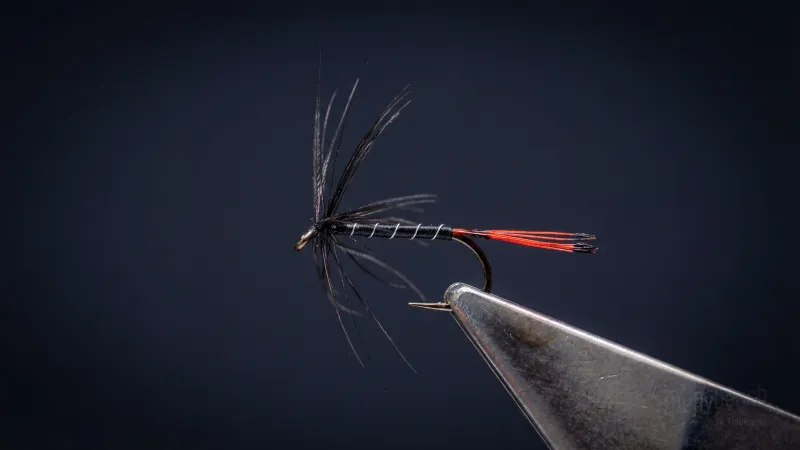
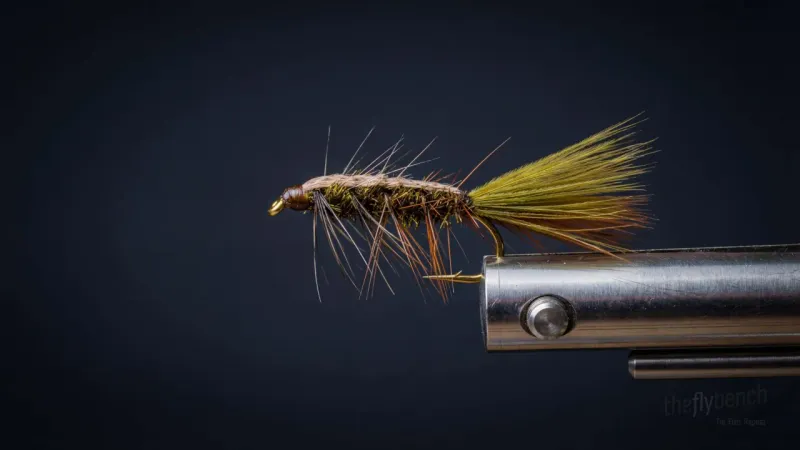
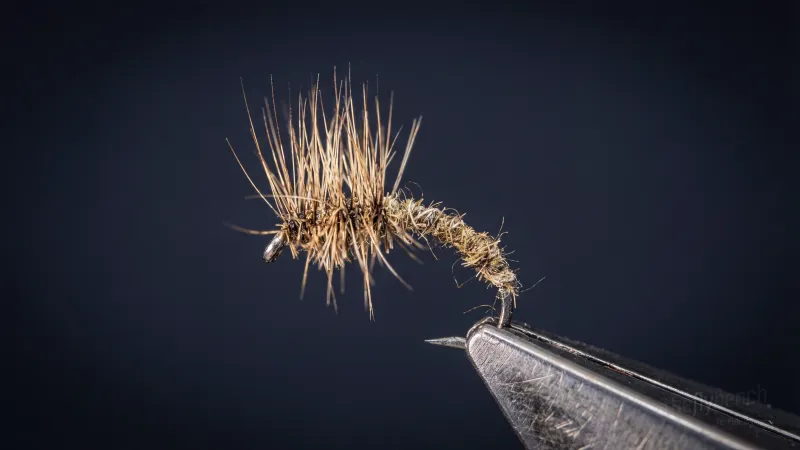
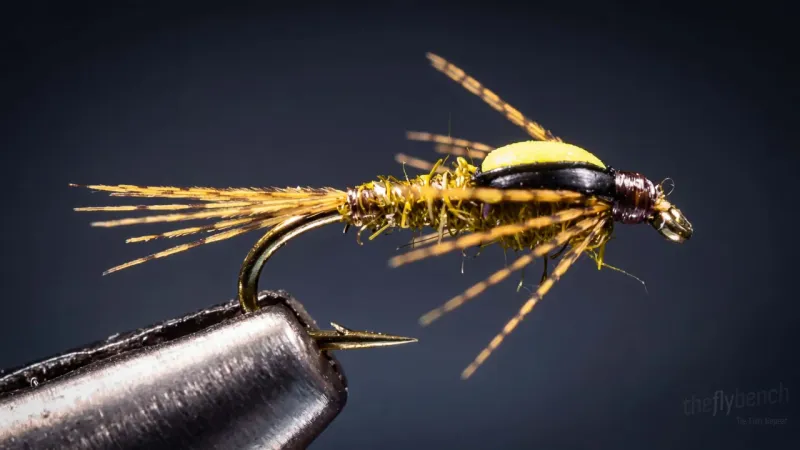
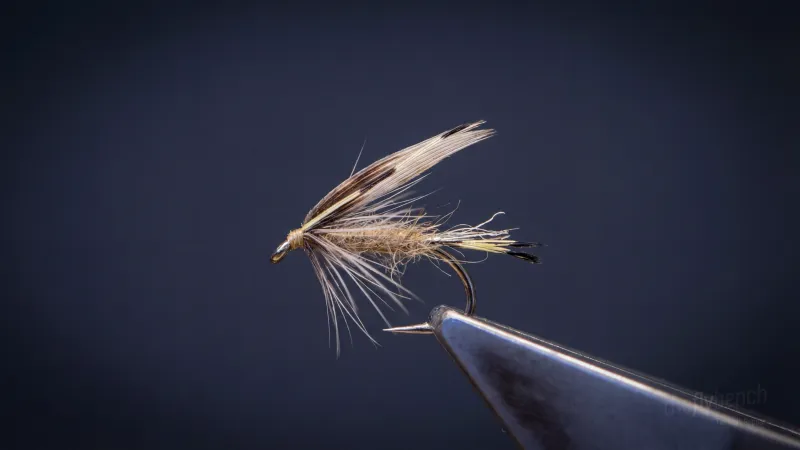
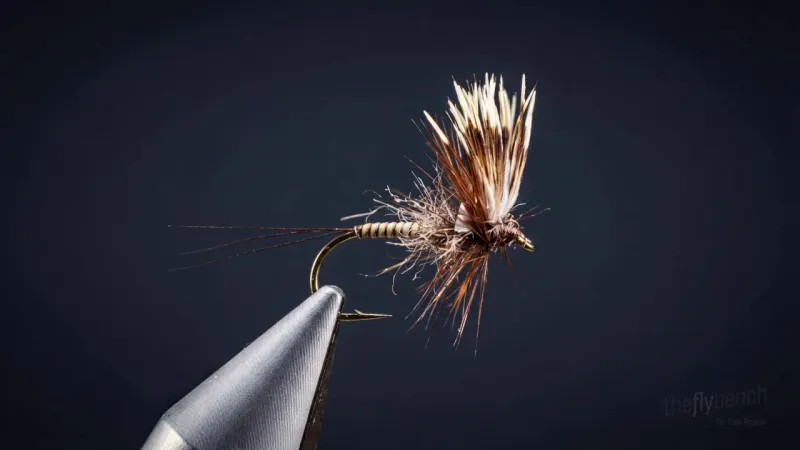
Bruce E. Harang developed this versatile attractor dry fly with parachute-style hackle and visible post for easy tracking in varied light. Dubbed body and CDC wing tips create natural silhouette suggesting both mayflies and caddis while handling choppy water.
Spring, Summer, Fall
Intermediate
Trout
Feb 2026
Overview
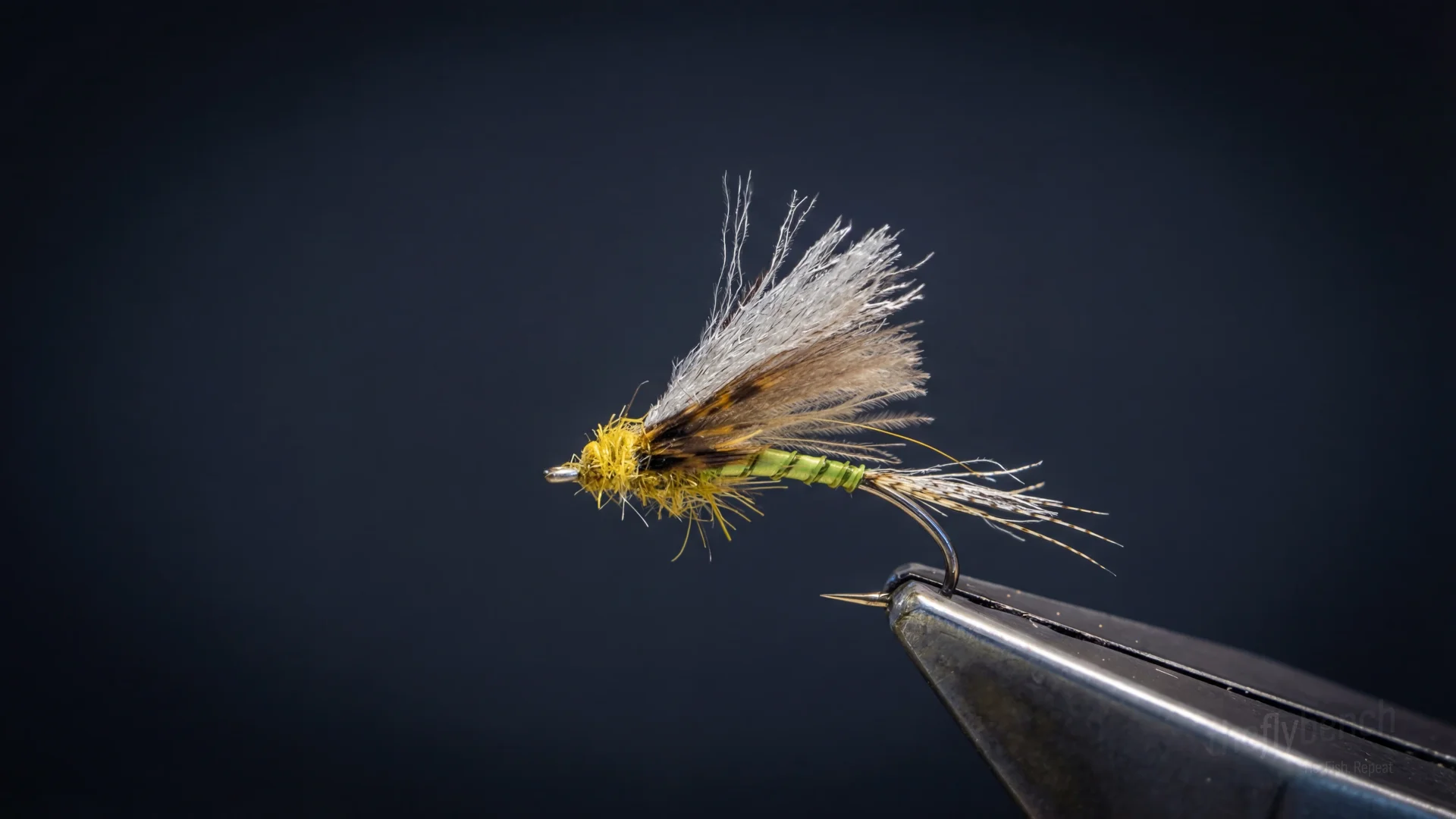
Bruce E. Harang developed this versatile attractor dry fly with a parachute-style hackle and visible post for easy tracking in varied light conditions. The dubbed body and CDC wing tips create a natural silhouette that suggests both mayflies and caddis. The buoyant design handles choppy water well while maintaining a delicate presentation on calm surfaces.
Where to Buy This Fly
We only link to fly shops we trust. Some links are referral links, which may earn us a commission at no extra cost to you.
Materials
- Hook:
- Umpqua U203 #14, or any longshank curved hook
- Thread:
- Benecchi 12/0, olive
- Abdomen:
- Goose biot, dyed olive
- Thorax:
- Argentinean hare, dyed olive
- Wing:
- CDC, natural; polypropylene (or fine antron), grey
- Legs:
- Whiting Brahma hen saddle, dyed dark olive (or brown partridge, dyed olive)
- Head:
- Argentinean hare, dyed olive
Behavior & Presentation
Natural Behavior: Exhausted adult caddisflies drift helplessly after mating flights, their wings splayed and bodies spent on the surface film. The parachute CDC wing tips and dubbed thorax create a low-riding profile suggesting the vulnerable, motionless posture of spent Trichoptera in smooth glides.
Where Trout Eat It: Trout sip emergers in Great Lakes tributary surface film, concentrating in smooth glides with visible post tracking.
How to Fish It: Float parachute design dead drift while CDC wing tips add natural movement, using post for visibility in choppy conditions.
Best Water: Fish pool tail-outs with glassy surface, slow inside bends with back eddies, and spring-fed sections with uniform flow.
Strike Type: Selective trout sip spent caddis with subtle dimpling rises or confident takes; observe the rise form and lift the rod when you see the take.
Fishing Strategy
Rigging Suggestions: Fish on 9-12 foot leader with 4X-5X tippet. Visible post allows use as indicator fly in dry-dropper rig while maintaining fish-catching capabilities.
Seasonal Timing: Most effective during hatches April through June and activity July through August when water temperatures range 50-65°F. Morning and evening feeding periods from 6-10 AM and 5-9 PM produce best results.
Pro Tips: Parachute hackle creates stable footprint in choppy water while CDC wing tips provide natural movement. Apply floatant to post and hackle for visibility and flotation in varied conditions.
Entomology
Adult caddisflies dance and hover above the water before landing to deposit eggs, then drift helplessly on the current when exhausted from mating flights. Fish have learned to capitalize on these spent insects because they offer protein-rich meals with minimal effort, drifting passively within easy striking distance.
- Order
- Trichoptera
- Common Name
- Caddisfly
- Organism Type
- insect
- Life Stage
- adult