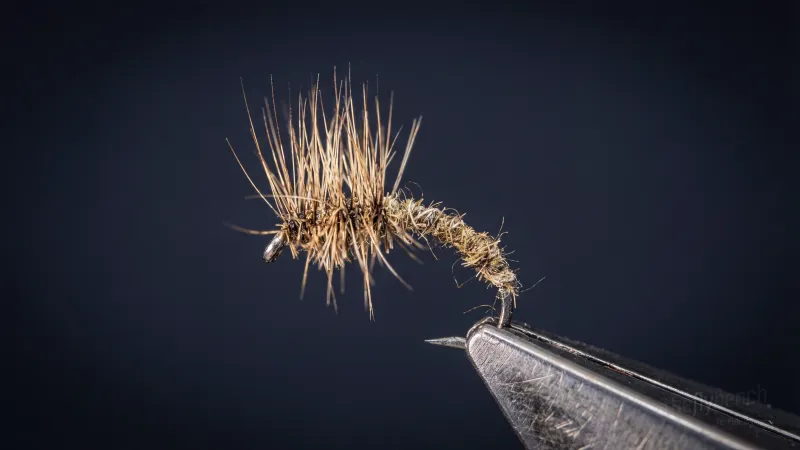
Dry FliesPup-Ate
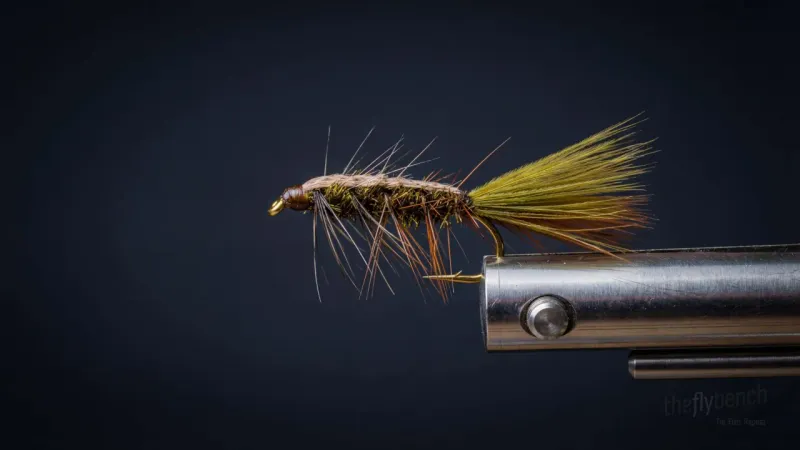
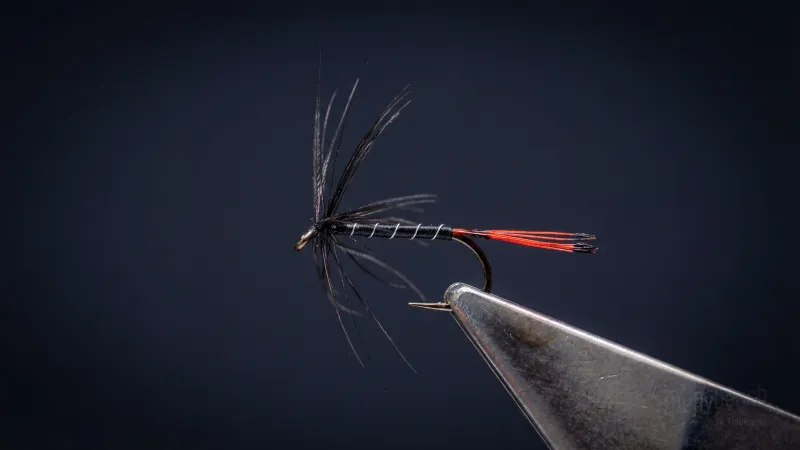
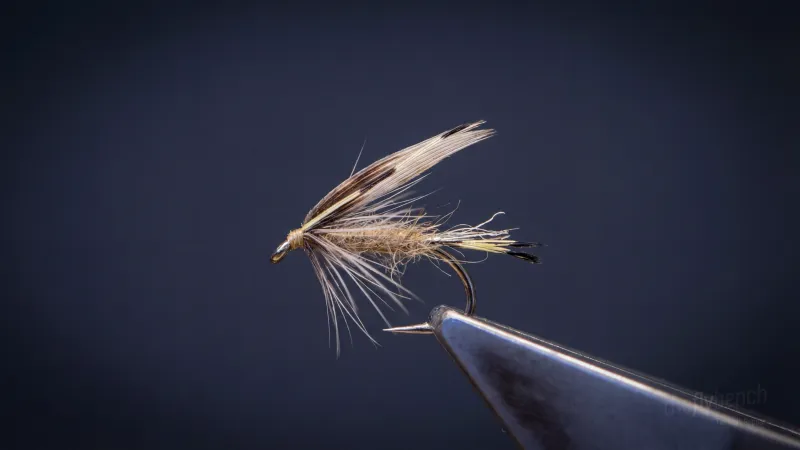
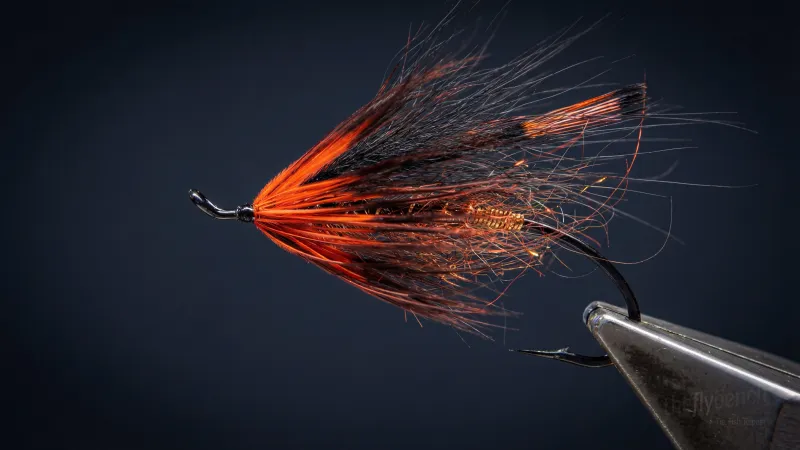
The Pup-Ate is a dry fly pattern designed by Bruce E. Harang. This effective pattern combines traditional materials with proven techniques for consistent results in a variety of water conditions.
Spring, Summer, Fall
Intermediate
Trout
Feb 2026
Overview
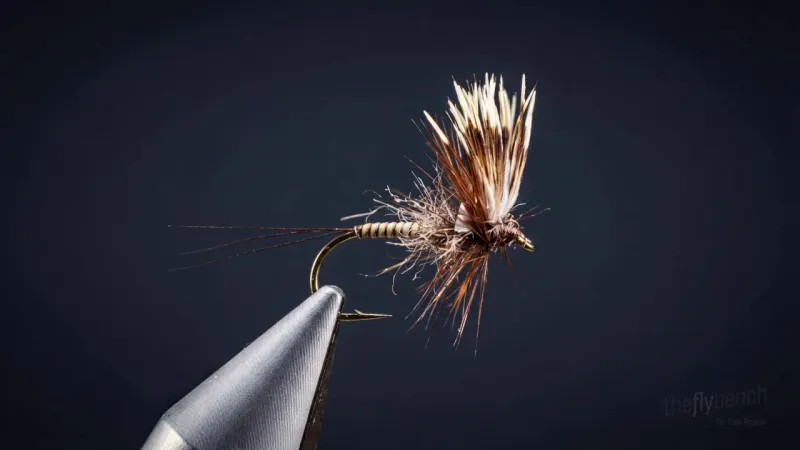
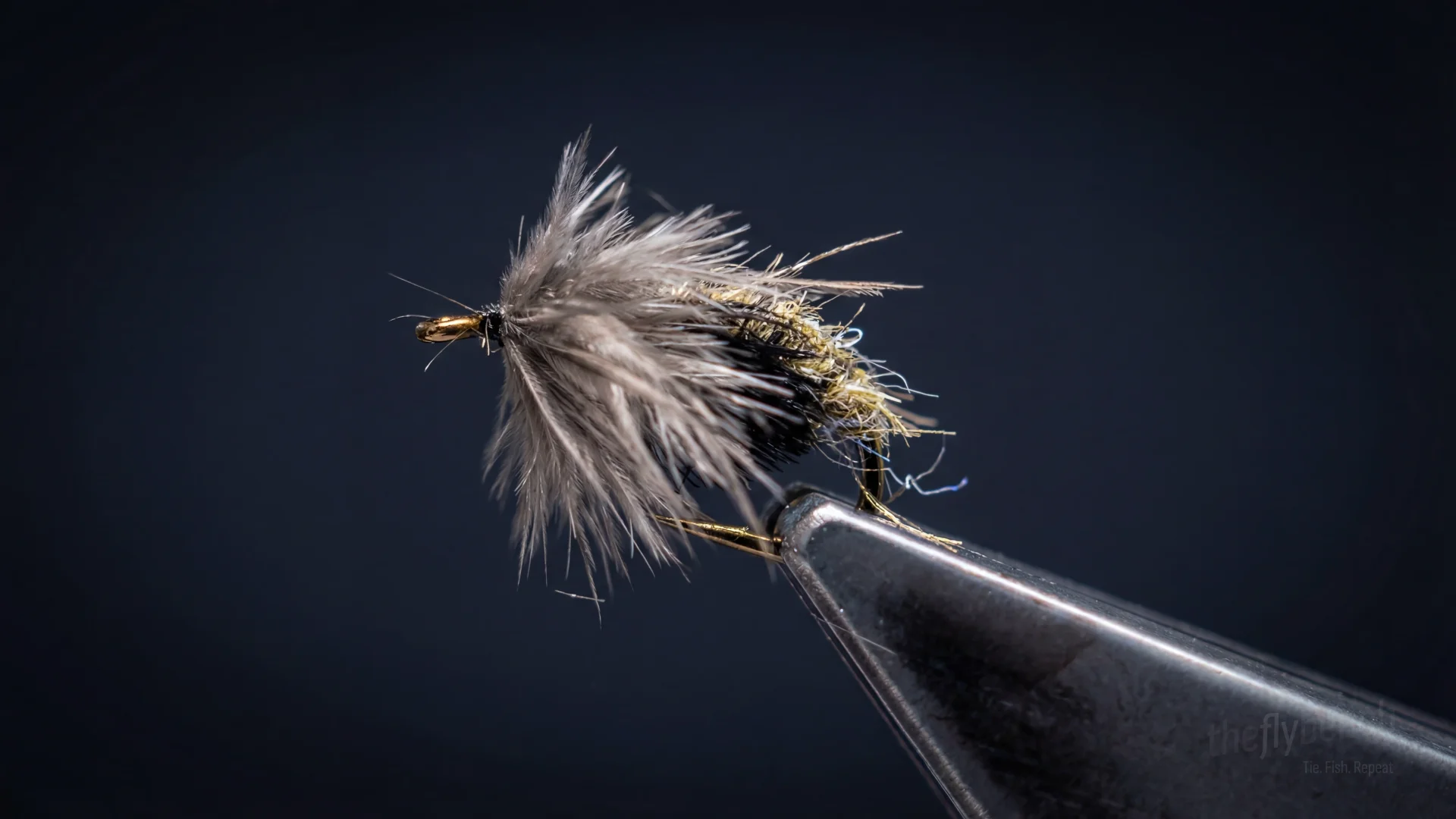
Bruce E. Harang developed this versatile attractor that works for both mayfly and caddis hatches. The buoyant deer hair body keeps the fly riding high in turbulent water, while the upright wing creates a visible profile for anglers and fish. Natural materials provide durability and realistic movement. The general impression approach makes this pattern effective when multiple insects are hatching simultaneously or when exact imitation isn't necessary.
Where to Buy This Fly
We only link to fly shops we trust. Some links are referral links, which may earn us a commission at no extra cost to you.
Materials
- Hook:
- Partridge YK4A #12 (or equivalent scud hook)
- Thread:
- Benecchi 12/0, black
- Rib:
- Dark copper wire
- Body:
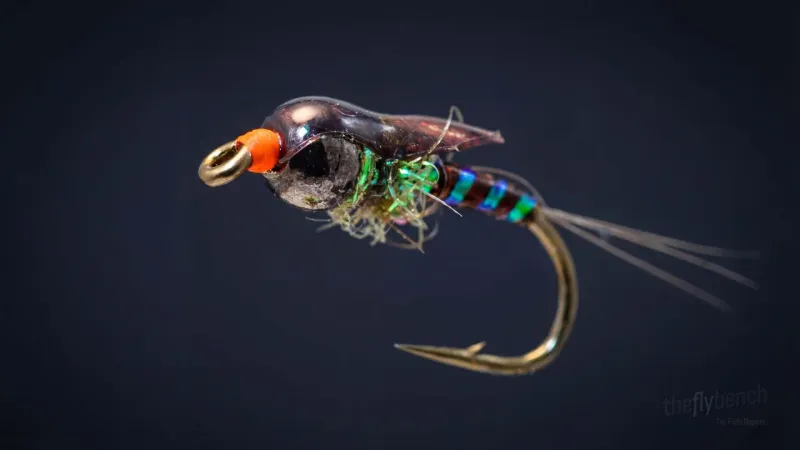
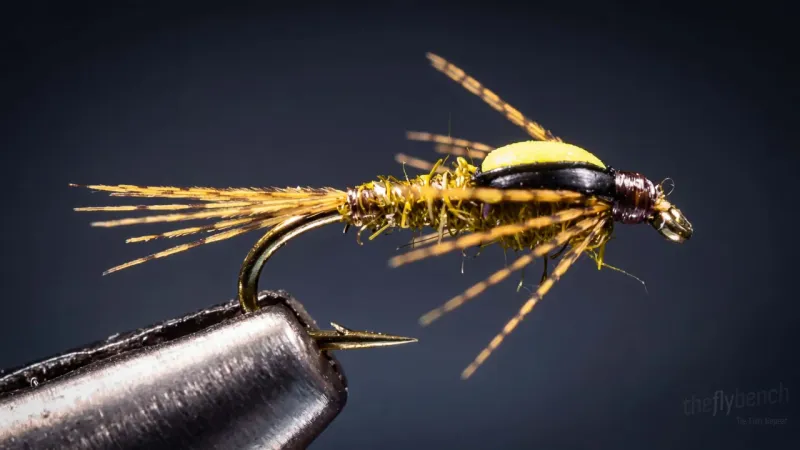
- UV Ice Dub, olive; UV Ice Dub, ginger; rabbit, bright green - equal amounts
- Wing pads:
- Ringneck pheasant, tiny feathers from upper neck
- Collar:
- Aftershaft feather, grey - twisted around tying thread
Behavior & Presentation
Natural Behavior: Emerging caddis hang motionless in the surface film while their wings expand and harden, unable to escape for several critical minutes. This immobile phase attracts selective trout who recognize the extended vulnerability period and feed with minimal effort.
Where Trout Eat It: Surface film in tailwater runs, spring creek flats, weed edges, riffle-pool transitions, feeding lanes, and current seams.
How to Fish It: Cast upstream and allow a natural drag-free drift through feeding lanes because emergers drift helplessly during wing expansion. Add occasional subtle twitches when caddis are active to imitate egg-laying behavior or struggling adults. Allow the fly to swing at the end of the drift in current seams and along edges.
Best Water: Tailwater runs with smooth to moderate currents, spring creek flats, weed edges, riffle-pool transitions on freestone streams, feeding lanes, current seams, and lake near inlet streams during evening emergences.
Strike Type: Visible sip or subtle rise as trout confidently take immobile emergers. Watch for surface rings and minimal disturbance.
Fishing Strategy
Rigging Suggestions: Use a 9-12ft 5X tippet for most conditions. In technical spring creek water or for selective fish, extend to 6X. Apply quality floatant to maintain high-floating profile throughout the drift. In pocket water, shorter 7.5ft leaders improve accuracy.
Seasonal Timing: Most productive late April through September, with peak effectiveness during June and July when both mayfly and caddis hatches are active. Fish during evening hours from 5 PM through dusk for best results, also effective during morning hatches. Continues producing through early fall when water temperatures are between 52-68°F because this temperature range triggers overlapping hatches.
Pro Tips: This pattern's dual imitation makes it effective when trout are feeding on multiple insect species simultaneously, a common scenario during peak summer months when hatches overlap throughout the day.
Entomology
Emerging caddis hang motionless in the surface film while their wings expand and harden, unable to escape for several critical minutes. This immobile phase attracts selective trout who recognize the extended vulnerability period and feed with minimal effort.
- Order
- Trichoptera
- Common Name
- Caddisfly
- Organism Type
- insect
- Life Stage
- adult