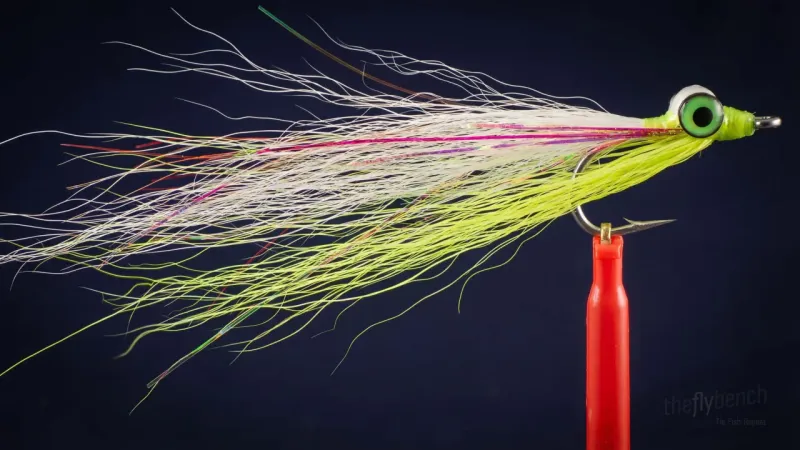
SaltwaterFlashtail Whistler
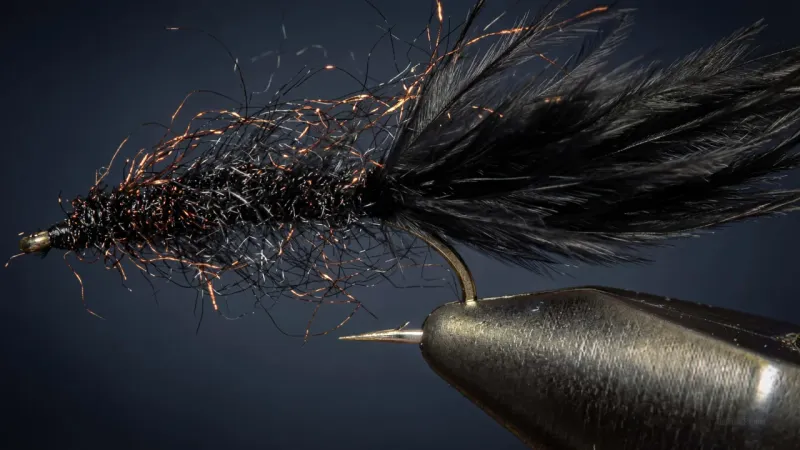
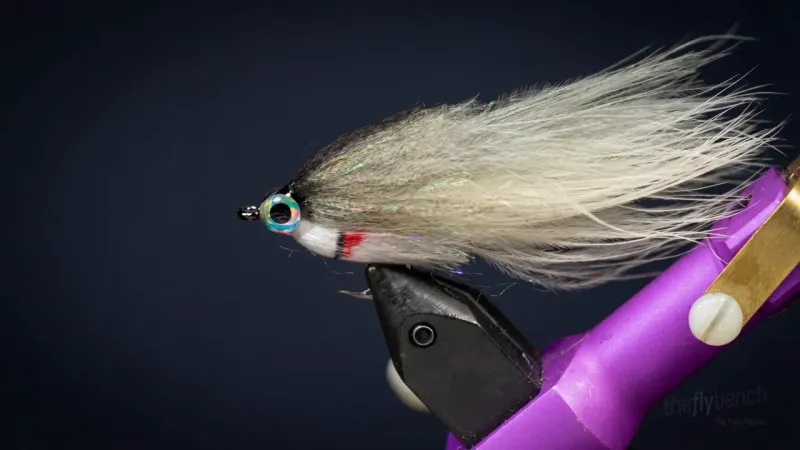
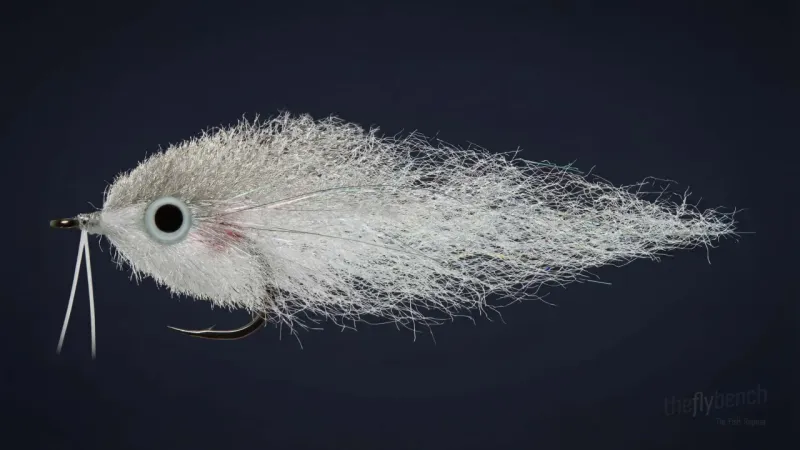
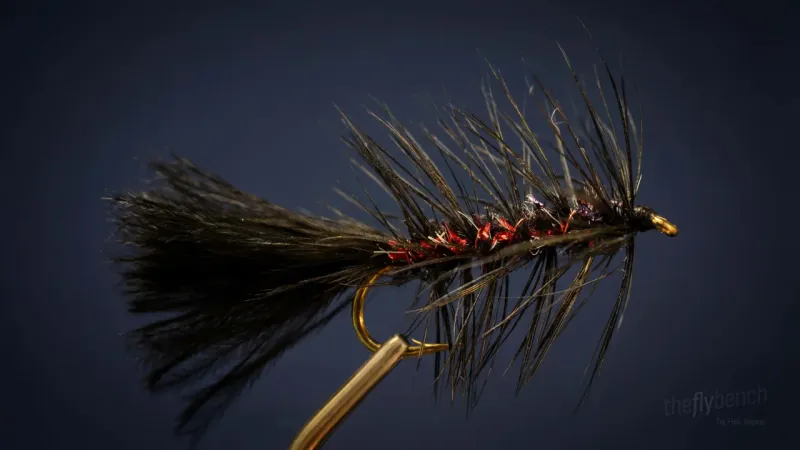
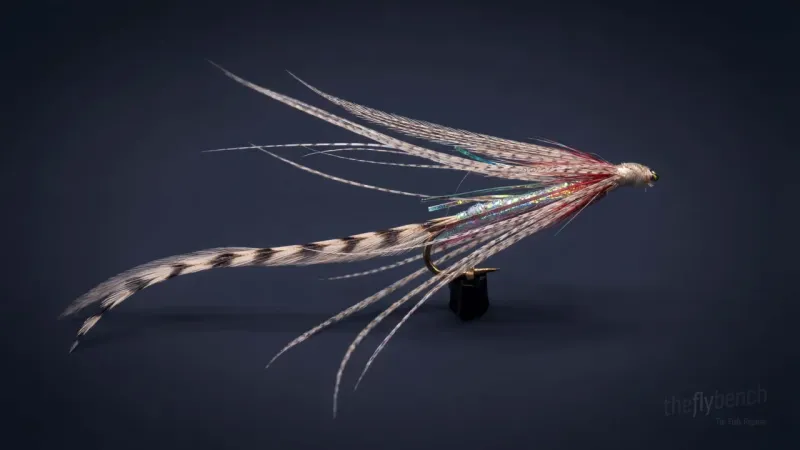
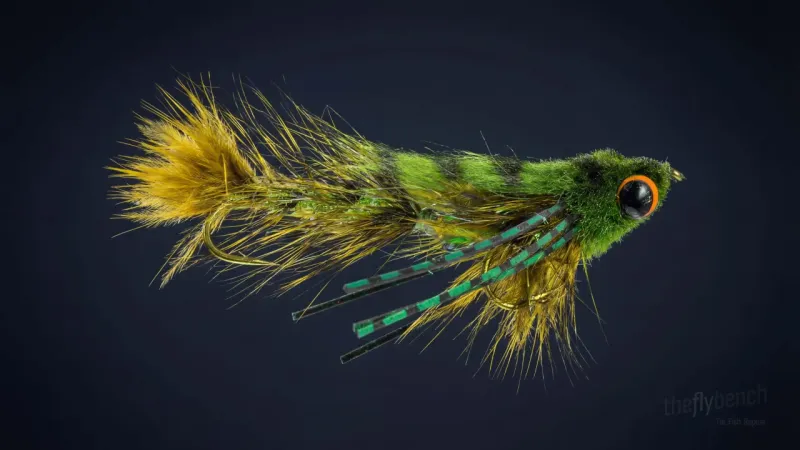
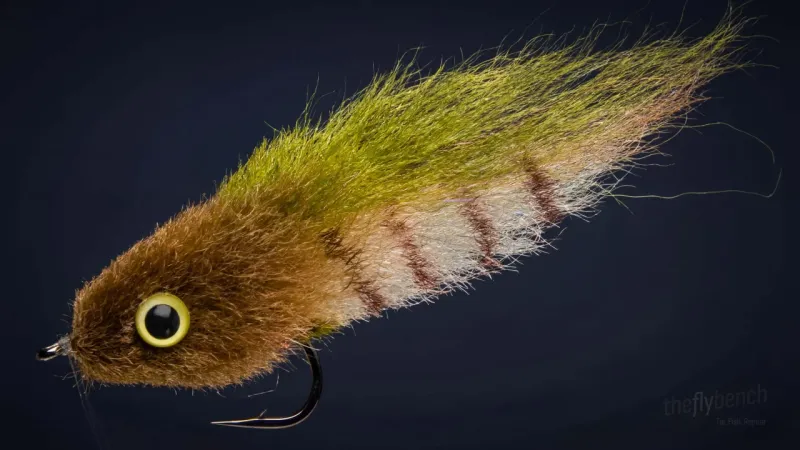
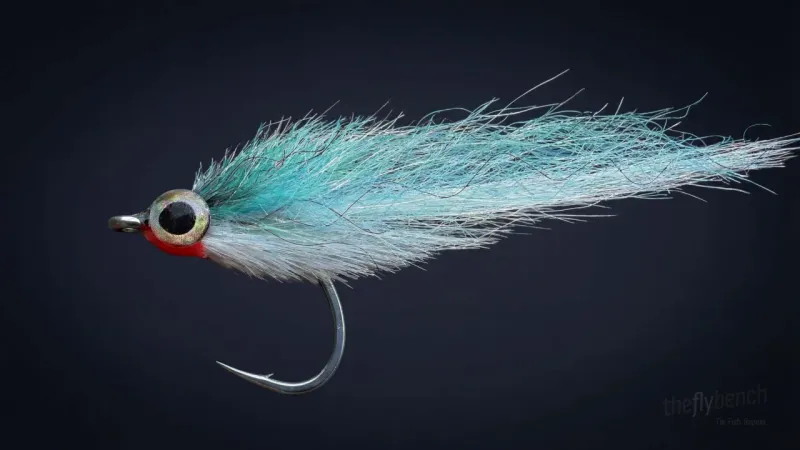
The Flashtail Whistler is a versatile and effective saltwater fly pattern that is known to attract a variety of species. With its weighted eyes and flashy tail, it mimics a baitfish fleeing from predators.
Year Round
Advanced
Tarpon, Snook, Redfish
Apr 2025
Overview
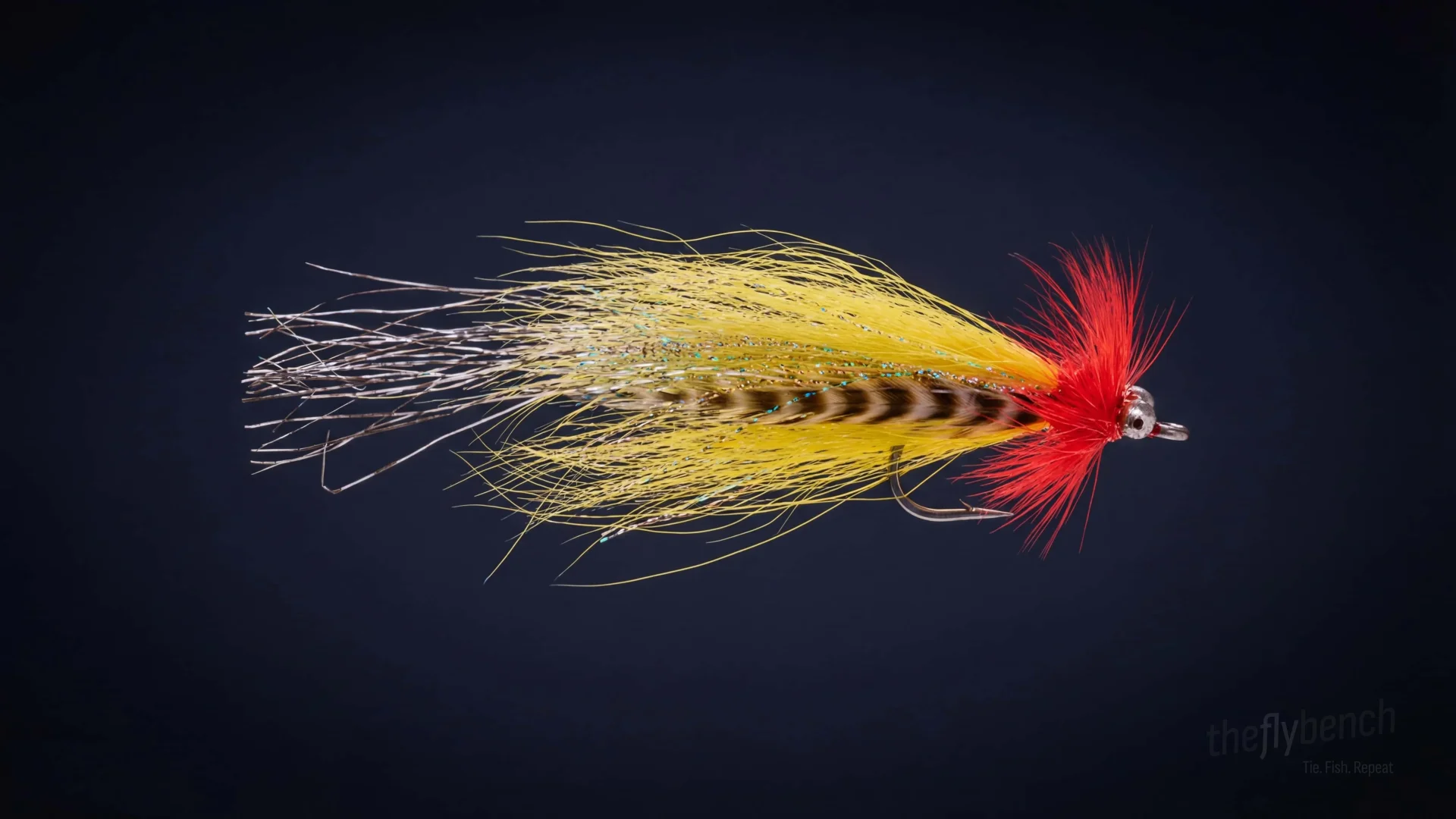
Designed for predatory fish, this streamer features a long synthetic tail (often Flashabou), a bucktail collar, and dumbbell eyes. The body may include chenille or mylar tubing. Known for its flash and pulsing movement, it's proven for warmwater and saltwater alike.
Where to Buy This Fly
We only link to fly shops we trust. Some links are referral links, which may earn us a commission at no extra cost to you.
Materials
- Hook:
- Tiemco 600sp, size #2-#4
- Thread:
- Red UTC 140
- Eyes:
- Large Beadchain
- Tail:
- Red and White Bucktail
- Flash:
- Pearl Flashabou
- Wing:
- Grizzly Woolly Bugger Hackle
- Body:
- Red Chenille
- Collar:
- Red Schlappen
Behavior & Presentation
Natural Behavior: Baitfish schools flash and pulse as individuals turn in unison, creating intermittent bursts of reflected light. Separated baitfish exhibit panicked swimming with exaggerated tail beats and reflective flashes signaling vulnerability to tarpon, stripers, and jacks.
Where Trout Eat It: Mid-column to surface zones around structure, channel edges, and drop-offs where schools move.
How to Fish It: Strip with quick, jerky motion to imitate fleeing baitfish separated from school protection.
Best Water: Work channel swings, drop-offs, and structure where gamefish intercept isolated baitfish.
Strike Type: Feel line acceleration and weight as predators strike the flashy, fleeing profile.
Fishing Strategy
Rigging Suggestions: Use a heavy leader and tippet to handle the large fish this fly can attract.
Seasonal Timing: Effective during peak feeding periods when water temperatures and conditions support active feeding behavior.
Pro Tips: The Flashtail Whistler is a sinking fly with a flashy tail that can attract attention even in murky water.
Entomology
Baitfish schools in saltwater environments flash and pulse as hundreds of individuals turn in unison, creating intermittent bursts of reflected light from their silvery scales that attract predators from significant distances. When individual baitfish become separated from the school—whether through current, predator disruption, or disorientation—they exhibit panicked swimming with exaggerated tail beats and reflective flashes that signal vulnerability to tarpon, stripers, and jacks. The high-energy swimming of fleeing baitfish and their metallic flash patterns are evolved specifically to confuse predators, but ironically these same signals become dinner bells for fish that have learned to target stragglers and wounded individuals.
- Organism Type
- baitfish
- Life Stage
- general