StreamersAllison Streamer
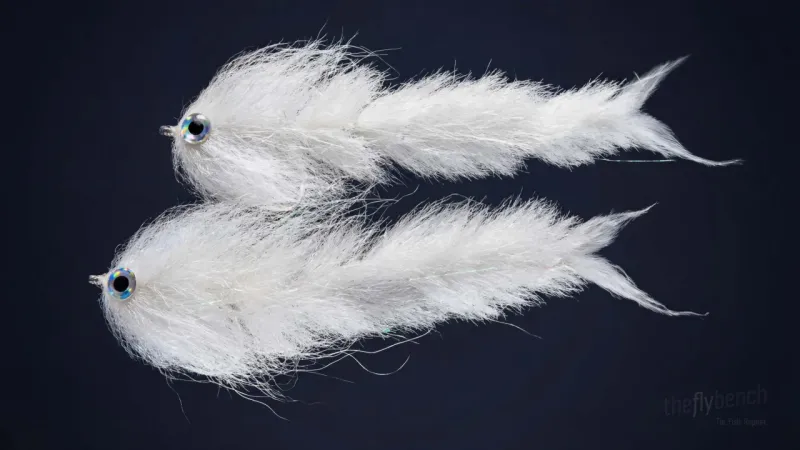
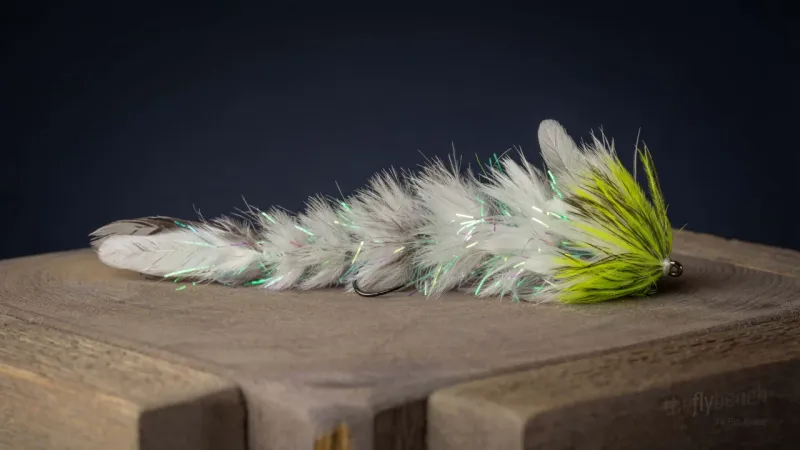
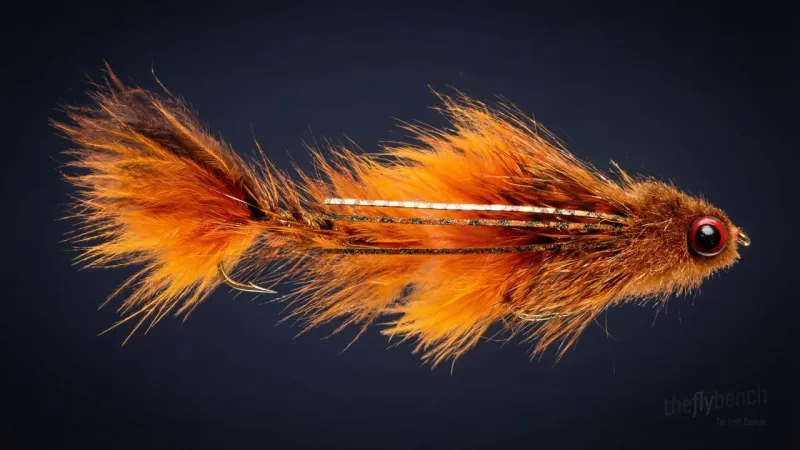
The Allison Streamer is a larger pattern designed to imitate baitfish. Its flashy body and lifelike movement make it a favorite among anglers targeting larger game fish. This fly works particularly well in clear water, where its flash can attract attention from a distance.
Year Round
Advanced
Trout, Pike, Bass
Apr 2025
Overview
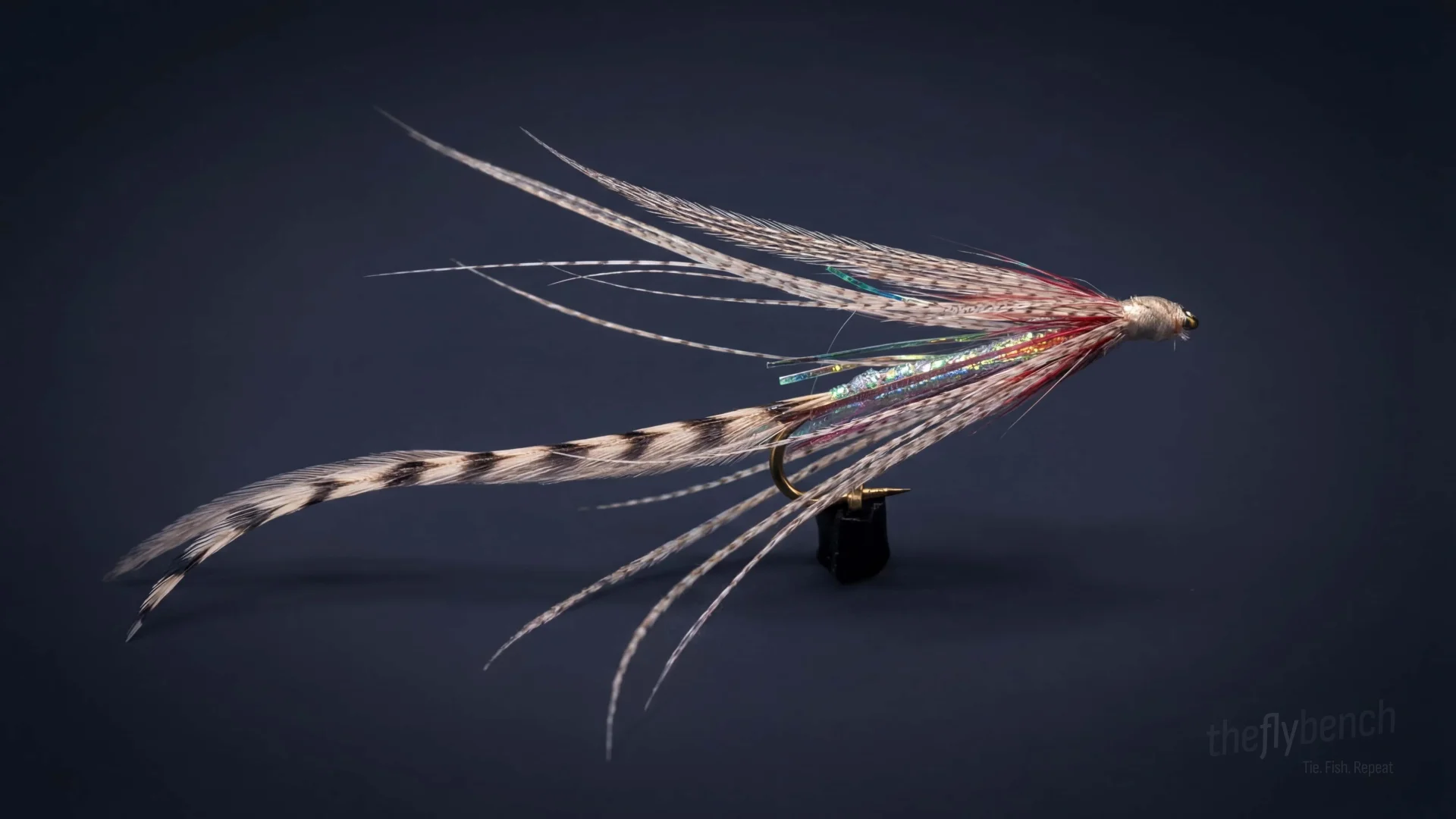
The Allison Streamer is a traditional-style baitfish imitation featuring a multi-feather wing, usually incorporating materials like grizzly hackle, peacock herl, and bucktail for natural movement and shimmer. The body is typically wrapped with flat tinsel or floss, ribbed for durability, and finished with a throat of red hackle or dubbing. This classic streamer requires clean material stacking and alignment, making it a great pattern for practicing feather-wing streamer techniques.
Where to Buy This Fly
We only link to fly shops we trust. Some links are referral links, which may earn us a commission at no extra cost to you.
Materials
- Hook:
- Ahrex NS156, size #2–#6
- Thread:
- White UTC 140 denier
- Body:
- Silver Mylar tinsel
- Wing:
- White bucktail, peacock herl, and red hackle fibers
- Throat:
- White bucktail and peacock herl
- Eyes:
- Painted or stick-on eyes
Behavior & Presentation
Natural Behavior: Traditional forage species maintain steady swimming patterns along current seams and structure edges, their body flash creating consistent visual signatures. Predictable travel routes allow trout to anticipate interception points during ambush feeding.
Where Trout Eat It: Fish position along current seams, structure edges, and depth transitions in 3-8 feet to intercept passing baitfish.
How to Fish It: Use aggressive strip or twitch retrieves with varying speeds to trigger predatory strikes during low-light periods.
Best Water: Work drop-offs, undercut banks, weed edges, pools, and eddies where trout ambush prey.
Strike Type: Expect confident, steady pulls as trout intercept this classic silhouette, feeling the weight build gradually before the fish turns—set the hook when tension increases.
Fishing Strategy
Rigging Suggestions: Use a sinking tip or full sink line to get the fly down 3-8 feet depending on water depth. Pair with 1X-3X tippet to handle aggressive strikes.
Seasonal Timing: Year round pattern, with peak effectiveness during periods when water temperatures favor aggressive feeding. Excellent in for deep presentations.
Pro Tips: The size and flash of this pattern make it highly visible in clear water. Vary retrieve speed until you find what triggers strikes. Strip set firmly to drive the hook home on aggressive takes.
Entomology
Traditional baitfish species exhibit steady, forward-swimming motions with periodic directional adjustments, their natural coloration and body flash creating consistent visual targets in clear water environments. Classic streamer forage like dace and chubs maintain predictable travel routes along current seams and structure edges, behaviors that allow trout to anticipate interception points. These reliable prey items represent historically abundant food sources that trigger generational feeding memories passed through predator populations.
- Organism Type
- baitfish
- Life Stage
- general