StreamersBaby Gonga
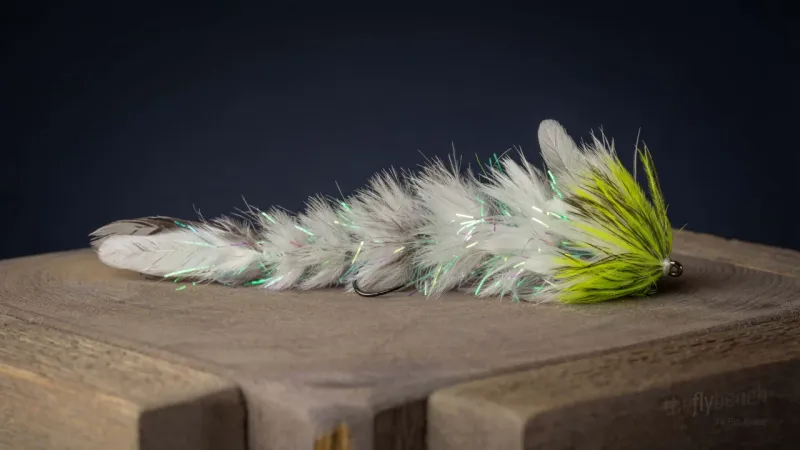
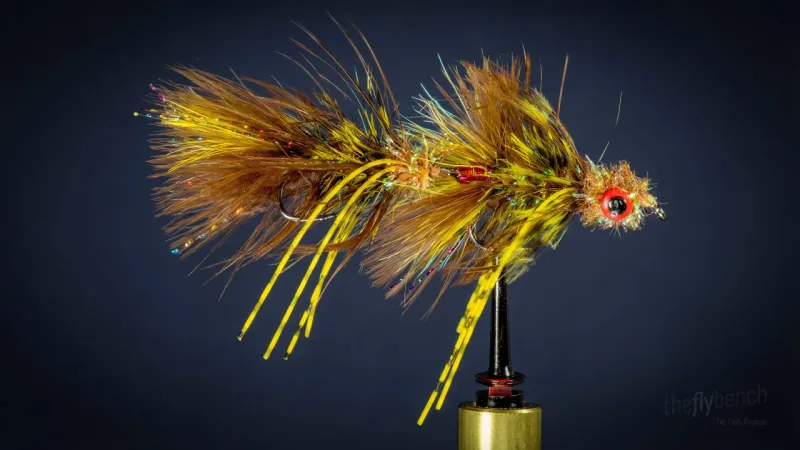
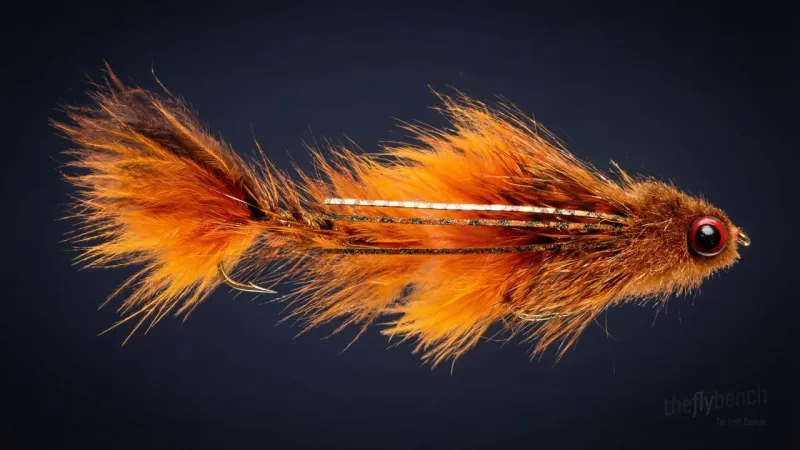
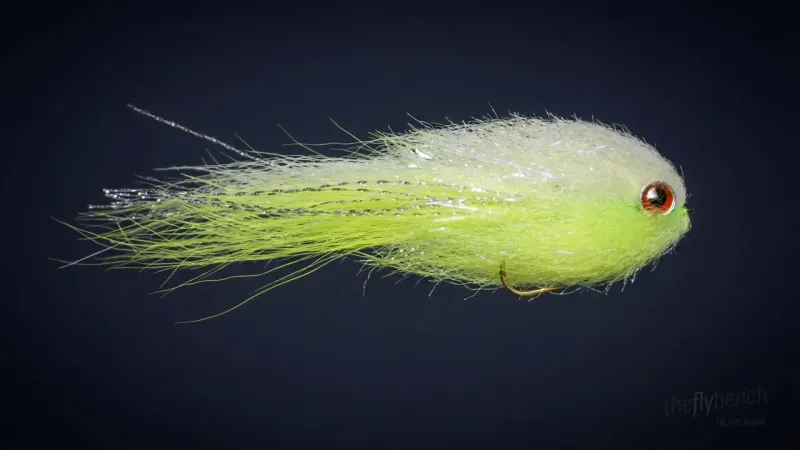
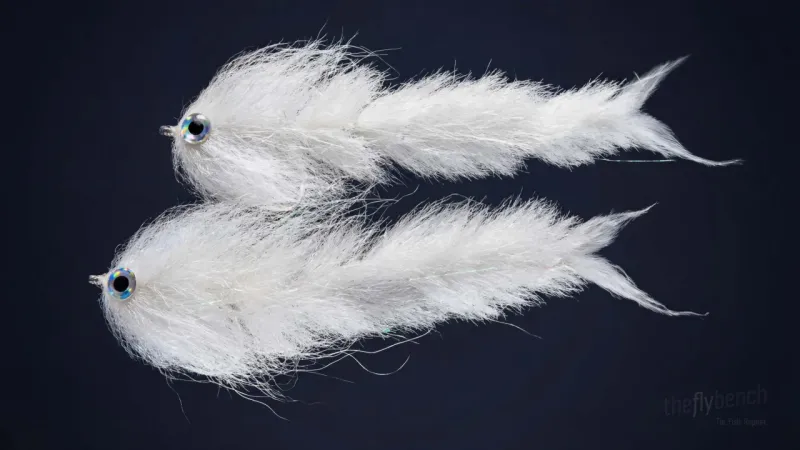
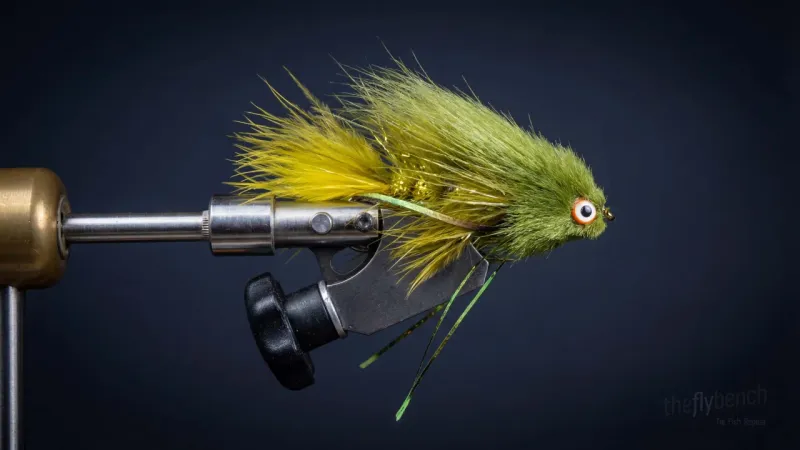
The Baby Gonga is a downsized version of the original Gonga streamer, designed for lighter rigs and more pressured fish. It maintains the same flashy, articulated baitfish profile in a smaller, more finesse-oriented package—perfect for targeting wary trout or smallmouth in clear water.
Spring, Summer, Fall
Intermediate
Bass
Apr 2025
Overview
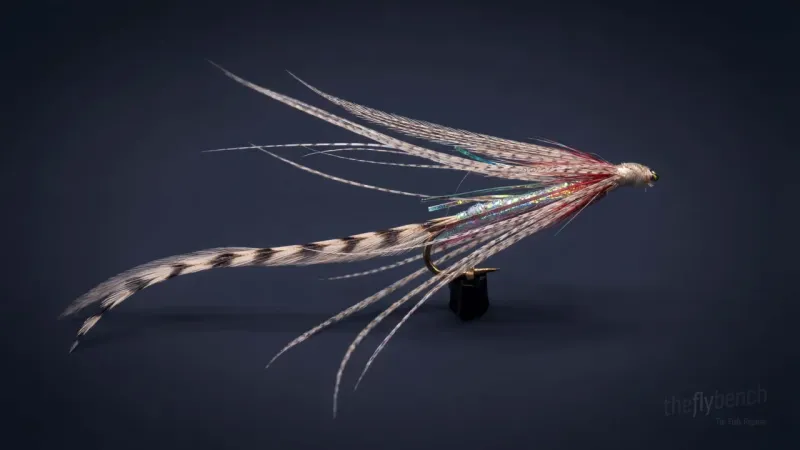
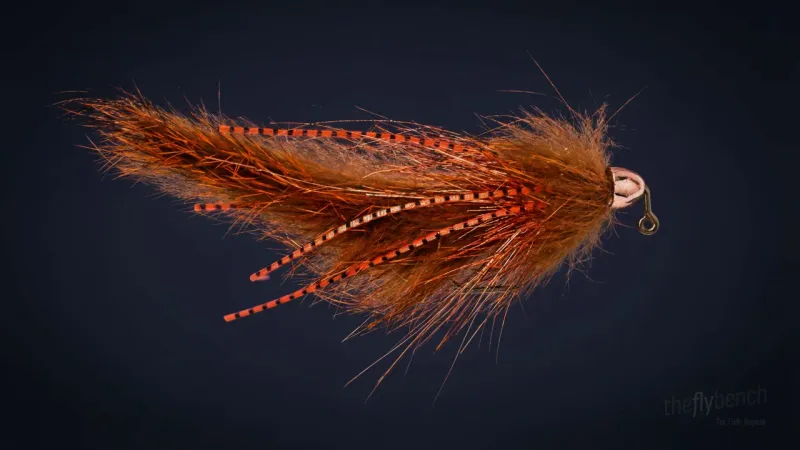
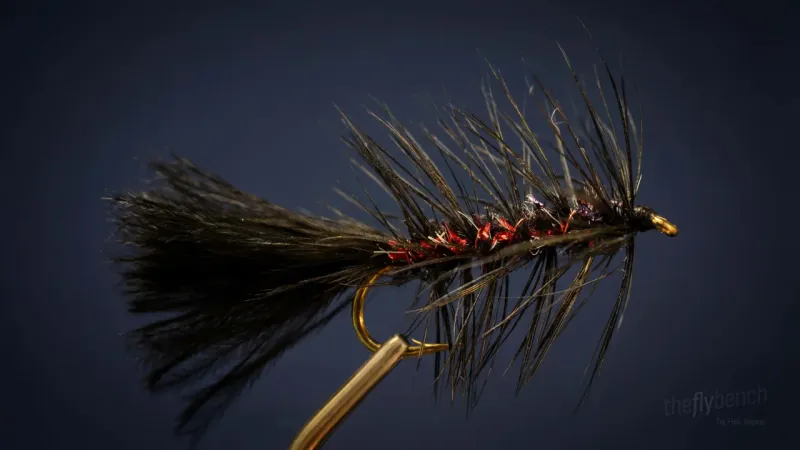
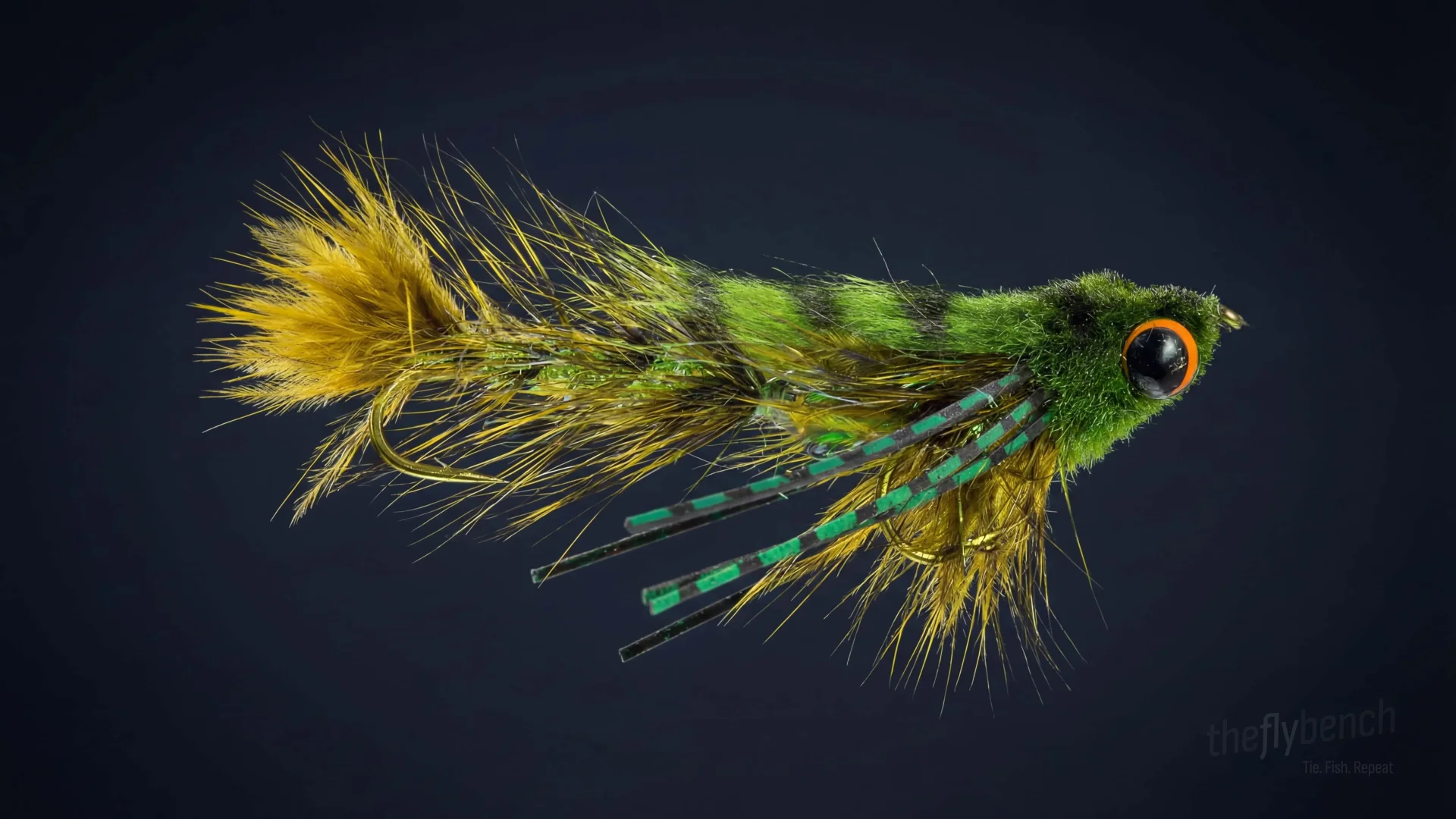
The Baby Gonga is a downsized version of the original Gonga streamer, tied on a smaller single hook but keeping the same key elements: marabou tail, rubber legs, subtle flash, and a dubbed or trimmed head for profile and movement. Designed for pressured fish or clearer water where a full-size streamer might spook trout, the Baby Gonga still moves water and triggers strikes, especially on light sink tips or floating lines. It's often tied in natural tones like olive, brown, or tan.
Where to Buy This Fly
We only link to fly shops we trust. Some links are referral links, which may earn us a commission at no extra cost to you.
Materials
- Hook:
- TMC 5262 #8
- Thread:
- Tan 3/0 Monocord
- Tail:
- Yellow Over Tan Marabou
- Hackle:
- Pale Ginger Hen Saddle
- Body:
- Light Yellow Ice Dub
- Attachment:
- 30-Pound Test Spider Wire
- Bead:
- Two 6/0 Gold
- Eyes:
- Small Lead Dumbbell, Yellow with Black Pupil
- Legs:
- Gold/Black Chrome Sili Legs
Behavior & Presentation
Natural Behavior: Small baitfish school tightly near structure using coordinated movements to confuse predators. A single injured individual with labored swimming and flashing sides immediately becomes the focus of opportunistic feeders.
Where Trout Eat It: Shallow structure, weed edges, and drop-offs in 2-8 feet where bass ambush baitfish.
How to Fish It: Use varied retrieves with short strips, long pulls, or erratic jerks, pausing occasionally for strikes on the pause.
Best Water: Focus on structure, weed edges, drop-offs, and shaded banks where bass patrol for prey.
Strike Type: Feel jarring grabs as the line goes tight during aggressive takes.
Fishing Strategy
Rigging Suggestions: Use 2X-3X fluorocarbon tippet with floating or intermediate lines. Add small split shot 12 inches above the fly for depth control in deeper water or to slow the sink rate.
Seasonal Timing: Prime time from April through October, with peak productivity in May-June and September-October when bass are actively feeding on juvenile baitfish. Water temperatures above 60°F trigger aggressive feeding.
Pro Tips: The translucent CDC wing and subtle ribbing create realistic flash that mimics injured baitfish. Size down to this pattern when bass are keying on smaller forage.
Entomology
Small baitfish in pressured waters school tightly near structure, using coordinated movements to confuse predators while maintaining vigilance for threats. A single injured or separated individual immediately becomes the focus of opportunistic feeders, its labored swimming and flashing sides triggering instinctive strike responses. In clear conditions, trout and smallmouth selectively target these compact forage items because they offer substantial nutrition without the commitment required for larger prey.
- Organism Type
- baitfish
- Life Stage
- general