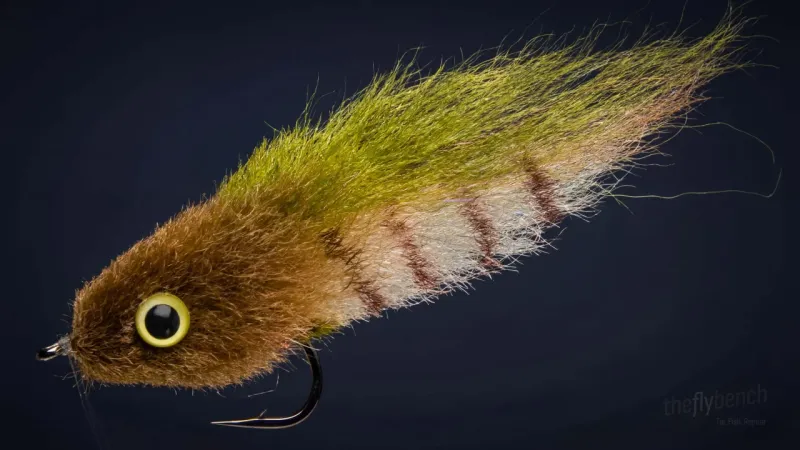
SaltwaterSF Baitfish
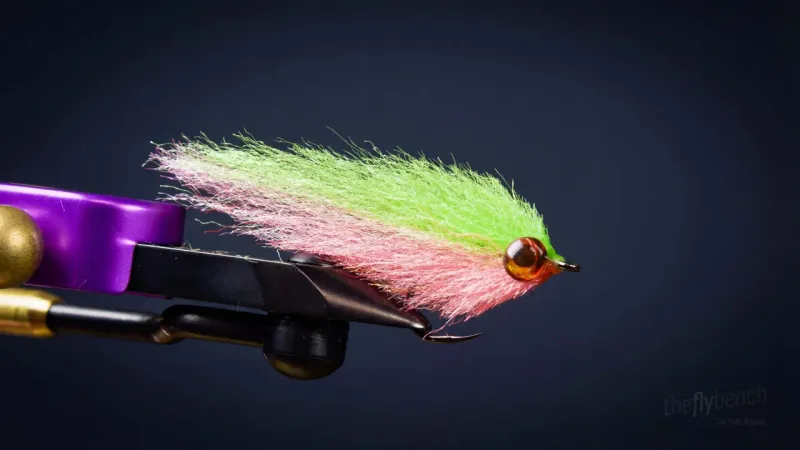
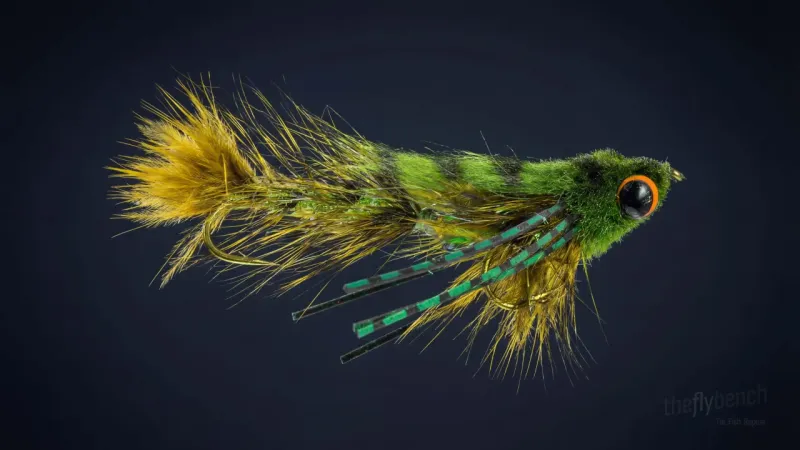
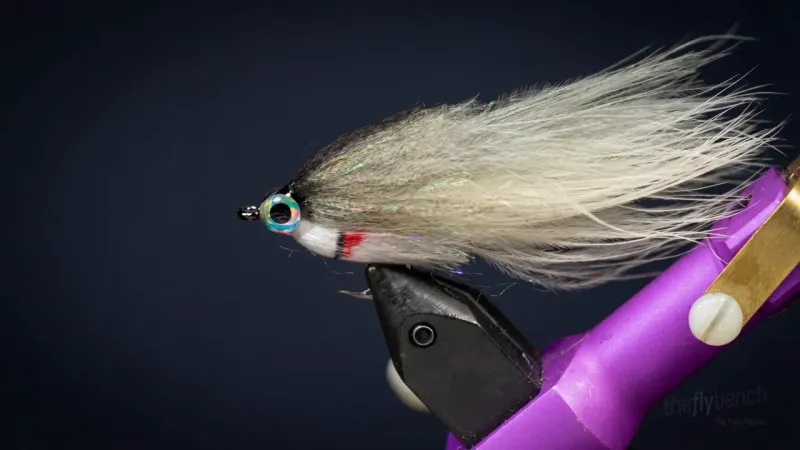
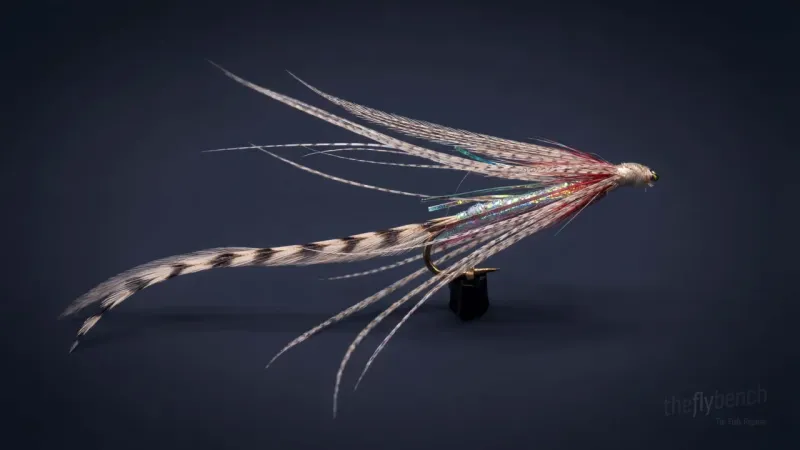
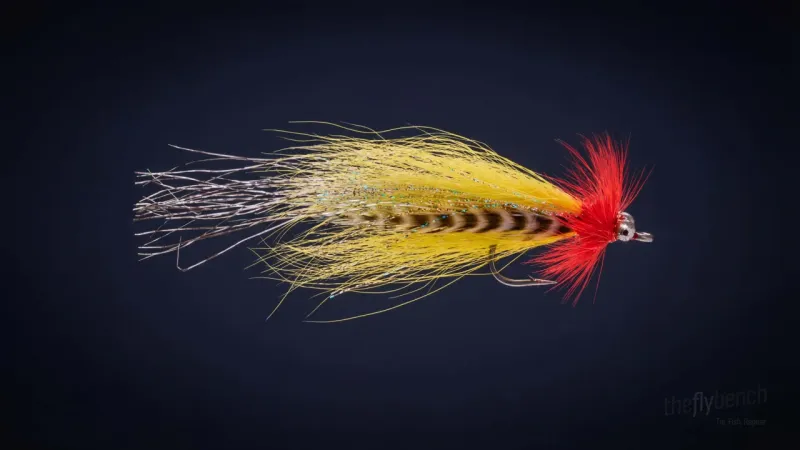
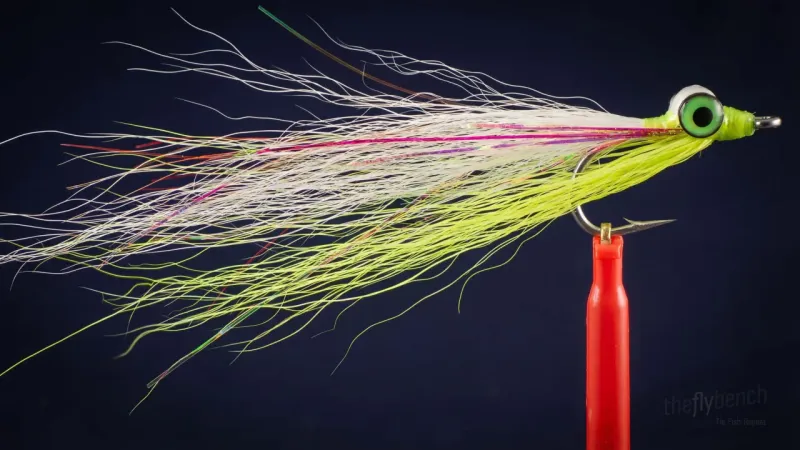
The SF Baitfish is a saltwater pattern that imitates small baitfish. Its bright, flashy body and natural movement make it irresistible to predatory fish.
Year Round
Intermediate
Saltwater Species
Apr 2025
Overview
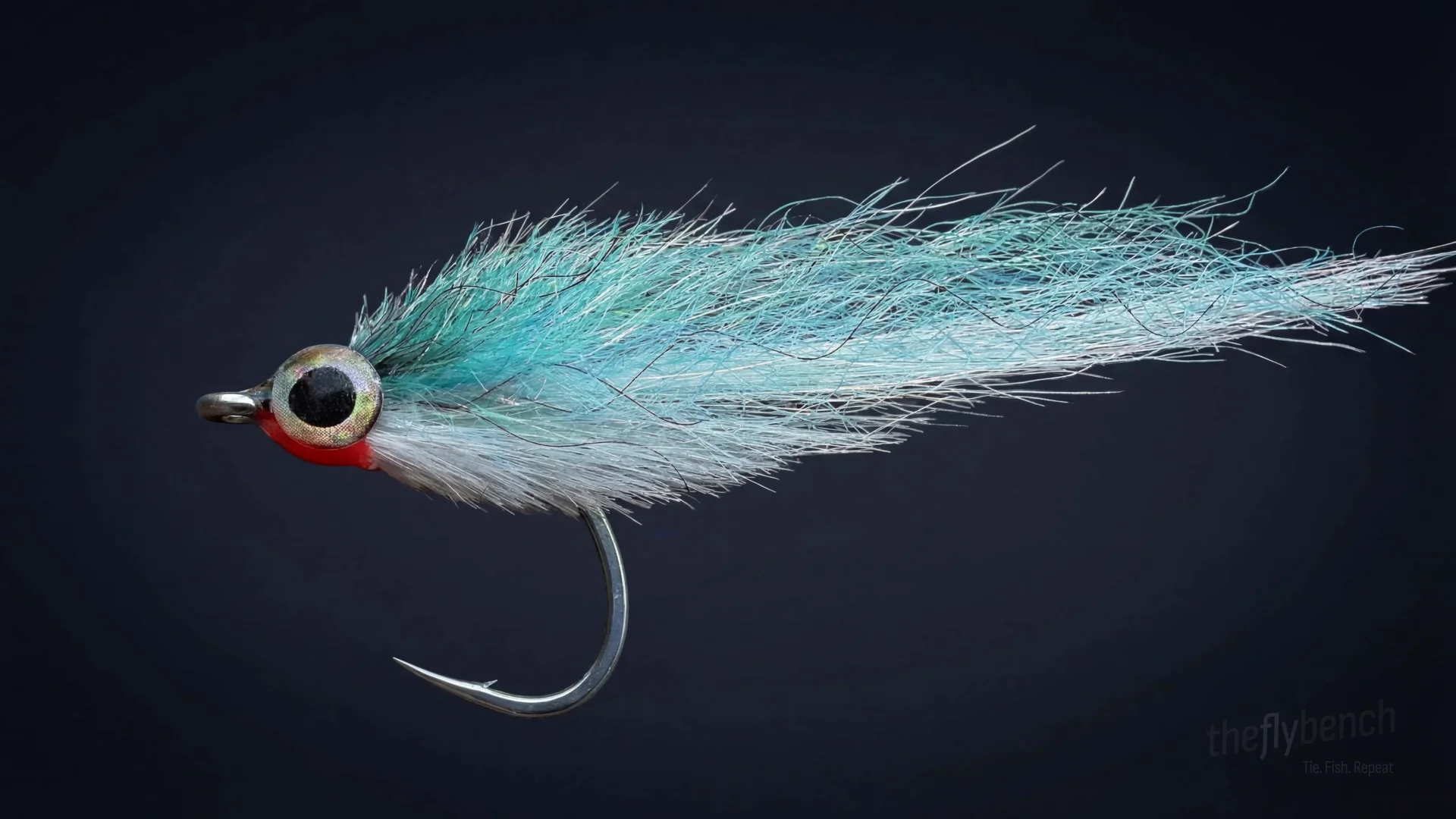
A saltwater streamer made from SF Blend synthetic fibers, often tied with large mono eyes and a tapered profile to mimic small baitfish. The synthetic fibers shed water easily and maintain shape, making it great for casting and lifelike swimming.
Where to Buy This Fly
We only link to fly shops we trust. Some links are referral links, which may earn us a commission at no extra cost to you.
Materials
- Hook:
- #1/0-2 Tiemco 600SP
- Thread:
- UNI Mono Thread
- Under Body:
- Orange Strung Hackle Fibers
- Wing:
- White and Olive SF FIbers
- Eyes:
- Claer Goo Eyes or Living Eyes
- Glue:
- Loon Thick UV Fly Finish and Brush On ZAP A GAP
Behavior & Presentation
Natural Behavior: Small baitfish and juveniles swim with darting, pulsing movements through slack water and eddies, occasionally exhibiting disoriented behavior when stressed. These vulnerable fish move along structure edges, providing high-calorie targets for predatory trout.
Where Trout Eat It: Saltwater predators target this along coastal flats and estuaries where the SF Blend fibers mimic shimmering baitfish scales during tidal flow transitions.
How to Fish It: Use pumped or jigged retrieve to imitate struggling baitfish. Strip with varied speeds—experiment with different angles and retrieves.
Best Water: Coastal flats during tide changes. Target channels and structure edges along estuaries where baitfish concentrate.
Strike Type: Saltwater predators crush the synthetic fibers with explosive strikes that telegraph through the line; execute sharp strip-set rather than trout-set to drive hooks into tough saltwater mouths.
Fishing Strategy
Rigging Suggestions: Use 9-foot leaders with 15-20 pound fluorocarbon tippet for abrasion resistance and invisibility. Weight-forward floating or intermediate lines provide versatile depth control.
Seasonal Timing: effectiveness in saltwater environments with peak activity during (April-June) and (September-November) when baitfish schools are most concentrated along coastal structures. Most productive when predatory species are actively feeding on baitfish schools, typically during tide changes and low-light periods at dawn and dusk.
Pro Tips: The flashy materials create light reflection similar to baitfish scales, triggering aggressive strikes. Adjust fly weight with different bead sizes or wire wraps to match water depth and current speed.
Entomology
Saltwater baitfish travel in dense schools along coastal flats and estuaries, with individuals darting ahead and dropping back in rhythmic patterns as the group navigates tidal flows. Predatory species like striped bass and redfish target these shimmering masses, singling out individuals that separate from the protective school or exhibit irregular swimming that suggests injury or weakness.
- Organism Type
- baitfish
- Life Stage
- general