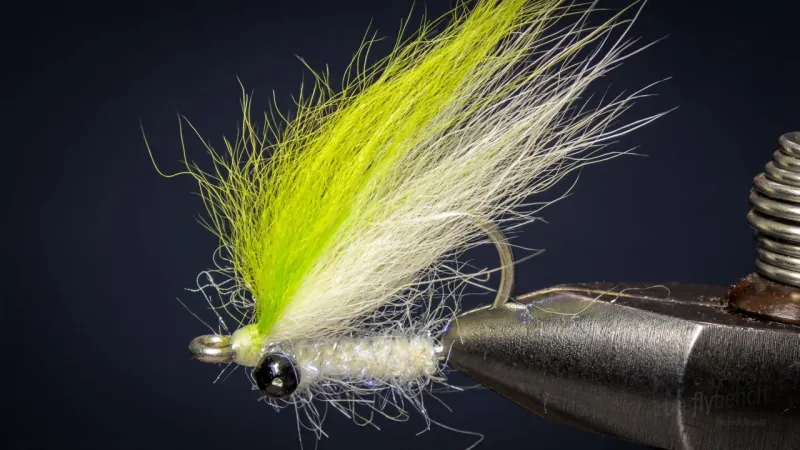
SaltwaterEverglades Special
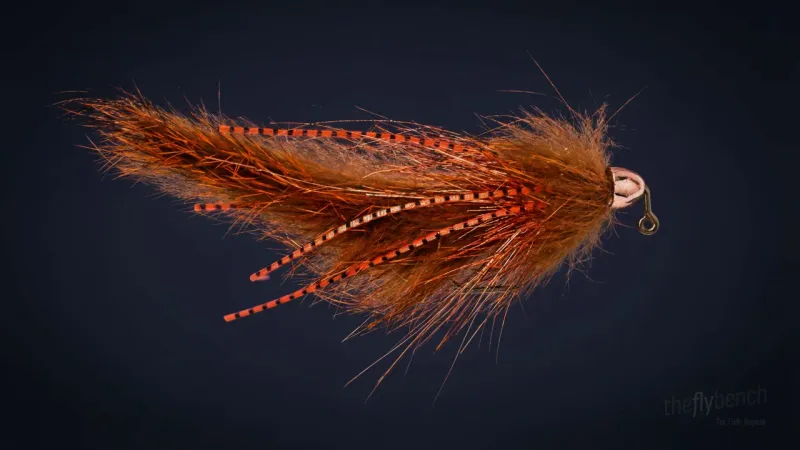
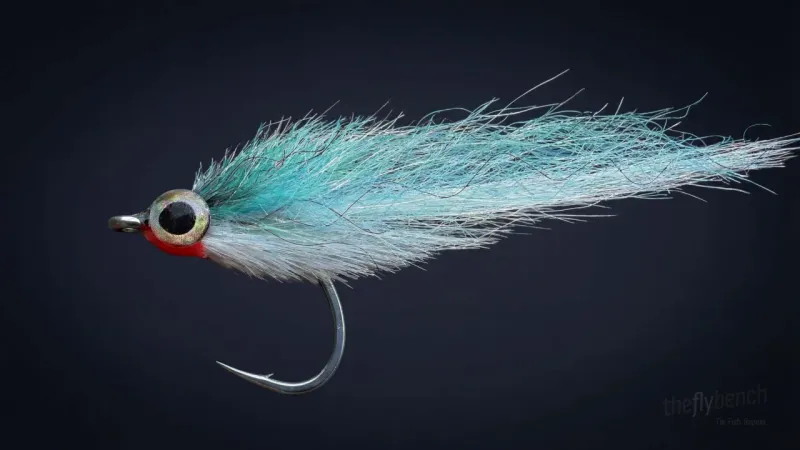
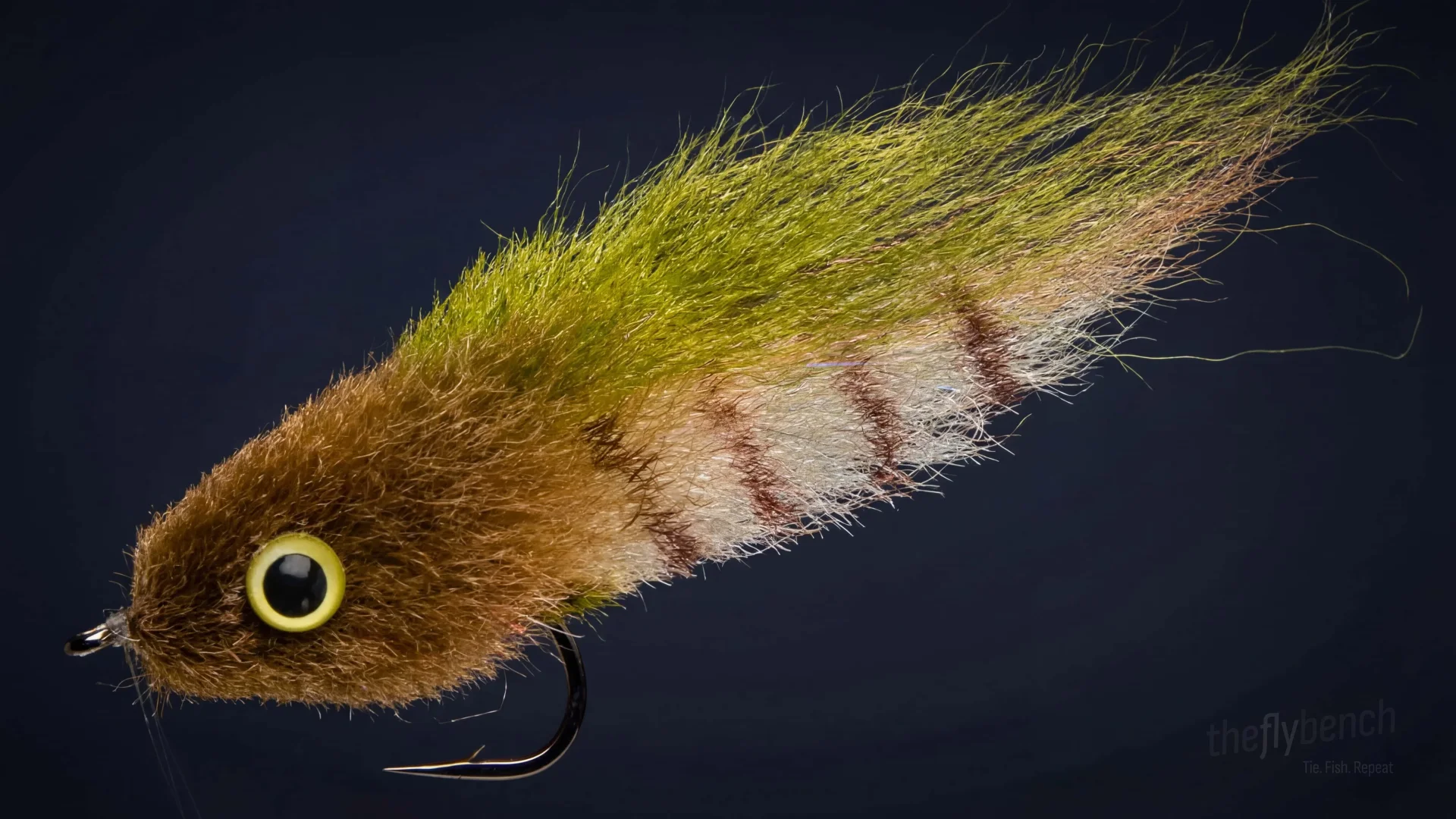
The Everglades Special is a staple saltwater fly that's proven effective for a wide range of species. Its large profile and flashy materials make it an irresistible target.
Year Round
Intermediate
Tarpon, Redfish, Snook
Apr 2025
Overview
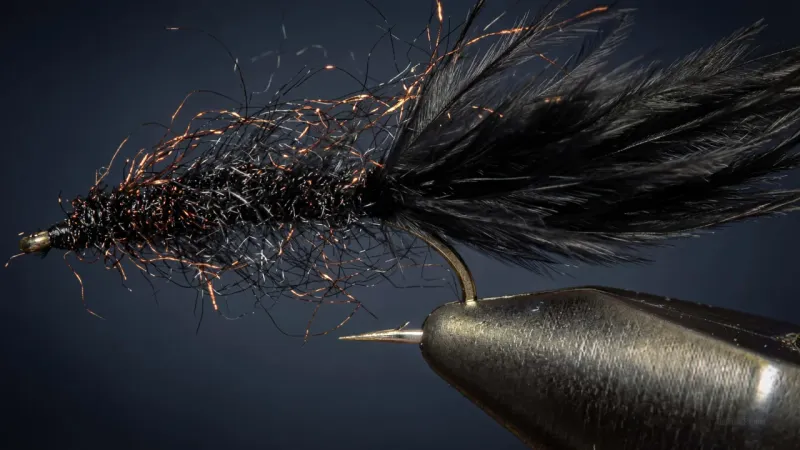
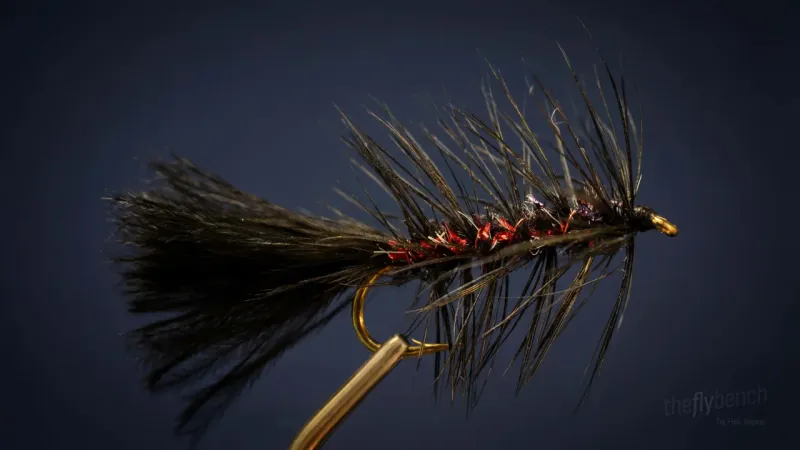
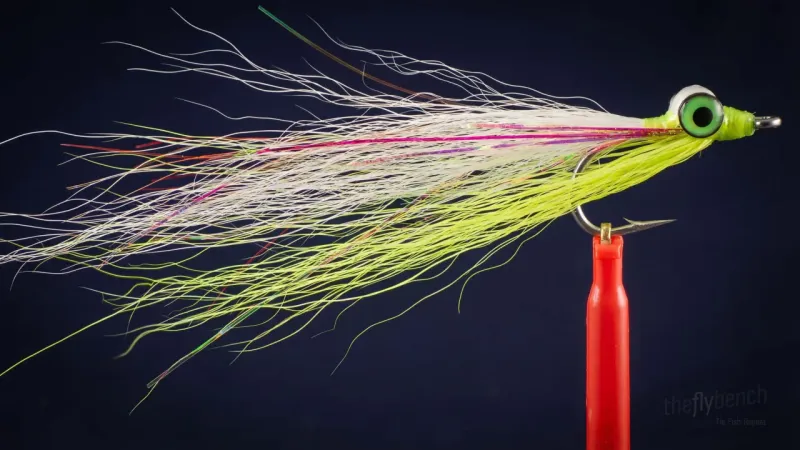
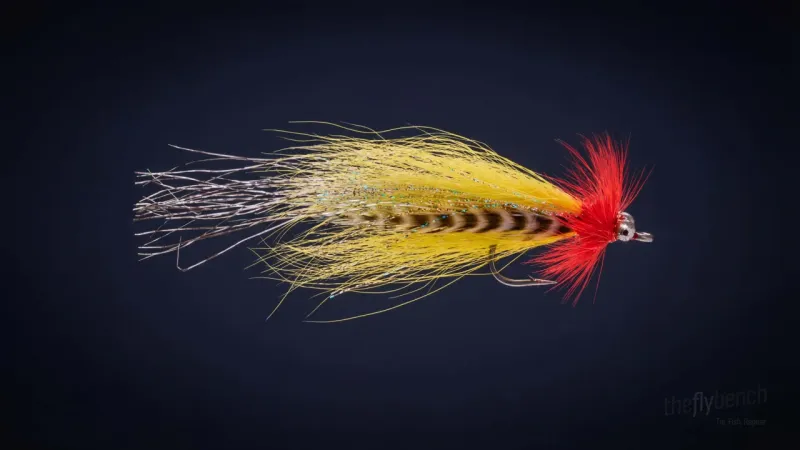
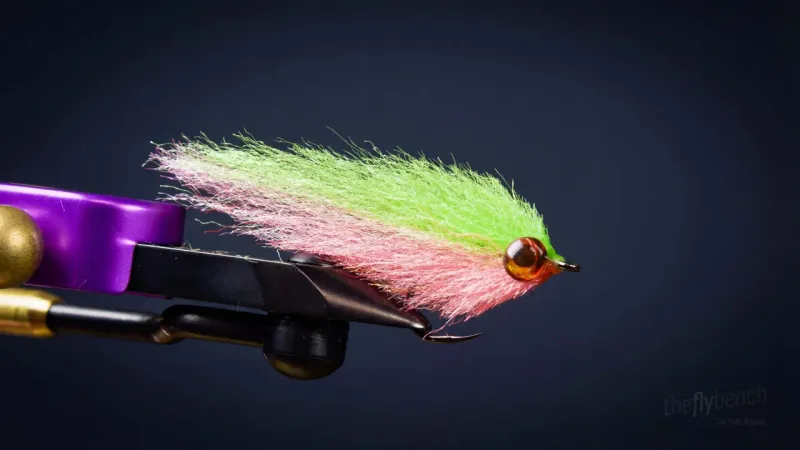
A classic streamer for tarpon and snook, often tied with a marabou tail, flashy body materials like Flashabou, and a synthetic head. Bright colors like orange, pink, or chartreuse dominate, with lead or bead chain eyes for balanced swimming in coastal waters.
Where to Buy This Fly
We only link to fly shops we trust. Some links are referral links, which may earn us a commission at no extra cost to you.
Materials
- Hook:
- #1/0 Owner AKI
- Thread:
- Brown UTC 140 or Mono Thread
- Hot Spot:
- Red EP Fibers
- Flash:
- Olive EP Sparkle Brush Fibers
- Tail:
- Olive and White EP Fibers
- Body:
- Tan EP Fibers
- Eyes:
- Fish Skull Living Eyes
Behavior & Presentation
Natural Behavior: Baitfish like pilchards and glass minnows swim in tight formations near mangrove structure, their bright flanks and erratic movements conspicuous to patrolling snook and tarpon. Tide changes push baitfish through narrow passages, concentrating them in ambush zones.
Where Trout Eat It: Mid-column depths near mangrove edges, channel swings, and oyster bars where tide flows.
How to Fish It: Strip with quick, jerky 6-8 inch pulls to imitate fleeing baitfish pushed by tidal movement.
Best Water: Target channel edges, drop-offs, and structure where gamefish position at tidal ambush points.
Strike Type: Feel aggressive strikes as line draws tight, strip-setting firmly when resistance develops.
Fishing Strategy
Rigging Suggestions: Use 40-60 pound fluorocarbon shock tippet for tarpon to withstand their abrasive mouths. Connect to 12-16 pound class tippet with Albright knot. Use 30-40 pound for snook and redfish.
Seasonal Timing: Effective during peak feeding periods when water temperatures and conditions support active feeding behavior.
Pro Tips: The durable saddle hackle and flash materials create lifelike movement and reflection. Let the fly sink 1-2 feet after landing before beginning retrieve. Strip set firmly when fish strikes.
Entomology
In the brackish waters of coastal estuaries and mangrove channels, baitfish like pilchards and glass minnows swim in tight formations near structure, their bright flanks and erratic direction changes making them conspicuous to snook and tarpon patrolling current seams. These subtropical baitfish are most vulnerable during tide changes when they're pushed through narrow passages or concentrated in pockets, making them easy targets for predators that have learned to position themselves at ambush points. The combination of high abundance, predictable movement patterns during tidal flow, and soft, easily digested bodies makes these baitfish the primary forage base for warm-water gamefish throughout spawning and feeding seasons.
- Organism Type
- baitfish
- Life Stage
- general