SaltwaterFighting Blue Crab
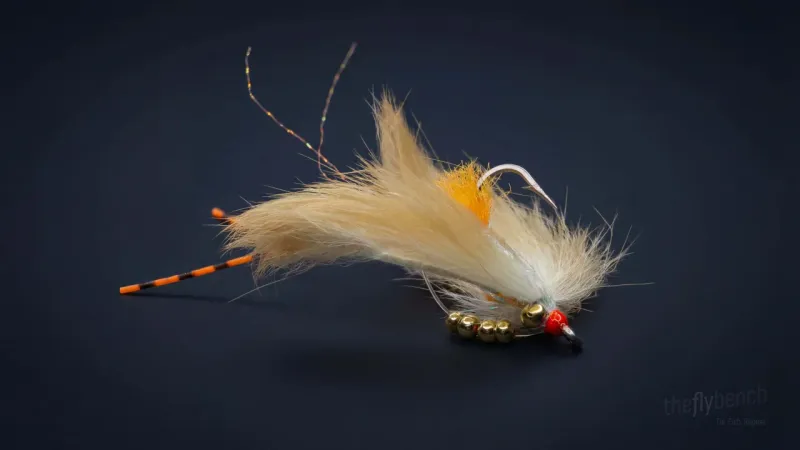
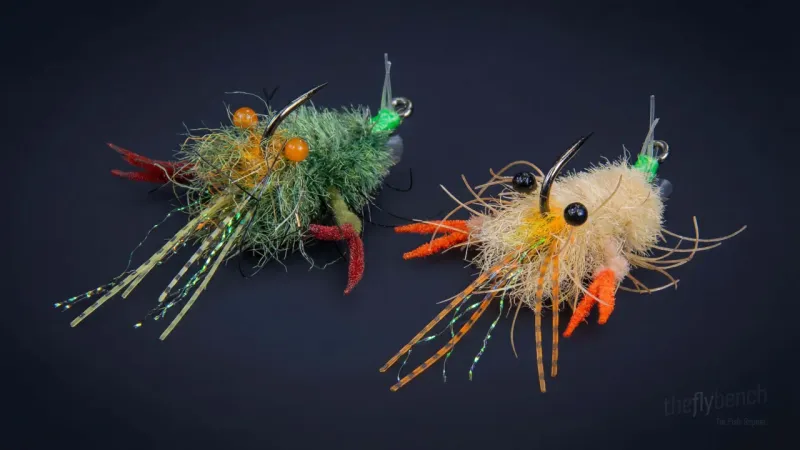
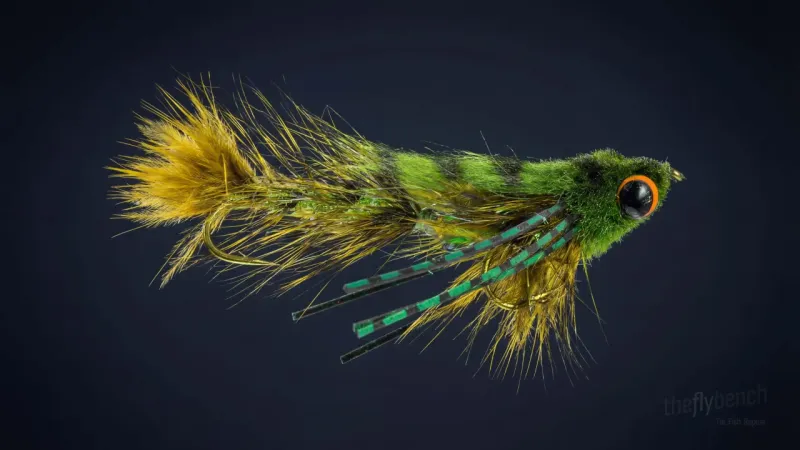
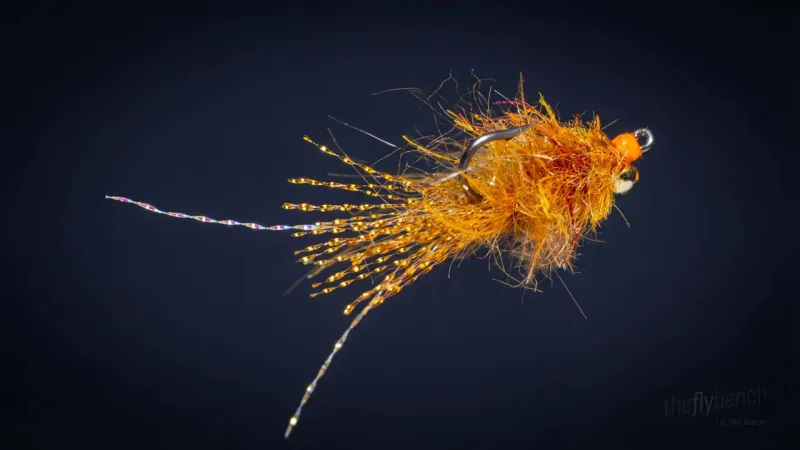
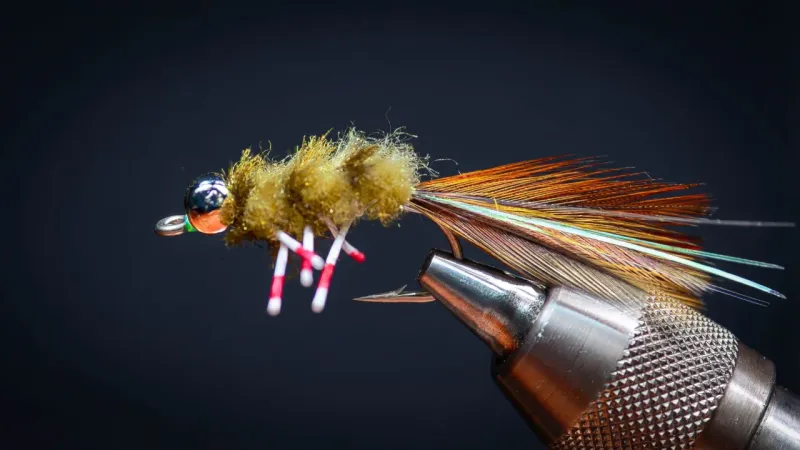
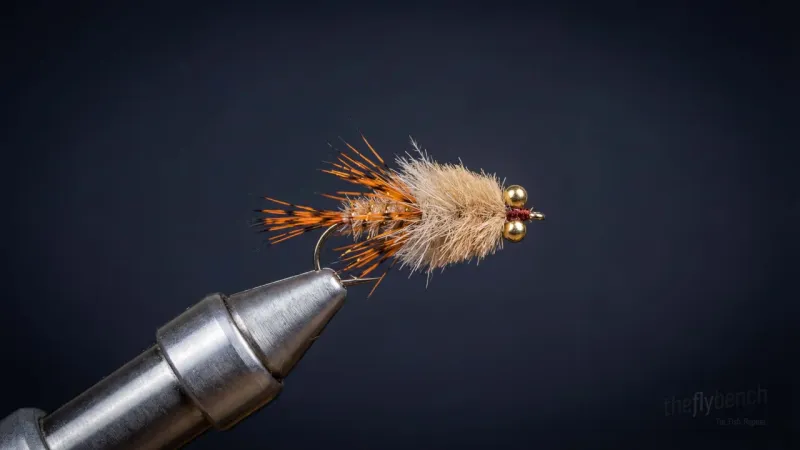
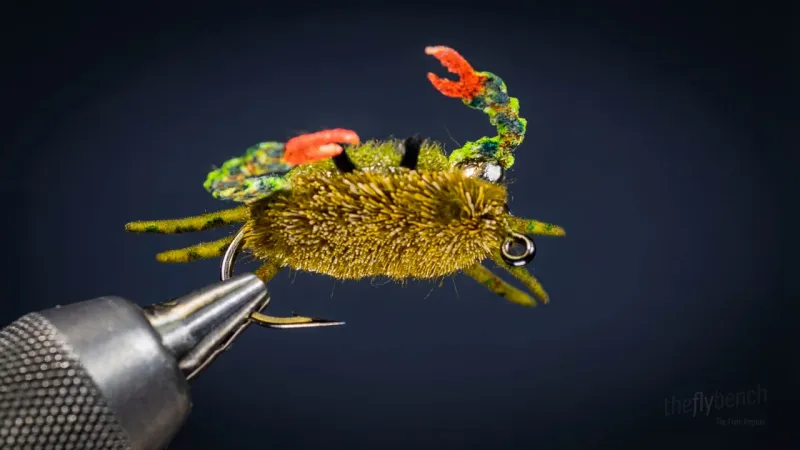
The Fighting Blue Crab is a highly effective saltwater fly, designed to mimic a defensive blue crab. Its realistic appearance and movement make it irresistible to species such as Redfish and Permit.
Year Round
Advanced
Redfish, Permit
Apr 2025
Overview
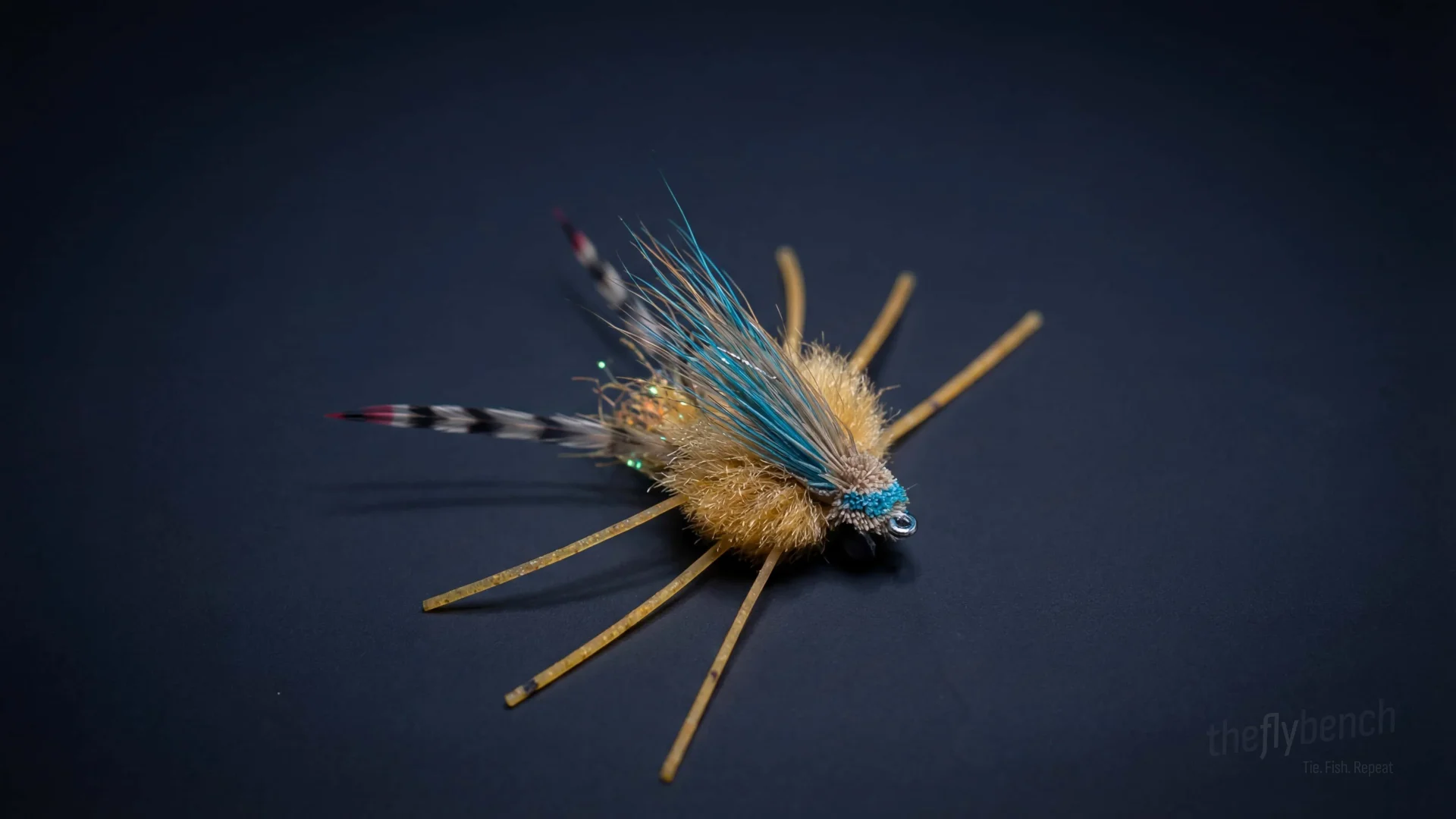
A saltwater flats pattern tied with synthetic claws, bead chain or dumbbell eyes, and crab-colored chenille or yarn body. Weighted to ride hook-point up, it's meant to crawl along the bottom. Legs are usually rubber or silly legs tied in pairs for realistic motion.
Where to Buy This Fly
We only link to fly shops we trust. Some links are referral links, which may earn us a commission at no extra cost to you.
Materials
- Hook:
- Tiemco 811S, size #2–#4
- Thread:
- Tan UTC 140
- Body:
- Olive EP Fibers
- Claws:
- Brown and blue marabou feathers
- Legs:
- Silicone rubber legs
- Shell:
- Solarez Thick Hard UV resin
Behavior & Presentation
Natural Behavior: Blue crabs in defensive stance spread claws wide facing threats, moving slowly across flats with sideways shuffling that makes them highly visible. Molting stages create extreme vulnerability that redfish, permit, and tarpon actively seek.
Where Trout Eat It: Resting on bottom across shallow flats, grass edges, and near structure where crabs move defensively.
How to Fish It: Allow the fly to settle stationary, letting current animate legs while fish approach the defensive posture.
Best Water: Target flats, grass edges, and drop-offs where gamefish patrol for vulnerable crustaceans.
Strike Type: Feel line accelerate and sense weight as fish inhale the crab, strip-striking on resistance.
Fishing Strategy
Rigging Suggestions: Use a 9-10 weight rod and a heavy leader to withstand the powerful strikes of saltwater species.
Seasonal Timing: Effective during peak feeding periods when water temperatures and conditions support active feeding behavior.
Pro Tips: The Fighting Blue Crab sinks quickly to the bottom, where it remains visible due to the bright colors of the marabou claws and the reflective properties of the UV resin shell. The fly does not float.
Entomology
Blue crabs in defensive postures spread their claws wide and face threats head-on, moving slowly across sandy or grassy flats with occasional sideways shuffling motions that make them highly visible to cruising gamefish. When molting or in soft-shell stages, crabs become extremely vulnerable and are actively sought by redfish, permit, and tarpon due to their high protein and fat content with minimal hard-shell defense. The crab's defensive display actually draws attention rather than deterring fish, as predators have learned this behavior signals an available meal that won't flee quickly like a shrimp or baitfish.
- Organism Type
- crustacean
- Life Stage
- general