SaltwaterDel's Merkin Crab
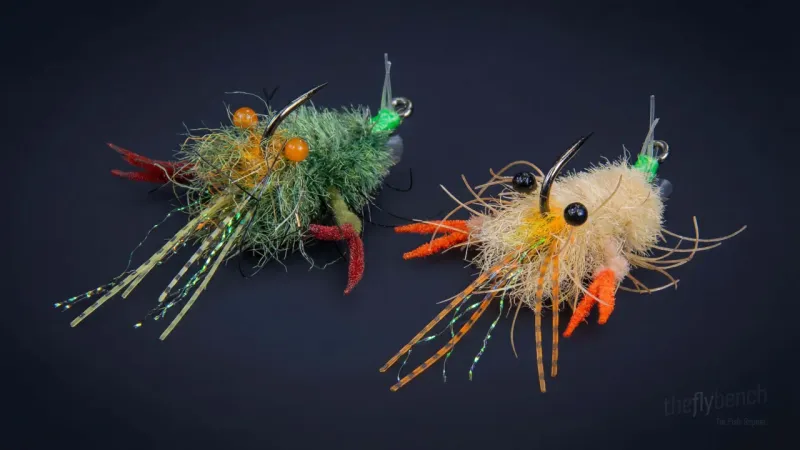
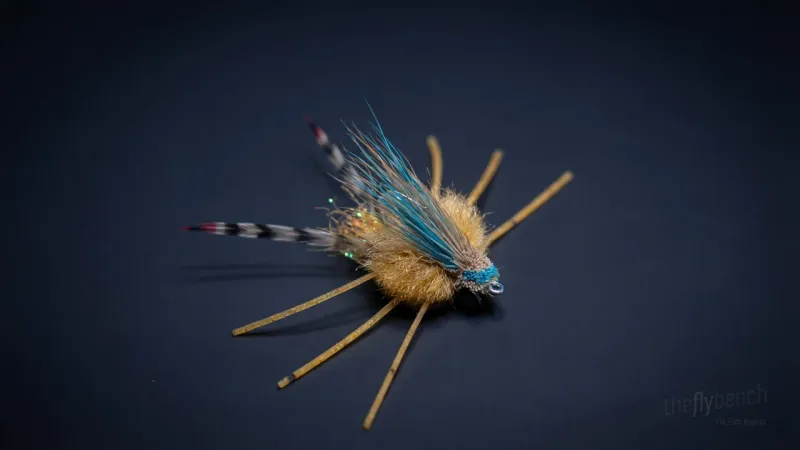
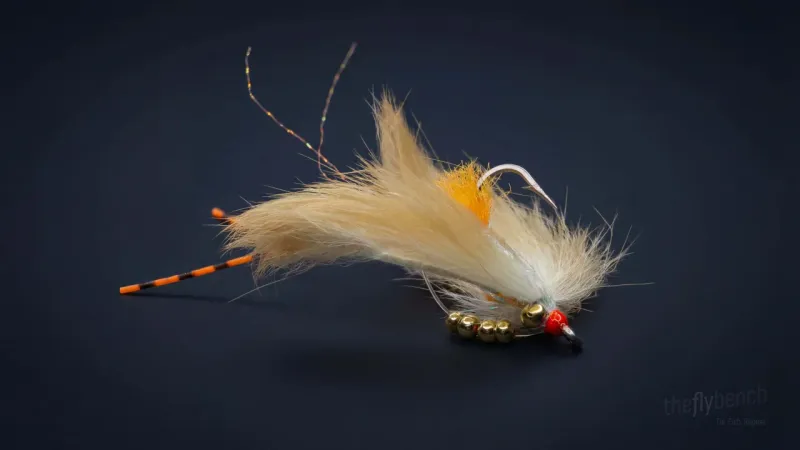
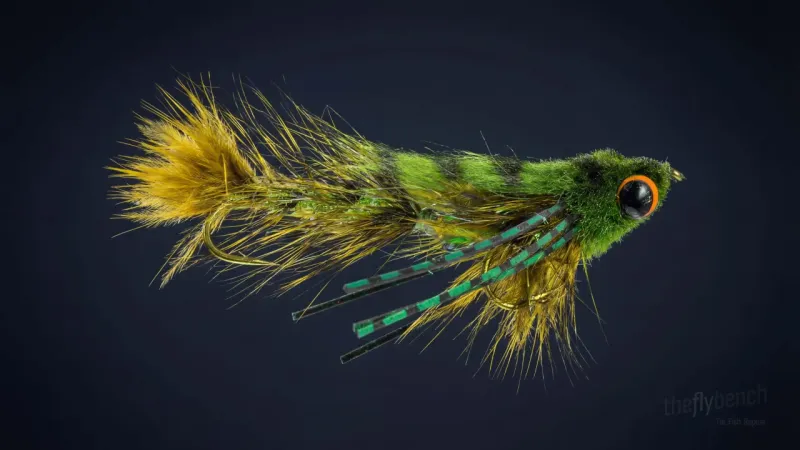
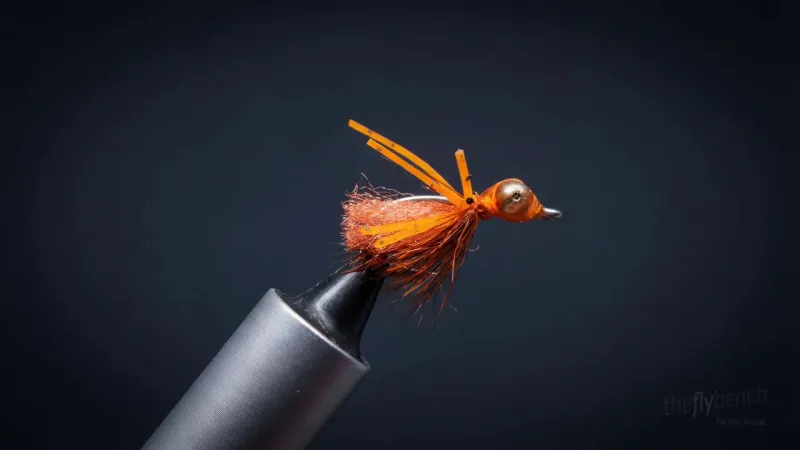
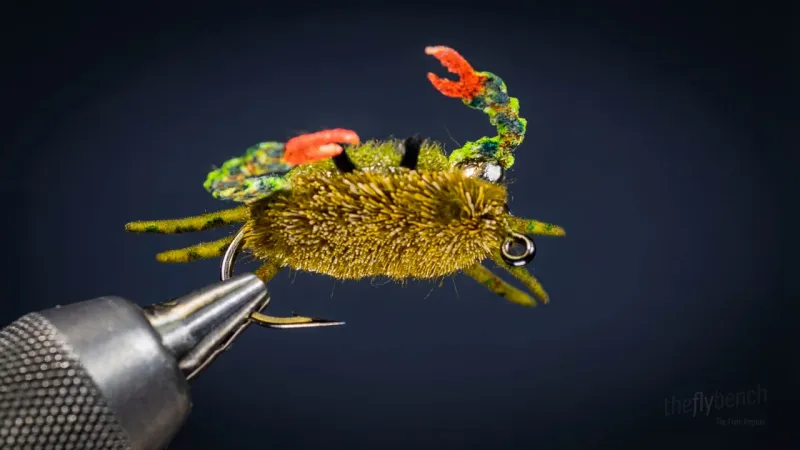
Del's Merkin Crab is a classic permit pattern that has fooled countless fish on tropical flats worldwide. This proven design features a yarn body that creates a wide, flat profile, paired with furnace hackle claws and rubber legs with distinctive red-tipped ends. The pattern's simplicity belies its effectiveness, as the materials work together to create a remarkably crab-like silhouette and movement in the water.
Year Round
Intermediate
Permit, Bonefish, Redfish
Dec 2025
Overview
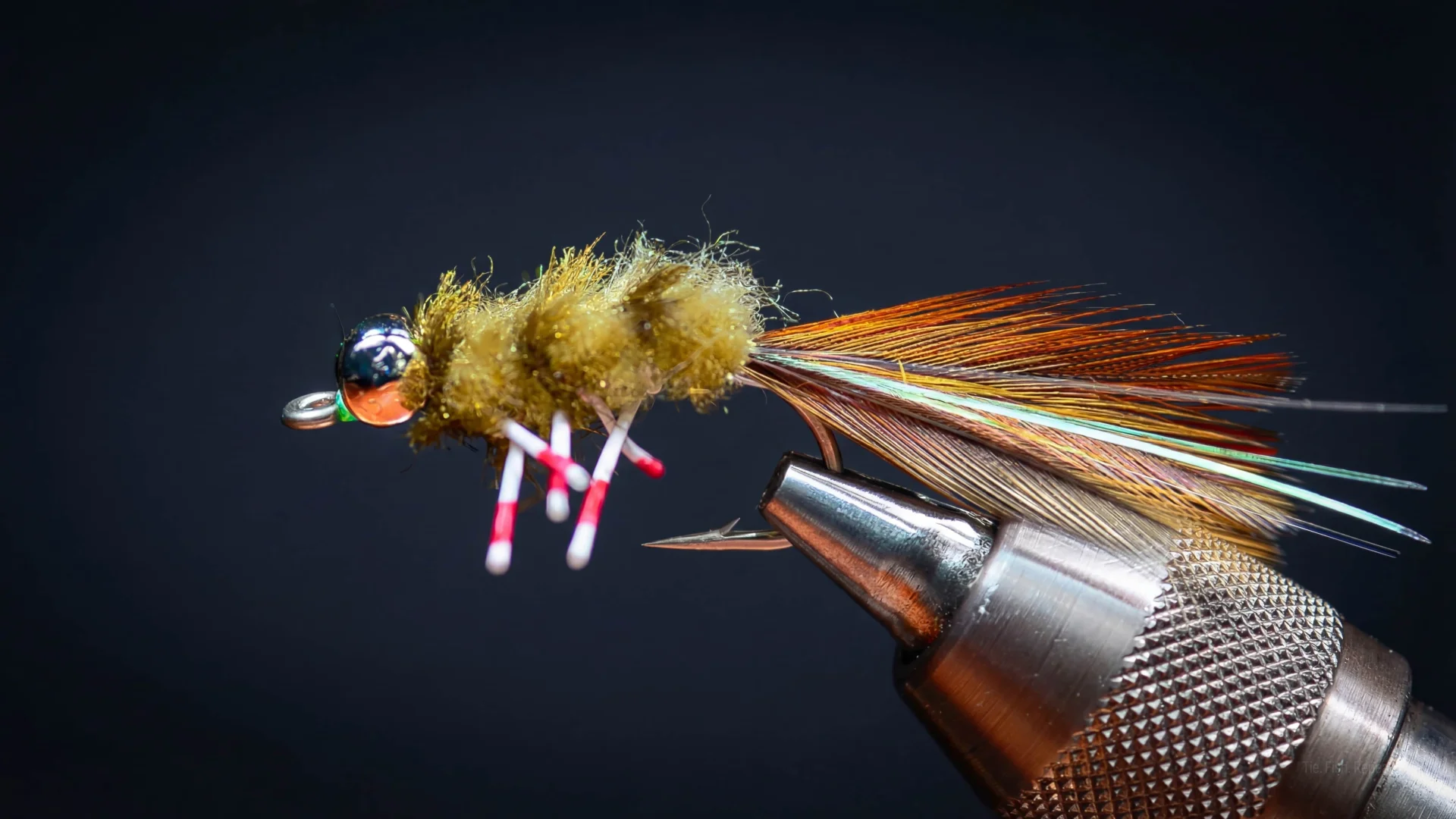
This Charlie Craven pattern from Charlie's Fly Box represents one of the most trusted permit patterns in saltwater fly fishing. The Merkin-style construction creates the distinctive flat, rounded profile that permit recognize as natural prey. The furnace hackle claws provide subtle movement while the red-tipped rubber legs mimic the defensive posture of a swimming crab. The chartreuse thread adds a subtle accent color that shows through the body materials.
Materials
Hook: Tiemco TMC 811S, #1/0-2
Thread: 6/0, chartreuse
Weight: Lead Dumbbell Eyes, medium
Tail: Rooster Hackle (wide, saddle or cape), brown or furnace, with Flashabou, pearl
Body: 3-Ply Sparkle Yarn or EP 3D Fibers, tan
Legs: Medium Round Rubber, white with tips colored red
Weed Guard: Monofilament, 20 lb (optional)
Behavior & Presentation
Natural Behavior: Swimming crabs execute quick lateral scuttles punctuated by defensive pauses where they flatten against substrate with legs splayed. During tidal movements, crabs must cross open flats between protective areas, becoming highly visible. Permit recognize their wide profile instantly.
Where Trout Eat It: Permit and large bonefish hunt crabs over sand, turtle grass, and hard bottom flats. Focus on tidal channels and grass edges where crabs move with water flow.
How to Fish It: Lead fish by 6-10 feet, let settle, then use minimal strips to animate legs. Motionless presentations often trigger the most confident takes from permit.
Best Water: Work sand flats, grass edges, channels, and structure near protective cover where crabs must cross exposed zones.
Strike Type: Line accelerates or goes tight as fish crush the fly.
Fishing Strategy
Rigging Suggestions: Fish on a 9-10 weight rod for permit, 8 weight for bonefish. Use 12-16 lb fluorocarbon tippet for shock absorption and invisibility. A 9-12 foot leader allows accurate presentations to wary fish.
Seasonal Timing: effectiveness in tropical permit and bonefish destinations. Most productive when targeting fish actively feeding on crabs over sand and turtle grass flats.
Pro Tips: The tan body matches natural crabs found on most flats. The lead eyes ensure the fly sinks claws-up, presenting the ideal profile.
Entomology
Swimming crabs move with quick, lateral scuttling motions punctuated by brief pauses where they flatten against the bottom in defensive postures, their legs splayed and claws extended. Permit feed heavily on these crabs during tidal movements when crustaceans are forced to cross open flats, recognizing their wide profile and the opportunity to intercept them before they reach protective cover.
- Organism Type
- crustacean
- Life Stage
- general