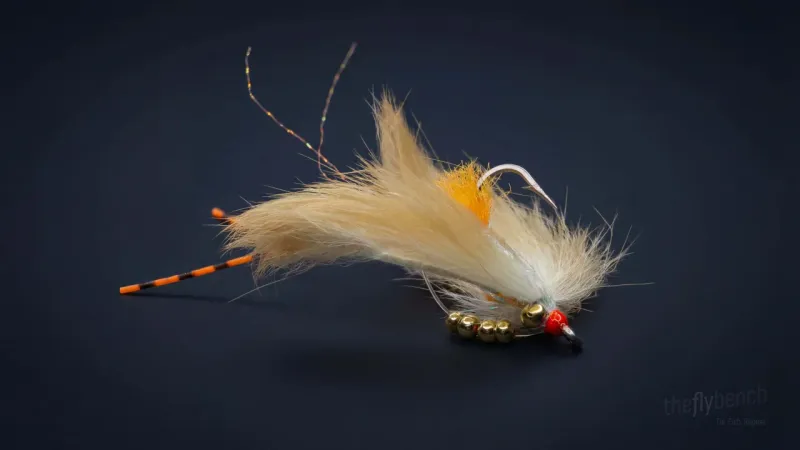
SaltwaterCracked Crab
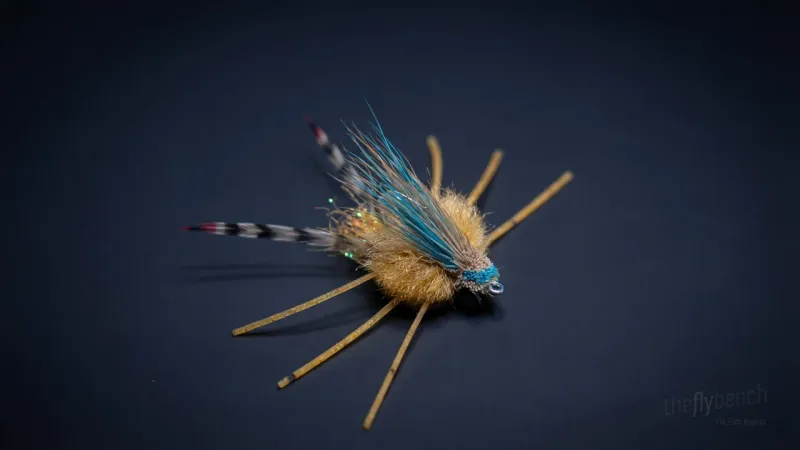
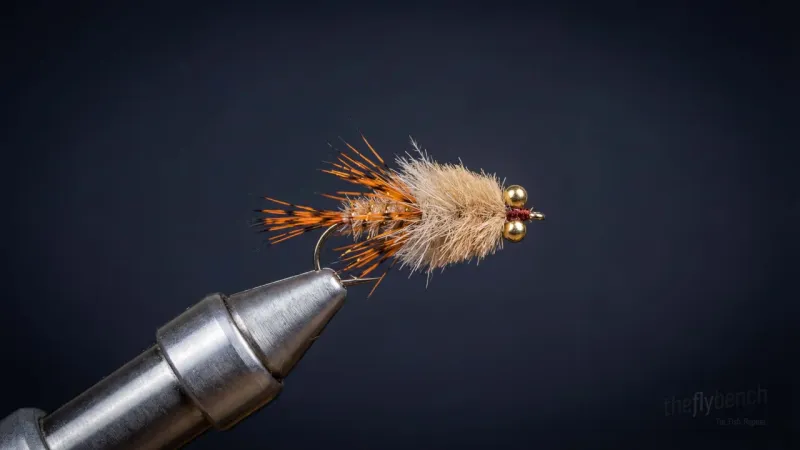
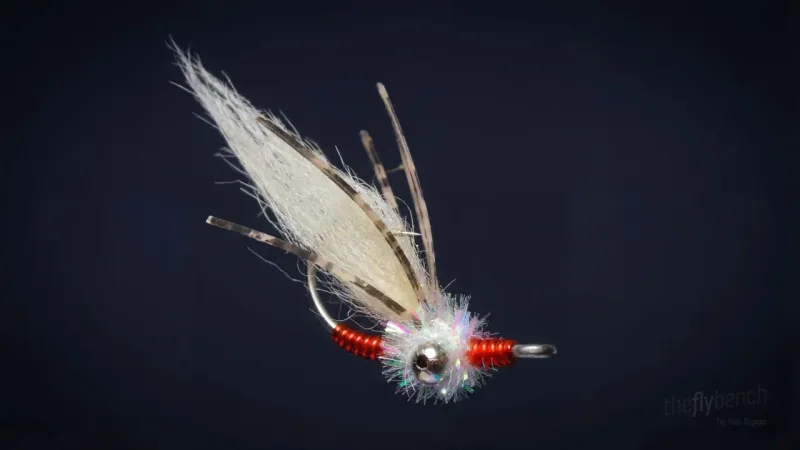
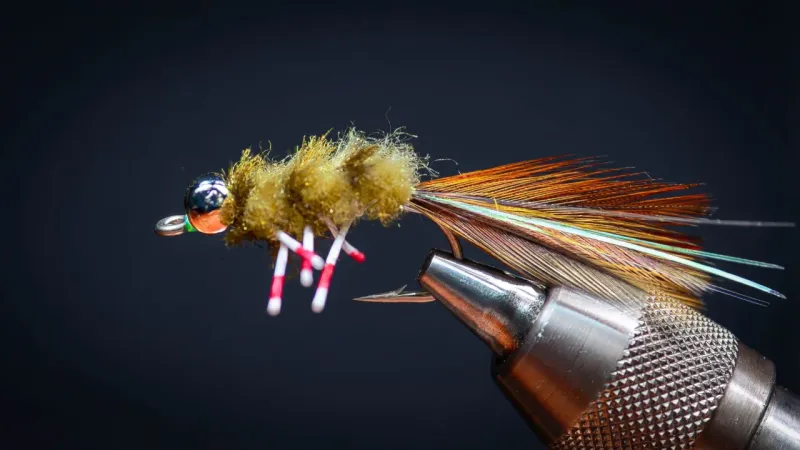
The Cracked Crab is a popular saltwater fly pattern used to target species that feed on crabs. Its realistic appearance and movement in the water make it an effective choice for flats fishing.
Year Round
Advanced
Bonefish, Permit
Apr 2025
Overview
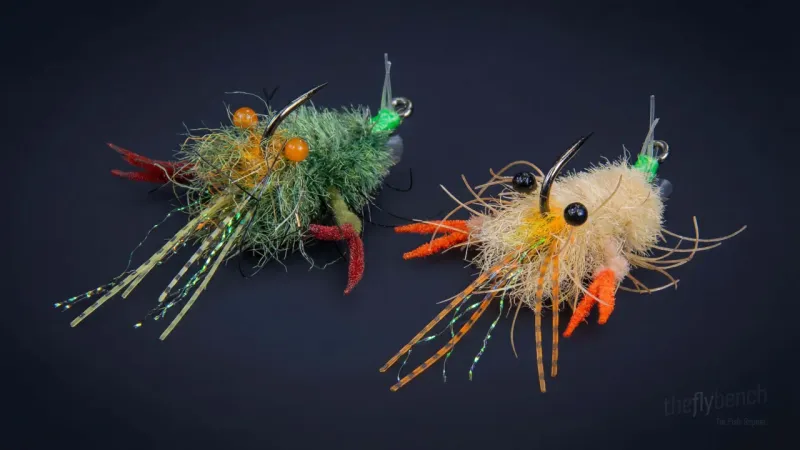
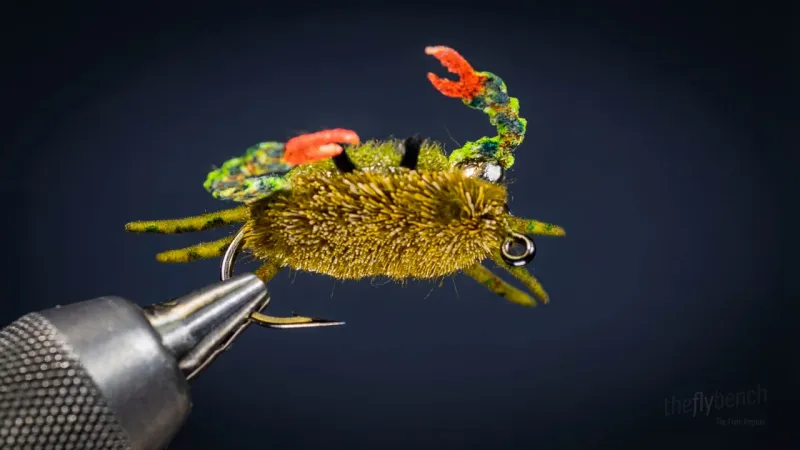
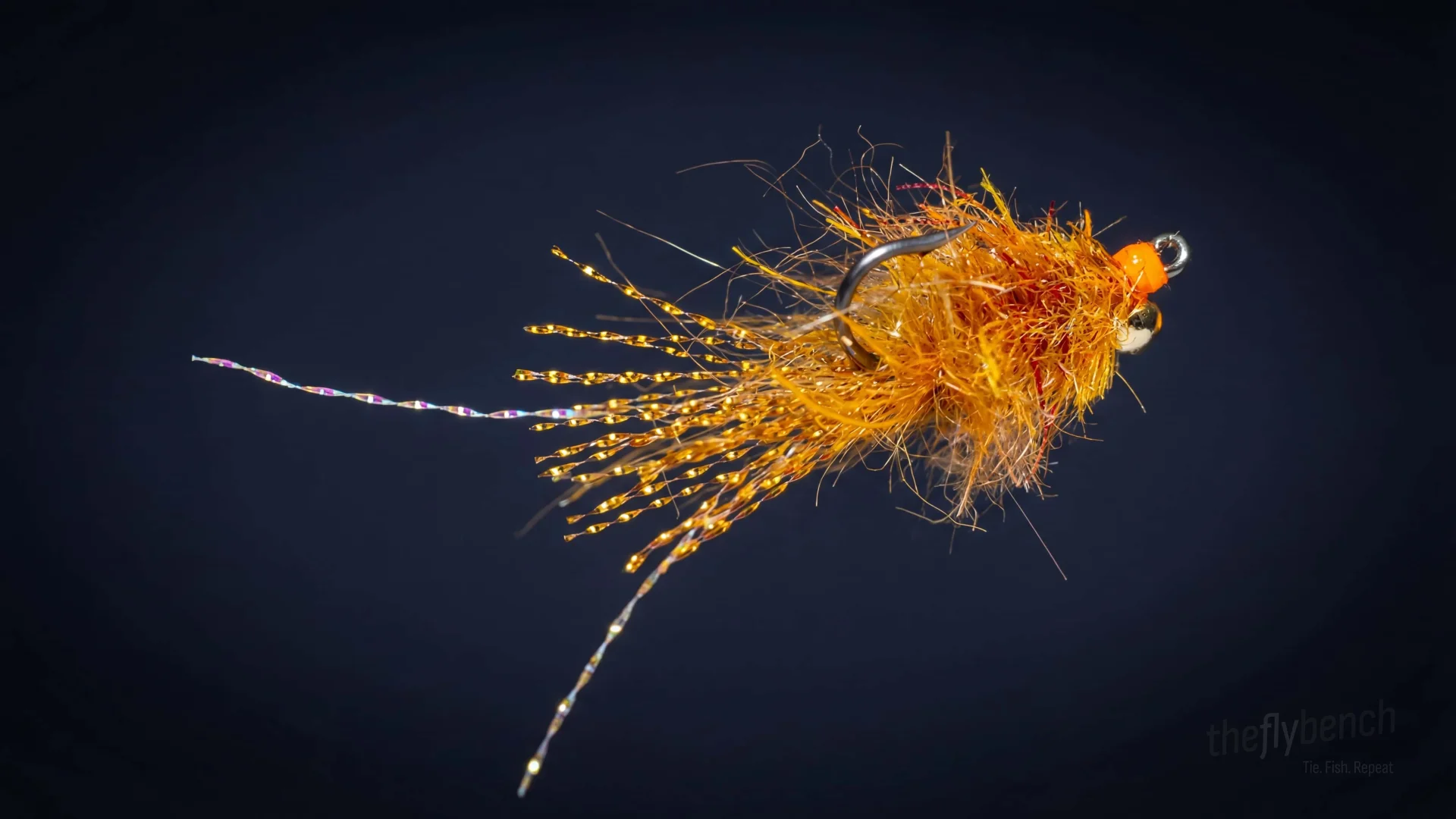
This saltwater pattern uses synthetic chenille or furry foam, monofilament eye stalks, and rubber legs tied in flat to mimic the crab's body shape. It's epoxy or UV-coated for durability, often with dumbbell eyes to ride hook-up.
Where to Buy This Fly
We only link to fly shops we trust. Some links are referral links, which may earn us a commission at no extra cost to you.
Materials
- Hook:
- Tiemco 811S, size #2-#6
- Thread:
- Tan UTC 140
- Body:
- Tan craft fur
- Claws:
- Natural grizzly hackle feathers
- Eyes:
- Medium bead chain
- Shell:
- Solarez Thick Hard UV resin
- Weight:
- Lead dumbbell eyes
Behavior & Presentation
Natural Behavior: Crabs exposed on flats exhibit defensive postures, claws raised as they attempt to burrow. This vulnerability triggers aggressive strikes from cruising predators.
Where Trout Eat It: Permit patrol flats, channel edges, and grass beds where crabs hide in sandy substrate.
How to Fish It: Present ahead of cruising fish, letting it settle before giving short hops to mimic escaping crab.
Best Water: Target flats with sandy bottom, grass edges providing cover, and channel swings where crabs concentrate.
Strike Type: Feel the line accelerate as fish crush the crab, then strip-set immediately.
Fishing Strategy
Rigging Suggestions: Use a heavy leader and tippet to withstand the powerful runs of these species.
Seasonal Timing: Effective during peak feeding periods when water temperatures and conditions support active feeding behavior.
Pro Tips: This pattern is designed to sink quickly to the bottom, where it effectively imitates a defensive crab. The Solarez Thick Hard UV resin adds a realistic, durable shell.
Entomology
Crabs scuttle sideways across turtle grass and sand flats with periodic stops to feed or assess threats, their legs creating small puffs of sand and their claws raised defensively when approached by gamefish. During molting cycles or when their shells are damaged ("cracked"), crabs become slow-moving targets that emit chemical signals in the water that permit, bonefish, and redfish can detect from considerable distances. The combination of high nutritional value and reduced defensive capability during these vulnerable periods makes crabs a priority prey item that fish will actively search for on incoming tides when crabs move across open flats.
- Organism Type
- crustacean
- Life Stage
- general