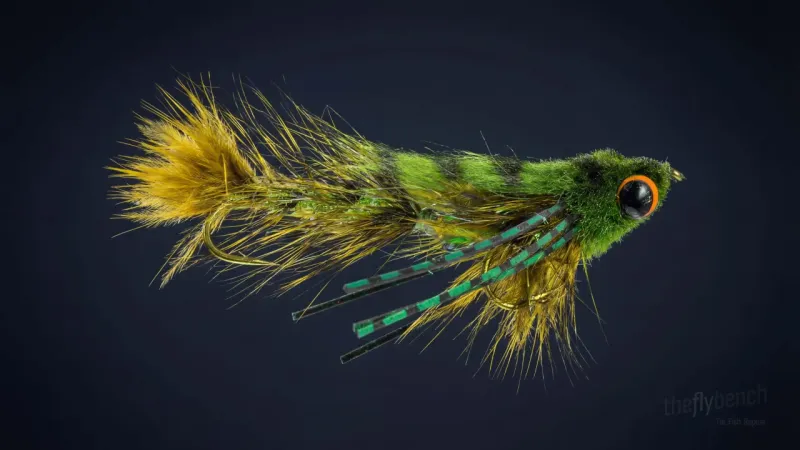
SaltwaterBonecrusher
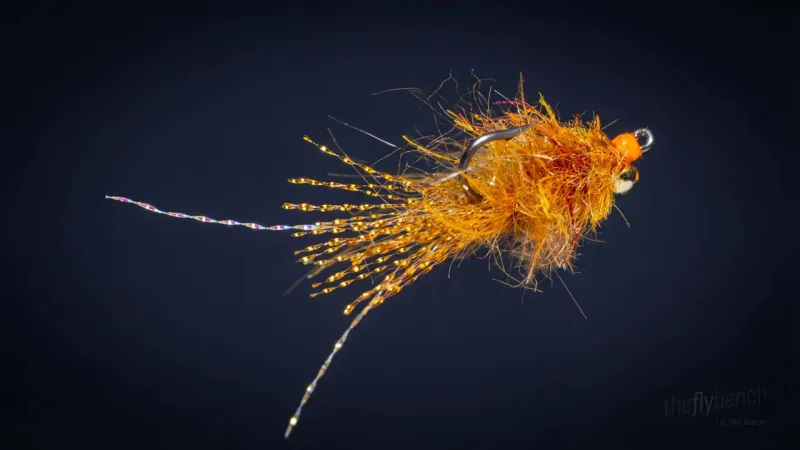
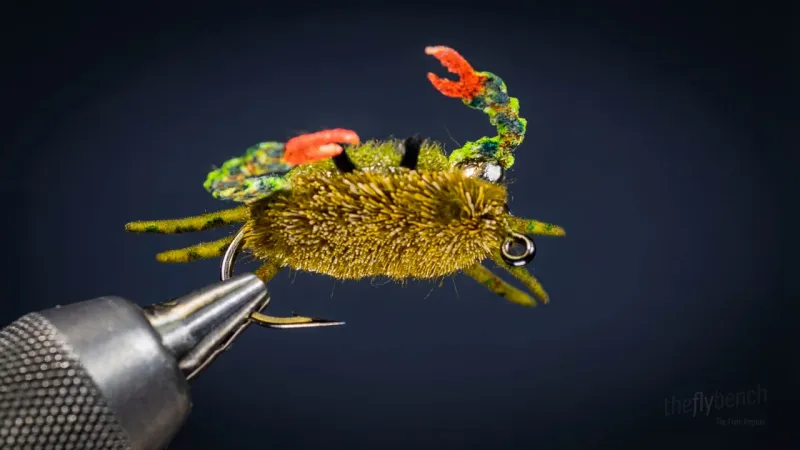
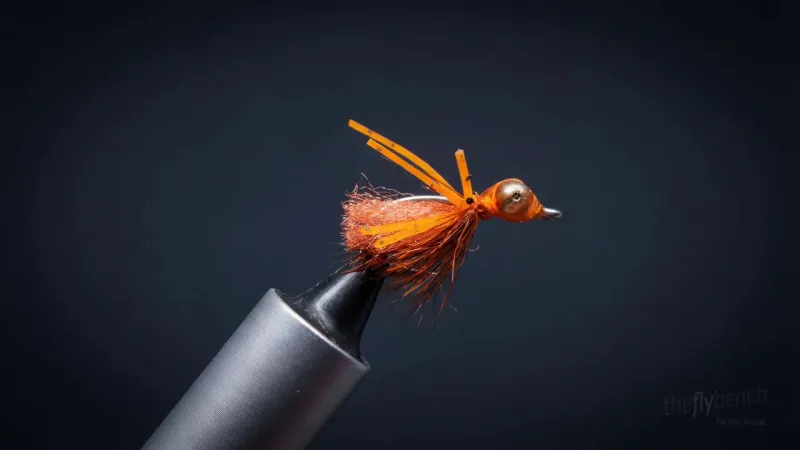
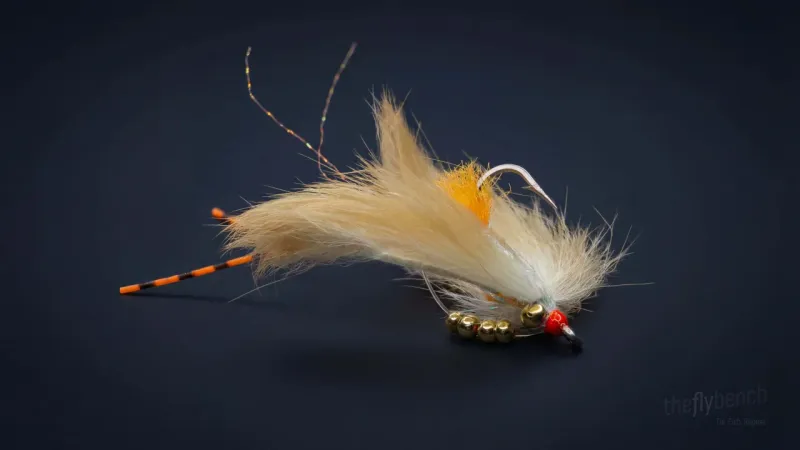
The Bonecrusher is a proven saltwater pattern designed for bonefish on the flats but is also effective for other saltwater species. The realistic profile and heavily weighted eyes make it a must-have for any saltwater fly box.
Year Round
Advanced
Bonefish, Permit
Apr 2025
Overview
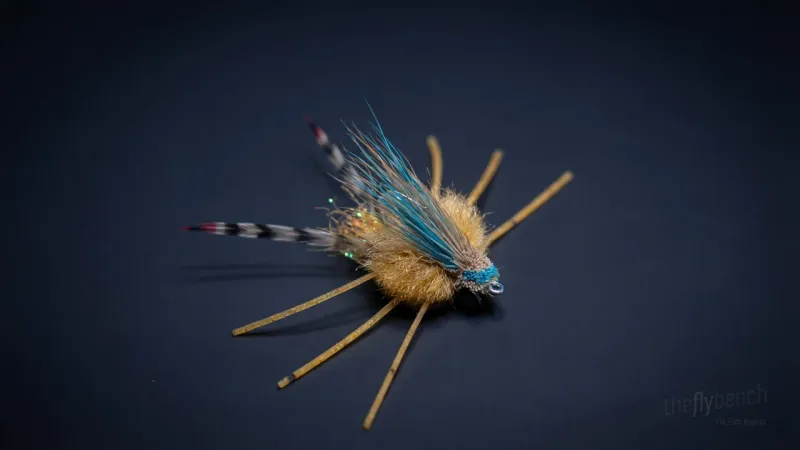
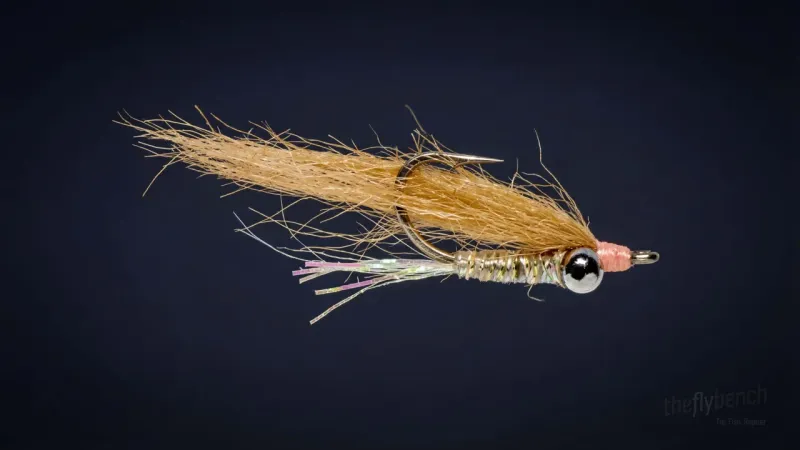
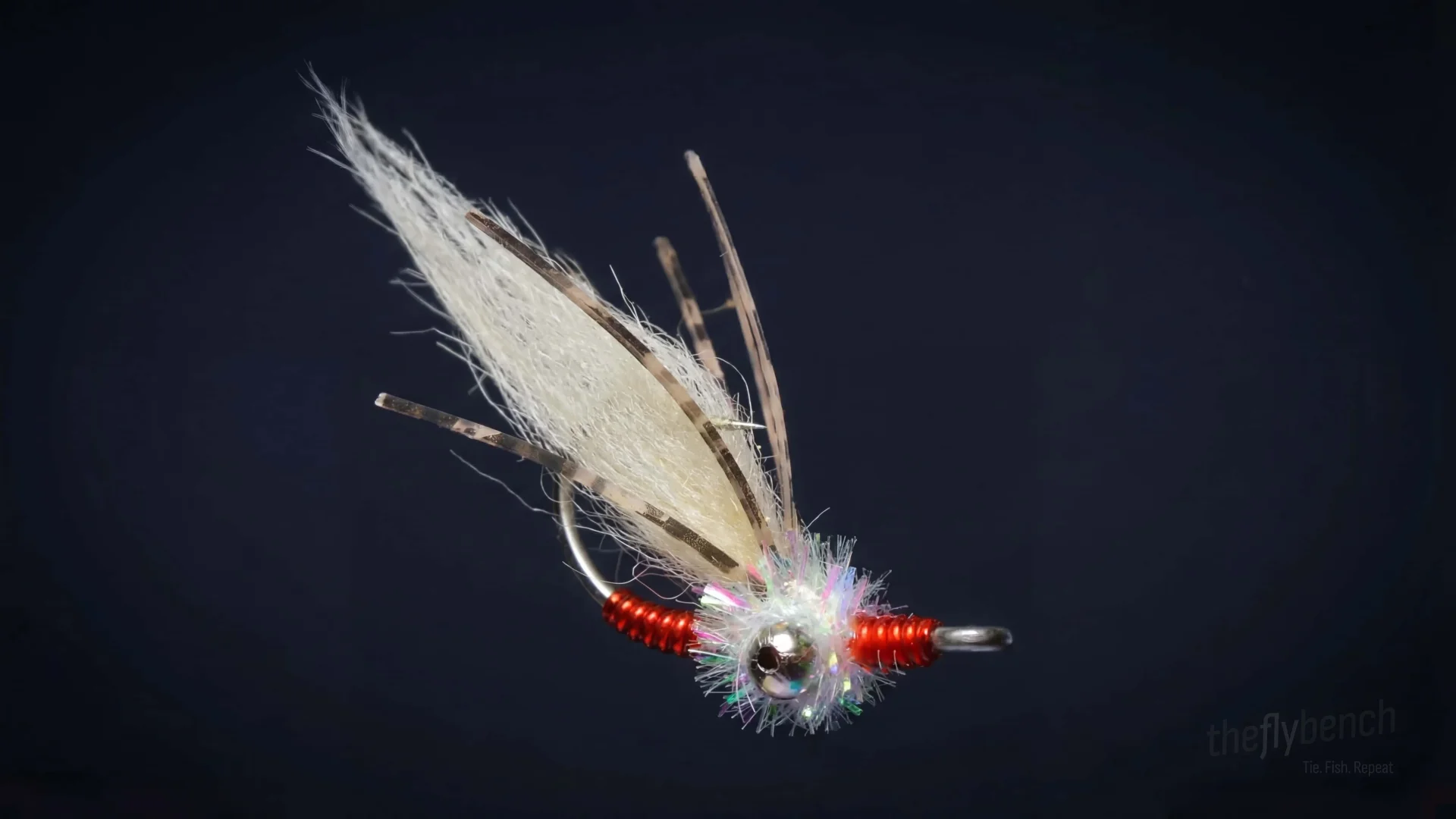
The Bonecrusher is a proven saltwater fly for targeting bonefish in deeper flats. It's tied with a heavily weighted body—usually lead or bead chain eyes—on a saltwater hook. The body typically uses tan or olive synthetic dubbing, with rubber legs and a wing of craft fur, Arctic fox, or synthetic fibers for movement. Flash accents and a weed guard can be added depending on the terrain. The key in tying this pattern is balancing the materials to maintain a quick sink rate while preserving a natural profile and subtle movement.
Where to Buy This Fly
We only link to fly shops we trust. Some links are referral links, which may earn us a commission at no extra cost to you.
Materials
- Hook:
- Mustad S71SZ, size #4–#6
- Thread:
- Tan Veevus 6/0
- Eyes:
- Large bead chain or lead eyes
- Tail:
- Tan craft fur
- Body:
- Tan EP Fibers
- Legs:
- Silicone legs in barred color
- Shellback:
- Solarez Thick Hard UV resin
Behavior & Presentation
Natural Behavior: Crabs and larger shrimp move with deliberate crawling motions punctuated by defensive posturing when threatened. Despite hard exteriors, they provide substantial protein that bonefish crush with specialized pharyngeal teeth.
Where Trout Eat It: Shallow sandy areas and turtle grass beds in 6-18 inches where permit and bonefish hunt crabs.
How to Fish It: Let it sink to bottom, then retrieve with short, sharp 1-2 inch strips followed by long pauses.
Best Water: Focus on flats, grass edges, and channel edges where fish patrol for crustaceans.
Strike Type: Feel the line accelerate and strip-set firmly when you sense resistance.
Fishing Strategy
Rigging Suggestions: Tie to a long 10-12 foot leader with heavy 12-16 lb fluorocarbon tippet to handle powerful runs and abrasive coral or grass.
Seasonal Timing: Year round in tropical destinations, with peak seasons varying by location. Florida and Bahamas fish best from March through September.
Pro Tips: The heavy eyes sink this fly quickly to the strike zone. Its realistic profile works well in clear water. Strip set firmly when you feel resistance as these fish have hard mouths.
Entomology
Crabs and larger shrimp in deeper flat zones move with deliberate, crawling motions punctuated by occasional defensive posturing when threatened by approaching shadows. These armored crustaceans provide substantial protein despite their hard exteriors, and bonefish have learned to crush them with specialized pharyngeal teeth. The vulnerability of these prey items increases during molting cycles and when caught crossing open patches between coral and grass, creating prime feeding windows that experienced fish patrol systematically.
- Organism Type
- crustacean
- Life Stage
- general