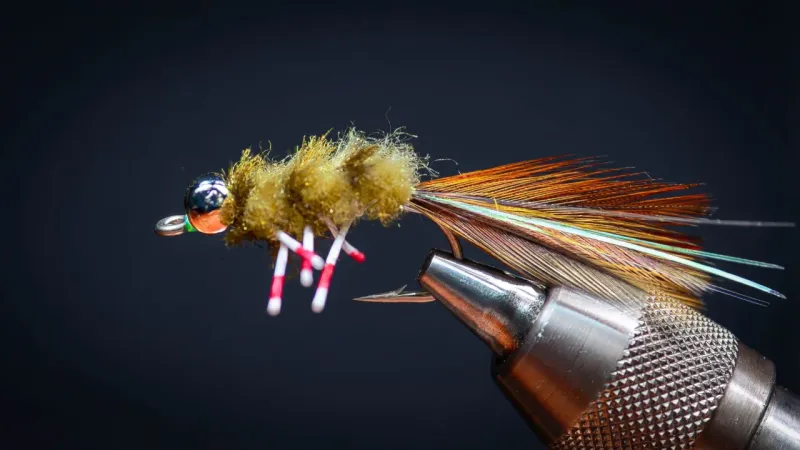
SaltwaterEP Tarantula Crab
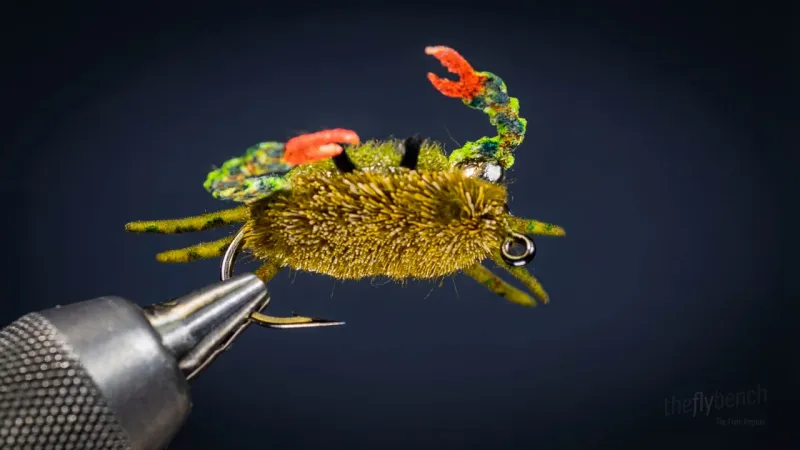
The EP Tarantula Crab is a saltwater fly pattern that imitates a small crab, one of the primary food sources for many saltwater species. The fly is designed to sink quickly and move realistically along the bottom.
Year Round
Advanced
Bonefish, Permit
Apr 2025
Overview
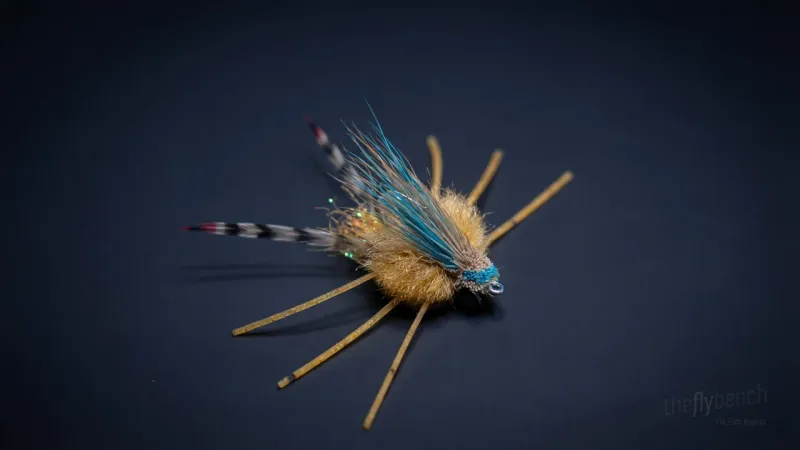
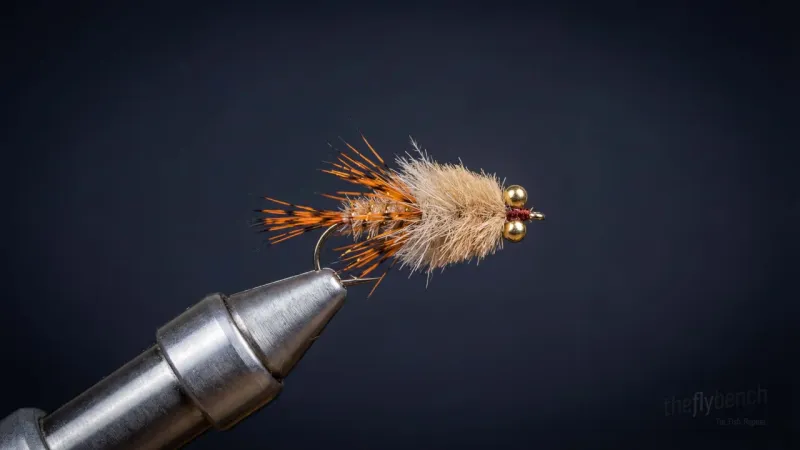
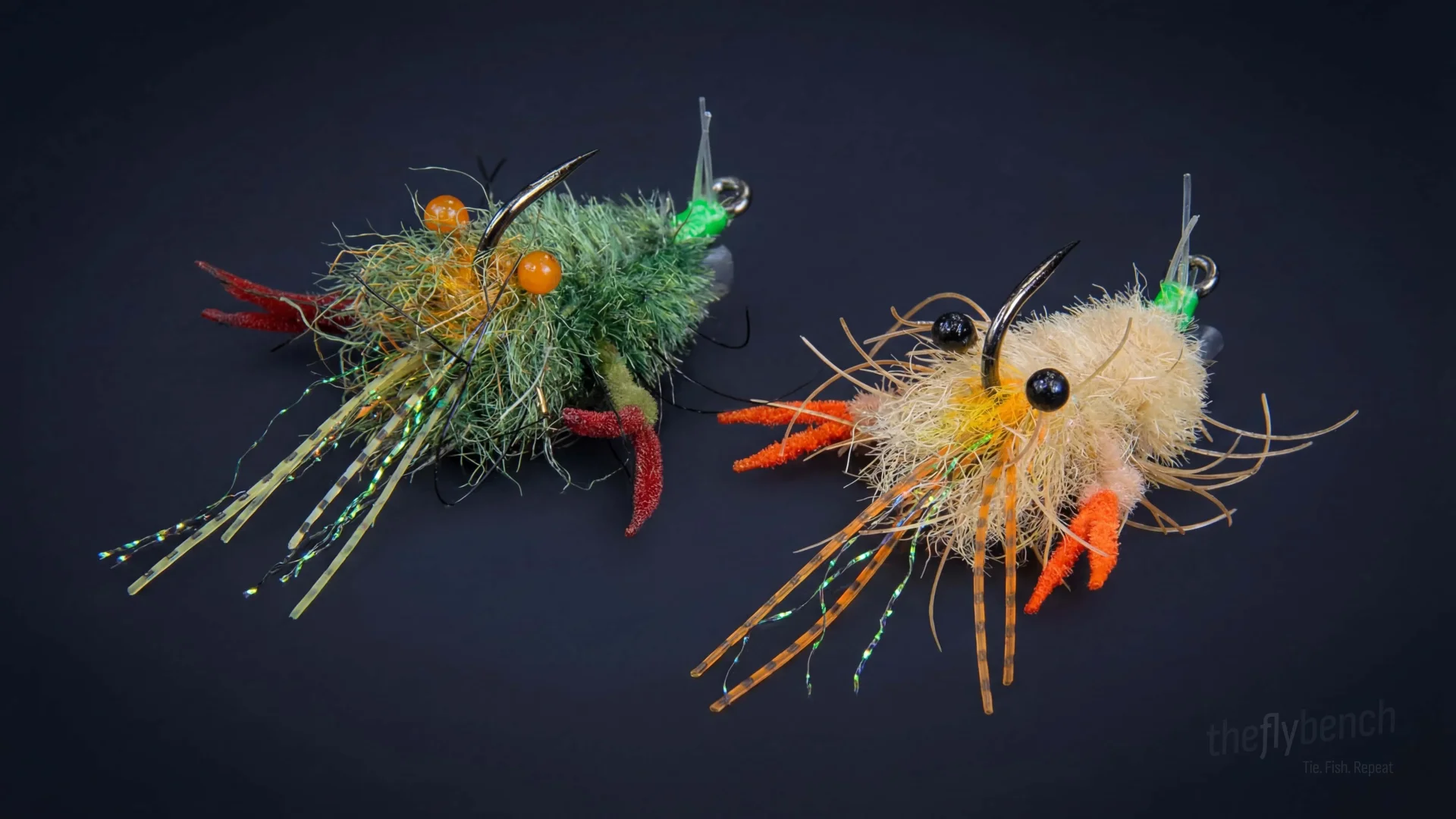
A permit-targeting fly tied with EP Fibers in a broad, crab-like shape, rubber legs for motion, and a heavily weighted dumbbell eye setup. The fibers are trimmed flat to imitate a broad shell profile. Often tied in olive, tan, or mottled brown.
Where to Buy This Fly
We only link to fly shops we trust. Some links are referral links, which may earn us a commission at no extra cost to you.
Materials
- Hook:
- Gamakatsu SL12S, size #2
- Thread:
- Tan UTC 140 denier
- Body:
- Tan EP Fibers
- Legs:
- Barred rubber legs
- Eyes:
- Lead dumbbell eyes
- Shellback:
- Tan EP Fibers covered with Loon UV Thick resin
Behavior & Presentation
Natural Behavior: Crabs scuttle laterally across flats with quick bursts between feeding pauses, darting between grass patches and sandy zones. Their high protein content makes them priority targets despite hard shells that require energy to crack open.
Where Trout Eat It: Bottom zone of sandy and turtle grass flats in 1-4 feet of water where crabs cross open areas between cover.
How to Fish It: Cast 10-15 feet ahead of cruising fish and let it settle on bottom, then use 2-3 inch strips with pauses to mimic scuttling movement.
Best Water: Sandy bottoms, turtle grass edges, muddy flats, and shallow structure where permit and bonefish hunt during incoming tides.
Strike Type: Line accelerates or goes tight as fish tips down to inhale fly off bottom.
Fishing Strategy
Rigging Suggestions: 9-12ft leader with 12-16lb fluorocarbon for permit, 8-10lb for bonefish. Floating line allows delicate presentations in skinny water. Adjust tippet strength based on target species.
Seasonal Timing: Year-round effectiveness in tropical and subtropical waters, with peak activity during warmer months April-November. Spring tides during new and full moons concentrate feeding activity. Early morning and late afternoon periods see most feeding activity because fish move into shallows to hunt.
Pro Tips: Lead eyes help fly land softly and sink quickly to bottom where crabs naturally occur. UV resin shellback adds durability and realistic shine. Match fly size to natural crabs present on your flat.
Entomology
Small crabs move laterally across turtle grass flats and sandy bottoms with sudden scuttling motions, pausing to feed before darting to new positions. Fish target crabs opportunistically when they're crossing open areas between cover, as their nutrient-dense bodies provide exceptional energy returns despite their hard shells.
- Organism Type
- crustacean
- Life Stage
- general