

Overview
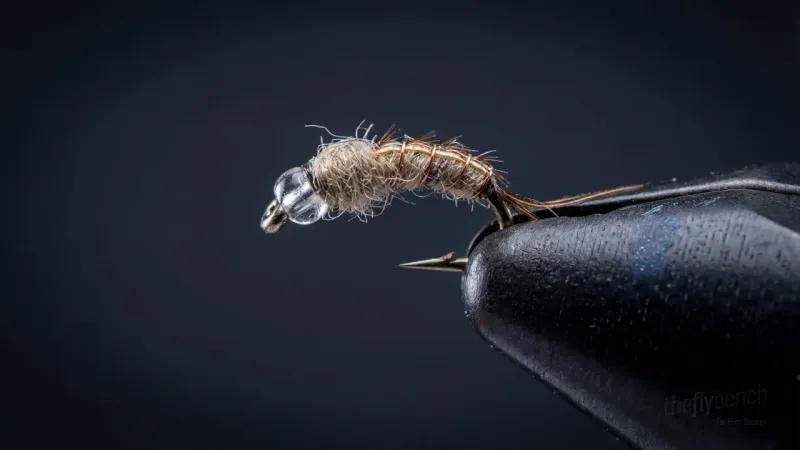
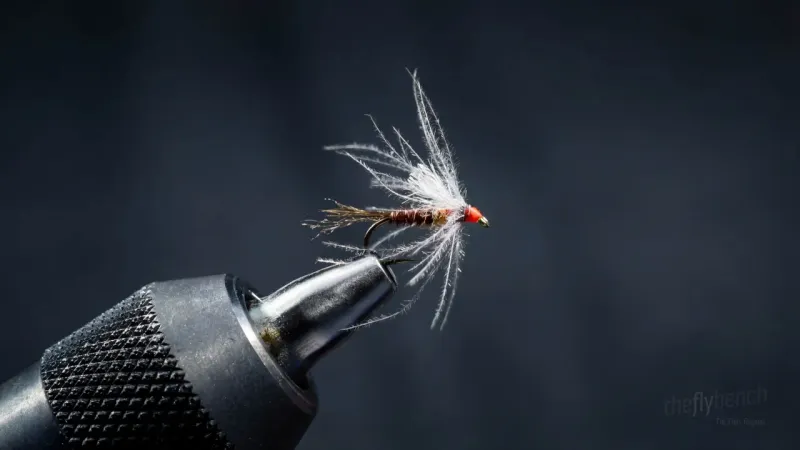
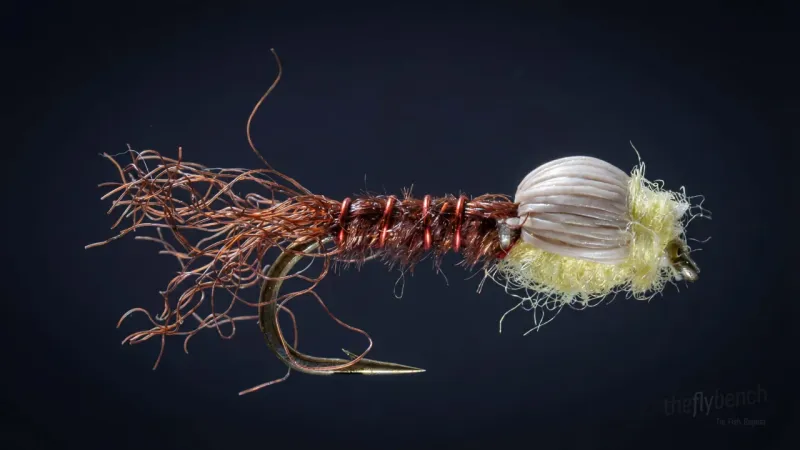
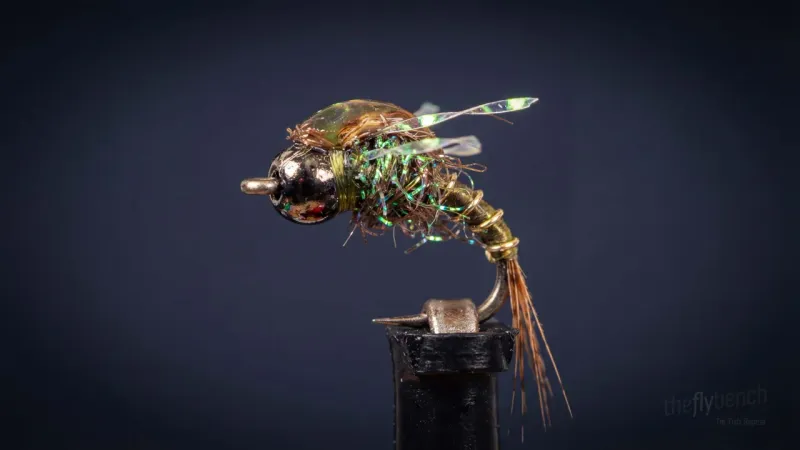
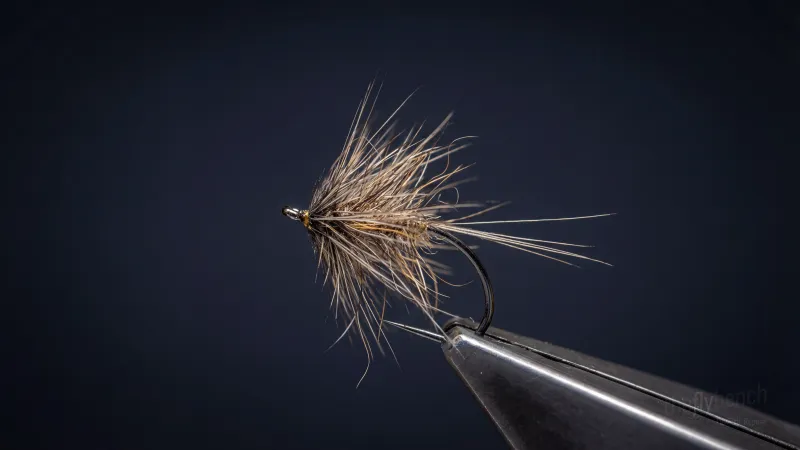
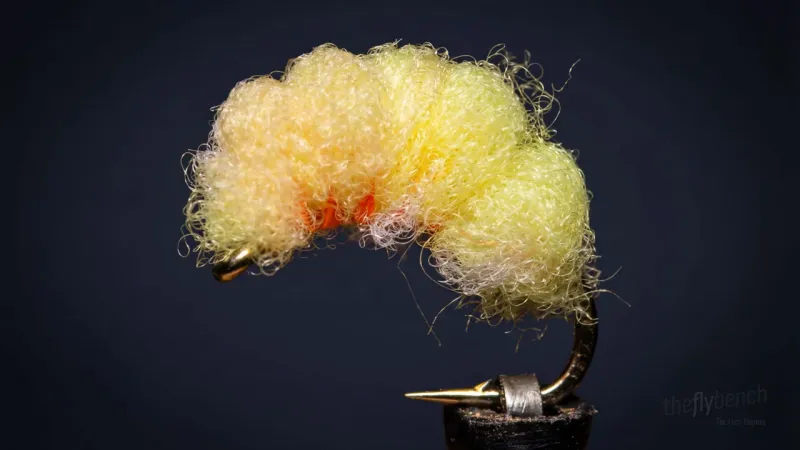
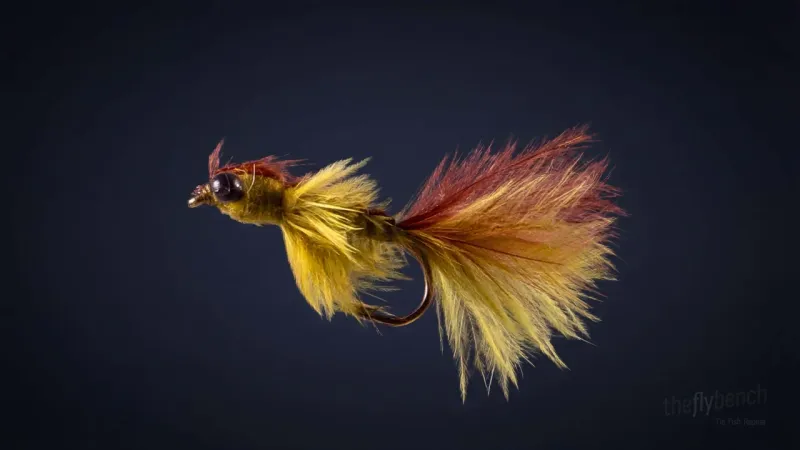
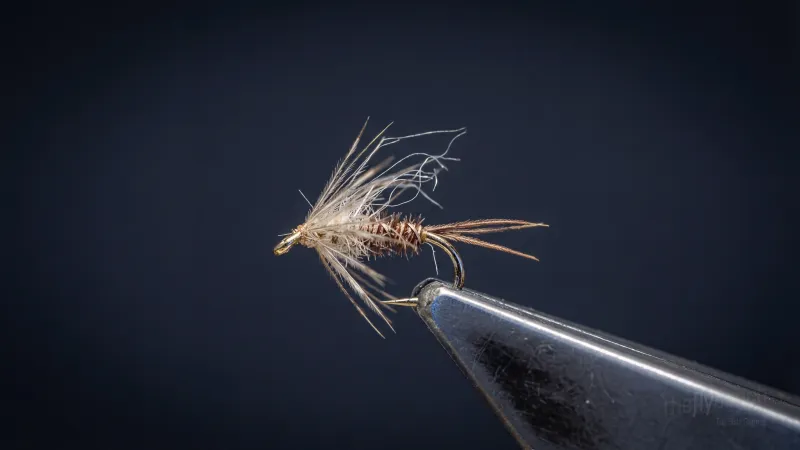
A slim beaded emerger with a pheasant tail tail, a tan or grey dubbed body ribbed with copper wire, and a pearl tinsel wingcase behind a clear midge bead. It imitates a mayfly nymph rising to hatch and fishes just below the surface during Baetis and PMD hatches.
Related patterns
Behavior & presentation
- Natural Behavior
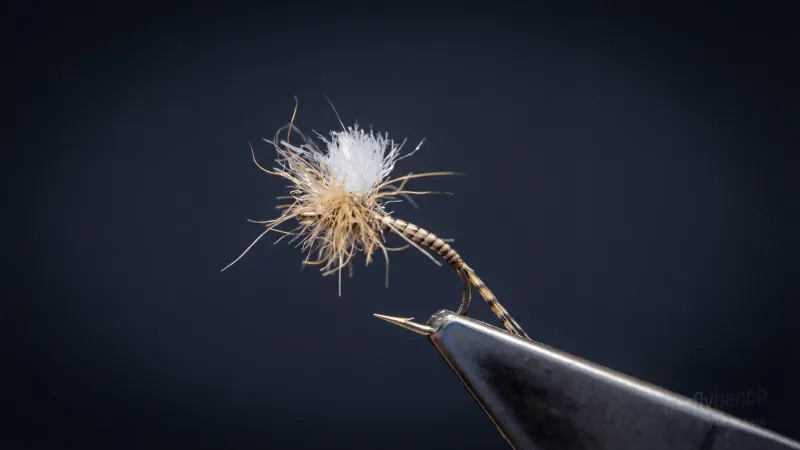
- Mayfly nymphs leave the bottom and swim toward the surface before a hatch, pausing just under the film as their wingcases split.
- Where Trout Eat It
- Trout feed on rising nymphs in the middle and upper water column along seams and tail-outs during mayfly hatches.
- How to Fish It
- Dead drift it as a dropper below a dry fly, or let it swing and rise at the end of the drift to imitate an ascending nymph.
- Best Water
- Focus on seams and tail-outs in runs where mayfly hatches funnel nymphs into slower water.
- Strike Type
- Watch for the dry fly or indicator to dip, or for a subsurface flash or bulge just under the surface.
Fishing strategy
- Rigging Suggestions
- Fish it as a dropper off a dry fly or as a single fly on a tapered leader with 5X-6X tippet.
- Seasonal Timing
- Greg's Emerger is best used during spring and summer mayfly hatches, especially Baetis and PMDs.
- Pro Tips
- The clear glass bead adds a little weight and a bubble-like sparkle, so the fly rides just under the surface. The pearl tinsel wingcase suggests the gas-filled wingcase of an emerging nymph.
Entomology
Mayfly nymphs leave the bottom and rise through the water column before a hatch, often pausing just under the surface as their wingcases split. Trout key on these rising and suspended nymphs because they cannot hide and cannot yet fly away.
- Order
- Ephemeroptera
- Common name
- Mayfly
- Organism
- insect
- Life stage
- emerger
Pattern details
- Moving Water
- Worldwide
- dead-drift
- indicator-nymph
- baetis-hatch
- searching-pattern
- swing
- dry-dropper