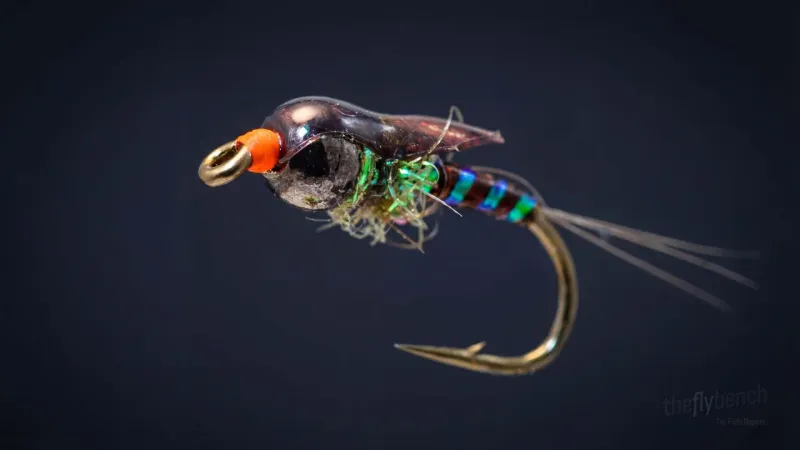
Dry FliesDyret
The Dyret is a dry fly pattern designed by Tracy Mobley. This effective pattern combines traditional materials with proven techniques for consistent results in a variety of water conditions.
Spring, Summer, Fall
Intermediate
Trout
Feb 2026
Overview
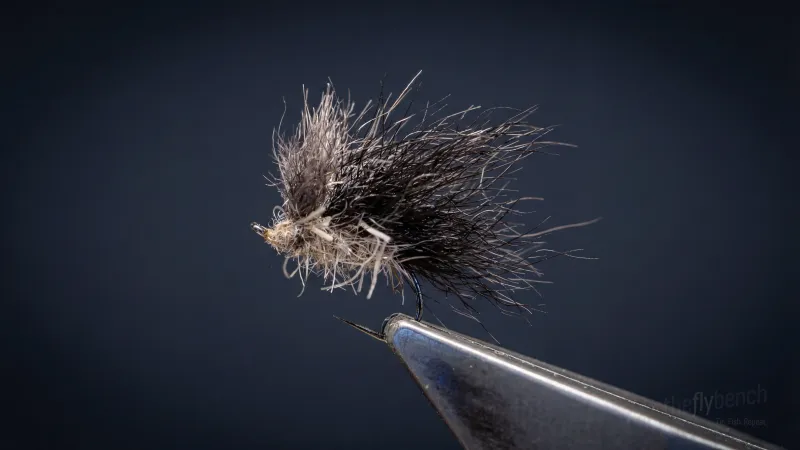
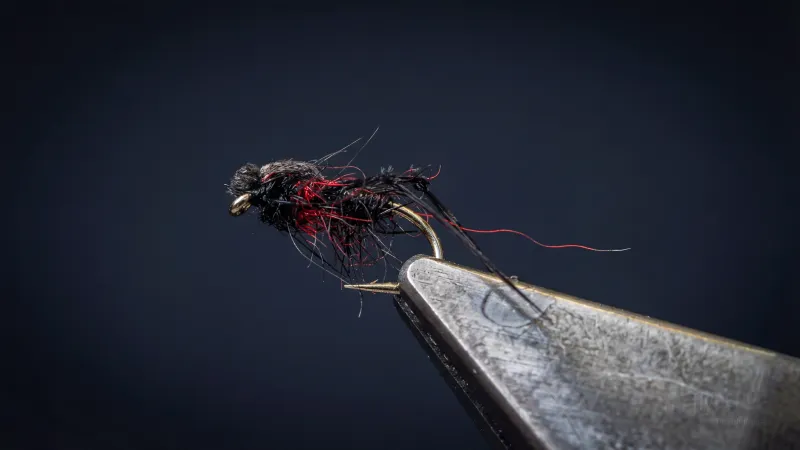
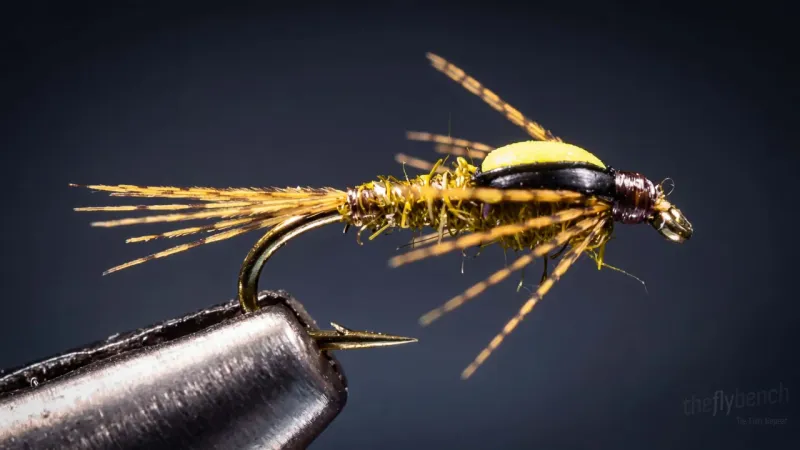
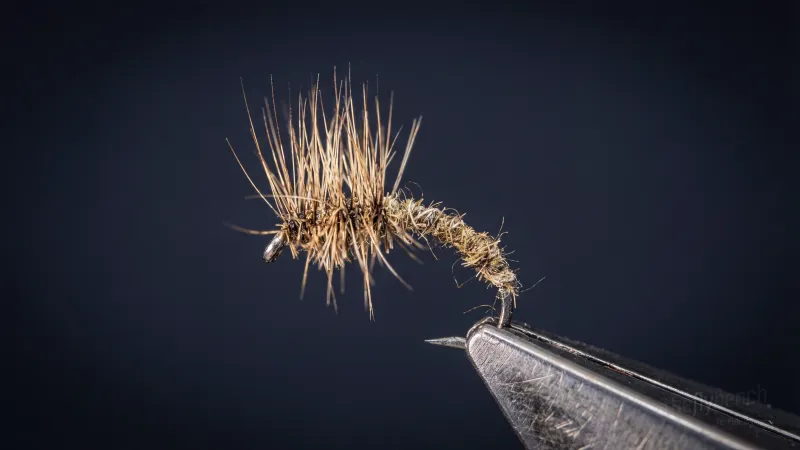
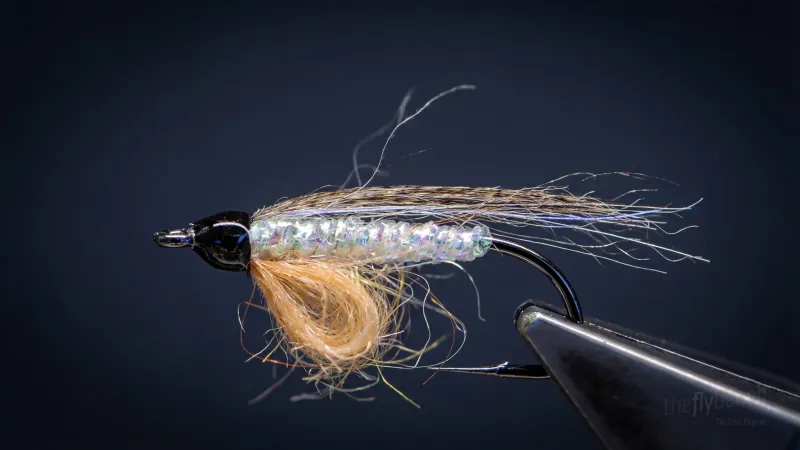
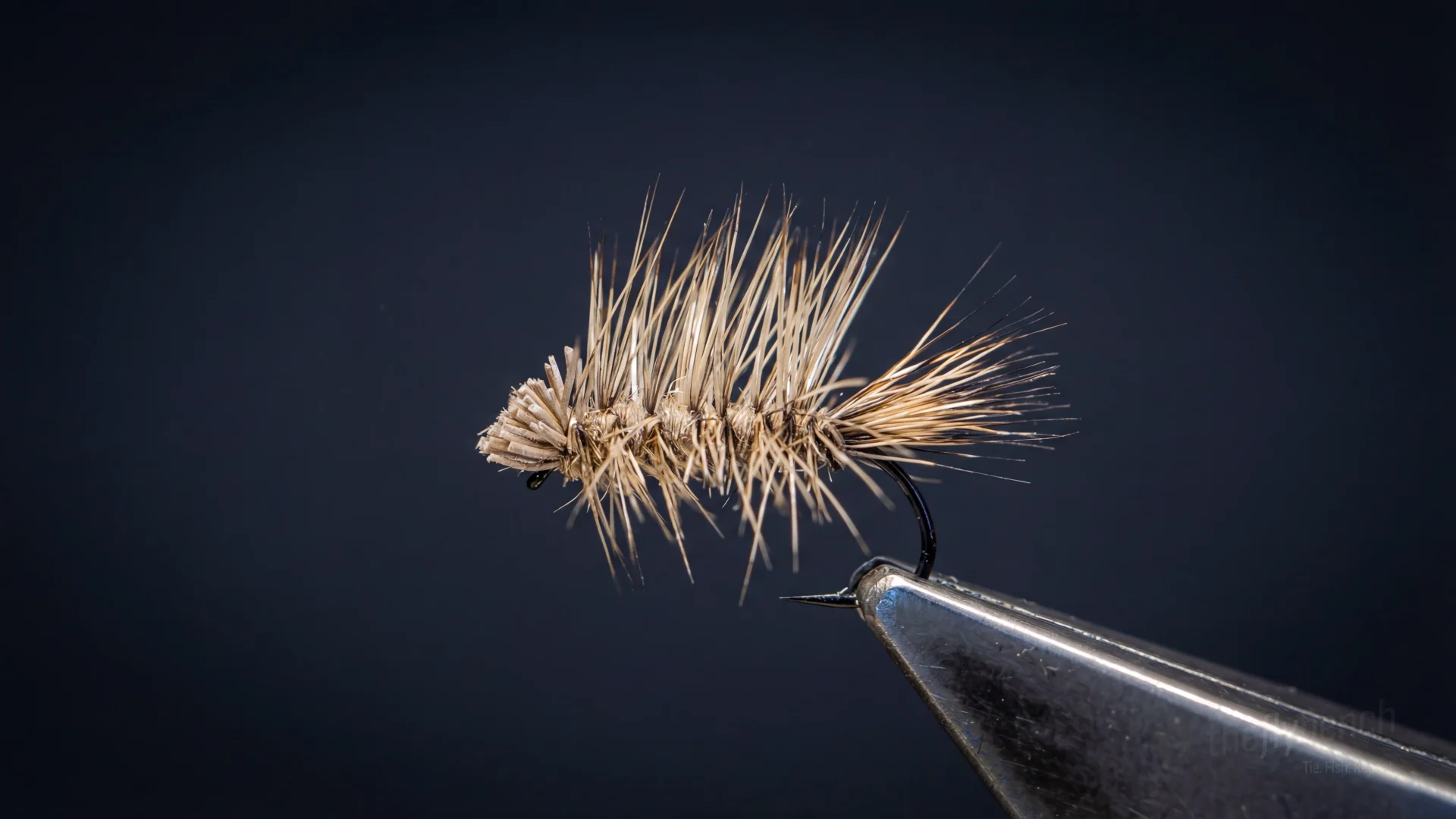
Tracy Mobley's Dyret, Norwegian for 'the beast,' features an aggressive profile with robust materials that create a substantial presence on the water. The pattern employs a thick deer hair wing for buoyancy and a heavily palmered hackle that provides exceptional flotation in choppy conditions. The visible silhouette works well in low-light or broken water where fish rely on profile recognition. Designed to withstand aggressive strikes and repeated use.
Where to Buy This Fly
We only link to fly shops we trust. Some links are referral links, which may earn us a commission at no extra cost to you.
Materials
- Hook:
- Dry fly, 14-22
- Thread:
- Black 6/0
- Tail:
- Two strands of pearl flashabou.
- Body:
- Peacock herl.
- Hackle:
- Short fibred black cock hackle.
Behavior & Presentation
Natural Behavior: Mayflies and caddis drift on the surface after emergence, wings held in species-specific positions while bodies harden. Natural movement from materials suggests lifelike prey.
Where Trout Eat It: Fish cruise feeding lanes in the upper water column, targeting adults in slicks and seams.
How to Fish It: Present with drag-free drifts through prime lies, allowing natural material movement.
Best Water: Tail-outs, slicks, seams, and riffle edges where surface insects concentrate and drift.
Strike Type: Confident rises with visible head-and-shoulder movements as fish take drifting adults.
Fishing Strategy
Rigging Suggestions: Use a 9-12 foot leader tapering to 5X tippet for delicate presentations. Apply floatant to the body and hackle.
Seasonal Timing: Most effective during peak feeding periods at dawn and dusk. Water temperatures between 45-65°F typically produce best results.
Pro Tips: The Dyret's versatile profile makes it an excellent confidence pattern for exploring new water or when hatch conditions are uncertain. Its buoyancy and visibility allow effective use as an indicator fly in dry-dropper rigs with beadhead nymphs in sizes 16-20.
Entomology
In cold water conditions, adult caddisflies move sluggishly across the surface with labored wing beats, taking much longer to become airborne after egg-laying. Fish feed deliberately on these cold-stunned insects that drift extended distances, providing easy targets when metabolic rates slow their escape reflexes.
- Order
- Trichoptera
- Common Name
- Caddisfly
- Organism Type
- insect
- Life Stage
- adult