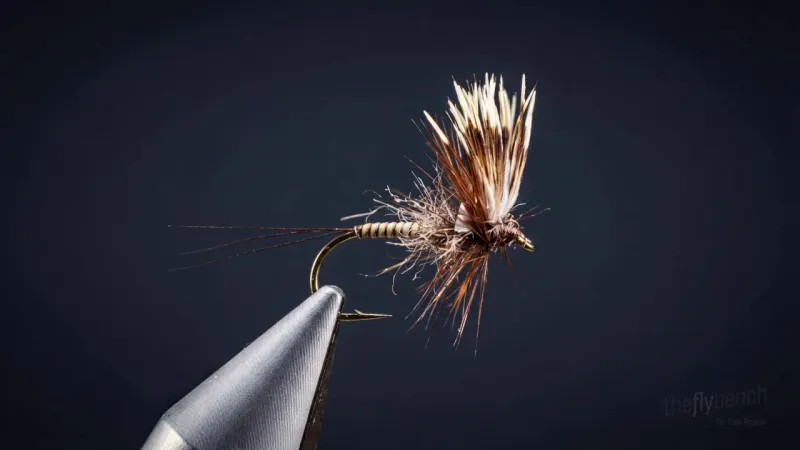
Dry FliesSteelhead Pat
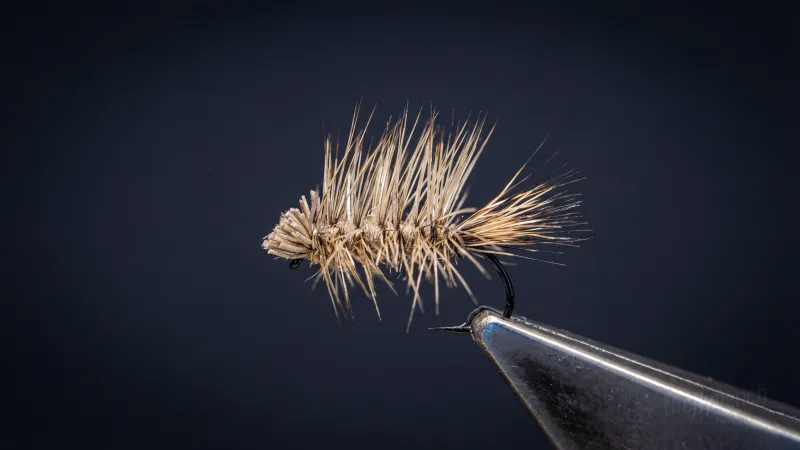
The Steelhead Pat is a dry fly pattern designed by Niclas Runarsson. This effective pattern combines traditional materials with proven techniques for consistent results in a variety of water conditions.
Spring, Summer, Fall
Intermediate
Trout
Feb 2026
Overview
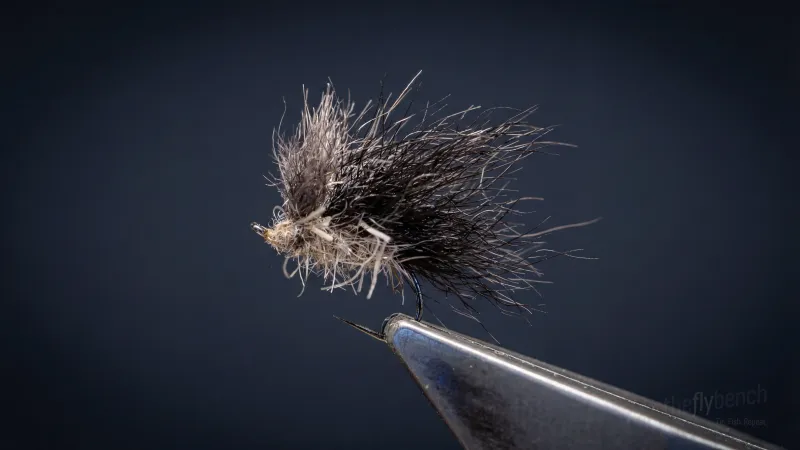
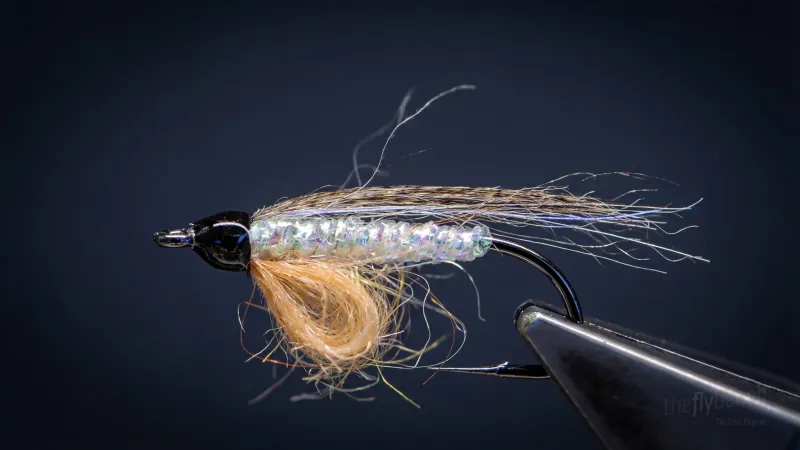
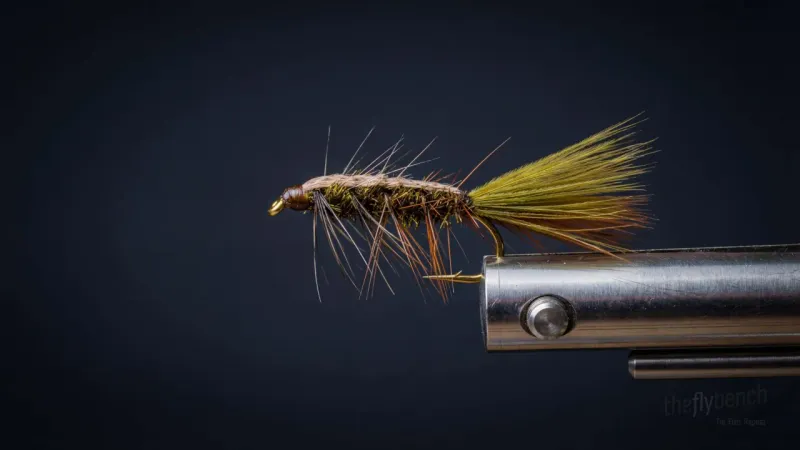
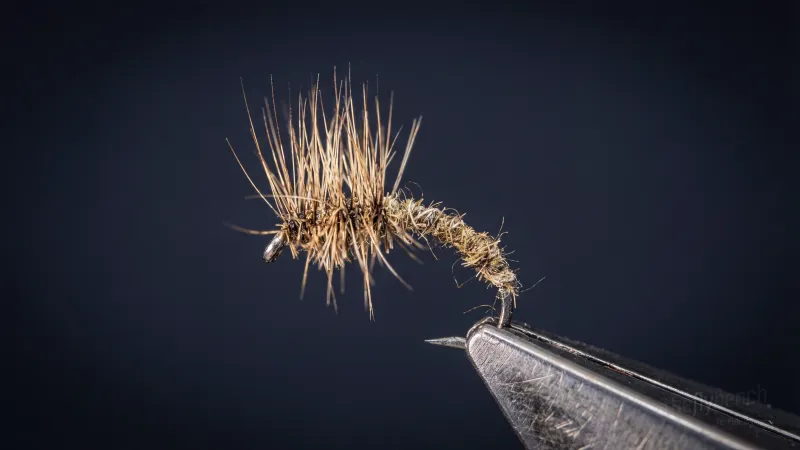
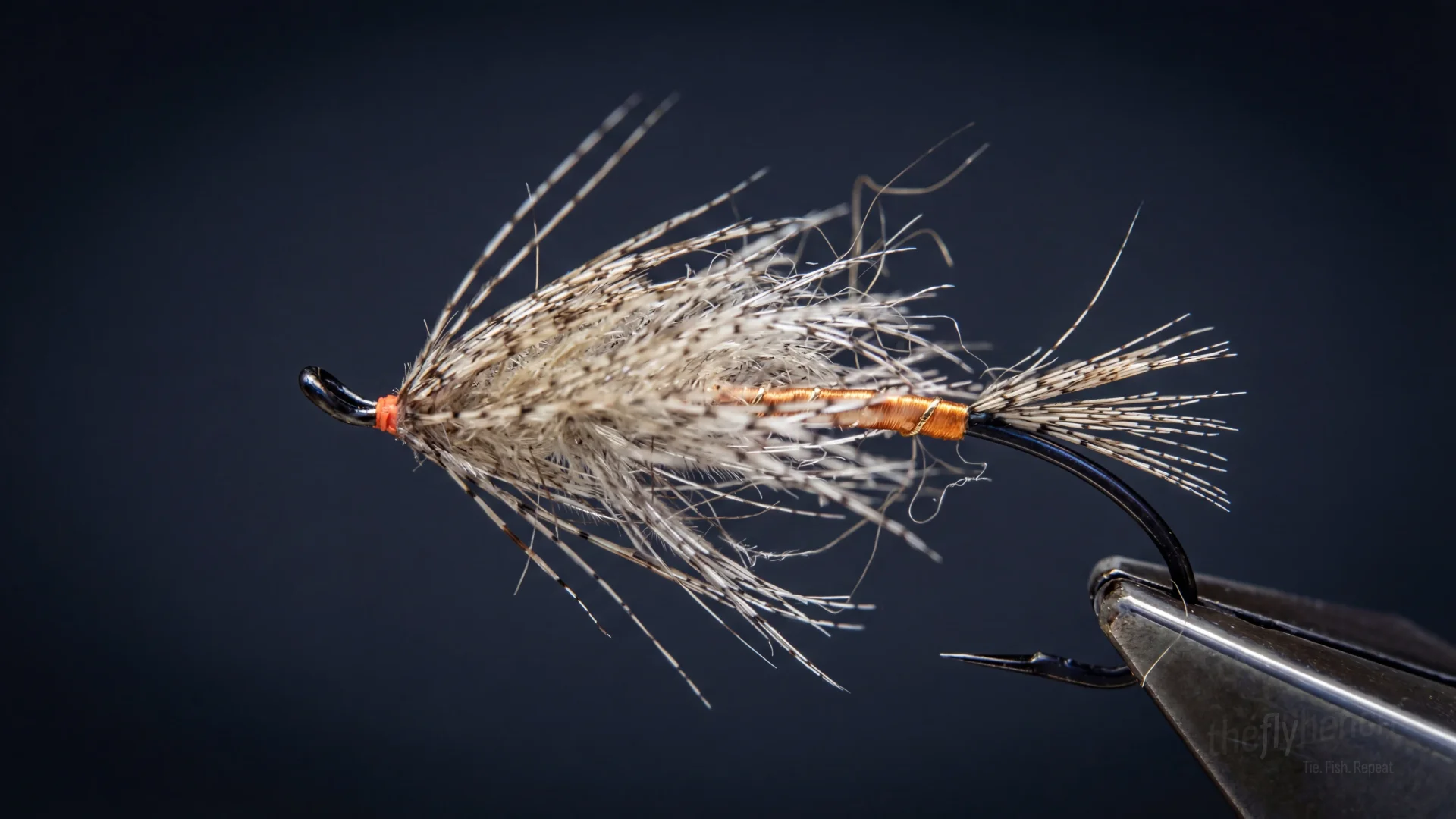
Designed by Swedish tyer Niclas Runarsson, this pattern features a low-profile silhouette and sparse hackle that creates a natural footprint on the water. The combination of CDC and traditional hackle provides excellent floatability while maintaining a realistic profile. Works well in both calm and moving water conditions where fish are focused on adult caddis and mayflies.
Where to Buy This Fly
We only link to fly shops we trust. Some links are referral links, which may earn us a commission at no extra cost to you.
Materials
- Hook:
- Partridge Salar CS14/1G
- Thread:
- Fire Orange
- Tail:
- Brown Hungarian Partridge Fibers
- Rib:
- Gold Oval Tinsel over rear ½ of body
- Body:
- Rear ½ Fire Orange Floss; front ½ Rusty Australian Possum
- Hackle:
- Two sections of undersized Grey Hungarian Partridge followed by a collar of Brown Hungarian Partridge. If large enough, a third section of undersized Brown Partridge may be added.
Behavior & Presentation
Natural Behavior: Cold water temperatures slow adult insect metabolism, causing extended surface floats before flight becomes possible. Anglers exploit this temperature effect because the helpless extended drifts allow fish to feed methodically on vulnerable adults that can't quickly escape.
Where Trout Eat It: Fish intercept sluggish caddis from the surface in fast pocket water, riffles, broken surface zones, tail-outs, and current seams.
How to Fish It: Cast across and slightly downstream for drag-free drift. The high-floating design maintains visibility in pocket water and fast runs where tracking is crucial.
Best Water: Focus on fast pocket water, riffles, broken surface conditions, tail-outs, current seams, and structure breaks where visibility is key to success.
Strike Type: Watch for visible rises, splashy eats, or aggressive takes as fish respond to high-riding adults in turbulent water.
Fishing Strategy
Rigging Suggestions: Use a 9-10 foot leader with 4X or 5X tippet for trout, heavier 3X for steelhead. Apply generous floatant to maintain high visibility in turbulent water.
Seasonal Timing: Prime time runs from April through October, with exceptional results during steelhead runs and trout hatches. September and October are particularly productive.
Pro Tips: The substantial profile and buoyancy make this an excellent indicator fly for dropper rigs in faster water.
Entomology
In cold water conditions, adult caddis become sluggish and float longer distances before achieving flight, making them especially vulnerable. Fish capitalize on these temperature-slowed insects, feeding methodically on the extended drifts of helpless adults.
- Order
- Trichoptera
- Common Name
- Caddisfly
- Organism Type
- insect
- Life Stage
- adult