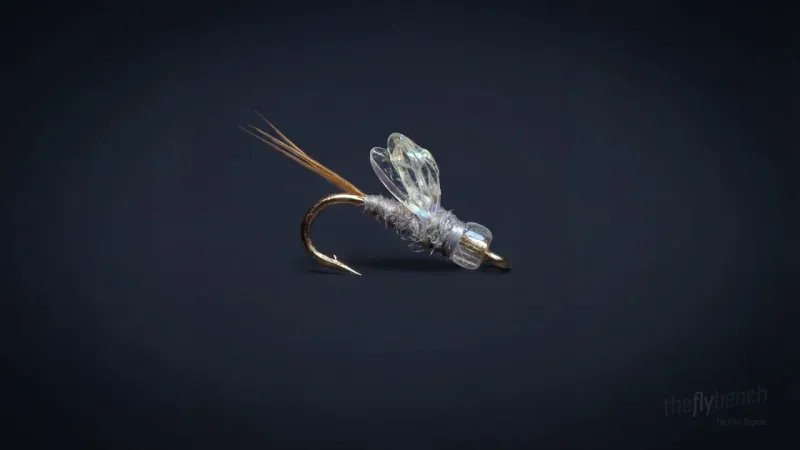
Midge / EmergersDrake Mackerel Emerger
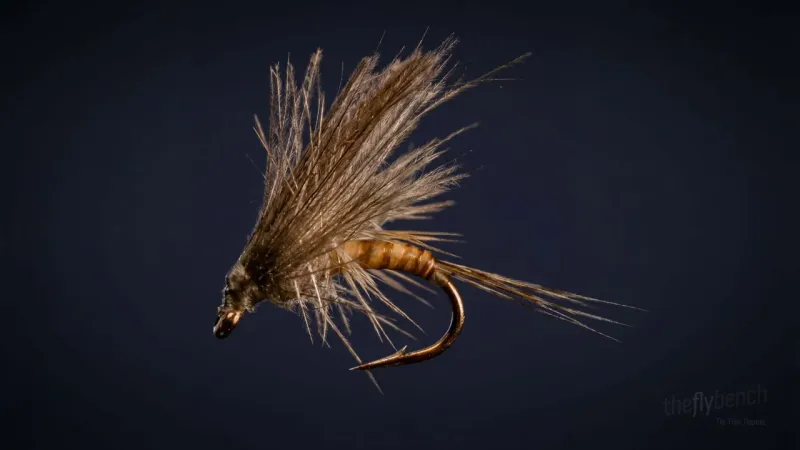
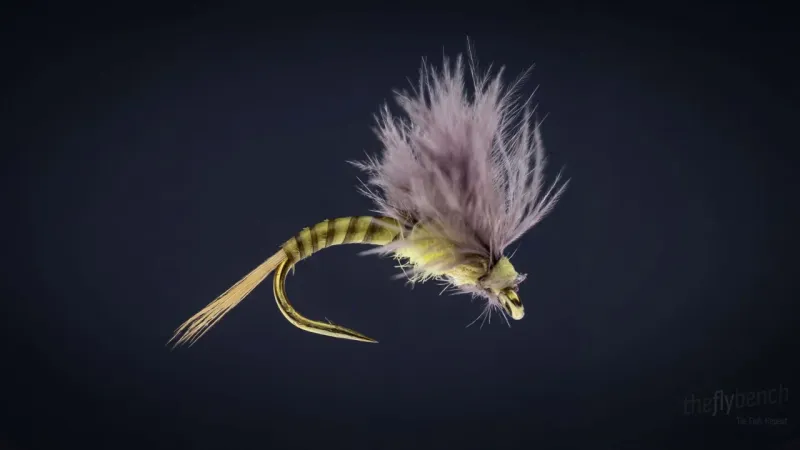
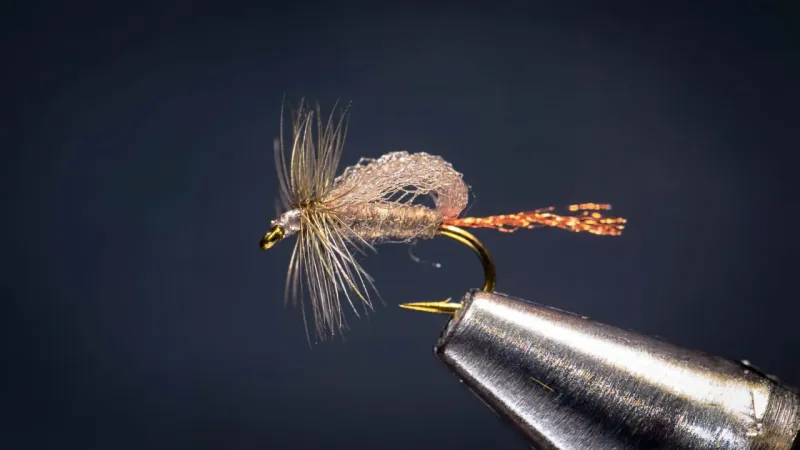
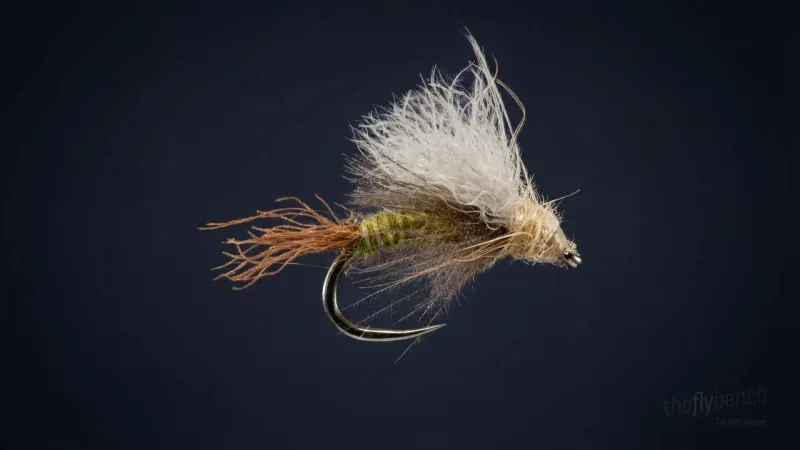
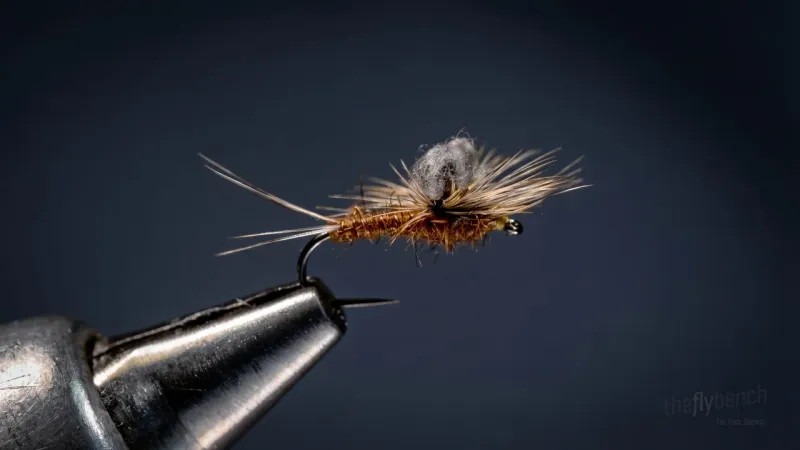
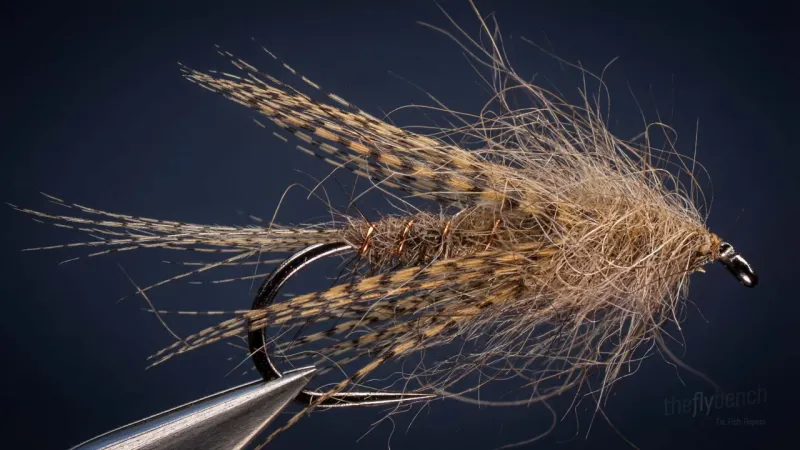
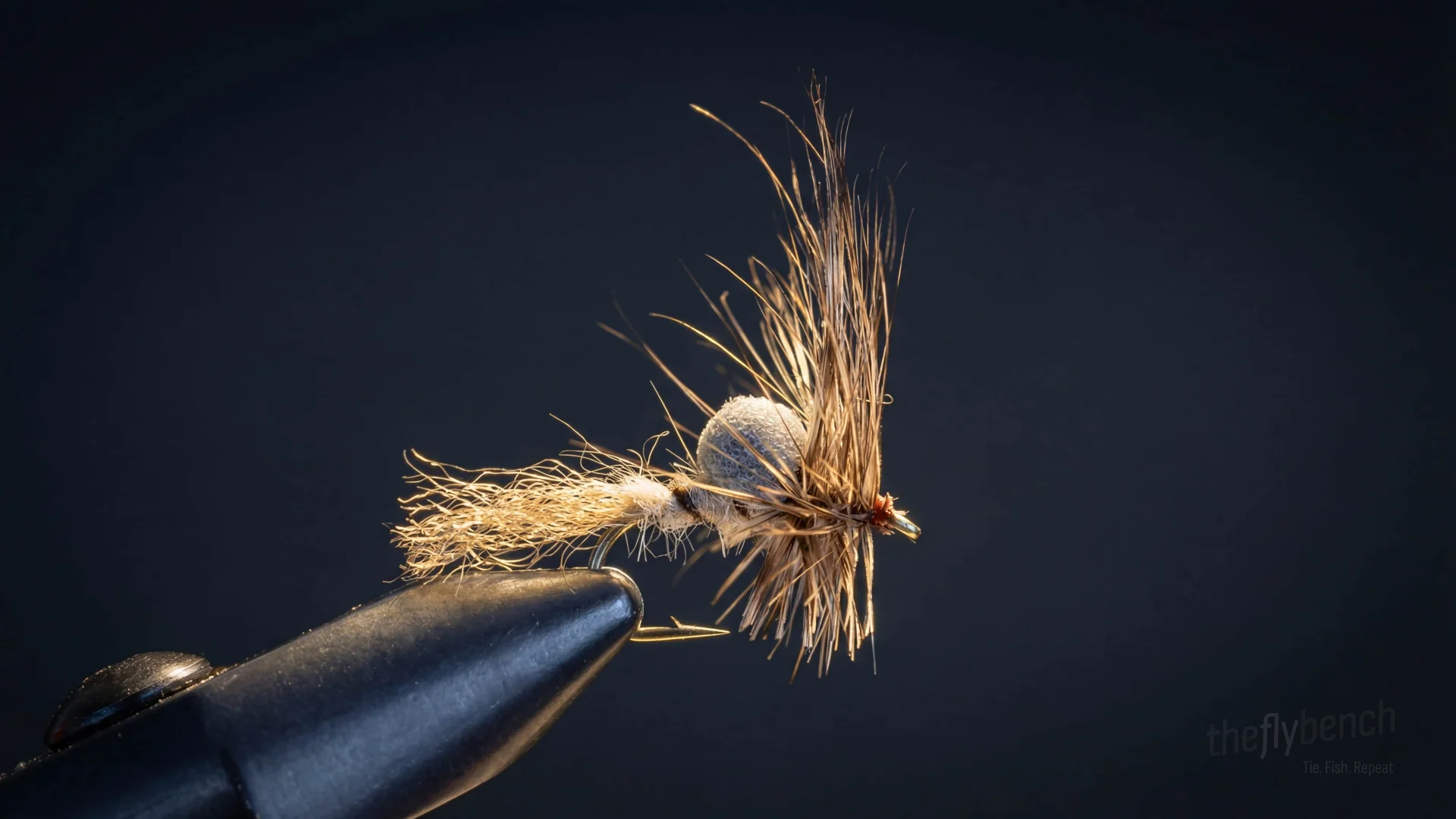
The Drake Mackerel Emerger is a foam-wing emerger designed to imitate Brown Drakes and other large mayflies during emergence. The grey foam wing pad keeps the fly suspended in the surface film while providing reliable floatation. The March Brown beaver dubbing body and grizzly dyed brown hackle create a realistic drake emerger profile.
Summer
Intermediate
Trout
Dec 2025
Overview
The Drake Mackerel Emerger was developed at Blue Ribbon Flies as a companion pattern to the Drake Mackerel Cripple. The foam wing pad provides unsinkable buoyancy for extended fishing during heavy hatches. The beaver dubbing creates a more natural, buggy appearance than synthetic dubbing while the brown ribbing adds segmentation.
Materials
Hook: Tiemco 100 or Umpqua U002, #12
Thread: Uni-Thread, 8/0, tan
Shuck: Crinkled Zelon or Straight Zelon, mayfly brown
Body: Beaver Dubbing, March brown
Rib: Pearsall's Silk Floss or Uni-Stretch, brown
Wing Pad: Evazote Foam, grey
Hackle: Grizzly dyed brown dry fly hackle
Behavior & Presentation
Natural Behavior: Large mayflies hang vertically in the surface film while extracting adult bodies from nymphal shucks. Their thorax and wings breach upward while abdomen dangles below, creating split-level silhouettes. This emergence posture requires critical seconds of total vulnerability.
Where Trout Eat It: Fish target emergers suspended in the surface film during evening drake emergences. Focus on foam lines, eddies, and slower pools where emergers concentrate.
How to Fish It: Dead drift with occasional subtle twitches mimicking emergence struggles. The foam keeps the fly positioned correctly without constant maintenance during heavy hatches.
Best Water: Target tail-outs, pools, foam lines, and slicks in slower river sections where large mayflies emerge.
Strike Type: Subtle film sips with barely visible indicator movement as fish inhale carefully.
Fishing Strategy
Rigging Suggestions: Fish on 9-12 foot leader with 4X-5X tippet. The foam provides enough buoyancy to support a small dropper nymph during the hatch.
Seasonal Timing: Most effective from late May through July during Brown Drake, Gray Drake, and Hexagenia hatches. Best during evening hours when drake emergence activity peaks.
Pro Tips: Rides in the film with the shuck trailing below. Floats all day without waterlogging.
Entomology
Transitioning mayflies hang vertically in the surface meniscus while extracting their adult body from the nymphal exoskeleton, a process requiring several critical seconds. The insect's abdomen and legs dangle beneath the surface while the thorax and wing pads breach upward, creating a distinctive split-level silhouette. This emergence posture combines maximum visibility with total helplessness, triggering focused subsurface sipping rises during major hatch events.
- Order
- Ephemeroptera
- Common Name
- Mayfly
- Organism Type
- insect
- Life Stage
- general