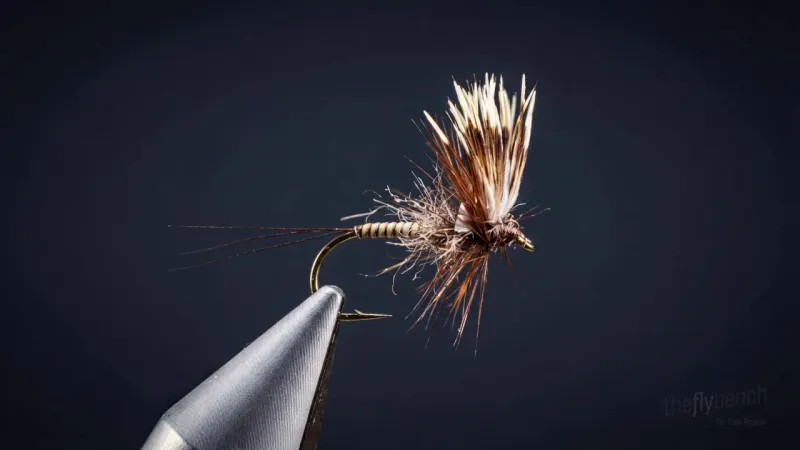
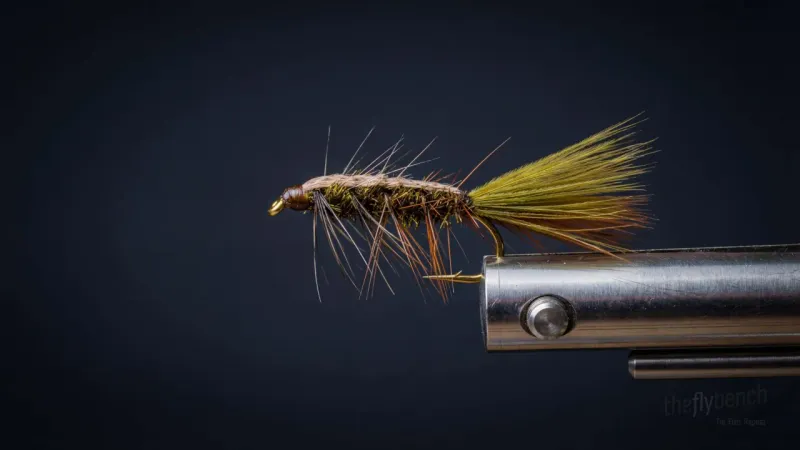
Dry FliesCrippled CDC&Elk
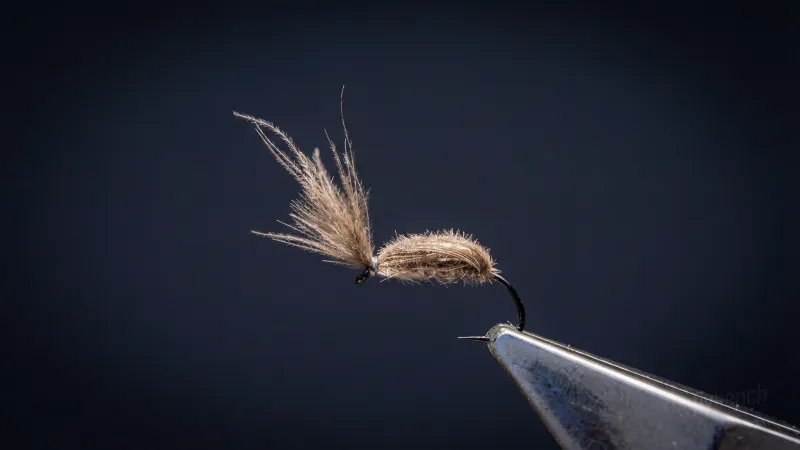
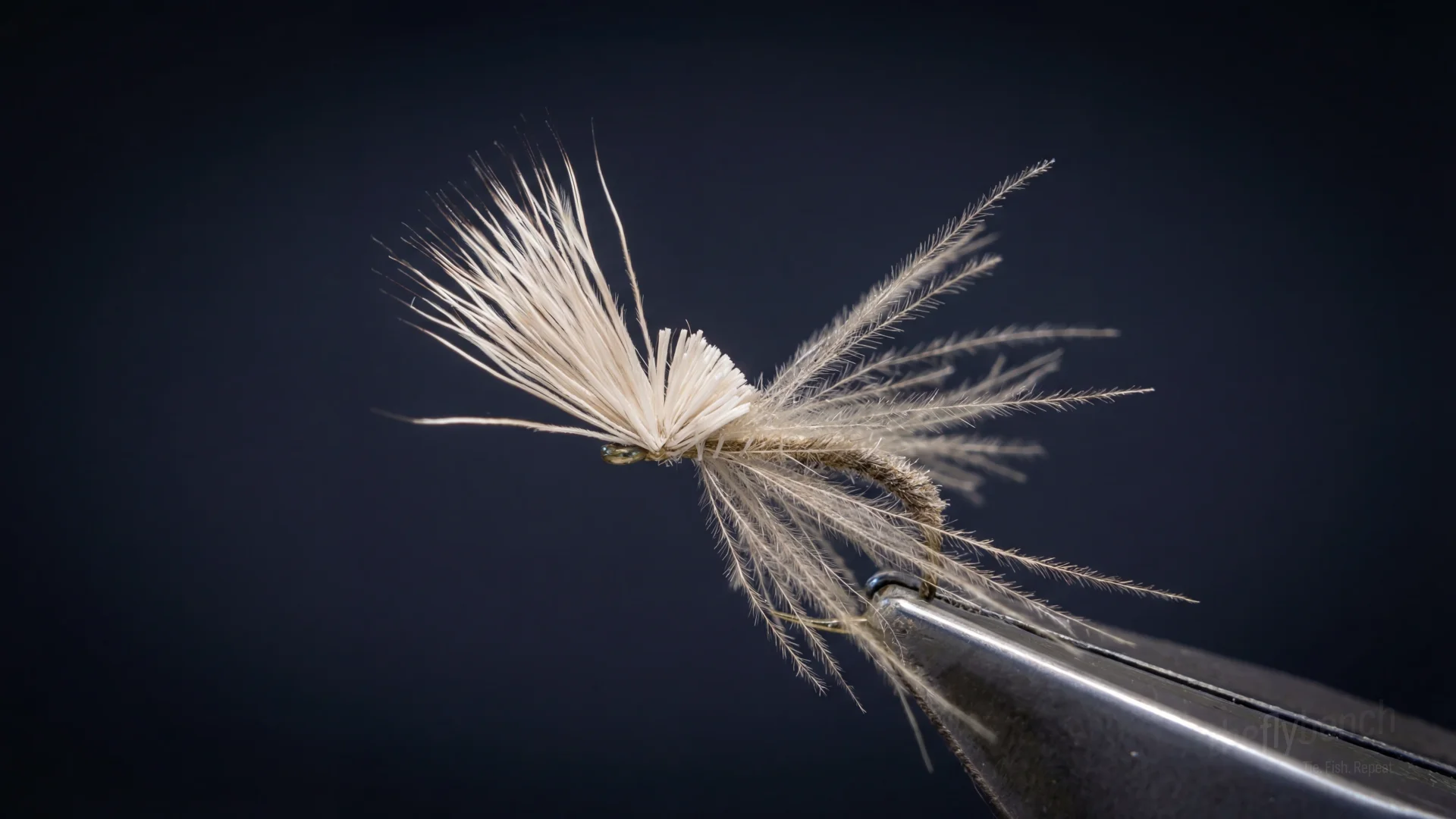
The Crippled CDC&Elk is a dry fly pattern designed by Arthur Greenwood. This effective pattern combines traditional materials with proven techniques for consistent results in a variety of water conditions.
Spring, Summer, Fall
Beginner
Trout
Feb 2026
Overview
Arthur Greenwood's Crippled CDC&Elk modifies the classic pattern to imitate insects struggling on the surface with malformed or damaged wings. The off-center wing position and asymmetric profile trigger strikes from selective trout that key on vulnerable prey. This pattern excels during heavy hatches when fish become choosy, as the crippled silhouette stands out from the abundance of healthy naturals drifting past.
Where to Buy This Fly
We only link to fly shops we trust. Some links are referral links, which may earn us a commission at no extra cost to you.
Materials
- Hook:
- Tiemco 2487 #12-16 (or equivalent scud hook)
- Thread:
- Benecchi 12/0, tan
- Body/hackle:
- CDC feather (Type 1) - sparse (Description of the different Types of CDC feathers)
- Wing/head:
- Fine tipped deer hair - Tips facing over eye
Behavior & Presentation
Natural Behavior: Crippled adults hang partially trapped in the film with malformed wings, unable to complete emergence or escape. These vulnerable insects drift longer than healthy specimens, triggering selective feeding.
Where Trout Eat It: Fish focus on cripples in the surface film within feeding lanes, foam lines, and slicks.
How to Fish It: Dead drift through prime zones with the fly riding low in the film, imitating trapped insects.
Best Water: Slicks, tail-outs, foam lines, and seams where cripples concentrate during heavy emergence periods.
Strike Type: Confident sips as selective feeders key on the easy-target profile of struggling cripples.
Fishing Strategy
Rigging Suggestions: Use a 9-12 foot leader tapering to 5X tippet for delicate presentations. Apply floatant to the body and hackle.
Seasonal Timing: Most effective during peak feeding periods at dawn and dusk. Water temperatures between 45-65°F typically produce best results.
Pro Tips: Treat only the elk hair wing with floatant, allowing the CDC to sit in the film naturally. This creates a realistic silhouette that selective trout find difficult to refuse.
Entomology
Caddisflies that fail to properly emerge from their pupal shucks float trapped at the surface with crumpled wings, unable to fly away while struggling weakly. Fish actively seek these crippled insects during hatches as they present zero escape risk and extended feeding opportunities compared to healthy adults.
- Order
- Trichoptera
- Common Name
- Caddisfly
- Organism Type
- insect
- Life Stage
- adult