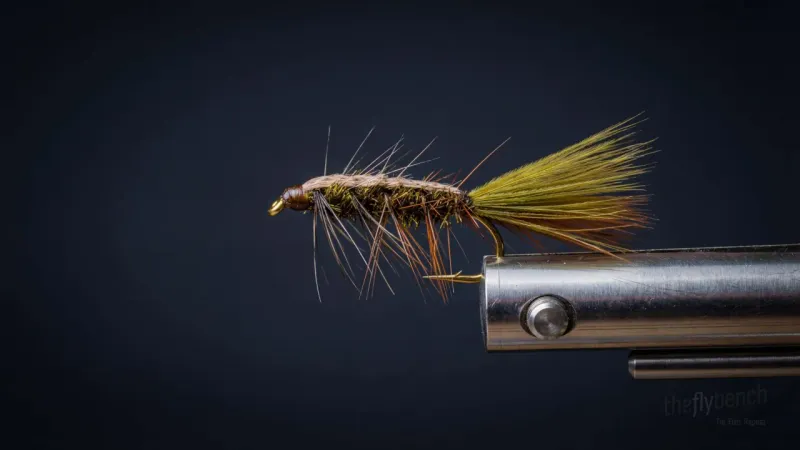
Dry FliesC-13 (Cicada-13)
The C-13 (Cicada-13) is a dry fly pattern designed by Allan Woolley. This effective pattern combines traditional materials with proven techniques for consistent results in a variety of water conditions.
Spring, Summer, Fall
Beginner
Trout
Feb 2026
Overview
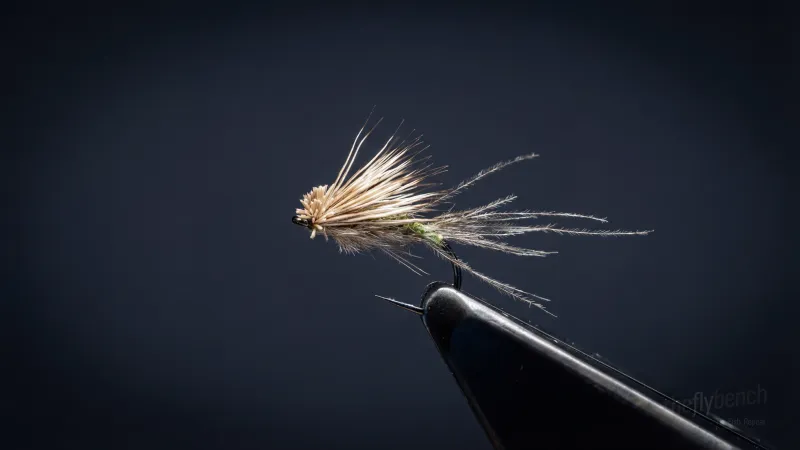
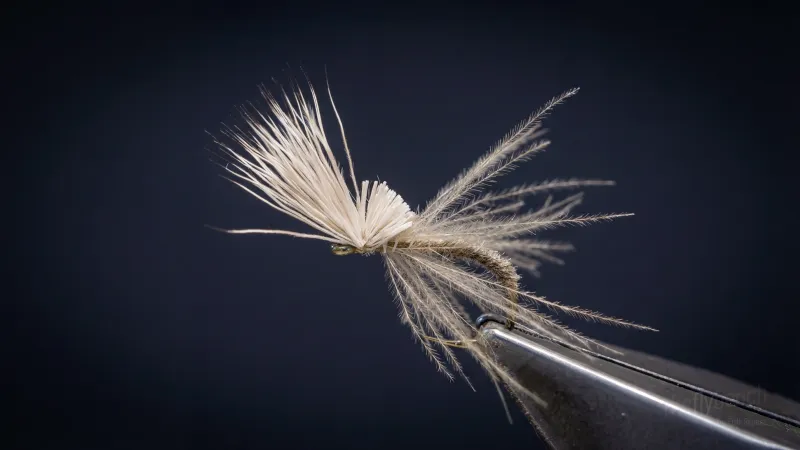
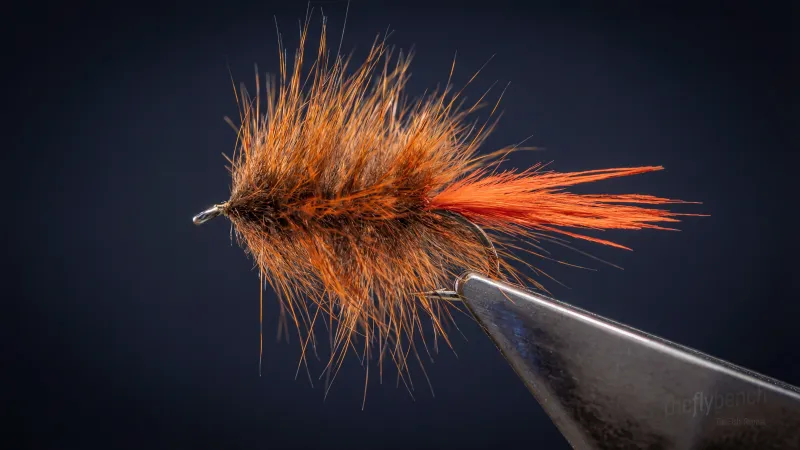
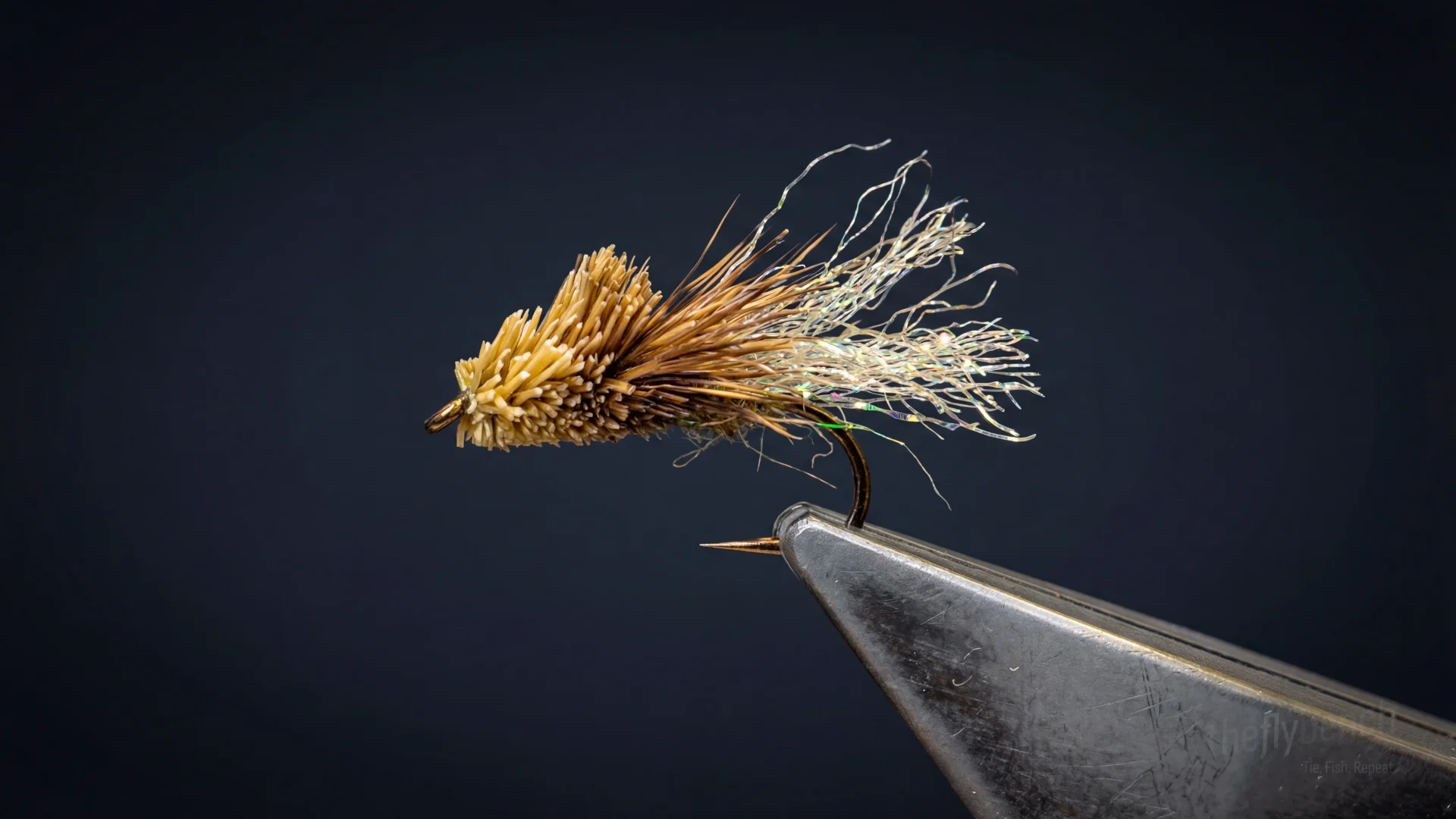
Allan Woolley's C-13 (Cicada-13) is designed to imitate the periodic cicada emergences that create explosive surface feeding. The pattern features a foam or dubbed body with splayed wings to capture the terrestrial's distinctive silhouette. Its buoyant construction allows it to float high and creates surface disturbance on impact, triggering aggressive strikes during cicada falls.
Where to Buy This Fly
We only link to fly shops we trust. Some links are referral links, which may earn us a commission at no extra cost to you.
Materials
- Hook:
- Hayabusa model 55233 hopper hook dry 2x long size 8 -10
- Thread:
- Danville's 6/0
- Body:
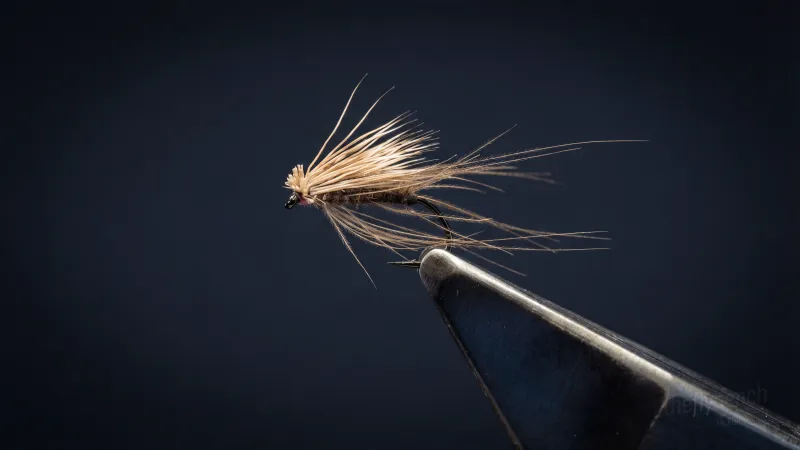
- 3 parts - brown deer spun and trimmed, brown hackle, brown dubbing
- Wing:
- brown deer, stacked and left untrimmed
Behavior & Presentation
Natural Behavior: Adult caddis crash-land after mating flights, beating wings frantically while trapped in the surface film. These struggling insects provide high-calorie targets that trout recognize as easy meals during peak emergence periods.
Where Trout Eat It: Surface film along banks and overhanging vegetation where terrestrials naturally fall.
How to Fish It: Plop casts near banks create commotion that attracts fish, then allow drag-free drift with subtle twitches imitating struggling insects.
Best Water: Target banks with overhanging vegetation, foam lines, and structure where large terrestrials accumulate after wind deposits them.
Strike Type: Aggressive takes as opportunistic feeders respond to the large profile.
Fishing Strategy
Rigging Suggestions: Use a 9-12 foot leader tapering to 5X tippet for delicate presentations. Apply floatant to the body and hackle.
Seasonal Timing: Most effective during peak feeding periods at dawn and dusk. Water temperatures between 45-65°F typically produce best results.
Pro Tips: During actual cicada emergences, fish will key on these large protein sources. Even outside emergence years, the large profile triggers strikes from opportunistic and aggressive trout.
Entomology
When adult caddisflies crash-land on the water after mating flights, they struggle to become airborne again, beating their wings frantically while trapped in the surface film. Trout recognize this energetic but predictable struggle as an easy high-calorie meal during peak emergence periods.
- Order
- Trichoptera
- Common Name
- Caddisfly
- Organism Type
- insect
- Life Stage
- adult