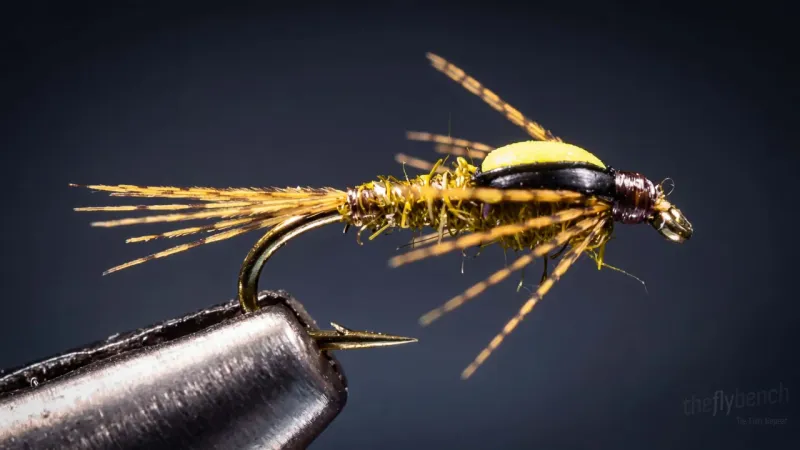
Dry FliesIOBO Humpy
The IOBO Humpy is a dry fly pattern designed by David Cameron. This effective pattern combines traditional materials with proven techniques for consistent results in a variety of water conditions.
Spring, Summer, Fall
Beginner
Trout
Feb 2026
Overview
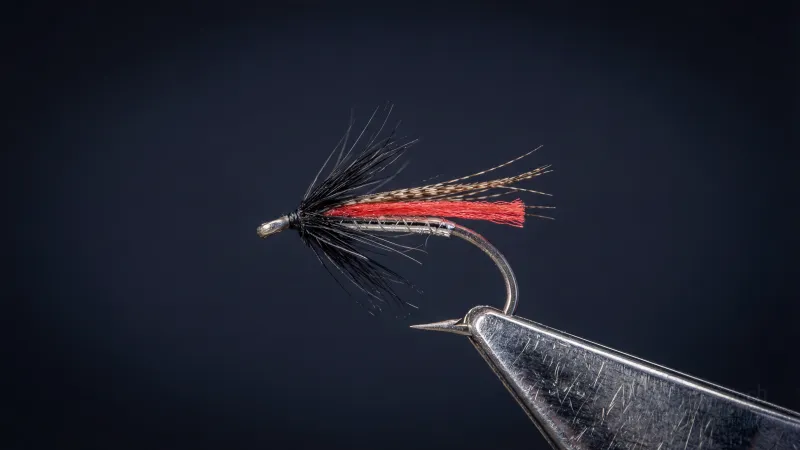
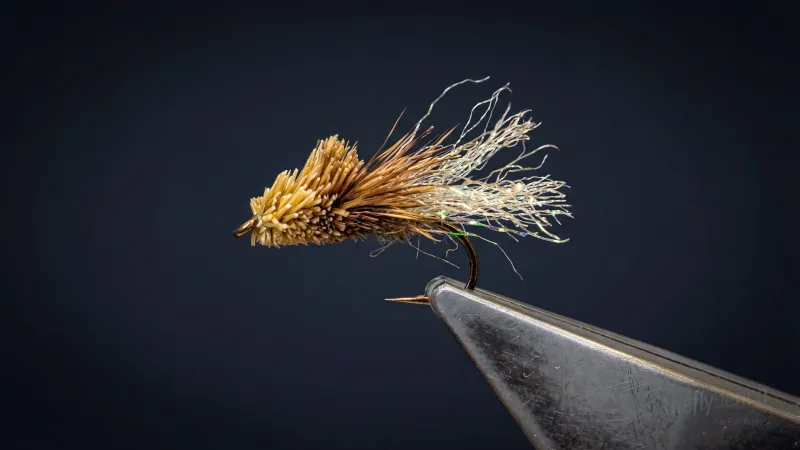
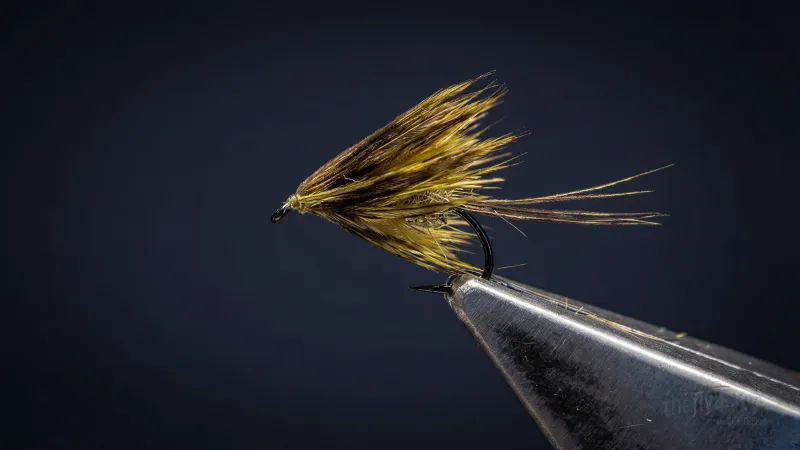
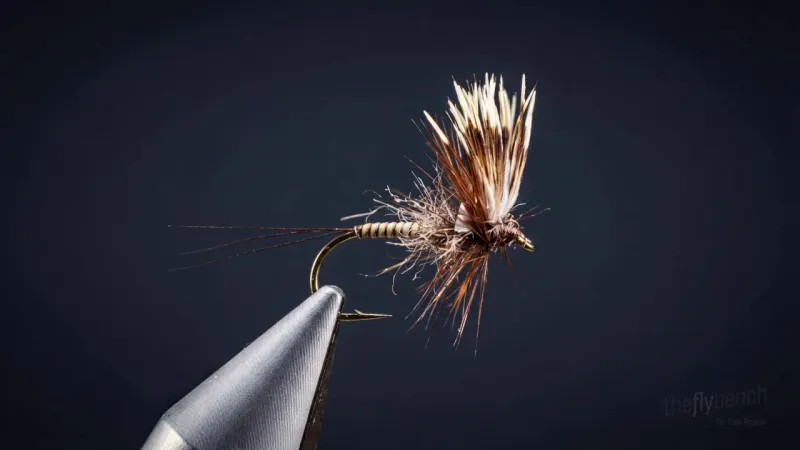
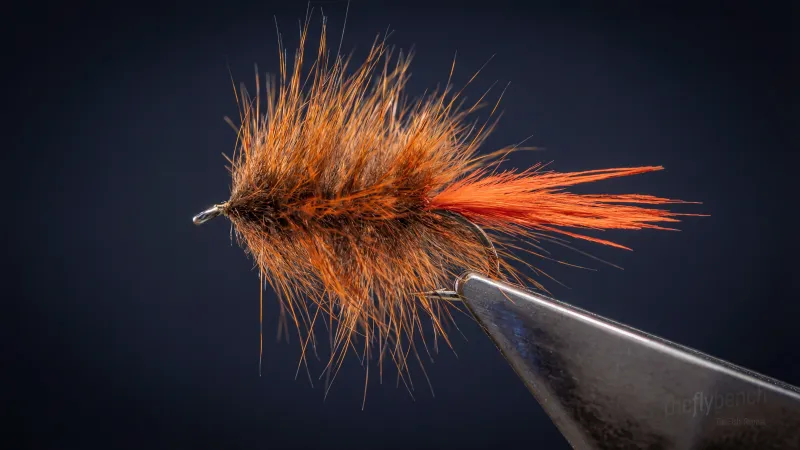
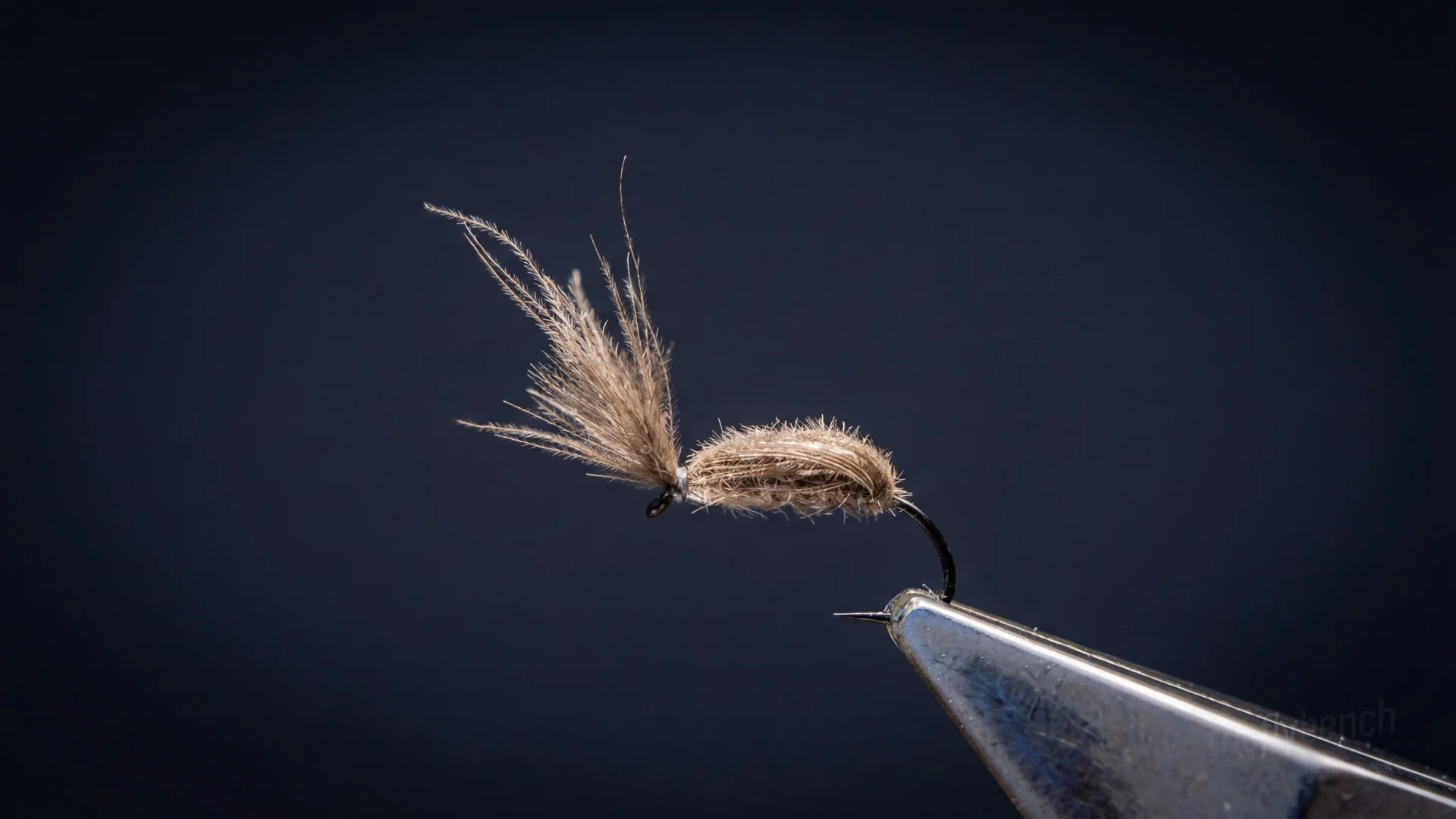
Created by David Cameron, this Humpy variant features distinctive color blocking and a high-floating profile. The IOBO (likely Inside Out Body Option) construction creates exceptional buoyancy and visibility in broken water. Traditional deer hair body and hackle combination ensures the pattern stays afloat through multiple presentations, making it reliable for both prospecting and matching mixed hatches in fast currents.
Where to Buy This Fly
We only link to fly shops we trust. Some links are referral links, which may earn us a commission at no extra cost to you.
Materials
- Hook:
- Tiemco 102Y #13 - #21 (or equivalent dry fly hook)
- Thread:
- Grey 12/0
- Body/shellback/wing:
- CDC feather (Type 4)(Description of the different Types of CDC feathers)
Behavior & Presentation
Natural Behavior: Caddisflies during mating swarms repeatedly bounce across turbulent water, touching down to lay eggs while strong currents knock them off balance. These struggling insects stand out against whitewater with their exaggerated movements and high-visibility profiles, making them easy targets for trout in fast pocket water where other food items are harder to track.
Where Trout Eat It: Trout strike high-floating CDC patterns in fast pocket water and turbulent runs where the fly sits high on the water despite challenging currents. Fish target the exaggerated silhouette during aggressive feeding when multiple food sources overlap in Northeast and UK waters.
How to Fish It: Dead drift through fast water and pocket water where the CDC construction floats like a cork. Use as strike indicator with nymph dropper 18-24 inches below. Apply gel floatant liberally though pattern slimes up quickly—bring changeouts.
Best Water: Riffle edges, pocket water, runs, and drop-offs in fast freestone rivers, targeting churning water behind boulders and turbulent currents where trout don't have time to inspect closely.
Strike Type: The high-floating CDC profile triggers explosive surface takes when fish can't inspect closely in fast water. Expect splashy grabs as trout commit quickly to the drifting silhouette before current sweeps it away.
Fishing Strategy
Rigging Suggestions: Use 7.5-9ft 3X-4X tippet for better turnover with this wind-resistant pattern. Apply gel floatant liberally to maintain high-riding profile through aggressive water. Can be used as a strike indicator with a nymph dropper 18-24 inches below.
Seasonal Timing: Prime time May through September during peak terrestrial and aquatic insect activity. July-August provides best action when grasshoppers, beetles, and caddis overlap because multiple food sources concentrate fish on the surface. Focus on midday fishing from 10 AM-4 PM during warmest hours when terrestrial activity peaks.
Pro Tips: The high visibility and buoyancy make this pattern excellent for using as a strike indicator with a nymph dropper. Fish it aggressively through fast water where trout don't have time to inspect closely.
Entomology
Caddisflies bounce across turbulent water during mating swarms, touching down repeatedly to lay eggs while fighting against strong currents that frequently knock them off balance. Trout in fast water target these struggling insects because the high-visibility profile and exaggerated movements make them stand out even in whitewater conditions where other food items are harder to track.
- Order
- Trichoptera
- Common Name
- Caddisfly
- Organism Type
- insect
- Life Stage
- adult