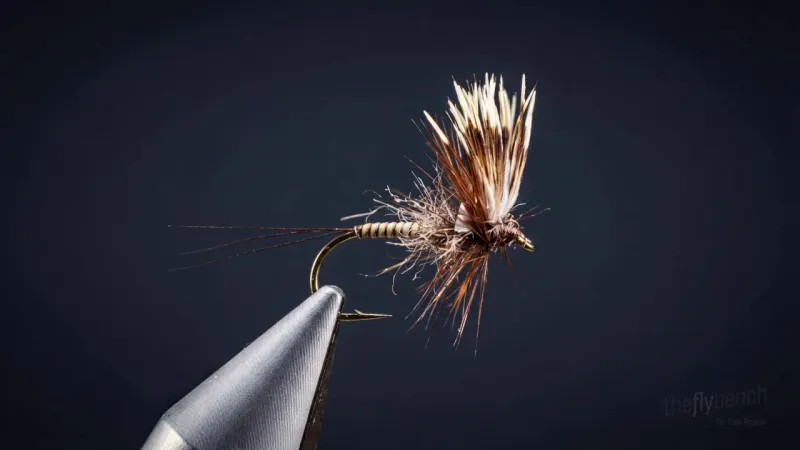
Dry FliesDark Watchet
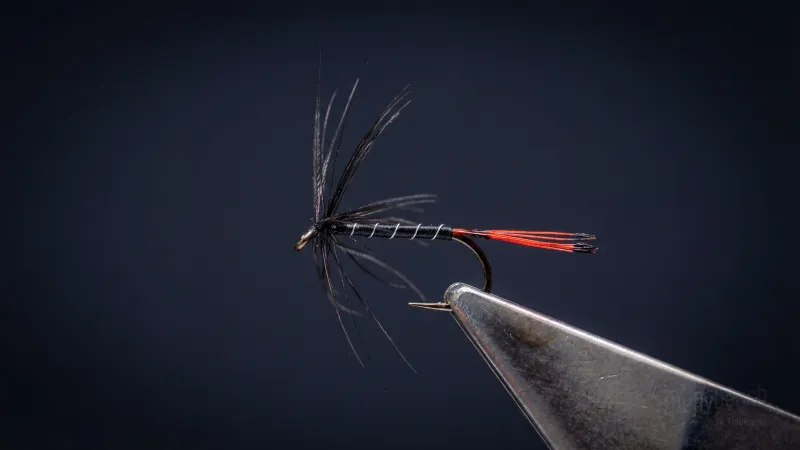
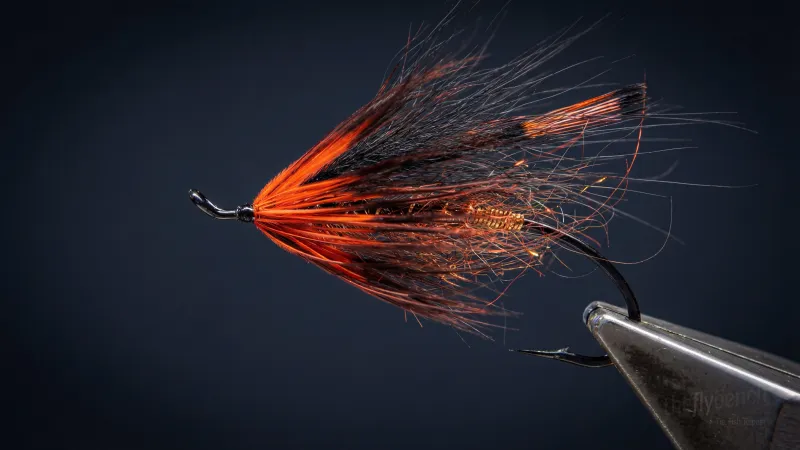
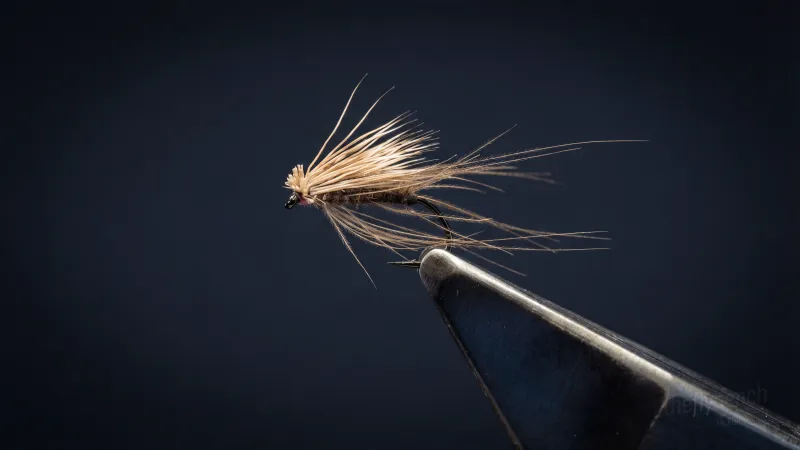
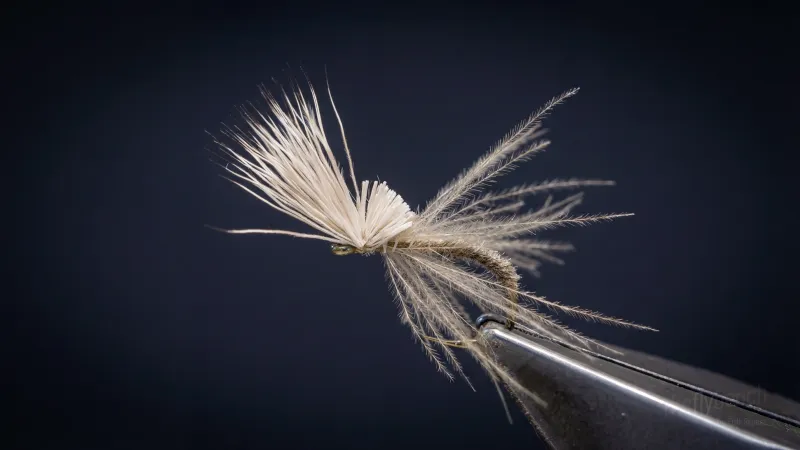
The Dark Watchet is a dry fly pattern designed by Jason Freund. This effective pattern combines traditional materials with proven techniques for consistent results in a variety of water conditions.
Spring, Summer, Fall
Beginner
Trout
Feb 2026
Overview
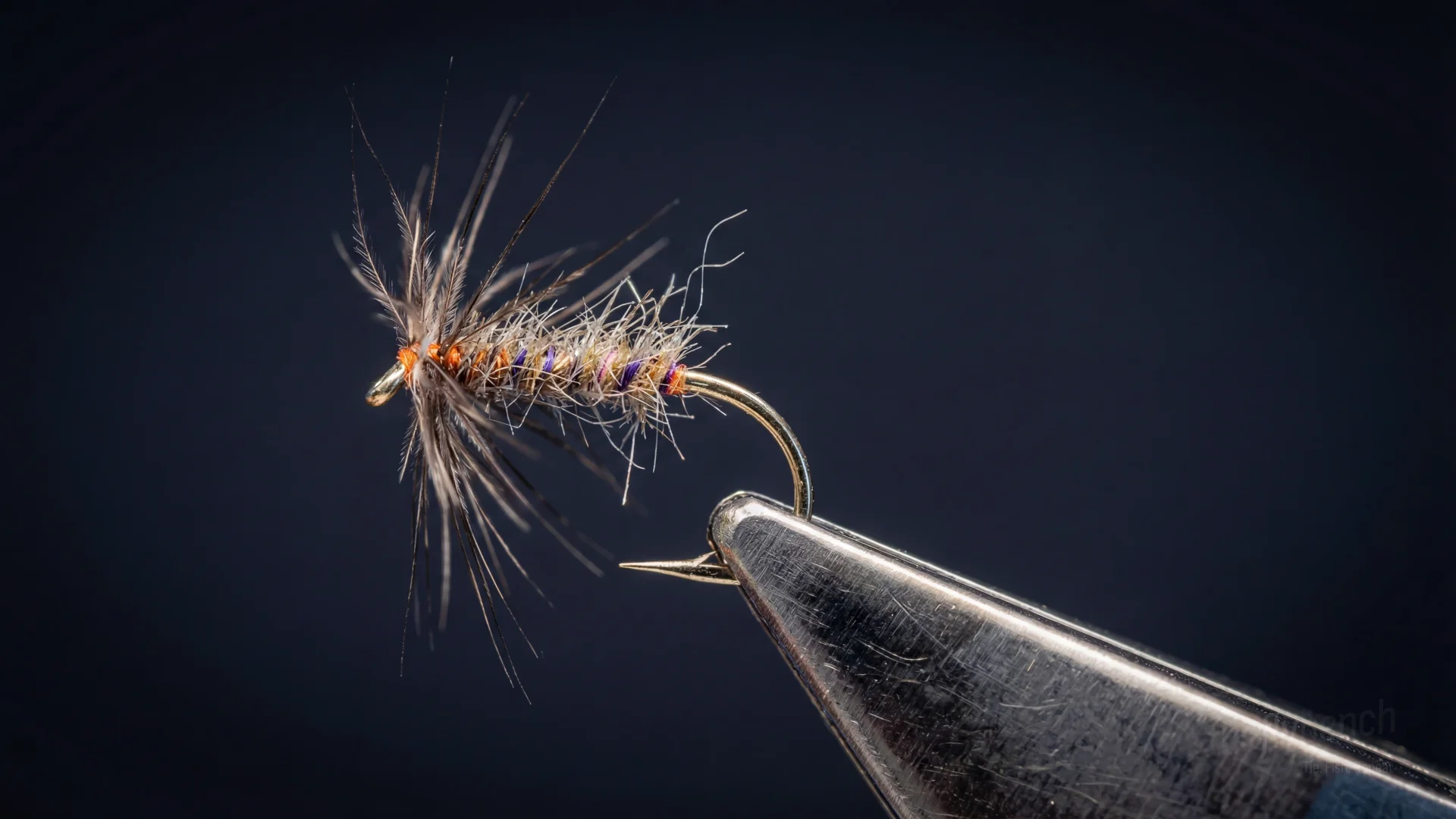
Created by Jason Freund, the Dark Watchet employs a distinctive color palette that mimics darker mayfly and caddis adults. The pattern's balanced proportions and carefully selected hackle quality ensure proper flotation while presenting a realistic silhouette. Its dark tones work particularly well during overcast conditions or in shaded water, where fish key on darker-bodied insects. The CDC integration provides both buoyancy and lifelike movement.
Where to Buy This Fly
We only link to fly shops we trust. Some links are referral links, which may earn us a commission at no extra cost to you.
Materials
- Hook:
- Daiichi 1530
- Thread:
- Pearsall's Gossamer Purple
- Body:
- Orange and purple silk, the purple silk only touch-dubbed with mole
- Hackle:
- Jackdaw neck feather
Behavior & Presentation
Natural Behavior: Dark mayflies and caddis float on the surface with wings in characteristic positions, creating low profiles that selective feeders recognize. Spinners also land flush after mating flights.
Where Trout Eat It: Selective fish cruise slicks and foam lines, sipping dark-bodied adults from the surface film.
How to Fish It: Present with delicate, drag-free drifts through technical water where selective feeding occurs.
Best Water: Slicks, tail-outs, flat water, and seams in spring creeks and tailwaters with technical feeders.
Strike Type: Subtle sips with minimal rise forms as selective fish take prey with precision.
Fishing Strategy
Rigging Suggestions: Use a 9-12 foot leader tapering to 5X tippet for delicate presentations. Apply floatant to the body and hackle.
Seasonal Timing: Most effective during peak feeding periods at dawn and dusk. Water temperatures between 45-65°F typically produce best results.
Pro Tips: Apply floatant thoroughly to maintain high-floating characteristics throughout long drifts. The pattern's visibility makes it valuable as the lead fly in tandem dry fly rigs or as an indicator in dry-dropper setups.
Entomology
Caddisflies emerging during overcast weather drift longer distances before achieving flight, their dark coloration making them highly visible against grey water as they float with wings slowly unfurling. Fish feed confidently on these extended drifts when insects remain accessible for prolonged periods.
- Order
- Trichoptera
- Common Name
- Caddisfly
- Organism Type
- insect
- Life Stage
- adult