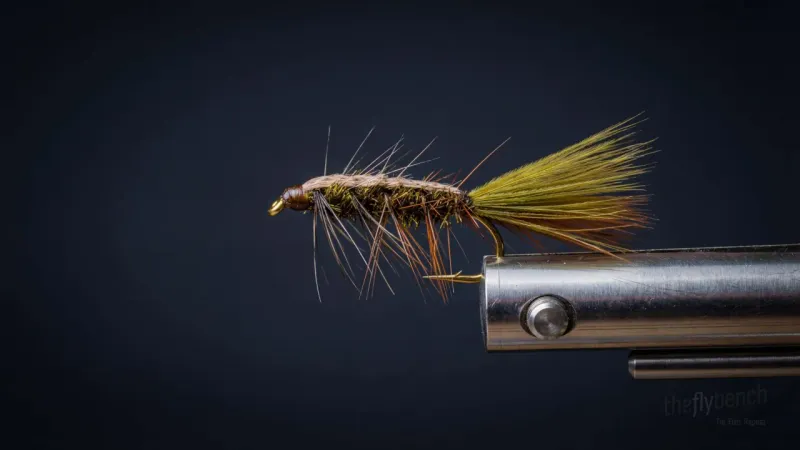
Dry FliesDelaware Adams
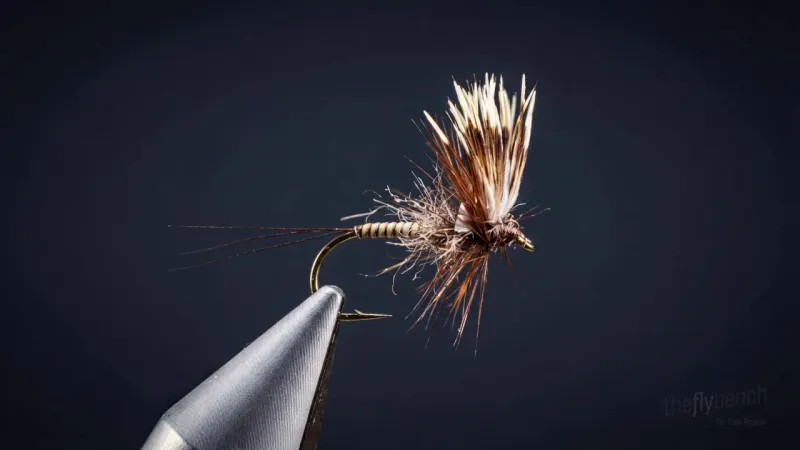
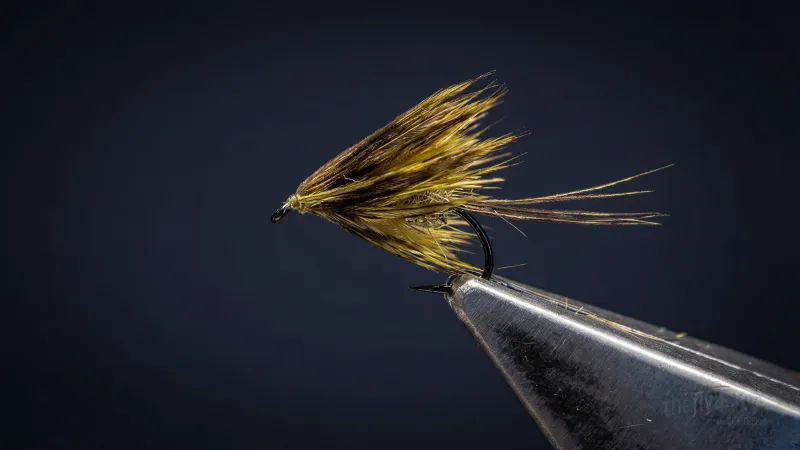
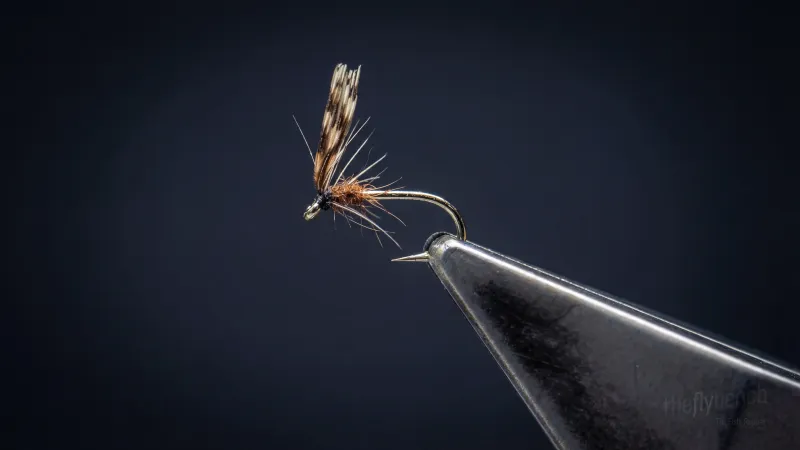
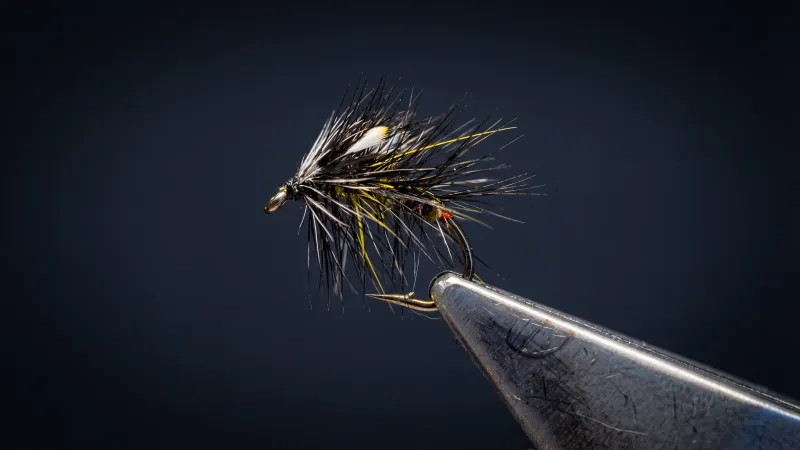
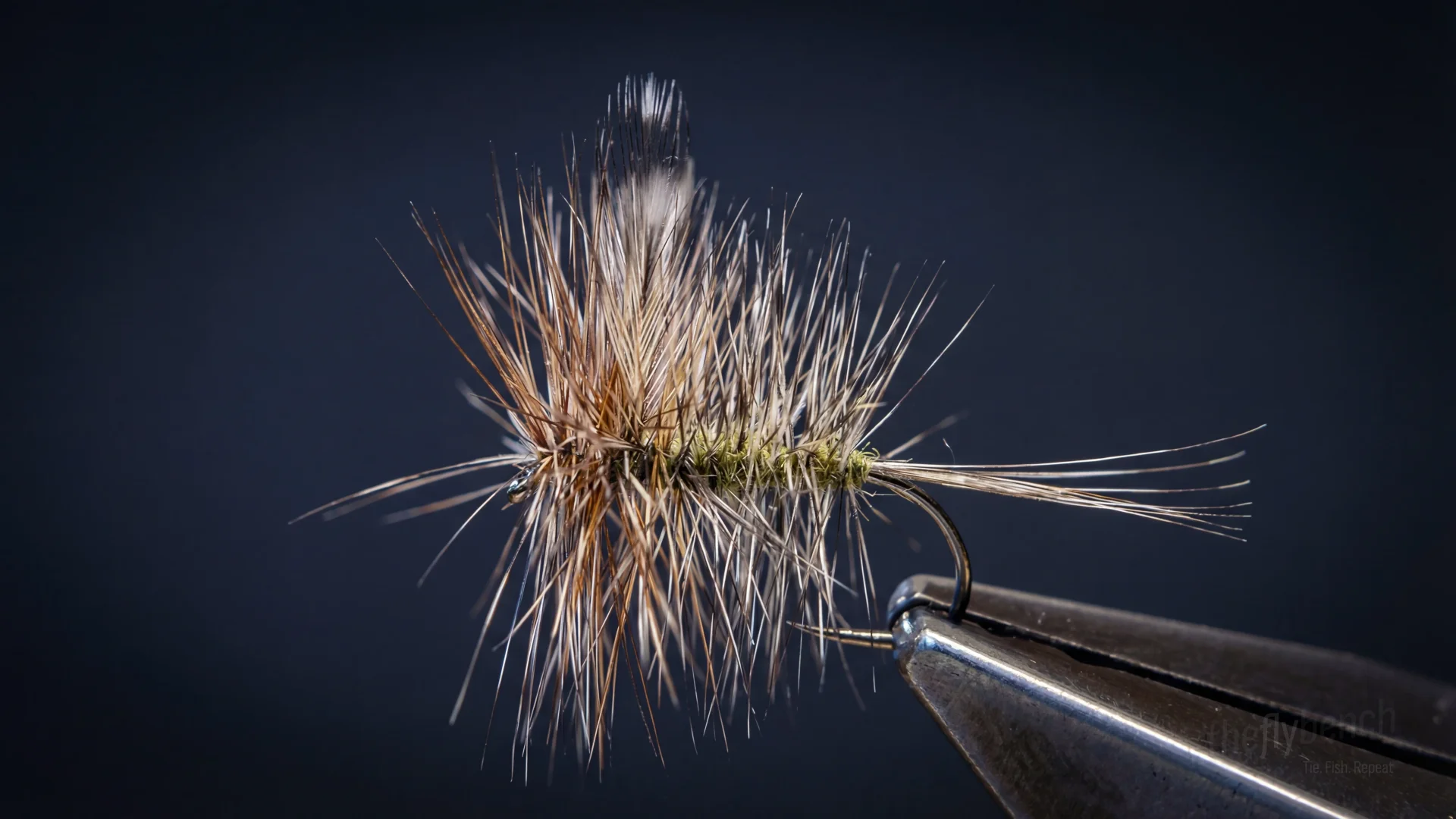
Walt Dette's Delaware Adams keeps the standard Adams' grizzly hackle and tail but swaps in an olive-toned body of mixed rabbit and synthetic dubbing, with a grizzly hen wing and a grizzly-and-brown hackle collar. The color shift gives it a slightly different read than a stock Adams on the same water.
Spring, Summer, Fall
Intermediate
Trout
Feb 2026
Overview
Credited to Walt Dette, this Adams variant is built with an unconventional tying sequence but lands on a familiar-looking result: standard grizzly hackle, tail, and wing, with only the body dubbing changed to an olive rabbit-and-synthetic blend. That small swap can matter on water where trout have seen plenty of standard Adams patterns. It fishes the same mixed mayfly and caddis situations as the original, just with a different body tone to offer.
Where to Buy This Fly
We only link to fly shops we trust. Some links are referral links, which may earn us a commission at no extra cost to you.
Materials
- Hook:
- Partridge SLD #12 (or equivalent standard dry fly hook)
- Thread:
- Benecchi 12/0, olive
- Wings:
- Hen, grizzly
- Body Hackle:
- Cock, grizzly
- Tail:
- Grizzly barbs
- Body:
- Olive, mix of rabbit and synthetic
- Hackle:
- Cock, grizzly and brown
- Warning:
- Unconventional tying sequence to arrive at a very traditional end result ;-)
Behavior & Presentation
Natural Behavior: During mixed hatches of mayflies and caddisflies, adult insects cluster in drift lines where current seams concentrate surface food, creating feeding stations where multiple species overlap. Fish position at these convergence zones to maximize intake, intercepting the diverse insect mix that accumulates predictably.
Where Trout Eat It: Trout feed on this during mixed mayfly and caddis hatches where multiple species overlap in drift lines.
How to Fish It: Dead drift through seams and tail-outs using upstream presentations with mending for drag-free float.
Best Water: Freestone tail-outs and riffle edges where diverse surface insects concentrate in feeding lanes.
Strike Type: Watch for steady rise forms—either splashy refusals or confident sips depending on hatch intensity. The grizzly wing silhouette disappears in expanding surface rings.
Fishing Strategy
Rigging Suggestions: Use a 9-12 foot leader tapering to 5X tippet for delicate presentations. Apply floatant to the body and hackle.
Seasonal Timing: Most effective during peak feeding periods at dawn and dusk. Water temperatures between 45-65°F typically produce best results.
Pro Tips: The Delaware Adams' proven profile makes it a confidence pattern for difficult conditions. Use it to locate actively feeding fish before switching to more specific imitations if refusals occur.
Entomology
During mixed hatches of mayflies and caddisflies, adult insects cluster in drift lines where current seams concentrate surface food, creating feeding stations where multiple species overlap. Fish position at these convergence zones to maximize intake, intercepting the diverse insect mix that accumulates predictably.
- Order
- Trichoptera
- Common Name
- Caddisfly
- Organism Type
- insect
- Life Stage
- adult