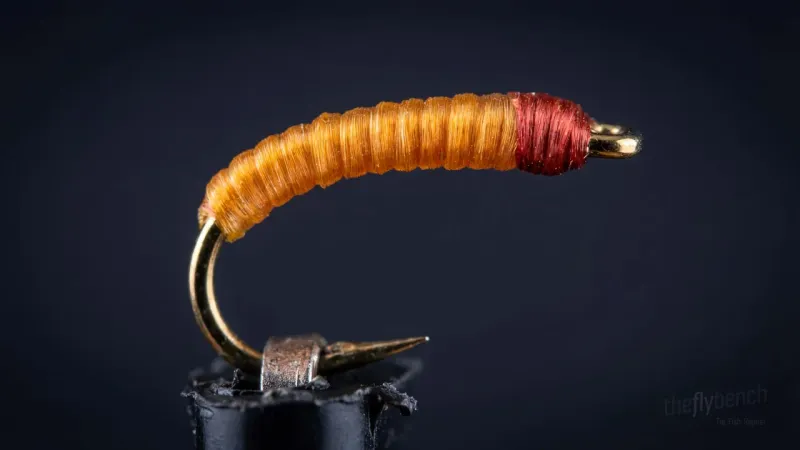
NymphCaddis Larva
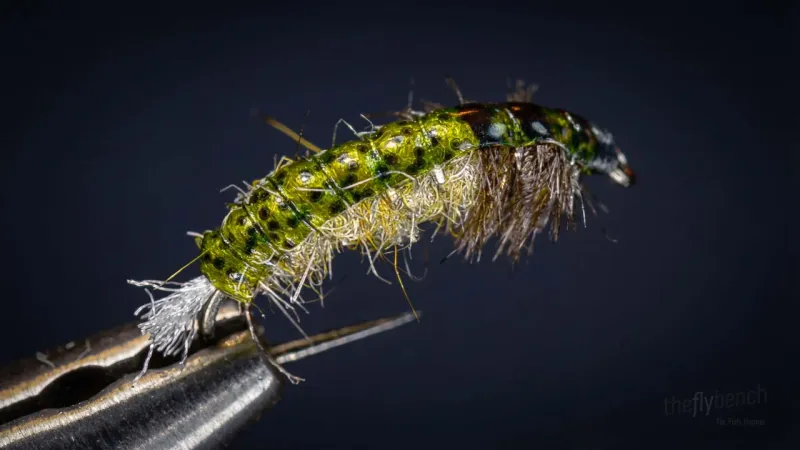
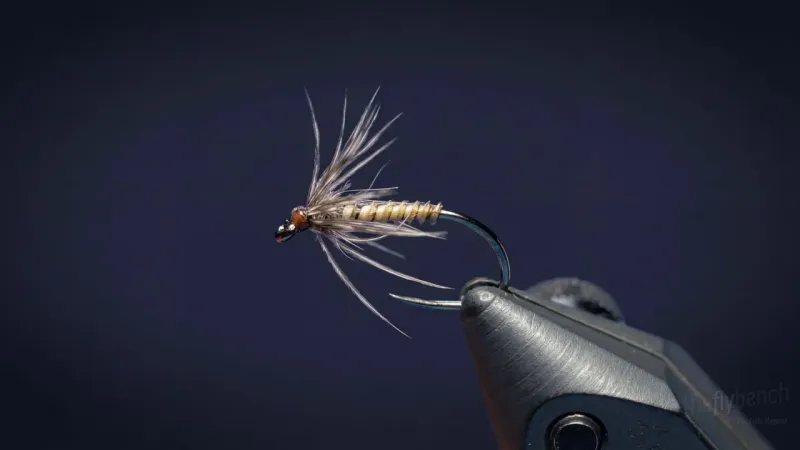
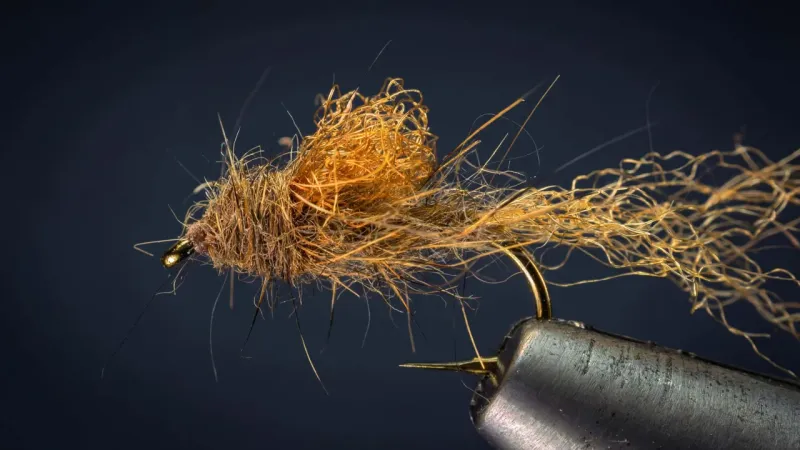
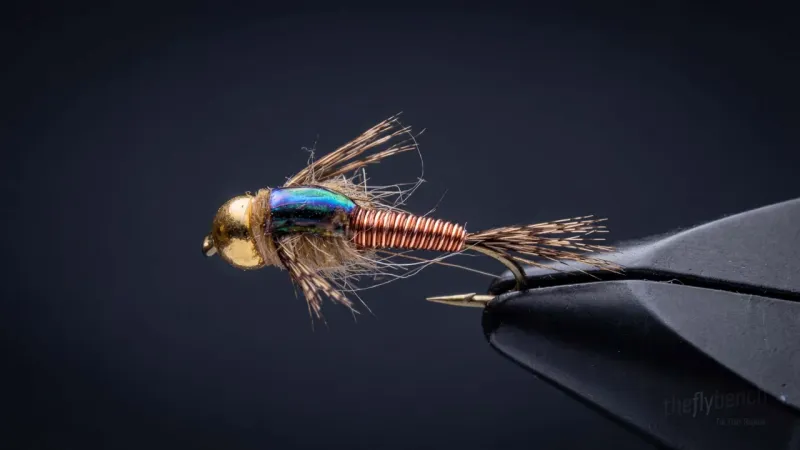
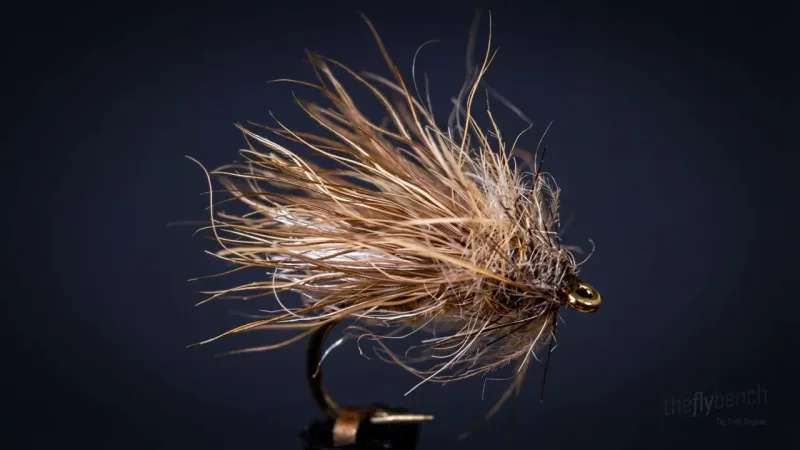
The Caddis Larva fly is designed to mimic the natural caddis larvae found in many bodies of water. It's a staple in the diet of many fish, making this fly a go-to choice for many anglers. Its realistic profile and natural movement in the water make it irresistible to fish.
Spring, Summer, Fall
Intermediate
Trout
Apr 2025
Overview
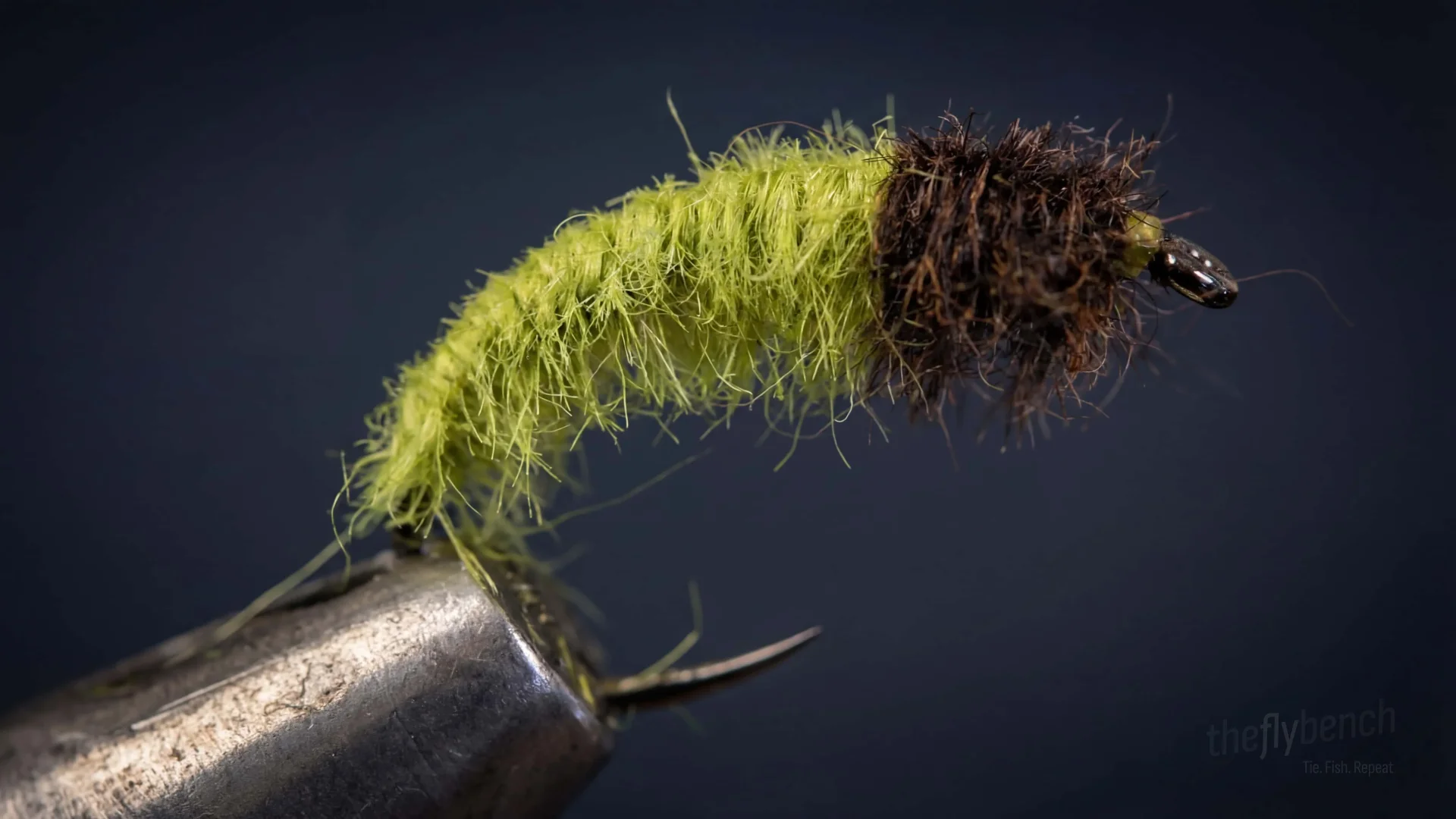
Tied to imitate the free-living or case-building caddis larva, this nymph often uses a green or olive dubbed body, ribbing for segmentation, and a black head. A soft hackle collar can add movement. Weighted with lead wraps or a bead, it's an essential pattern for year-round subsurface fishing.
Where to Buy This Fly
We only link to fly shops we trust. Some links are referral links, which may earn us a commission at no extra cost to you.
Materials
- Hook:
- Tiemco 3769, size #12–#16
- Thread:
- Olive Ultra Thread 70
- Body:
- Olive Hare's Ear Plus Dubbing
- Ribbing:
- Gold Ultra Wire
- Shellback:
- Strip of Thin Skin in mottled olive
Behavior & Presentation
Natural Behavior: Free-living larvae crawl exposed across bottom substrates while case-builders occasionally abandon damaged shelters, both becoming vulnerable when dislodged during high flows.
Where Trout Eat It: Fish root along the bottom and turn rocks to access these year-round protein sources, feeding opportunistically when larvae are exposed.
How to Fish It: Bounce along substrate with a dead drift, imitating larvae tumbling helplessly after dislodgement or crawling between feeding positions.
Best Water: Target gravel runs, pocket water, undercut banks, and riffle edges where current exposes or dislodges bottom-dwelling larvae.
Strike Type: Takes feel like resistance or weight as fish pick larvae off the bottom during drift-feeding.
Fishing Strategy
Rigging Suggestions: Use 5X-6X tippet with a tandem nymph rig, pairing with a heavier beadhead fly as the point to reach 2-6 feet depths quickly. Add split shot if needed in faster currents.
Seasonal Timing: Effective from April through October with peak productivity during May-September when larvae are building cases and preparing to pupate. Works well when water temperatures are 45-65°F.
Pro Tips: This fly works best when bouncing along the bottom. Match your larva color to local specimens—tan, olive, or cream variations. The natural segmentation triggers confident takes from selective feeders.
Entomology
Free-living caddisfly larvae crawl actively across the bottom substrates, grazing on algae and organic matter without the protection of a case, making them vulnerable to predation. Case-building species occasionally abandon damaged cases or are dislodged during high flows, exposing the soft-bodied larva. Trout root along the bottom and turn rocks specifically to access these larvae, which represent abundant, year-round protein sources in cold-water streams.
- Order
- Trichoptera
- Common Name
- Caddisfly
- Organism Type
- insect
- Life Stage
- larva