Dry FliesBunny Dun
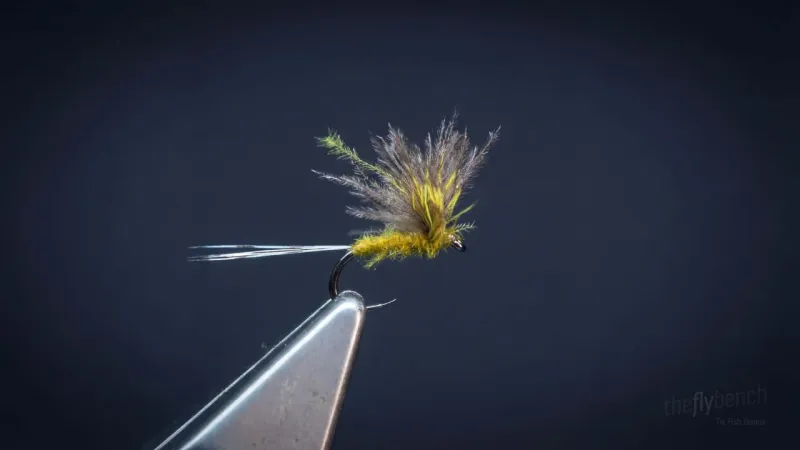
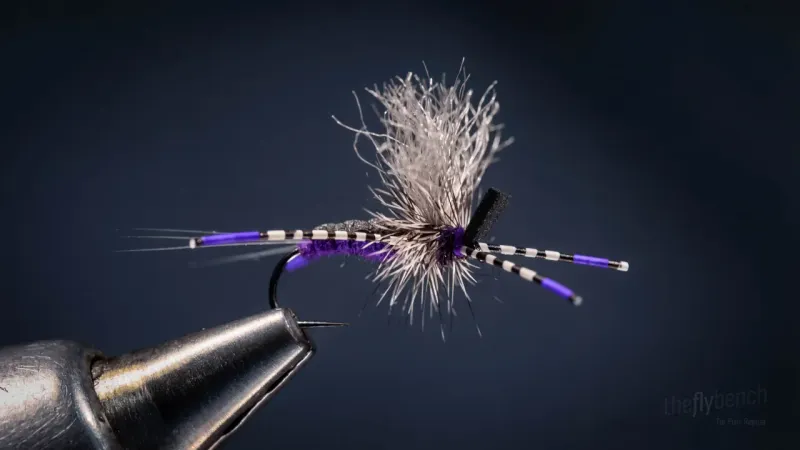
The Bunny Dun is a versatile dry fly pattern that imitates a variety of mayflies and is effective year-round. The rabbit fur adds a realistic touch to the fly and aids in floatation.
Year Round
Beginner
Trout
Apr 2025
Overview
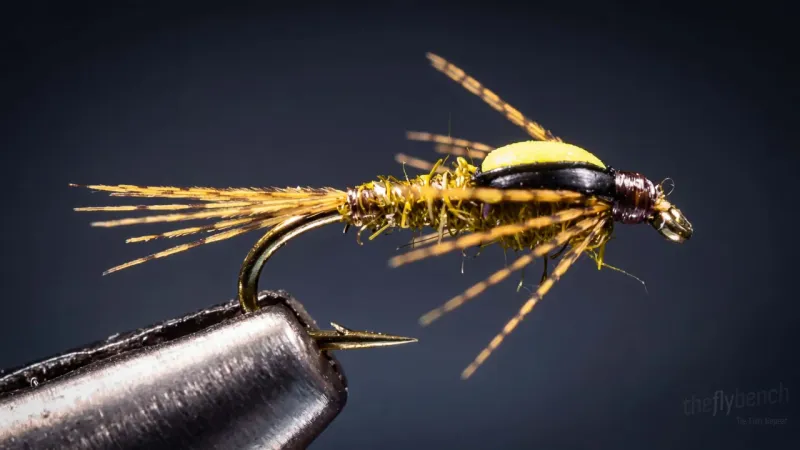
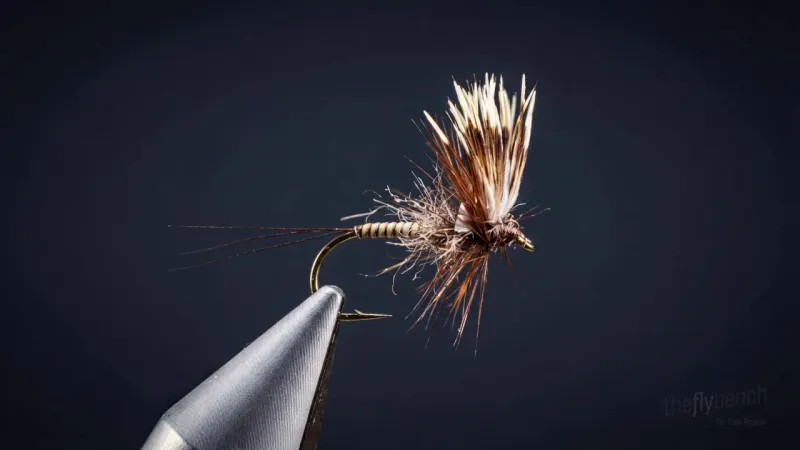
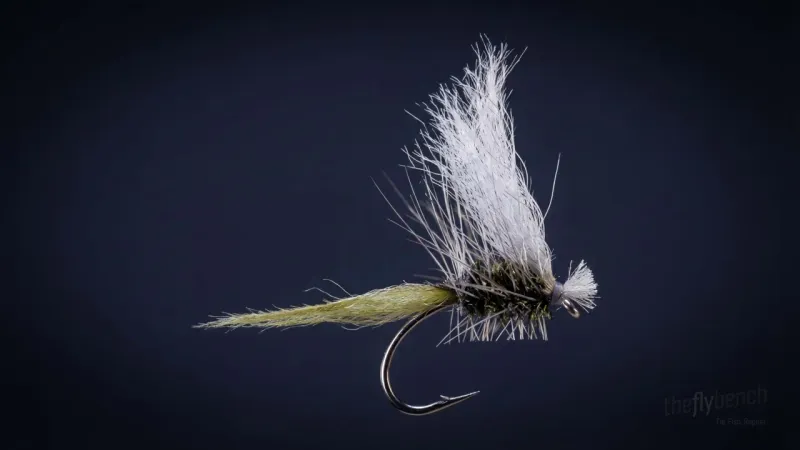
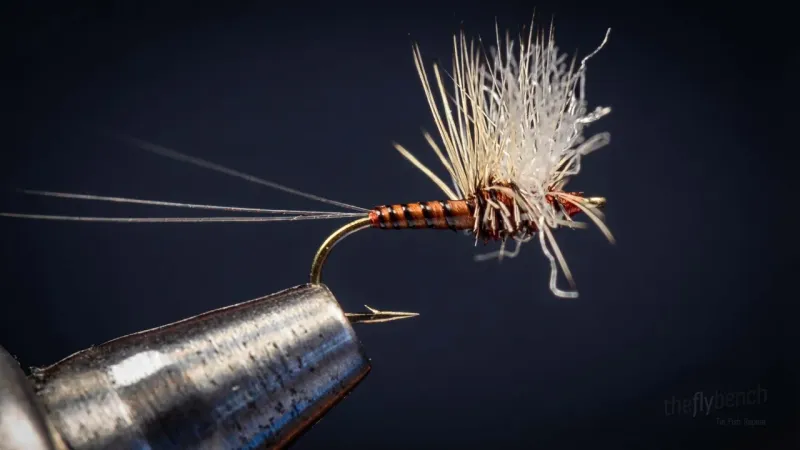
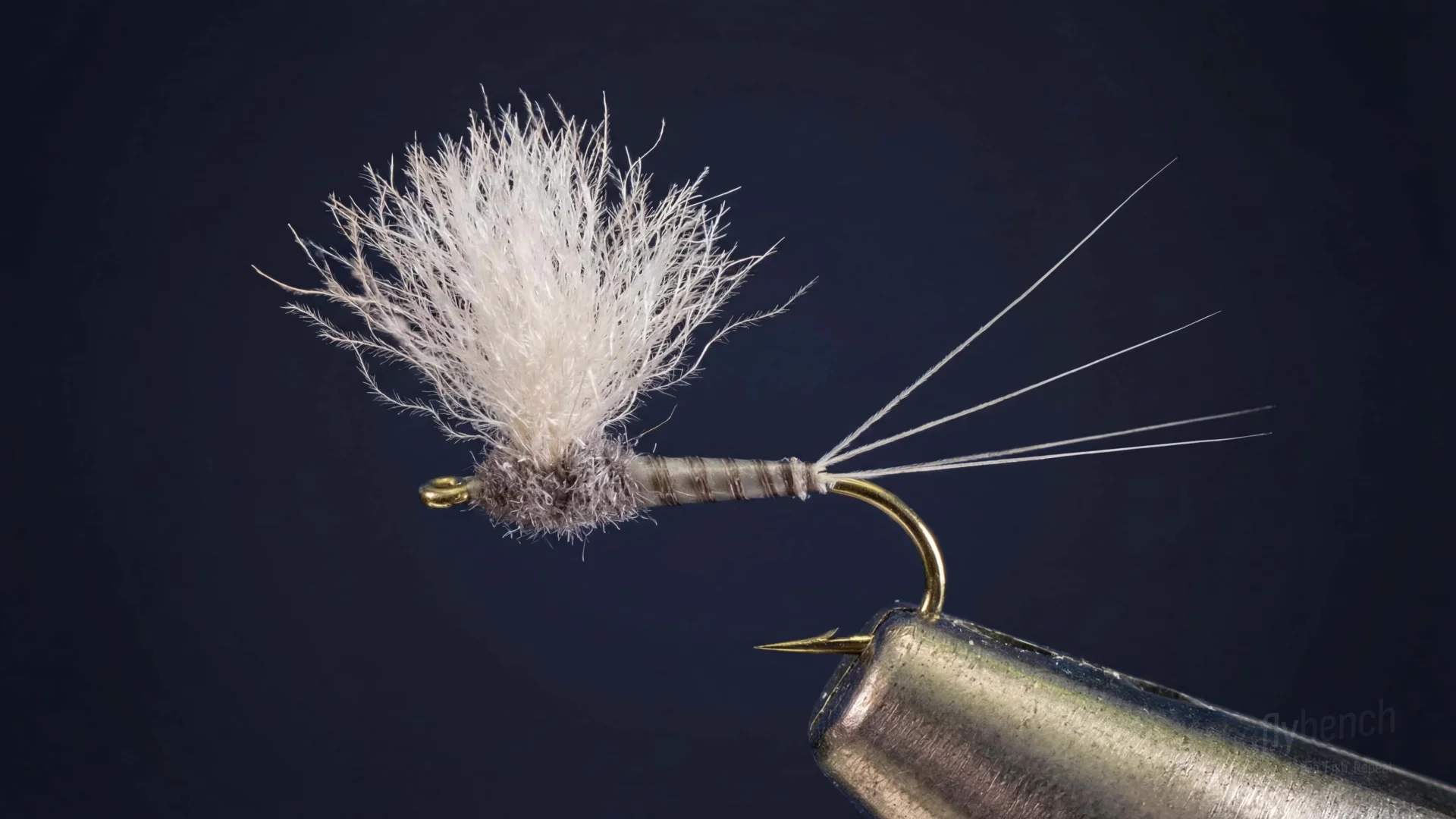
This mayfly dun imitation is tied using soft rabbit fur for the body and wing, giving it a subtle, natural silhouette and lifelike movement. The wing is often tied upright or comparadun-style with trimmed rabbit or CDC. Use natural gray or olive tones and a sparse body to keep it floating low in the film — great for picky trout during hatches.
Where to Buy This Fly
We only link to fly shops we trust. Some links are referral links, which may earn us a commission at no extra cost to you.
Materials
- Hook:
- Tiemco 100, size #12–#16
- Thread:
- Tan UTC 70
- Tail:
- Moose body hair
- Body:
- Natural rabbit fur dubbing
- Wing:
- Snowshoe rabbit foot hair
- Hackle:
- Grizzly and brown
Behavior & Presentation
Natural Behavior: Newly emerged duns remain on the surface with upright wings while body moisture evaporates, drifting passively and unable to dive or fly during this prolonged waiting period.
Where Trout Eat It: Fish time their feeding to emergence periods when abundant duns are trapped on the surface, creating optimal conditions for selective, rhythmic rises.
How to Fish It: Dead drift with upright wing profile, matching the passive, helpless float of duns waiting for flight-ready conditions.
Best Water: Target slicks, foam lines, tail-outs, and current seams where drifting duns concentrate during peak emergence activity.
Strike Type: Methodical, rhythmic rises as fish selectively sip duns, creating consistent rise forms during concentrated hatch windows.
Fishing Strategy
Rigging Suggestions: Fish on 5X-6X tippet with a 9-12 foot tapered leader. Can be used alone or as the indicator fly in a dry-dropper rig with an emerger or small nymph below.
Seasonal Timing: Versatile year-round pattern, most effective during (April-June) and (September-November) mayfly hatches, but also productive during terrestrial activity and midge emergences.
Pro Tips: The natural rabbit fur wing provides excellent visibility and floatation. Apply floatant before fishing. The neutral colors work in a variety of light conditions and water types.
Entomology
Newly emerged mayfly duns must remain on the surface until their wings fully expand and body moisture evaporates sufficiently for flight, a process that requires calm conditions and can be prolonged during cold or humid weather. During this waiting period, duns drift passively in the current with wings upright, unable to dive or take flight if threatened. Fish time their feeding to these emergence periods because the combination of insect abundance and prolonged surface vulnerability creates optimal conditions for selective, rhythmic rise behavior.
- Order
- Ephemeroptera
- Common Name
- Mayfly
- Organism Type
- insect
- Life Stage
- adult