



Overview
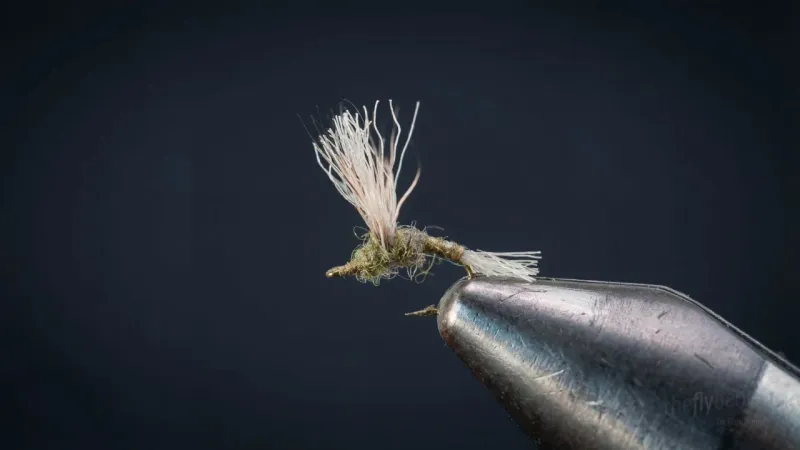
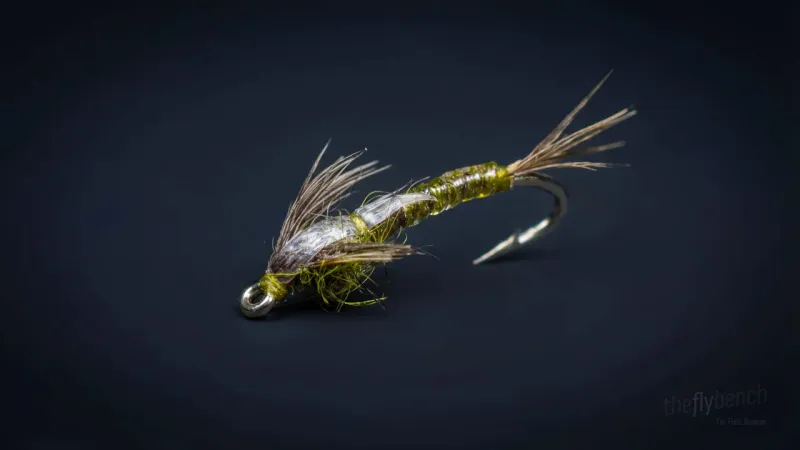
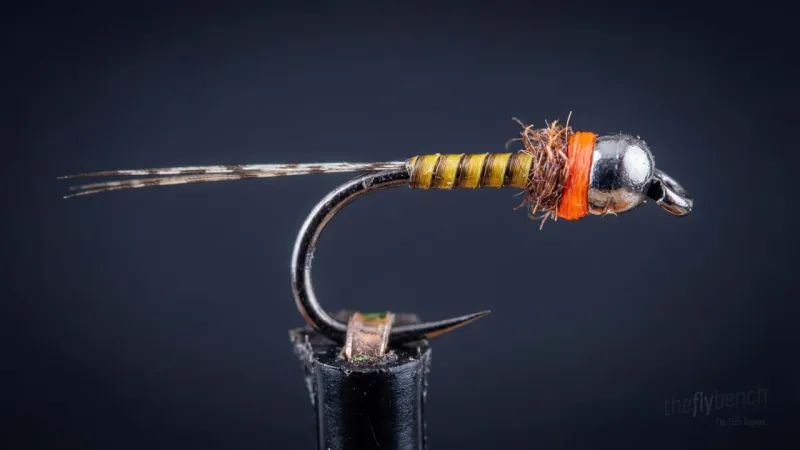
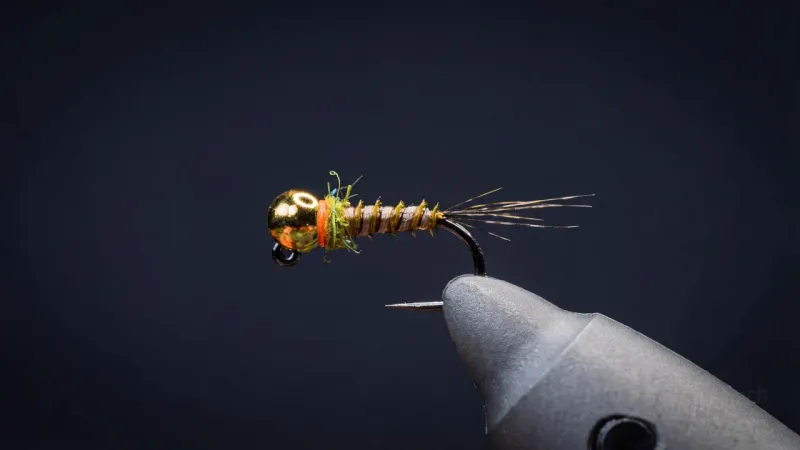
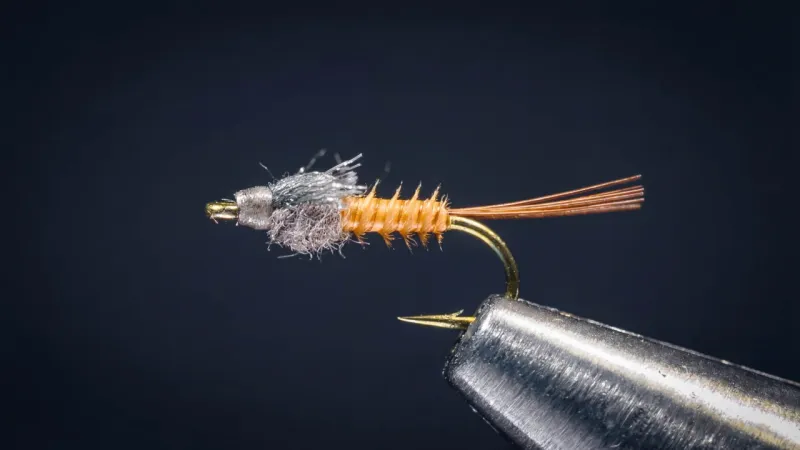
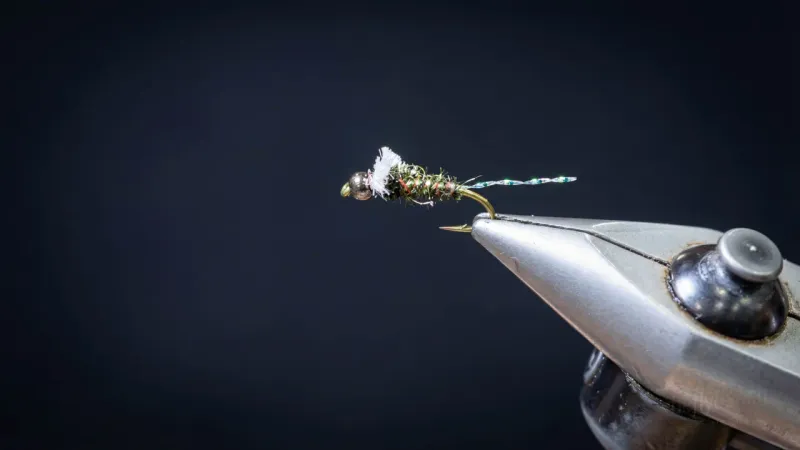
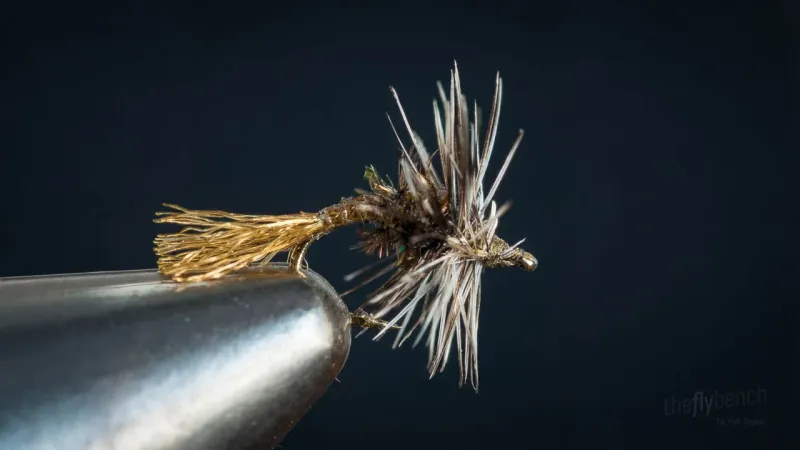
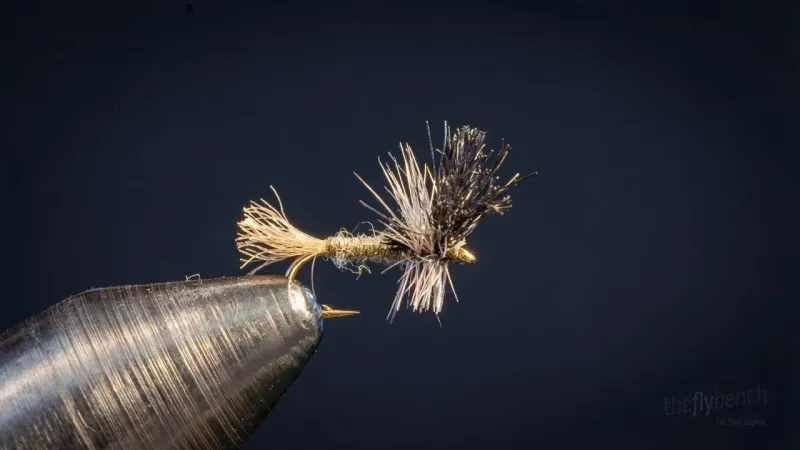
The Baetis Foam Emerger was developed for extended fishing during heavy BWO hatches where traditional patterns lose floatation. The foam wing pad provides unsinkable buoyancy while maintaining a realistic emerger profile. This pattern is particularly effective on spring creeks and tailwaters where fish see heavy pressure and become educated to standard patterns.
Related patterns
Behavior & presentation
- Natural Behavior
- Baetis nymphs ascend from substrate toward the meniscus, hanging suspended vertically as trapped air inflates wings. This 30-90 second emergence window represents peak vulnerability when insects cannot retreat to safety.
- Where Trout Eat It
- Trout sip Baetis emergers hanging vertically in the surface film during BWO hatches in San Juan River tail-outs and spring creek slicks. The foam wing pad locks the pattern in the film where fish target insects with wings partially expanded.
- How to Fish It
- Fish static in the film during active emergence with 6X-7X tippet, no floatant needed on foam. Dead drift through tail-outs and seams with delicate presentations, allowing the unsinkable foam to provide extended fishing sessions without reapplication.
- Best Water
- Focus on spring creek tail-outs, slicks, and foam lines where currents slow and surface emergers accumulate in calm water under 2 feet deep.
- Strike Type
- Delicate dimpling rises mark feeding on suspended emergers—set hook on the slightest indication.
Fishing strategy
- Rigging Suggestions
- Fish on 12-15 foot leader with 6X-7X tippet. No floatant needed on the foam, but a light application to the hackle can help.
- Seasonal Timing
- (March-May) and fall (September-November) Baetis hatches. The foam construction makes it ideal for extended fishing sessions during heavy emergences.
- Pro Tips
- Adjust presentation depth and speed based on fish activity level and current conditions for best results.
Where to fish it
Rivers anglers pair with this fly, with local shops that stock it.
River details and fly shops from River & Run, our sister site.
Entomology
Baetis emergers hang vertically beneath the surface film, using trapped air bubbles between the nymphal shuck and developing adult body as flotation while wings inflate. This transitional positioning makes them visible to sub-surface feeding trout but difficult for the insects to detect approaching predators, and the 30-90 second emergence window represents peak vulnerability when individuals are physiologically committed to metamorphosis and cannot retreat to the safety of the streambed.
- Order
- Ephemeroptera
- Family
- Baetidae
- Common name
- Blue-Winged Olive
- Organism
- insect
- Life stage
- general
Pattern details
- Moving Water
- Rocky Mountain
- Southwest
- dead-drift
- baetis-hatch
- midge-hatch
- classic
- low-clear-water
- tailwater
- freestone
- spring-creek